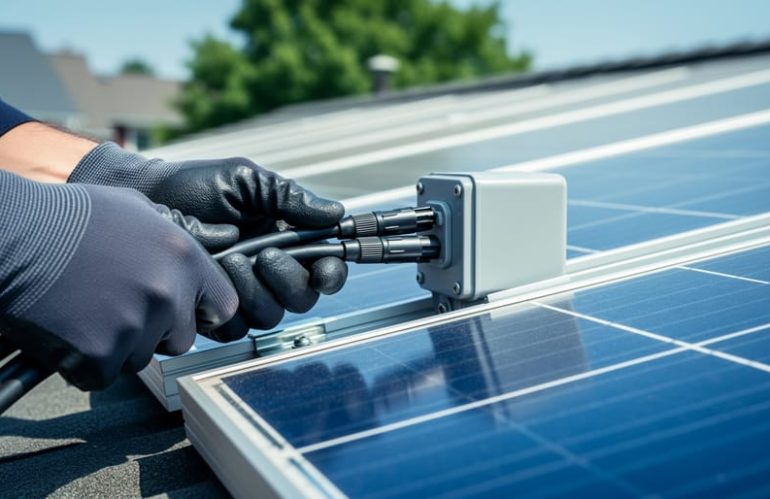
The cables connecting your solar panels to your home’s electrical system aren’t just wires—they’re the arteries determining how much of the sun’s energy actually reaches your appliances and how much gets lost along the way. High voltage DC cables carry the direct current electricity your panels generate, and choosing the right specifications can mean the difference between maximizing your investment and leaving hundreds of dollars on the table each year.
Most homeowners don’t realize that undersized or low-quality DC cables can waste 2-5% of their system’s total energy production through resistance losses. That might sound small, but over a 25-year system lifespan, it translates to thousands in lost savings. The voltage rating, conductor size, insulation quality, and proper installation of these cables directly impact both your system’s efficiency and safety.
Understanding what makes a high-quality DC cable isn’t complicated. You don’t need an engineering degree to ask your installer the right questions or verify you’re getting components that will perform reliably for decades. The key specifications—voltage rating (typically 600V, 1000V, or 1500V for residential systems), wire gauge (measured in AWG), and temperature ratings—all connect directly to how well your system converts sunshine into lower electric bills.
This guide breaks down exactly what you need to know about high voltage DC cables in plain language, helping you make confident decisions that protect your investment and maximize your long-term energy savings.
What Makes High Voltage DC Cables Different from Regular Wiring
Think of regular household wiring as a small stream carrying water to your kitchen faucet. High voltage DC cables, on the other hand, are like major pipelines moving large volumes efficiently across long distances. Both deliver what you need, but they’re built for completely different jobs.
The wiring in your home typically handles 120 to 240 volts of alternating current (AC). High voltage DC cables used in solar installations are designed to handle the direct current electricity that panels produce, often at maximum voltage ratings between 600 to 1,500 volts or even higher for larger systems. That’s a significant difference that requires specialized construction.
What makes these cables special? First, they feature thicker insulation to safely contain higher voltages. Second, they’re built to withstand harsh outdoor conditions including intense UV rays, temperature swings, and moisture that would quickly degrade standard indoor wiring. Third, they’re engineered to minimize power loss over distance, which directly impacts your energy savings.
Using regular household wire for solar panels would be like using a garden hose for firefighting. It simply isn’t rated for the job and could create safety hazards or system failures. More importantly, inferior cables waste the clean energy your panels generate, meaning less savings on your electricity bills.
The good news is that proper high voltage DC cables are a one-time investment that protects your solar system for decades. When installed correctly, they operate safely and efficiently, maximizing the financial return on your solar investment. Understanding this difference helps you ensure your installer is using quality components that will deliver the performance and savings you expect.
The Real Cost of Cheap Solar Cables (It’s More Than You Think)
How Energy Gets Lost Between Your Panels and Your Home
Think of your solar cable like a water pipe carrying energy from your roof to your home. Just as a narrow garden hose creates water pressure loss over distance, electrical cables create resistance that turns some of your solar power into heat instead of usable electricity. This is completely normal, but the amount you lose matters for your wallet.
Here’s the good news: high voltage DC cables are specifically designed to minimize these losses. When electricity flows at higher voltage, it’s like widening that water pipe—more energy moves through with less friction. Standard residential systems might lose 2-3% of their power in the cables, but poor cable choices can push that to 5% or higher. On a typical 6kW system, that’s the difference between losing $30 versus $75 annually.
The length of your cable run from panels to inverter plays a big role too. Longer distances mean more resistance, which is why proper cable sizing matters. Quality high voltage DC cables help you boost solar panel performance by ensuring more of the power your panels generate actually reaches your home’s electrical system.
The Monthly Money Drain You Can Actually Prevent
Let’s look at what undersized or poor-quality cables actually cost you in real dollars. Imagine a typical 6kW home solar system where cable inefficiency causes just a 3% energy loss—a conservative estimate for substandard cables.
In year one, that 3% loss on a system generating $1,200 in annual electricity value means you’re throwing away $36. Not huge, but it’s just the beginning.
Over five years, that same loss accumulates to $180 in energy you paid for but never got to use. Your system is working, your panels are fine, but the electricity is disappearing as heat in inadequate cables.
Now here’s where it really stings: over your system’s 25-year lifespan, that seemingly small 3% inefficiency costs you $900. And remember, this assumes just a modest loss. Severely undersized cables or those degrading from UV exposure without proper rating can lose 5-8%, potentially costing you $1,500-$2,400 over the system’s life.
The good news? Quality high voltage DC cables that prevent these losses typically cost just $100-$300 more upfront for a residential installation. That investment pays for itself within the first few years, then continues saving you money for decades.
Cable Specifications That Actually Matter for Your Home
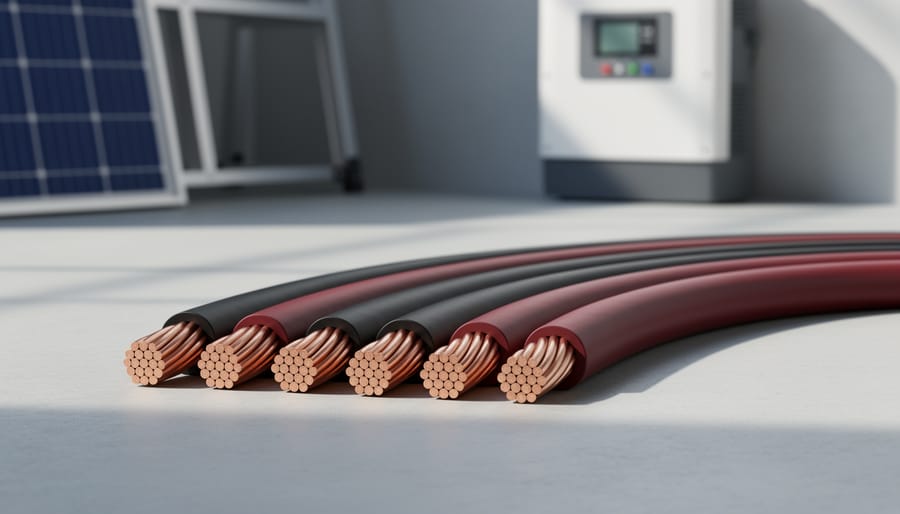
Cable Thickness: Why Size Really Does Matter
Think of cable thickness like a water pipe: wider pipes let more water flow through with less resistance. The same principle applies to electrical cables in your solar system. Cable gauge refers to the thickness of the wire, and here’s the good news—choosing the right size directly impacts your energy bills.
Thicker cables have lower electrical resistance, which means less energy is lost as heat during transmission from your solar panels to your home. While thinner cables cost less upfront, they waste electricity that you’ve already generated. Over your system’s 25-year lifespan, this adds up to real money left on the table.
For most residential solar installations, properly sized cables can reduce energy loss to under 2%. That might not sound dramatic, but it translates to hundreds of dollars in savings over time. When reviewing installation quotes, ask your contractor about cable sizing—it’s a simple question that shows you understand quality matters and helps ensure you’re getting components that maximize your investment.
Weather Protection That Lasts Decades
Quality high voltage DC cables are built to withstand decades of outdoor exposure without breaking down. Modern solar cables feature multiple layers of protection that keep your system running efficiently year after year. The outer jacket typically uses materials specifically engineered for solar applications, providing exceptional resistance to UV radiation that would quickly degrade ordinary electrical cables.
These weatherproofing features protect your investment in several important ways. The insulation maintains its electrical properties through temperature extremes, from scorching summer heat to freezing winter conditions. Water resistance prevents moisture infiltration that could compromise connections or create safety hazards. UV-resistant materials won’t crack, become brittle, or lose flexibility over time, even under constant sun exposure.
What does this mean for your wallet? Cables designed for 25-30 year lifespans match your solar panels’ warranty periods, eliminating costly mid-life replacements. You avoid the expense and hassle of rewiring your system, and your panels continue producing maximum electricity without cable-related losses eating into your savings. It’s one less thing to worry about as your system quietly generates clean energy for decades.
Temperature Ratings You Shouldn’t Ignore
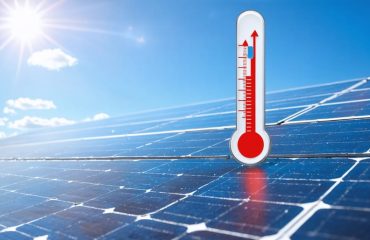
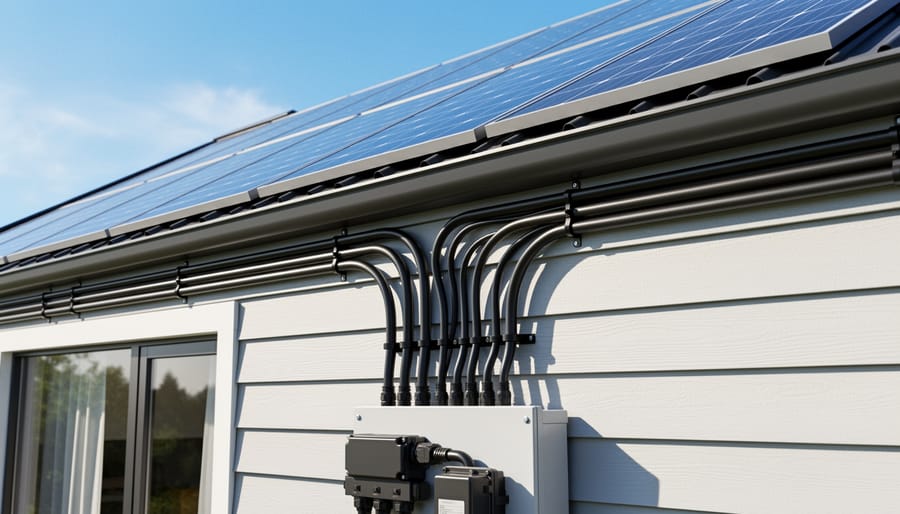
Your rooftop gets hot—really hot. On a summer day, those black solar panels can reach 150°F or higher, and your cables experience similar conditions. This is where temperature ratings become your financial protection. Cables not properly rated for high temperatures can degrade faster, lose efficiency, and in worst cases, create safety hazards that void your warranty.
Quality high voltage DC cables typically carry ratings of 90°C (194°F) or higher, designed specifically for the extreme conditions your roof experiences. When cables overheat due to inadequate ratings, their insulation breaks down over time, increasing resistance and reducing the power flowing to your inverter. This means less electricity generated and a longer payback period for your investment. Just as temperature affects solar performance, it directly impacts cable longevity too. Always verify your installer is using cables with appropriate temperature ratings for your climate—it’s a simple check that protects decades of savings.
How to Know If Your Solar Installer Is Using Quality Cables
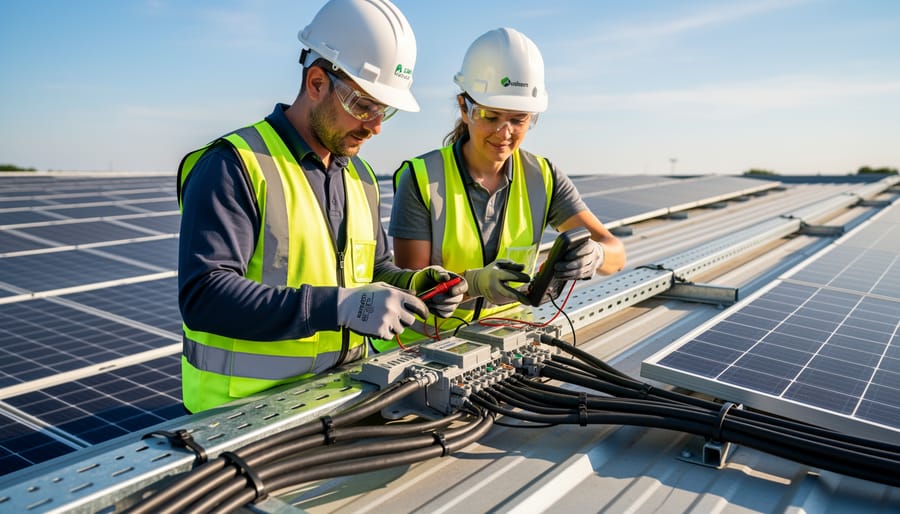
Questions Every Homeowner Should Ask Before Installation
Before committing to your solar installation, arm yourself with these essential questions to ensure you’re getting quality components that will maximize your energy savings:
First, ask your installer which cable brand they recommend and why. Reputable manufacturers often provide better performance guarantees and longer lifespans. Request information about the cable’s voltage rating—it should match or exceed your system’s requirements to ensure safe, efficient operation.
Find out what warranty covers the cables. Quality high voltage DC cables typically come with warranties of 20-25 years, matching your solar panel warranties. This protects your investment and gives you peace of mind.
Always ask about safety certifications. Look for cables that meet recognized standards like UL or TUV certifications, which confirm they’ve been tested for durability and fire resistance.
Inquire about the cable’s temperature rating and weather resistance. Your cables will face extreme heat, cold, and UV exposure for decades, so they need to handle your local climate conditions.
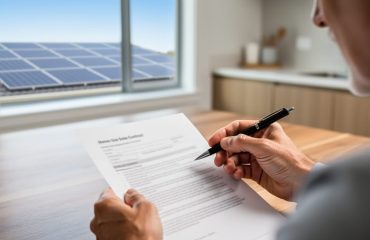
Finally, ask how cable quality affects your system’s overall efficiency and your long-term savings. Understanding this connection helps you see why investing in proper cables now means more money in your pocket over the next 25 years. Don’t hesitate to request written specifications—a trustworthy installer will happily provide detailed documentation.
Warning Signs of Corner-Cutting Installers
When comparing solar installers, watch for these warning signs that might indicate lower-quality cable components. Be cautious if a quote seems significantly cheaper than others without clear explanation—you’ll want to know exactly which cable brands and specifications they’re proposing. Quality installers happily provide detailed material lists showing cable voltage ratings, insulation types, and certifications.
Red flags include vague responses when you ask about cable specifications or UV resistance ratings. If an installer dismisses your questions about cable quality as unimportant details, that’s concerning. Professional companies understand that proper cables protect your investment and should welcome your interest in these components.
Another warning sign is pressure to make quick decisions or claims that cable type doesn’t affect system performance. The reality is that cable quality directly impacts your energy production and long-term savings. Trustworthy installers give you time to review proposals and compare specifications.
Watch for installers who can’t explain why they’ve chosen particular cable gauges for your system’s distance and voltage requirements. Quality professionals calculate these specifications based on your unique setup and can walk you through their reasoning in plain language. Remember, asking questions about materials isn’t being difficult—it’s being smart about protecting your home’s energy future.
Debunking Common Myths About Solar DC Cables
Let’s clear up some common misunderstandings that could be costing you money and system performance.
Myth 1: All solar cables are basically the same. This is like saying all tires are the same because they’re round. In reality, cable quality varies dramatically. Lower-grade cables use inferior copper that increases resistance, leading to energy losses that add up over your system’s 25-year lifespan. Premium cables with proper insulation and conductor quality can reduce losses by 2-3%, which translates to hundreds of dollars in additional electricity generation over time.
Myth 2: Energy losses in cables are too small to matter. Many homeowners assume cable losses are negligible, but this couldn’t be further from the truth. In a typical residential system, poor cable selection can waste 3-5% of your total energy production. On a 6kW system, that’s potentially losing $100-150 worth of electricity annually. Over two decades, you’re looking at thousands of dollars literally disappearing into heat.
Myth 3: Upgrading cables isn’t worth the investment. The reality is that the price difference between adequate and excellent cables is often just $200-400 for a residential installation, but the improved efficiency pays for itself within 3-5 years through reduced losses. After that, it’s pure savings. Think of it as getting better fuel economy without paying more for gas.
Myth 4: Voltage drop only matters for long cable runs. Even short runs benefit from proper sizing. Voltage drop compounds with temperature, sun exposure, and connection quality. What seems minor on paper becomes significant in real-world conditions, especially during peak production hours when you’re generating the most valuable electricity.
Long-Term Performance: What to Expect from Quality DC Cables
Quality high voltage DC cables installed in your solar system are genuinely a “set it and forget it” component. When you invest in properly rated cables from reputable manufacturers, you’re looking at a reliable lifespan of 25 to 30 years—matching or even exceeding the warranty period of your solar panels themselves.
The best part? These cables require virtually zero maintenance. Unlike other home systems that need regular servicing, your DC cables will quietly do their job year after year without any attention from you. They’re designed to withstand decades of temperature fluctuations, UV exposure, and weather extremes without degrading in performance. This means the energy efficiency you start with on day one remains consistent throughout the system’s life.
Think of it this way: quality DC cables preserve the connection between your panels and inverter, ensuring that the power generated on your roof reaches your home with minimal loss. Just as inverter efficiency impacts your overall savings, proper cabling protects those savings for decades.
The initial investment in quality cables pays dividends through consistent performance. You won’t face unexpected replacement costs, service calls, or efficiency degradation that cheaper alternatives might bring. Once your system passes inspection, those cables become an invisible workhorse—exactly what you want from a long-term investment. This reliability translates directly into predictable energy production and the financial returns you calculated when going solar.
Choosing quality high voltage DC cables for your solar system isn’t just about meeting technical requirements—it’s about protecting your investment and maximizing your returns for decades to come. Better cables mean less energy loss, which translates directly into lower electricity bills and faster payback on your solar investment. They also reduce maintenance headaches and costly replacements down the road, keeping more money in your pocket.
When you’re getting quotes or discussing your installation, don’t hesitate to ask specific questions about cable quality, insulation materials, and UV resistance ratings. A reputable installer will appreciate your informed approach and gladly explain their component choices. Remember, the few extra dollars spent on premium cables today can mean thousands in savings over your system’s 25-year lifespan.
The good news is that making smart choices about solar components is easier than ever. With the right information, you can confidently invest in a system that delivers strong financial returns while contributing to a cleaner environment. Quality cables are a simple but powerful way to ensure your solar journey is successful, sustainable, and truly rewarding for years to come.