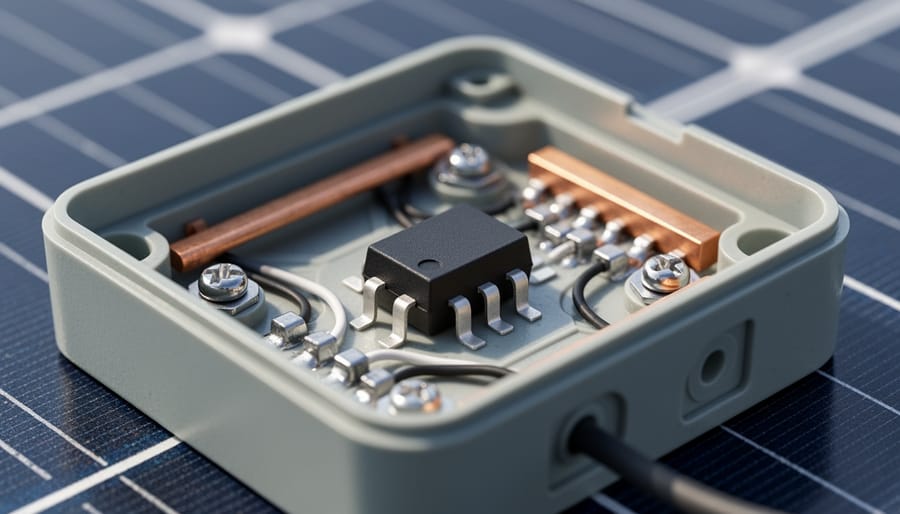
A single shaded solar panel can drag down your entire system’s performance by up to 40%, turning what should be peak production hours into disappointing output. That’s where bypass diodes come in—these small but critical components act as traffic redirectors in your solar array, routing electricity around shaded or damaged panels instead of letting them bottleneck your whole system.
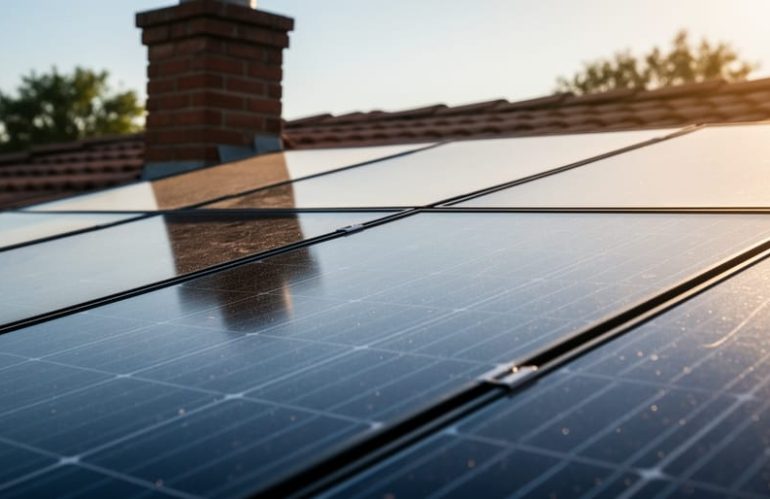
Think of bypass diodes as safety valves for your solar investment. When leaves, snow, or even a nearby chimney casts shade on just a few cells, these diodes automatically create alternative pathways for electrical current to flow. Without them, those shaded cells would force the entire panel—or worse, multiple panels—to operate at reduced capacity, costing you real money every sunny day.
Most quality solar panels include two to three bypass diodes as standard equipment, but understanding how they work helps you make smarter purchasing decisions and troubleshoot performance issues down the line. The difference between adequate and optimal bypass diode configuration can mean hundreds of dollars in energy production over your system’s lifetime—money that stays in your pocket instead of evaporating due to preventable electrical losses.
What Bypass Diodes Actually Do (In Plain English)
Think of your solar panel system as a highway with multiple lanes of traffic, where electricity flows like cars heading toward their destination. Bypass diodes act as detour routes that keep traffic moving when one lane gets blocked.
Here’s what happens without bypass diodes: Solar panels contain multiple cells connected in a series, like links in a chain. When shade covers just one cell—from a tree branch, chimney, or even bird droppings—that cell stops producing power and actually starts resisting the flow of electricity from other cells. It becomes a bottleneck that forces the entire string of panels to slow down to its reduced speed. This means a single shaded cell can dramatically reduce the output of your entire panel, sometimes by 30% or more.
Bypass diodes solve this problem elegantly. When they detect that a group of cells is underperforming due to shade, they create an alternative path that routes electricity around the blocked section. The rest of your panel keeps working at full capacity while the shaded portion is temporarily bypassed, just like drivers taking a detour around construction.
Most modern solar panels include three bypass diodes, with each one protecting a section of roughly 20 cells. This setup means that if shade hits one portion of your panel, you’ll only lose about one-third of that panel’s output instead of losing most or all of it.
The practical benefit for homeowners? Your system generates more electricity throughout the day, even when conditions aren’t perfect. That translates directly into lower electric bills and faster payback on your solar investment, especially if you have any unavoidable shading on your roof during certain times of day.
Why Your Panels Need This Protection
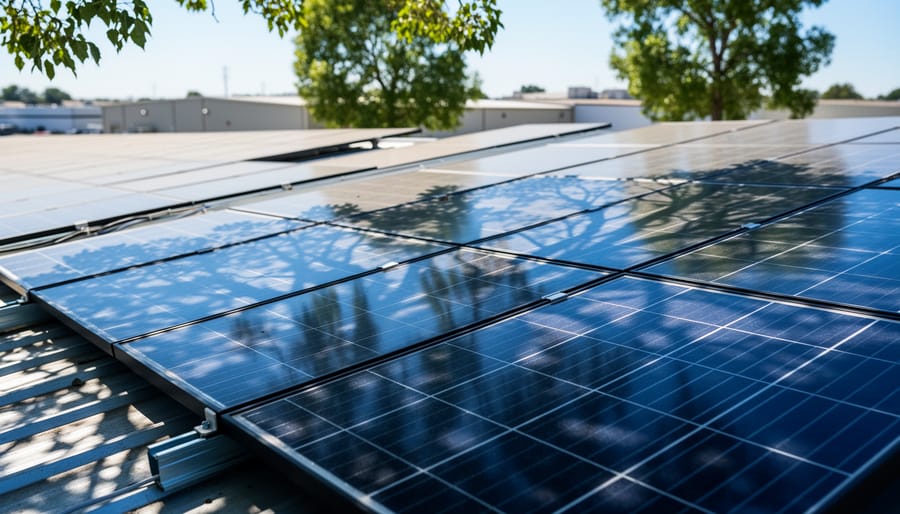
Think about a typical day in your home. That beautiful oak tree providing afternoon shade to your patio? It’s also casting a shadow across part of your solar array. Your chimney, satellite dish, or even a neighbor’s newly grown tree might be doing the same thing. These everyday scenarios are more common than you’d think, and without proper bypass diode protection, they’re costing you real money.
Here’s the thing: when even one solar cell in a panel gets shaded, it can dramatically reduce the output of the entire panel—or worse, cause damage over time. Without bypass diodes stepping in to redirect the electrical flow around shaded cells, you could lose 30-50% of that panel’s energy production during those shaded hours. Multiply that across days, weeks, and months, and you’re watching potential savings evaporate.
Let’s put this in practical terms. If your system normally saves you $100 monthly on electricity bills, losing even 20% to shade-related inefficiency means $240 less in your pocket each year. Over your system’s 25-year lifespan, that’s $6,000 in lost savings—just from preventable shade issues.
Seasonal changes make this even trickier. That winter sun sits lower in the sky, creating longer shadows from structures that never bothered your panels in summer. Bypass diodes work year-round, automatically compensating for these shifting patterns so your investment keeps delivering returns regardless of the season.
The Key Specifications That Matter to Your Wallet
Voltage Rating: Matching Your System’s Needs
Think of bypass diodes like emergency exits in a building—they need to handle the flow of electricity safely when called into action. The voltage ratings on these diodes tell you the maximum electrical pressure they can handle before breaking down.
Here’s what matters for your home: most residential solar panels operate around 30-50 volts per panel. A quality bypass diode should have a voltage rating significantly higher than your panel’s maximum output—typically 45-60 volts for standard residential systems. This safety margin ensures the diode won’t fail during normal operation or temporary voltage spikes.
Why does this protect your investment? If a diode’s voltage rating is too low, it can fail when your system experiences normal fluctuations, leaving your panel vulnerable to the same shade damage you installed it to prevent. Properly rated diodes work reliably for decades without needing attention.
The good news: reputable solar panel manufacturers already match diode voltage ratings to their panels correctly. When reviewing panel specifications, simply confirm that bypass diodes are included—the manufacturer has done the technical matching for you.
Current Capacity: Handling Your Panel’s Output
Current capacity measures how much electricity a bypass diode can handle without overheating or breaking down. Think of it like a water pipe—if you force too much water through a pipe that’s too narrow, pressure builds up and problems occur. The same principle applies to bypass diodes.
Your solar panels generate varying amounts of electricity depending on sunlight conditions. When a bypass diode activates to reroute power around shaded cells, it needs sufficient current capacity to handle that flow safely. Most quality residential solar panels use diodes rated between 10 to 15 amps, matching typical panel output.
Here’s why this matters for your wallet and safety: undersized diodes create a real problem. When a diode can’t handle the current flowing through it, it generates excess heat. This heat accelerates wear and can lead to premature failure, potentially leaving your panel vulnerable to the hot spot damage the diode was meant to prevent. In worse cases, overheated diodes become fire hazards.
The good news? Reputable manufacturers size their bypass diodes appropriately from the factory. When reviewing panel specifications, confirm the diode current rating exceeds your panel’s maximum current output. This simple check ensures your system operates safely for decades, protecting both your investment and your home.
Forward Voltage Drop: Minimizing Power Loss
Think of forward voltage drop as a small efficiency tax your bypass diodes collect every time they activate. It’s the amount of voltage the diode consumes to do its job, typically between 0.4 to 0.7 volts. While this might sound negligible, it translates directly to energy you’re not using to power your home.
Here’s what this means for your wallet: a diode with a 0.7V drop versus a 0.4V drop can cost you an extra $15-30 per year in lost production when shading occurs regularly. Over your system’s 25-year lifespan, that’s potentially $375-750 left on the table. Premium modules often use Schottky diodes with lower forward voltage drops around 0.4V, compared to standard silicon diodes at 0.7V.
When comparing solar panels, ask about the diode’s forward voltage specification. Lower numbers mean less wasted energy and more savings in your pocket. This small detail becomes especially important if your roof experiences frequent partial shading from trees, chimneys, or neighboring buildings. The good news? Quality manufacturers optimize this specification, so choosing reputable brands typically ensures you’re getting efficient diodes that minimize this efficiency tax from day one.
Temperature Performance: Built for Rooftop Heat
Your solar panels face a tough environment up on your roof, where temperatures can soar well above 150°F on hot summer days. Quality bypass diodes are specifically engineered to handle this extreme heat on roofs without failing or creating safety risks.
Think of bypass diodes as the unsung heroes working in one of the hottest spots on your property. Premium diodes typically carry temperature ratings of 125°C to 150°C (257°F to 302°F), giving them plenty of headroom to operate reliably even during heat waves. This thermal resilience directly translates to your system’s longevity and your investment protection.
When diodes overheat, they can fail completely, potentially creating hot spots that damage your panels or, in rare cases, pose fire risks. That’s why reputable manufacturers invest in high-quality diodes with robust temperature ratings. During your solar consultation, it’s worth asking about the temperature specifications of the bypass diodes included in your panels. This simple question demonstrates you’re an informed buyer and helps ensure you’re getting components built to last through decades of rooftop conditions.
How Many Bypass Diodes Your Panels Should Have
Most modern solar panels come with either 2 or 3 bypass diodes, and understanding the difference can help you make a smarter investment for your home.
In a 2-diode configuration, your solar panel is divided into two sections. If shade covers part of one section, that entire half of the panel is bypassed. This works fine for basic protection, but you’re essentially losing 50% of your panel’s output even if only a small area is shaded.
With a 3-diode setup, your panel is divided into three sections instead. This means that if shade hits one portion, only about one-third of the panel gets bypassed rather than half. The result? You generate more electricity when dealing with partial shade from trees, chimneys, or nearby buildings. It’s like having a backup plan with better coverage.
Here’s a practical example: imagine a small shadow from a vent pipe crosses your roof at 3 PM. With 2 diodes, you might lose half your panel’s production during those hours. With 3 diodes, you’d only lose a third. Over weeks and months, this difference adds up on your electric bill.
Quality solar installers typically provide panels with 3 bypass diodes as standard because they know it delivers better long-term performance for homeowners. Budget options sometimes stick with 2-diode panels to cut costs, but this compromise can reduce your overall energy production by 10-15% in real-world conditions where some shading is unavoidable.
When getting quotes, simply ask: “How many bypass diodes are in these panels?” It’s a straightforward question that reveals whether your installer is prioritizing your long-term savings or their short-term margins. The few extra dollars for 3-diode panels pays itself back through better energy production.
Performance Differences You’ll Actually Notice
The difference between quality and inferior bypass diodes becomes crystal clear when comparing real-world energy production. Consider this: a solar panel with premium bypass diodes operating under partial shade (like a tree shadow covering just one cell) will maintain roughly 66% of its output. That same panel with substandard diodes might drop to 30% or less, translating to hundreds of dollars in lost energy production annually.
Here’s what homeowners typically experience with quality installations. During morning shade from a chimney or neighboring structure, a well-designed system continues generating useful power throughout the day. One homeowner in California reported their monthly savings remained consistent at $140 even with periodic shading, while their neighbor with cheaper panels saw fluctuating savings between $60-$90 monthly under similar conditions.
System longevity tells another important story. Quality bypass diodes prevent the damaging heat buildup that leads to premature panel failure. You can expect panels with reliable diodes to maintain 85-90% efficiency after 20 years, compared to 70-75% for systems with inferior components. This difference equals thousands in replacement costs avoided.
From a quality installation, homeowners should expect transparent specifications listing diode ratings, thermal performance data, and clear warranty coverage specifically mentioning bypass diode protection. Your installer should explain exactly how their panels handle shade and be willing to demonstrate performance under various conditions. These details help you maximize solar returns while protecting your investment for decades to come.
What to Ask Your Solar Installer
When you’re ready to meet with solar installers, a few smart questions will help ensure you’re getting reliable components without needing an engineering degree. Start by asking what type of bypass diodes come with their panels—most quality manufacturers use Schottky diodes, which perform better than standard diodes in managing shaded conditions.
Next, find out how many bypass diodes are included per panel. Modern panels typically have three bypass diodes, which means better protection and performance compared to older panels with just one or two. This simple number can make a real difference in how your system handles everyday shade from trees or chimneys.
Don’t hesitate to request manufacturer specification sheets. Reputable installers will happily provide these documents, which list bypass diode details alongside other panel features. This transparency is a hallmark of quality solar installation companies.
Finally, ask specifically about warranty coverage for bypass diodes. While they’re designed to last decades, understanding what’s covered gives you peace of mind. A solid warranty typically covers the entire panel, including these protective components, for 25 years or more. These questions demonstrate you’re an informed buyer and help ensure you’re investing in panels built to last.
Bypass diodes may be tiny components tucked inside your solar panels, but they play an outsized role in protecting your investment and keeping your energy production on track. Understanding how they work puts you in the driver’s seat when evaluating solar quotes and ensures you’re getting quality equipment that performs reliably for decades. These little protectors mean that a bit of shade from a chimney or a few leaves on your roof won’t torpedo your entire system’s output. While perfect conditions are ideal, the reality is that most homes face at least some shading challenges throughout the day or across seasons. The good news? With properly functioning bypass diodes in your panels, you can still capture impressive solar returns even when conditions aren’t picture-perfect. Your solar system is designed to work with real-world conditions, not just laboratory perfection, and that’s something worth celebrating as you make the smart choice toward energy independence.