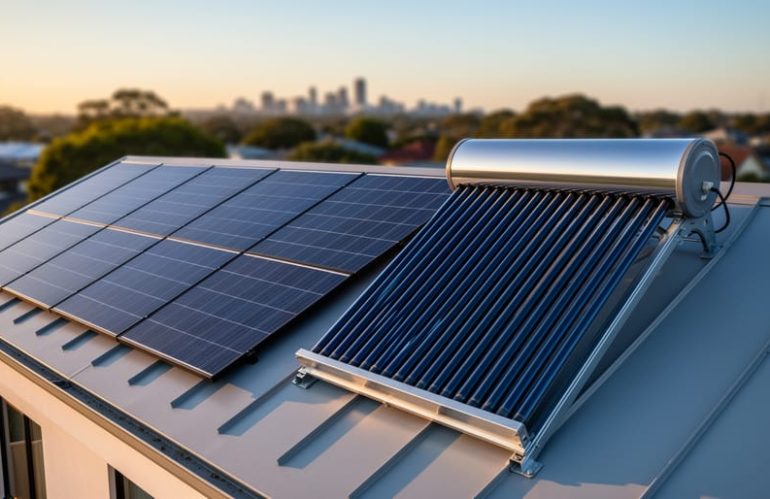
Your solar panels might be losing 10-25% of their power generation capacity on hot summer days, and most homeowners don’t even know it’s happening. While you’ve probably heard about solar photovoltaic (PV) panels that convert sunlight into electricity, there’s often confusion about solar thermal systems and how heat itself affects your investment.
Solar thermal energy systems capture the sun’s heat directly, typically to warm water or spaces in your home. These are completely different from the PV panels on most rooftops, which actually perform worse as temperatures climb. This temperature paradox catches many homeowners off guard: your panels produce electricity from light, but excessive heat reduces their efficiency significantly.
Understanding this distinction matters for your wallet. When you grasp how thermal management works in standard solar panel installations, you can make smarter decisions about system quality, warranty coverage, and whether emerging hybrid technologies that capture both electricity and usable heat make sense for your home. The good news? Modern solar installations include built-in thermal management features that protect your investment without adding complexity to your daily life.
This article cuts through the confusion about solar thermal versus photovoltaic systems, explains exactly how heat impacts your energy production and bills, and reveals which thermal considerations actually matter when choosing or maintaining your solar installation. You’ll discover that managing heat in your solar system isn’t about complex engineering—it’s simply about protecting the performance you paid for.
What Solar Thermal Energy Systems Actually Do
How Heat Collection Works
Solar thermal collectors work on a beautifully simple principle: dark surfaces absorb heat from sunlight. When the sun’s rays hit the collector, usually mounted on your roof, they warm up a dark absorber plate or tube inside. This absorbed heat then transfers to a liquid (typically water or a special antifreeze mixture) flowing through pipes within the collector.
Think of it like a garden hose left in the sun on a summer day. The water inside gets warm because the hose absorbs solar energy. Solar thermal collectors use this same concept but with purpose-built materials designed to maximize heat capture and minimize heat loss.
The heated liquid then travels to wherever you need it—your hot water tank, pool, or home heating system. Some systems circulate the heated fluid directly, while others use a heat exchanger to transfer warmth to your home’s existing water supply. The cooled liquid returns to the collector to be reheated, creating a continuous cycle.
The beauty of this technology is its efficiency at what it does: converting sunlight directly into usable heat. No electricity generation, no complex conversions—just straightforward thermal energy capture that can slash your water heating bills by 50-80% in optimal conditions.
Solar Thermal vs. Solar Panels: Two Different Jobs
Think of solar panels and solar thermal systems as teammates with different specialties. Solar panels convert sunlight directly into electricity to power your lights, appliances, and electronics. Solar thermal systems, on the other hand, capture heat from the sun to warm your water or heat your home.
Here’s the key difference: solar panels give you electricity, while solar thermal gives you hot water. They’re solving completely different problems in your home.
The good news? They’re not competing technologies. Many homeowners install both systems to maximize their energy savings. You might use solar panels to cut your electricity bill while solar thermal tackles your water heating costs, which typically account for 15-20% of home energy use.
Some newer hybrid systems even combine both technologies into a single unit, generating electricity while capturing waste heat for water heating. This dual approach can make sense if you have limited roof space but want comprehensive energy savings.
The bottom line: you don’t have to choose between them. Each technology excels at its specific job, and together they can dramatically reduce your overall energy costs.
Why Heat Management Matters for Your Solar Panels
The Temperature-Efficiency Connection
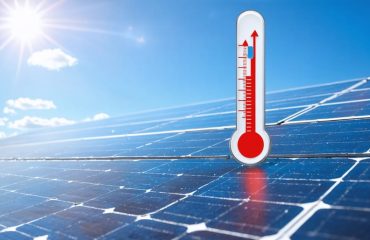
Here’s a surprising fact that catches many new solar owners off guard: solar panels actually lose efficiency as they heat up. While we think of sunshine as pure energy, the reality is more nuanced. For every degree your panels rise above their optimal operating temperature (typically around 77°F), they lose roughly 0.5% of their power output. On a scorching summer day when your rooftop panels hit 150°F or higher, that efficiency drop can reach 15-20%.
This means the sunniest days aren’t always your highest-producing days. Understanding how temperature affects panel efficiency is crucial because this heat penalty directly impacts your electric bill savings and return on investment. A panel rated at 400 watts in cool lab conditions might only deliver 320 watts during peak heat. Over months and years, this lost production adds up to real money left on the table. The good news? Modern thermal management solutions can help your panels stay cooler and maintain their rated output, protecting your investment and maximizing your energy independence.
Real-World Impact on Your Energy Bills
Let’s look at what this means for your wallet. A solar panel system losing 10-15% efficiency due to heat buildup translates directly to fewer savings each month. For a typical home system generating $150 in energy savings monthly, poor thermal management could cost you $15-22 per month, adding up to $180-264 annually.
Consider this real example: Two neighbors install identical solar systems. One has proper ventilation and cooling features, the other doesn’t. After five years, the well-managed system has saved its owner roughly $1,200 more in energy costs and maintains higher resale value. That difference grows even larger over a 25-year system lifespan.
The good news? Modern solar installations with built-in thermal management don’t necessarily cost significantly more upfront. Quality mounting systems that allow airflow, reflective backing materials, and strategic panel placement can prevent these losses without breaking your budget. When comparing quotes, ask installers specifically about their approach to keeping panels cool. The systems that seem like bargains today might end up costing you thousands in lost efficiency over time.
Thermal Management Strategies That Protect Your Investment
Built-In Cooling Features
Good news: quality solar panel installations automatically include several cooling features that work behind the scenes to protect your investment. These aren’t complicated add-ons, just smart design choices that professional installers use as standard practice.
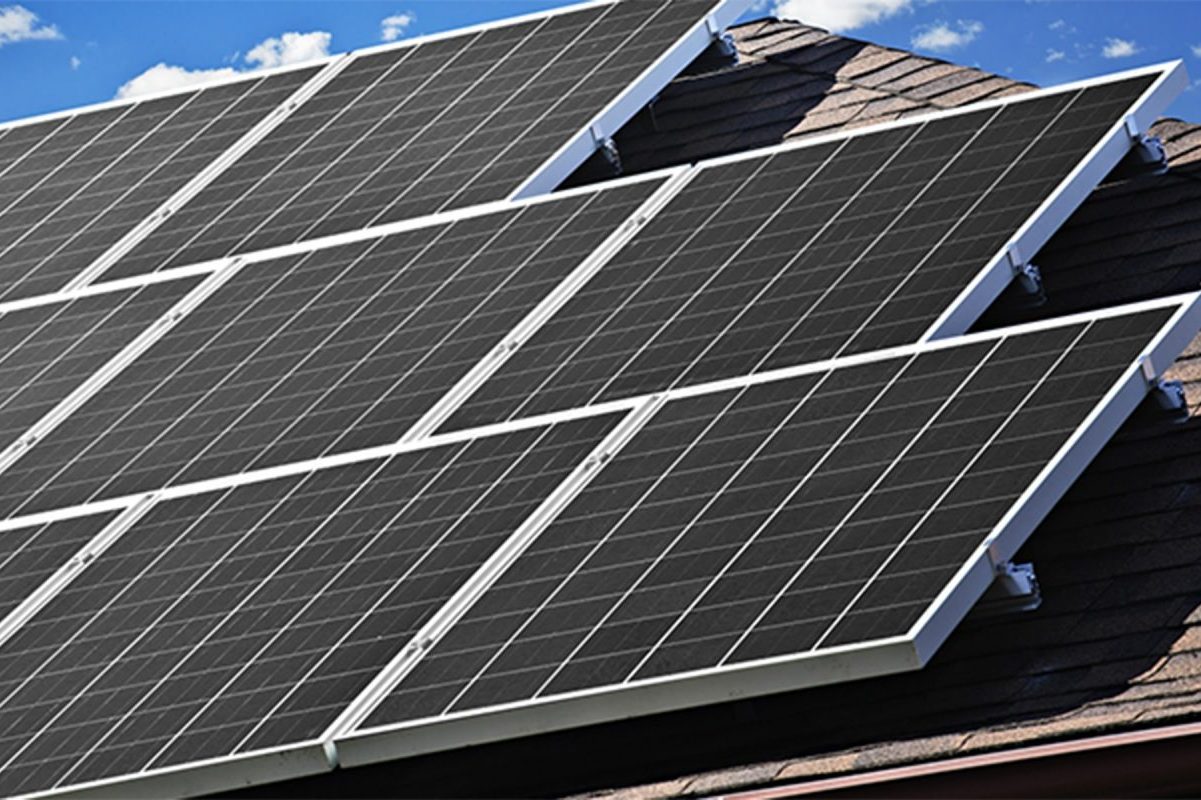
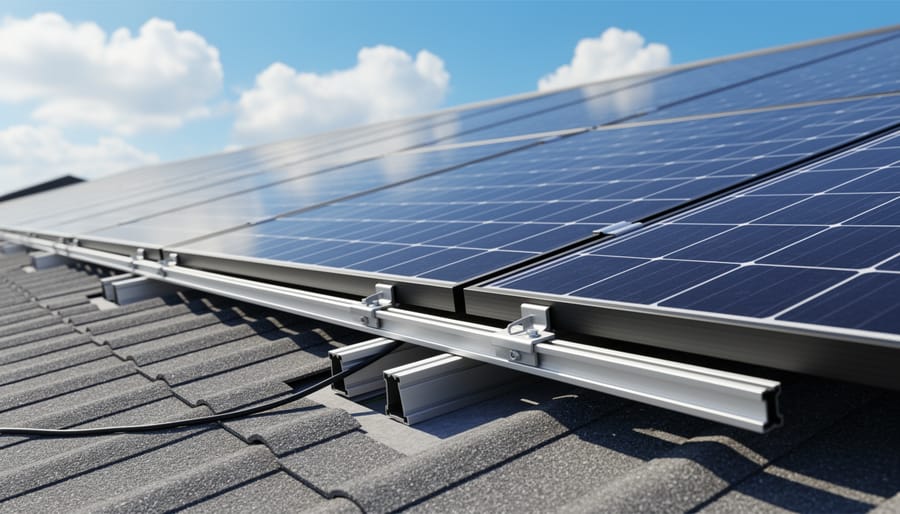
The most important is something simple called standoff mounting. Your panels sit several inches above your roof rather than lying flat against it. This gap allows air to flow freely underneath, whisking away heat naturally. Think of it like the cooling effect you feel when wearing a loose shirt versus a tight one on a hot day.
Professional installers also position panels to take advantage of prevailing winds in your area, creating natural ventilation pathways. The mounting rails themselves are designed with spacing that encourages airflow between individual panels, preventing heat from getting trapped.
These built-in cooling features typically keep your panels running 10-15 degrees cooler than they would without proper airflow, which translates directly to better performance and longer equipment life. The best part? When you work with a reputable installer, these cooling considerations are already factored into your system design at no extra cost. You’re simply getting a well-designed system that naturally manages heat through physics rather than fancy technology.
Material Choices That Make a Difference
Not all solar panels are built the same when it comes to handling heat. The quality of materials directly impacts how well your system performs on hot summer days, which ultimately affects your energy savings.
High-quality solar panels use premium-grade silicon cells that resist efficiency losses even when temperatures climb. These most efficient solar panels typically feature lower temperature coefficients, meaning they maintain more of their power output as they heat up compared to budget alternatives.
The frame material matters too. Aluminum frames with superior thermal properties help dissipate heat away from the panel surface more effectively than cheaper alternatives. This keeps your panels cooler and more productive throughout the day.
The backing sheet, which protects the panel’s rear side, also plays a crucial role. Advanced backing materials allow better heat release while maintaining durability and weather resistance. Some newer designs incorporate special coatings that reflect heat rather than trap it.
Investing in panels with quality materials means you’ll generate more electricity over your system’s lifetime, translating to greater savings on your energy bills and a faster return on your investment.
Smart Installation Positioning
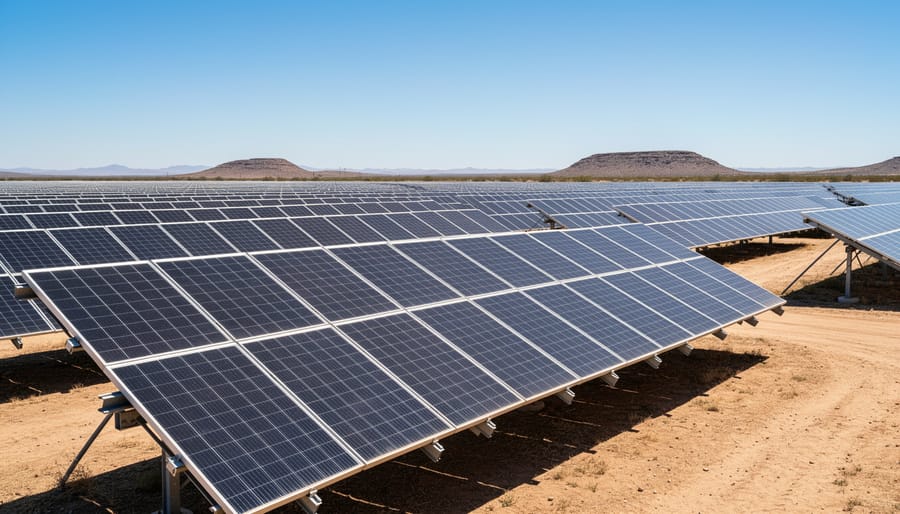
Professional installers know that proper positioning is one of the easiest ways to boost solar panel performance while keeping temperatures in check. The right angle ensures your panels capture maximum sunlight without trapping excessive heat underneath. Quality installers typically angle panels between 30-40 degrees in most climates, which promotes natural airflow and allows hot air to escape efficiently. They’ll also leave adequate spacing between your roof and the panels—usually 4-6 inches—creating a cooling channel that prevents heat from transferring to your home. Row spacing matters too, especially in ground-mount systems, where proper gaps prevent panels from blocking each other’s airflow. This smart positioning approach means your system runs cooler, lasts longer, and delivers better energy production year-round without any complicated technology or maintenance on your part.
Hybrid Systems: Getting the Best of Both Worlds

What Homeowners Can Actually Use Thermal Energy For
Solar thermal systems offer homeowners three practical, money-saving applications that directly reduce monthly utility costs. The most popular use is domestic water heating, which can slash your water heating bills by 50-80% year-round. Instead of relying entirely on your electric or gas water heater, solar thermal collectors capture the sun’s heat and transfer it to your home’s water supply.
Pool owners benefit significantly from solar thermal pool heating, extending swimming seasons by months without the hefty electricity bills associated with traditional pool heaters. The system circulates pool water through roof-mounted collectors, warming it naturally before returning it to the pool.
Space heating represents another valuable application, particularly in cooler climates. Solar thermal systems can preheat air or water for your home’s heating system, reducing furnace runtime and lowering heating costs during winter months. Some homeowners even combine these benefits with PV thermal panels, which generate electricity while capturing heat for practical use. These applications create meaningful savings that complement any solar investment strategy.
Is a Hybrid System Right for Your Home?
Hybrid solar thermal systems work best for homes with high hot water usage and sufficient roof space for both types of panels. If your family uses 50 or more gallons of hot water daily, a thermal collector can cut your water heating costs by 50-80%, paying for itself within 5-10 years depending on your local energy rates.
The decision becomes clearer when you consider your climate. Homes in sunny regions with year-round solar access see the fastest returns, though modern systems work surprisingly well even in cooler climates. You’ll also want at least 40 square feet of unshaded, south-facing roof space dedicated to thermal collectors.
However, thermal collection might not make financial sense if you have low hot water needs, limited roof space, or plan to move within five years. In these cases, sticking with standard photovoltaic panels alone often provides better value. Many homeowners find that upgrading to an efficient heat pump water heater paired with additional PV panels delivers similar savings with less complexity.
The good news? You don’t have to decide right away. Most homes can add thermal collectors later if your needs change, making it easy to start with PV and expand when it makes sense for your budget and lifestyle.
Myths About Solar Panels and Heat
Myth: Hotter Weather Means More Power
You might think blazing summer heat would supercharge your solar panels, but here’s the surprising truth: extreme heat actually decreases their efficiency. Solar panels perform best in sunny but cooler conditions. For every degree above their optimal temperature (usually around 77°F), most panels lose about 0.5% of their efficiency. That means on a scorching 95°F day, your panels could be producing 10% less electricity than on a mild, sunny spring afternoon. This happens because excessive heat interferes with the electrical flow within the panel cells. The good news? Quality panels with proper thermal management help minimize these losses, protecting your investment and keeping your energy savings on track even during heat waves. Understanding this helps you set realistic expectations for year-round performance.
Myth: All Solar Systems Have the Same Heat Issues
Not all solar thermal systems face the same heat challenges. The quality of your installation and the materials used play a crucial role in system performance and longevity. A professionally installed system with high-grade collectors, proper insulation, and quality pumps will manage heat far more effectively than a bargain setup. Premium materials resist corrosion better, maintain efficiency longer, and handle temperature fluctuations without degrading. When comparing quotes, don’t just look at the bottom line—ask about component specifications and installer certifications. A well-designed system with proper sizing for your household needs prevents overheating issues before they start. The good news? Investing in quality upfront means lower maintenance costs, better energy savings, and a system that performs reliably for decades. Your solar thermal investment protects itself when you choose proven materials and experienced installers.
Protecting your solar investment starts with understanding that proper thermal management isn’t just a technical detail—it’s the key to ensuring your panels deliver maximum savings for decades to come. When your system maintains optimal operating temperatures, you’ll see the performance and energy bill reductions you were promised, year after year.
The difference between a mediocre solar installation and an excellent one often comes down to whether your installer understands these thermal principles. Quality installers consider roof ventilation, appropriate mounting systems, and proper panel spacing as standard practice, not optional upgrades. They know that cutting corners on thermal management means cutting into your long-term returns.
As you explore solar options for your home, make thermal management part of your consultation checklist. Ask potential installers how they address heat buildup, what mounting techniques they use, and whether they’ve measured performance differences in local climate conditions. These questions signal that you’re an informed homeowner who values quality over the cheapest bid.
Your solar panels represent a significant investment in both your financial future and environmental impact. Ensuring they operate efficiently through smart thermal design means you’ll enjoy lower energy bills, contribute more clean energy, and maximize the return on your sustainable living choice.