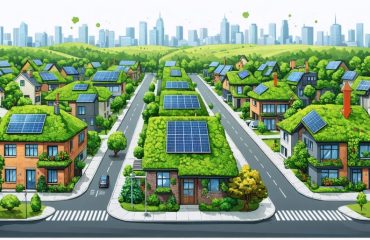
Brisbane homeowners are paying closer attention to comfort, running costs, and long-term resale value. That shift is one reason 3d rendering Brisbane work is becoming part of energy planning much earlier than before. Families comparing rooftop solar, batteries, shading devices, and glazing upgrades do not want to rely only on technical drawings or installer notes. They want to see the outcome. Clear, realistic previews turn a complicated retrofit into something they can judge with confidence. Strong architectural visualization in Brisbane makes those decisions easier by showing how the house will look, function, and feel after the upgrade. It also helps architects explain sustainable choices in a way that feels practical rather than abstract.
The Intersection Of Sustainability And Architectural Visualization In Brisbane
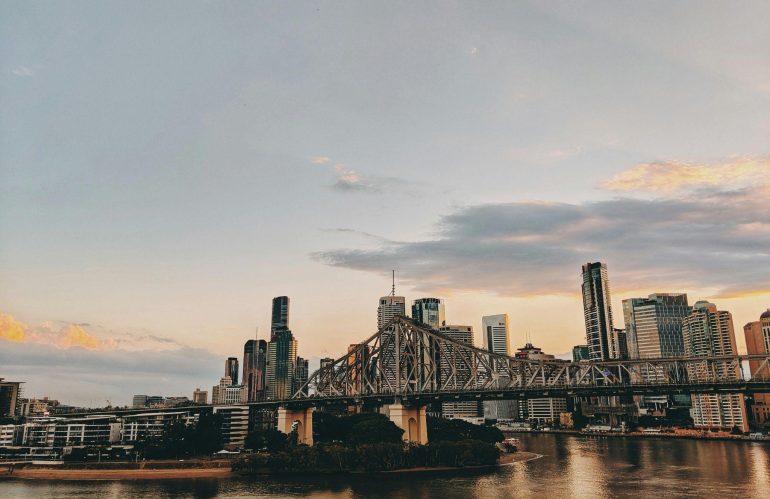
Energy efficiency is no longer a niche topic in Queensland housing. The Queensland Government says updated residential energy efficiency standards are expected to save an average of $185 a year across the state’s four climate zones. Brisbane also has strong solar conditions. The Bureau of Meteorology reports about 7.4 mean daily sunshine hours across the year, which makes roof orientation, shading, and summer heat control real design issues, not theoretical ones. In that setting, 3d rendering in Brisbane becomes more than a marketing extra. It becomes a planning tool. Homeowners want to know what changes, what improves, and what still feels like home before they approve major work. Visualization gives them that clarity in a form they can understand immediately.
Visualizing Solar Integration Without Compromising Aesthetics
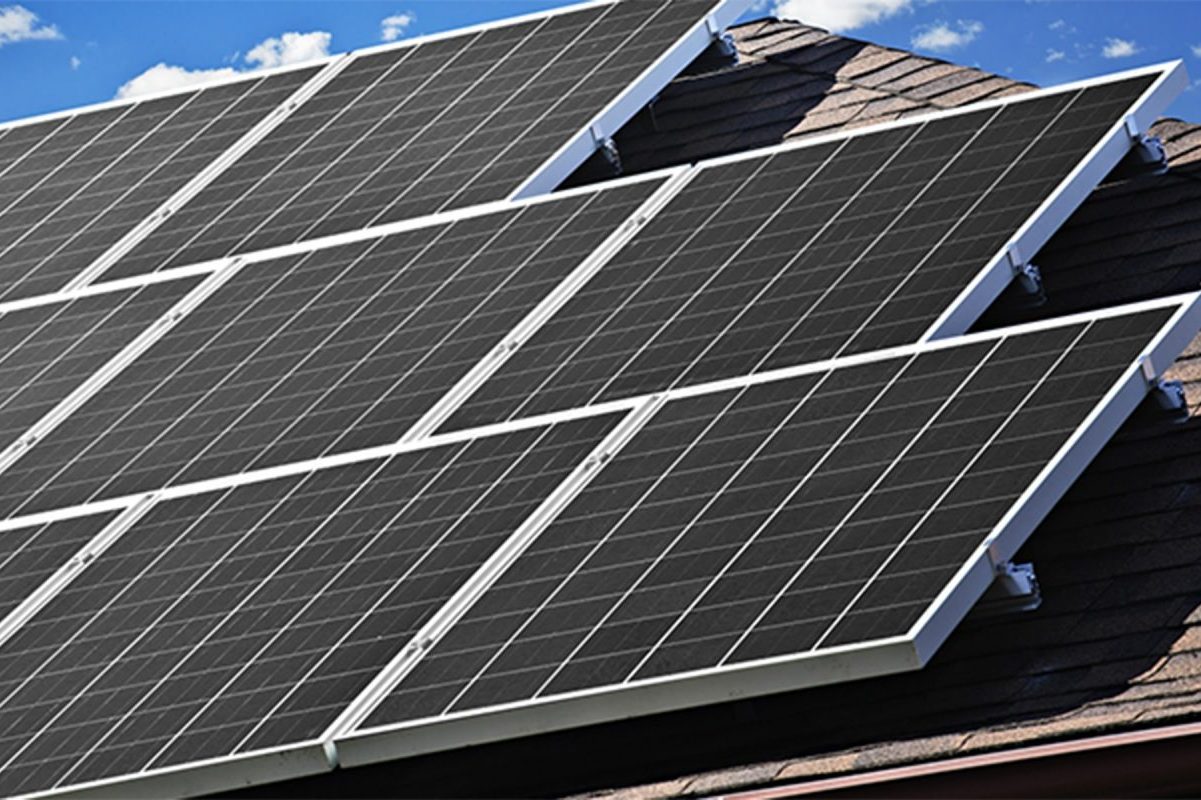
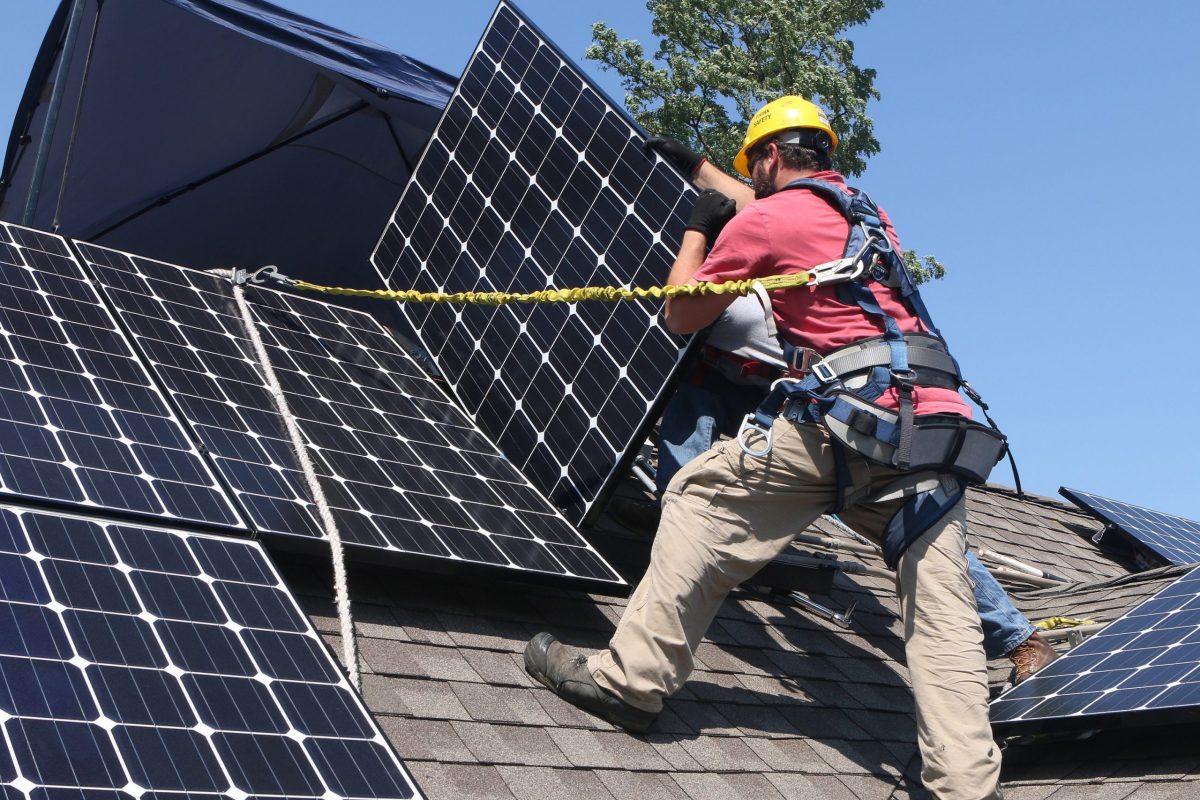
Solar is often the first step in a home energy upgrade, but the visual side can quickly become a concern. Roofs are not blank canvases. They carry ridges, valleys, skylights, and street-facing elevations that people care about. A skilled 3d rendering company in Brisbane can show several array layouts and make the trade-offs visible before installation starts. That matters because the highest-yield option is not always the one a homeowner wants to see from the street. Good renders help compare symmetry, clutter, conduit visibility, and the relationship between panels and the existing architecture. They also give designers room to test different roof finishes or mounting styles. The result is simple: a sustainable home that still looks intentional, balanced, and architecturally resolved.
Shadow Studies And Solar Pathing In 3D Environments
A useful solar render does more than place panels on a roof. It simulates how the sun moves and how shadows fall across the house through the day and across seasons. That is especially important in Brisbane, where neighboring homes, mature trees, and sloping sites can subtly affect energy harvest. A strong 3D architectural rendering in the Brisbane workflow lets homeowners see whether a single roof plane is productive year-round or only in part. That visual certainty is valuable. It shifts the conversation from guesswork to evidence. When a family can watch how light moves over the building, they understand why a recommendation is being made. It also helps installers and designers spot problems early, when changing the plan is still far cheaper than correcting it on-site.
Integrating Tesla Powerwalls And EV Charging Stations
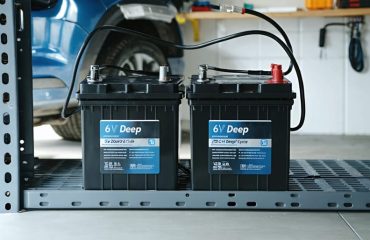
Energy transformation now includes far more than rooftop panels. Batteries, inverters, EV chargers, and upgraded switchboards can reshape garages, storage areas, and service spaces in ways that affect daily life. This is where 3d home renders in Brisbane become practical tools rather than sales visuals. A render can show whether a battery wall will reduce storage, whether cable paths can stay hidden, and whether a charger location still allows comfortable vehicle movement. It also helps families judge whether the setup feels neat or visually heavy. Most people want cleaner energy, but they do not want the utility zone of the house to look chaotic. When equipment is planned visually, the technical side of the home feels designed. That improves confidence and makes the final installation easier to live with.
Thermal Modeling And Passive Design Features
Not every performance upgrade plugs into a switchboard. In Brisbane’s subtropical climate, passive design can reduce heat gain before the air-conditioning turns on. Eaves, fins, louvres, glazing choices, and ventilation paths all influence comfort. A good 3d rendering service in Brisbane can show how these features affect light penetration and overheating at different times of year. That matters because passive solutions are easier to value when they are seen in context. A deeper overhang may sound minor on paper, but it feels more convincing when you can see how it protects a room in summer while still admitting softer winter light. Visualization helps homeowners understand that sustainability is not just about adding devices. It is also about shaping the building so that it works with the local environment rather than constantly fighting it.
The Strategic Advantages Of Pre-Visualization For Homeowners
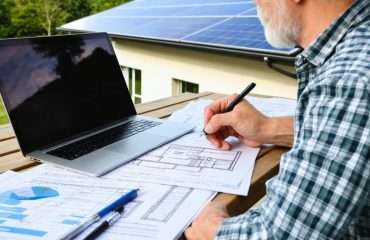
Pre-visualization brings technical and financial benefits that are easy to underestimate. It gives the homeowner, architect, electrician, solar installer, and builder a shared reference rather than separate interpretations. That saves time, reduces uncertainty, and supports cleaner decisions before anything permanent happens. It also helps with approvals, clearer pricing, and better sequencing between trades. For many households, realistic 3D renders in Brisbane are the point at which a vague upgrade finally starts to feel real and worth the investment.
1. They help with council or body corporate discussions by showing visible roof and façade changes clearly.
2. They allow owners to compare cleaner and more cluttered panel layouts before work begins.
3. They improve coordination between solar hardware, HVAC routes, and architectural finishes.
4. They reduce onsite mistakes by giving trades a more precise visual roadmap.
5. They create useful future sales material by documenting integrated green upgrades.
Streamlining Communication With Brisbane Contractors
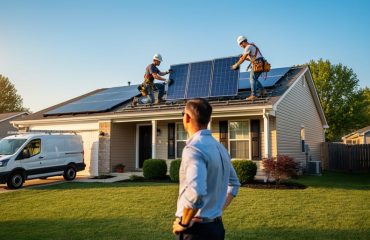
Many renovation problems begin with misunderstandings between good professionals working from different assumptions. One contractor expects exposed conduit. Another assumes it will be boxed in. The homeowner imagines one battery location, while the electrician sees another as safer or easier. Detailed 3D renders for developers in Brisbane, along with homeowner-focused visuals, reduce that friction by showing dimensions, equipment zones, orientations, and finish expectations in one place. Contractors can raise issues early, when changes are still manageable. Designers can update the model quickly and keep everyone aligned before materials are ordered. In a market where schedules are tight and trade time is expensive, that clarity matters. The render becomes a common language. It shortens explanation, lowers risk, and helps all sides feel that the project has a workable path from concept to installation.
The Psychology Of Seeing The Result
Energy upgrades can feel intimidating because much of the value sits inside systems most homeowners do not fully understand. A photorealistic model changes that. It lets people see the future version of the house in familiar terms: the roofline, the garage, the light in the kitchen, the way the front elevation still reads from the street. That visual proof lowers renovation anxiety and helps owners commit to decisions with less hesitation. It also supports better conversations around budget, because people can judge what feels worth paying for once they see the outcome. In that sense, visualization is not only technical communication. It is emotional reassurance. That is why architectural visualization in Brisbane has become so useful for sustainable housing projects where the final goal is not just lower bills, but a home that still feels calm, coherent, and personal.
Conclusion
A home energy upgrade works best when performance and appearance go hand in hand. That is why visualization has become such a valuable part of sustainable residential design. It turns solar placement, battery storage, passive cooling, and service coordination into something visible and understandable before construction starts. For homeowners, that means less uncertainty and fewer expensive surprises. For architects and installers, it means a clearer path from idea to reality. As energy costs, buyer expectations, and climate awareness continue to shape residential design, architectural visualization in Brisbane will only grow in value. The most successful projects will be the ones that combine performance with design clarity, and that is exactly where careful digital planning earns its place.