
Farming these days feels like walking a tightrope. Agro specialists are under huge pressure to produce more food while protecting the soil and environment. Nevertheless, there is an alliance of solar energy and space technology that might just make the job a little easier.
We call it “agrivoltaics“, a setup where farmers effectively pull double duty, harvesting both crops and energy from the same field. When you utilize land mapping with live satellite images in this mix, you get an operation that isn’t just efficient, it is tough enough to weather the changing climate.
The Dual Use of Land: Agrivoltaics
A decade ago, we had to choose whether we wanted to grow food or generate power on the fields. Agrivoltaics offers something new. It turns out that solar panels and crops can actually be perfect roommates. Instead of battling for acreage, they form a partnership that solves headaches for both the farmer and the grid.
- Microclimate Management: Plenty of crops hate baking in the full sun all day. Solar panels make partial shade that minimizes the chance of heat stress for sensitive plants like berries and leafy greens.
- Water Saving: Solar panels act like a shield against the harsh sun in dry areas as well. They keep moisture locked in the soil, allowing farmers not to water as often, saving a precious resource when it matters most.
- Renewable Energy On-Site: The energy produced runs the heavy equipment, like irrigation pumps and processing gear, cutting electricity bills way down. Plus, if there is leftover power, selling it back to the grid puts extra cash directly in the farmer’s pocket.
Harnessing Solar Power for Farm Efficiency
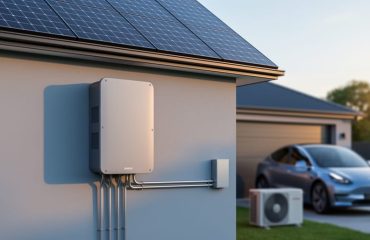
Solar energy is not only a “green” trend, but it is a smart financial strategy, because the biggest expense on a farm is bills for electricity and fuel. By generating their own power, farmers stop worrying about rising utility prices and reduce their dependence on the grid. We aren’t just talking about keeping the lights on, this power runs the heavy stuff, like irrigation pumps, milking robots, and the cooling systems needed to keep crops fresh.
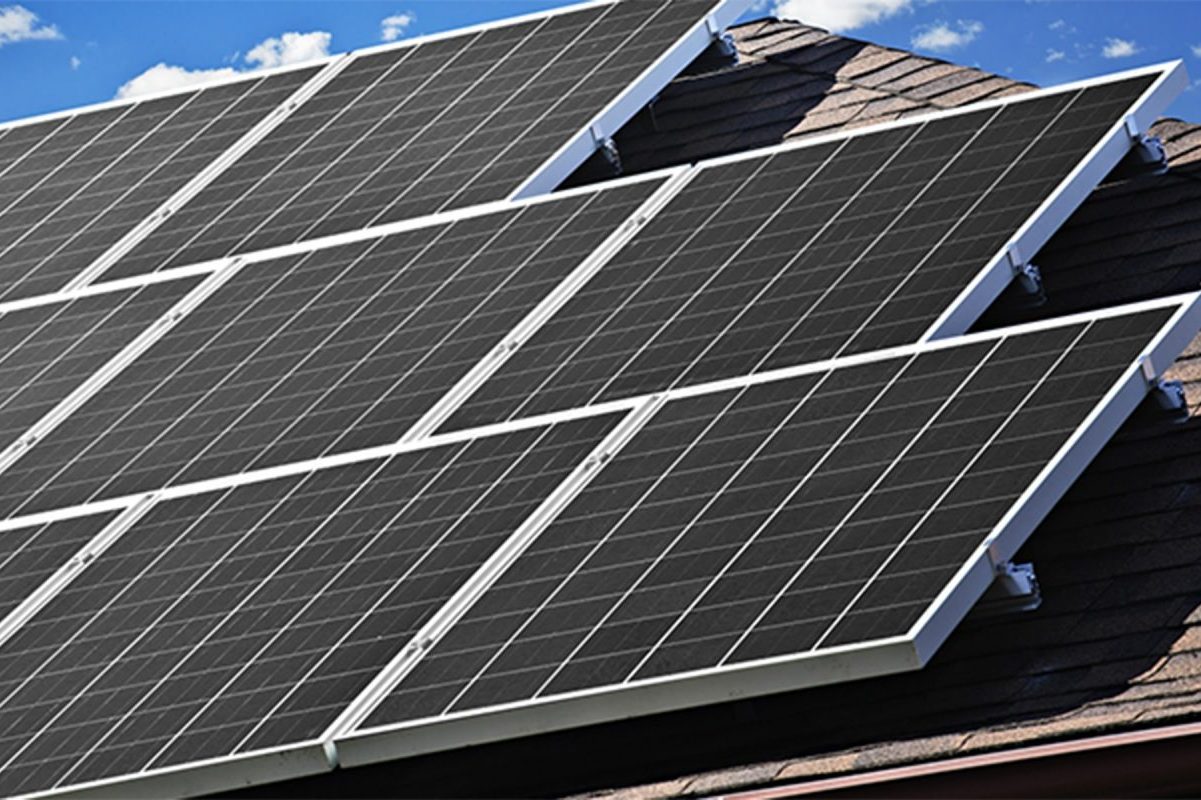
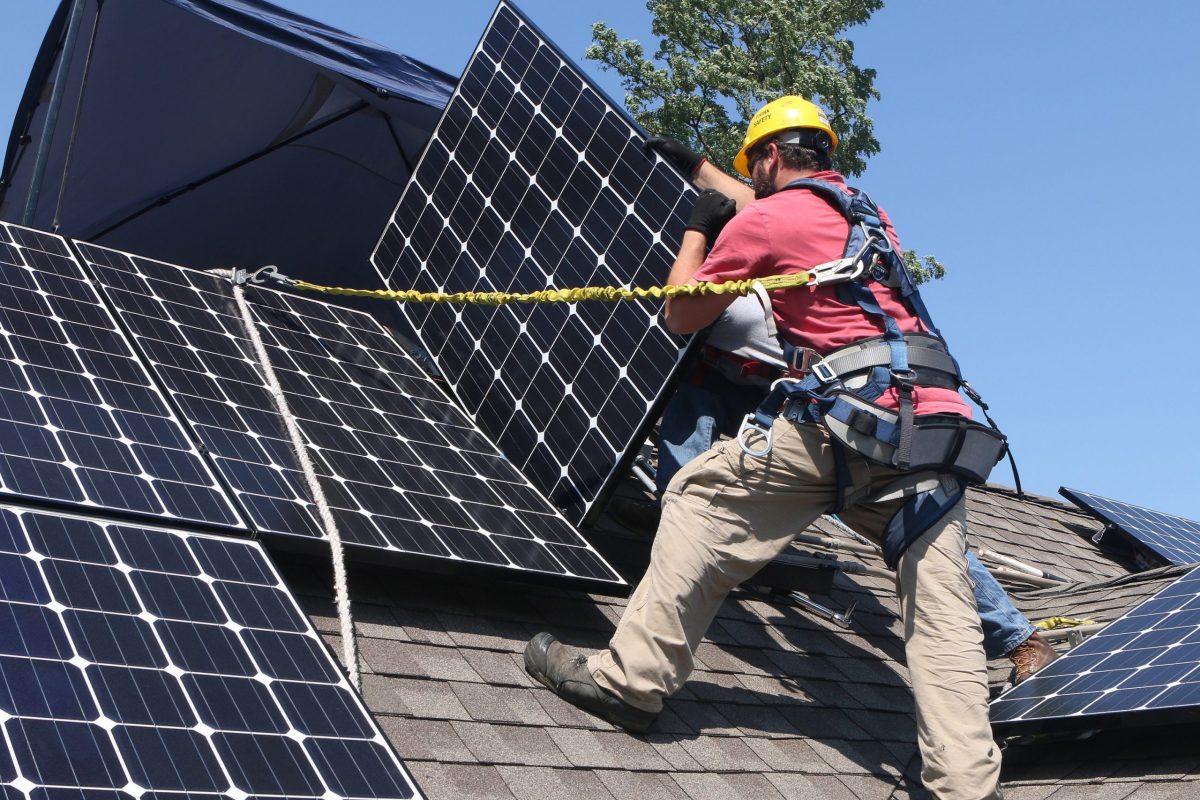
The flexibility of modern solar technology is surprisingly high. You aren’t limited to sacrificing prime growing soil; panels can be mounted on barn rooftops, installed on marginal land that doesn’t support crops, or even placed as “floatovoltaics” on irrigation ponds to reduce water evaporation. To get this layout right, site planners often analyze the most current satellite images to map out topography and shading history, ensuring every panel is positioned to capture peak sunlight without disrupting tractor paths.
- Cost Control: It cuts monthly bills down to size. Once the initial investment pays off, usually in 5 to 7 years, the electricity is basically free, offering long-term financial relief.
- Energy Security: Out in the country, the power grid isn’t always reliable. Solar gives farmers a steady source of power, so work doesn’t stop just because the lines go down.
- Market Appeal: Today, shoppers can track sustainable brands running on green energy, making them a more favorable purchase point.
Satellite Intelligence: Farming with Precision
If solar power is the farm’s muscle, satellites are its brain. By using a current satellite view, farmers can move beyond simple visual checks and start farming with “x-ray vision.” The key here is remote sensing and NDVI, technology that tracks plant health using light spectra we can’t even see.
This eye in the sky strips away the guesswork to reveal what is truly happening in the dirt:
- Early Detection: It spots trouble, like drought or disease, weeks before you would ever notice a single wilted leaf.
- Precision Inputs: Water and fertilizer are not wasted but go exactly where they’re needed. Now farmers can not spray their profits across the entire field.
- Advanced Analytics: It uses AI to pinpoint specific pest threats and forecast your yield numbers with scary accuracy.
The Power of Integration
Together, this is called Smart Farming 2.0, and this is real magic. Gadgets and tools are no longer separated but used in one ecosystem, combining the “muscle” of solar power with the “brains” of satellite data to make farms very efficient.
Picture a fully automated loop: solar-powered pumps turn on only when current satellite imagery shows the soil is too dry. This isn’t science fiction; it is a practical strategy that delivers. Machines can run only when necessary, weather changes are not so catastrophic, and smart conservation becomes possible with clean energy powers.
Building the Future of Agriculture
We are moving toward a farm that functions as a fully connected ecosystem where solar panels provide clean power and shade, satellites deliver critical real-time intelligence, and farmers stand at the center using that synergy to make smarter decisions.
For producers asking how to find current satellite images to start this journey, the good news is that these tools are becoming more accessible every day. This technological confluence is our best bet for cultivating not just better crops, but a resilient, sustainable future for the planet.