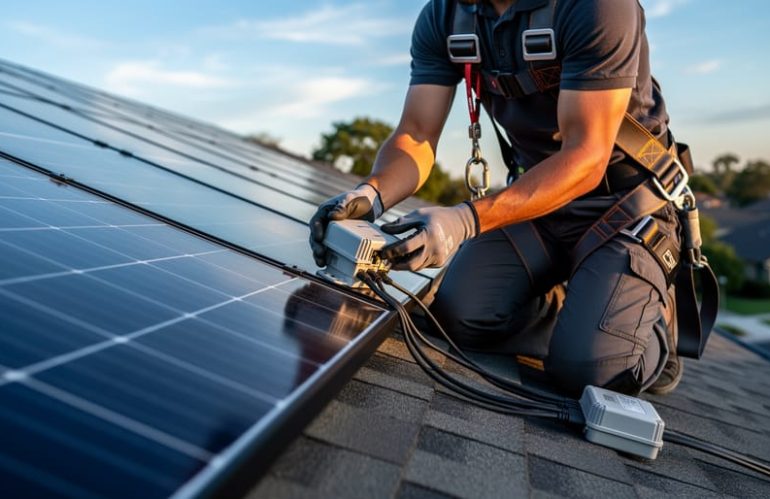
Your solar panels may be underperforming right now, but you don’t need to replace your entire system to fix it. Module-level power electronics (MLPEs) like microinverters and power optimizers can breathe new life into aging solar arrays, boosting energy production by 10-25% without the cost and disruption of a complete overhaul.
These smart upgrades attach to individual panels, eliminating the weak-link problem that plagues traditional string inverters. When one panel underperforms due to shade, debris, or age, it no longer drags down your entire system’s output. Instead, each panel operates independently at peak efficiency.
The compelling part? MLPE retrofits typically cost 40-60% less than new system installation while delivering comparable performance improvements. For homeowners facing partial shading issues, roof obstructions, or panels installed at different angles, these upgrades often pay for themselves within 3-5 years through increased energy production and extended system lifespan.
Whether your current system is five years old or fifteen, module-level electronics offer a practical middle ground between accepting diminished returns and investing in complete replacement. Understanding what these technologies do and whether they suit your specific situation can unlock thousands of dollars in untapped solar potential already sitting on your roof.
What Module-Level Power Electronics Actually Do
Think of your solar panels like musicians in an orchestra. In a traditional setup with a string inverter, all the panels are connected in a series—if one panel underperforms because of shade or debris, it drags down the entire group’s output. It’s like having one out-of-tune violin affecting the whole section’s sound.
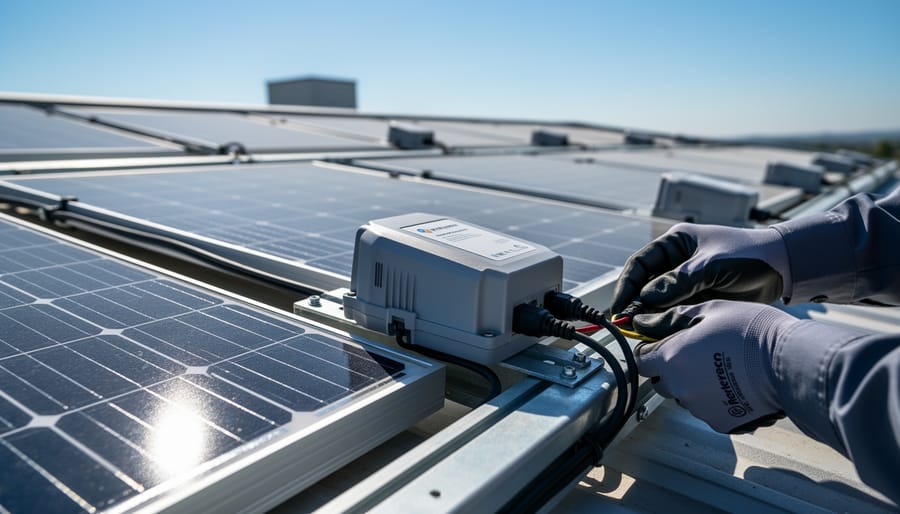
Module-Level Power Electronics, or MLPEs, change this dynamic completely. They come in two main types: power optimizers and microinverters. Both allow each solar panel to work independently at its maximum potential, regardless of what’s happening with its neighbors.
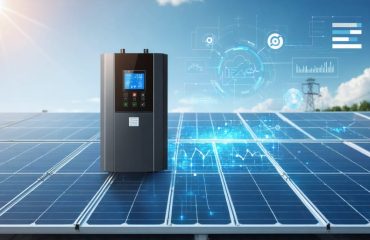
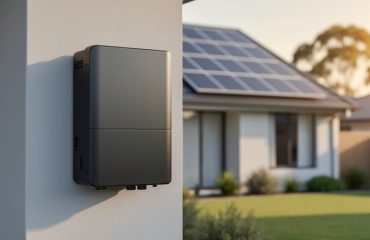
Power optimizers attach to each panel and condition the electricity before sending it to a central inverter. Think of them as individual tuners for each instrument, ensuring every panel contributes its best performance. Microinverters go a step further—they’re tiny inverters installed on each panel that convert solar energy directly to usable household electricity right on your roof.
Why does this matter for you? If a tree casts shade on two panels during morning hours, only those two panels are affected—the rest of your system keeps producing at full capacity. Without MLPEs, that partial shading could reduce your entire system’s output by 30% or more.
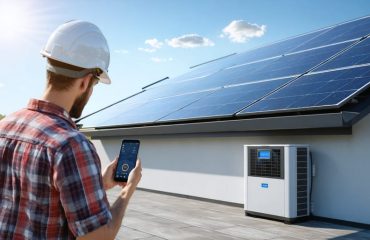
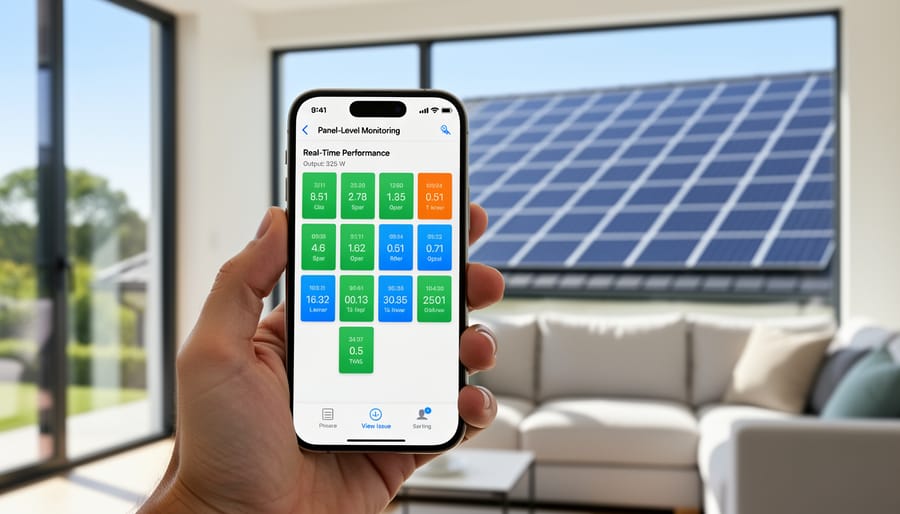
These upgrades also provide detailed monitoring, so you can see exactly how each panel performs through an app on your phone. Many solar inverter upgrades include this technology, transforming older systems into modern, efficient energy producers. The result? More electricity generated, lower bills, and better return on your solar investment.
Why Your Current System Might Be Leaving Money on the Table
If you installed your solar panels years ago, there’s a good chance they’re not delivering the energy—or the savings—you originally expected. The good news? It’s often not the panels themselves that are the problem.
Many older solar systems face hidden performance drains that chip away at your energy production month after month. One of the most common culprits is shading. Even a small shadow from a new tree branch or chimney can disproportionately impact your entire system if it uses traditional string inverters, where panels are wired together in series. When one panel underperforms, it drags down all the others on that string.
Panel mismatch presents another silent drain on efficiency. Over time, individual panels age at different rates depending on their position, exposure, and manufacturing variations. In a traditional setup, your system can only produce as much power as its weakest panel allows, meaning you’re losing the potential from your better-performing panels.
Then there’s aging equipment to consider. Inverters and other components naturally degrade over time, becoming less efficient at converting the sun’s energy into usable electricity for your home. While your panels might still look fine on the roof, the technology managing them could be costing you hundreds of dollars annually in lost production.
The reassuring reality is that these problems are fixable without replacing your entire system. Understanding where you’re losing money is the first step toward capturing those savings again.
The Real Benefits of Upgrading Your Electronics
More Power From the Same Panels
Here’s the real advantage: module-level power electronics can boost your system’s energy production by 5-25% compared to traditional string inverters, depending on your specific situation. Where does that increase come from? It’s all about optimization.
With smart solar upgrades like MLPEs, each panel works independently at its maximum potential. If you have partial shade from a tree, a chimney, or neighboring buildings, this technology prevents those shadows from dragging down your entire system’s performance. Even minor issues like dust buildup or slight panel-to-panel manufacturing differences get addressed individually rather than affecting everything.
Let’s talk dollars. A typical household system producing an extra 15% annually could mean 900-1,500 additional kilowatt-hours per year. At average electricity rates, that translates to $135-$225 in annual savings. Over the 25-year lifespan of your panels, you’re looking at thousands of dollars in additional value from equipment you’ve already installed.
The best part? Homes with challenging roof layouts, multiple orientations, or partial shading see the highest gains, often reaching that 20-25% improvement range.
Panel-by-Panel Monitoring That Actually Helps
When one panel underperforms due to shade, debris, or a manufacturing defect, you’ll know about it immediately instead of watching your electricity bills creep up mysteriously. Panel-level monitoring gives you a digital dashboard showing exactly how each individual panel performs throughout the day. If your northwest panels suddenly produce 20% less power, you can spot the issue right away—maybe a tree branch is casting unexpected shade, or leaves have piled up after a storm.
This visibility means faster fixes and less lost production. Without panel-level monitoring, you might not notice a problem until your annual system check, potentially losing months of energy generation. With it, you can address issues within days, sometimes even solving problems yourself with a quick cleaning. Think of it like having a check engine light for each solar panel rather than waiting for your entire car to break down before realizing something was wrong.
Built-In Safety Features You Didn’t Know You Needed
Modern power electronics bring welcome peace of mind alongside performance gains. These systems include rapid shutdown capabilities that automatically cut power flow within seconds during emergencies or maintenance. If firefighters ever need to access your roof, they can safely work without worrying about live electrical currents from your panels.
The technology also reduces fire risk through better monitoring. Instead of one inverter managing your entire array, module-level electronics detect potential issues at individual panels before they escalate. Overheating connections or damaged components trigger alerts, giving you time to address minor issues rather than discovering problems when they’ve grown serious.
Think of it as upgrading from smoke detectors to a full fire prevention system. You’re not just reacting to problems; you’re preventing them. These safety improvements also make your home more attractive to future buyers and may even qualify you for homeowner’s insurance discounts, adding another layer of financial benefit to your upgrade decision.
Is a Retrofit Upgrade Right for Your Home?
Not every solar installation needs an electronics retrofit, but many older systems stand to gain significantly. Before investing in an upgrade, take a moment to evaluate whether your system is a good candidate.
Start by considering your system’s age. If your panels were installed more than 8-10 years ago, you’re likely missing out on technological advancements that have become standard. Early solar systems often used basic string inverter technology without panel-level monitoring or optimization, meaning you have no visibility into individual panel performance.
Next, think about whether you’ve noticed performance issues. Are certain areas of your roof shaded during parts of the day? Do nearby trees cast shadows that weren’t there when you first installed your system? Have you experienced inverter failures or noticed your energy production declining faster than expected? These are telltale signs that module-level electronics could dramatically improve your output.
Your roof condition matters too. If your roof is in good shape and your panels have 15-20 years of productive life remaining, a retrofit makes excellent financial sense. You’ll maximize the value of your existing investment without the expense and disruption of a complete reinstallation.
Ask yourself these practical questions: Can I access my system’s performance data panel by panel, or just overall production numbers? Has my electricity bill been creeping up despite having solar? Am I planning to stay in my home long enough to enjoy the benefits of improved performance?
If you answered yes to performance concerns and have panels with plenty of life left, an electronics upgrade could be your most cost-effective path to better energy production. The good news is that retrofits work with most existing panel brands and configurations, making them accessible to a wide range of homeowners looking to breathe new life into their solar investment.
What to Expect During the Upgrade Process
The good news? Upgrading your solar system with module-level power electronics is far less complicated than you might think. Most installations are completed within a single day, and you’ll experience minimal disruption to your daily routine. Understanding what happens during the process helps you plan accordingly and feel confident about your investment.
Your installer will start with a system assessment to determine compatibility and identify the best upgrade approach for your specific panels. This typically happens before installation day and may involve a roof inspection and electrical system review. Once you’ve approved the plan, the actual installation begins with temporarily shutting down your solar system for safety purposes.
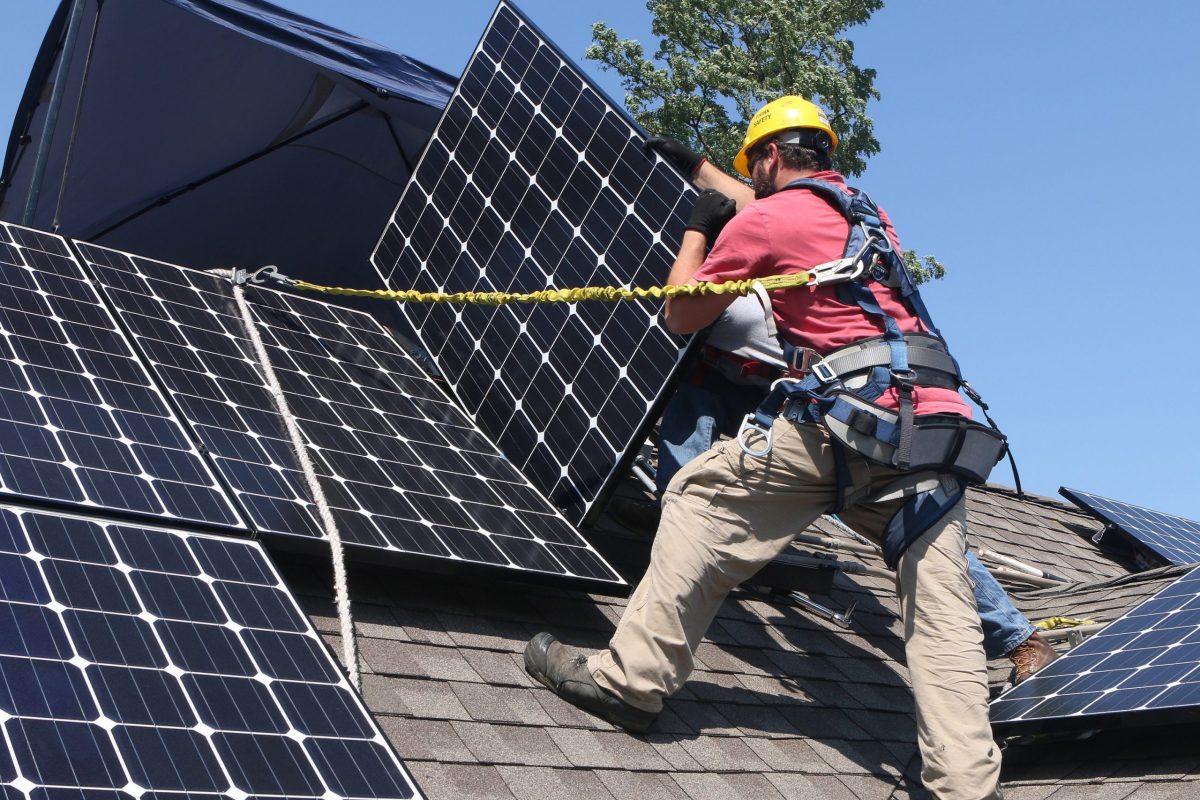
The physical work involves attaching optimizers or microinverters to each panel, which means your installer will need roof access. Most homeowners can continue their normal activities inside while the work happens. If you have a string inverter being replaced, there may be some brief indoor work for electrical connections. The entire process usually wraps up in 4 to 8 hours, depending on your system size.
Regarding costs, module-level electronics upgrades typically range from $2,000 to $5,000 for an average residential system. While this represents an upfront investment, the increased energy production often pays for itself within 5 to 7 years through higher electricity savings. When you factor in the extended lifespan of your solar investment and avoided replacement costs, the long-term financial picture becomes even more attractive.
Professional installation ensures your upgrade meets electrical codes and maintains manufacturer warranties. Your installer will handle permitting requirements, configure monitoring systems, and verify everything operates correctly before leaving. You’ll receive guidance on using your new monitoring tools to track individual panel performance and maximize your returns. Most importantly, you’ll have peace of mind knowing the work was done safely and correctly by qualified professionals.
Common Myths About Solar System Upgrades
If you’re considering upgrading your solar system, you’ve probably heard some discouraging stories. Let’s clear up the most common misconceptions so you can make an informed decision.
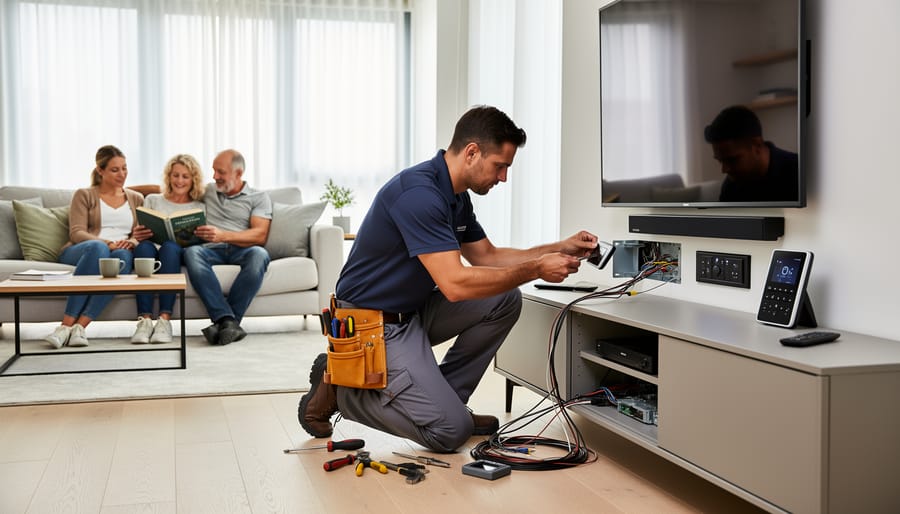
First, you don’t need to replace everything. Many homeowners worry that upgrading means tearing out their entire system and starting from scratch. The truth is, module-level power electronics can be added to your existing panels without replacing them. Your panels, mounting hardware, and even your inverter might work perfectly with modern upgrades. Think of it like adding a turbocharger to your car’s engine rather than buying a new vehicle.
Second, upgrades aren’t prohibitively expensive. While there is an upfront cost, you’re investing in specific components rather than an entire system. Most homeowners see a return on investment through increased energy production and reduced electricity bills within a few years. Plus, you’re maximizing the value of equipment you’ve already paid for rather than writing it off prematurely.
Finally, older systems can absolutely be upgraded. Even if your solar panels are 10 or 15 years old, they likely still have plenty of productive life left. Module-level electronics actually help older systems perform better by compensating for age-related efficiency losses and ensuring each panel works independently. Your aging system might just need a modern boost to deliver the performance you deserve.
Upgrading your solar electronics is one of the smartest investments you can make in your home’s energy future. Rather than replacing perfectly good panels, a simple electronics retrofit breathes new life into your existing system, delivering better performance, enhanced monitoring capabilities, and improved safety—all at a fraction of the cost of a complete replacement. These upgrades typically pay for themselves within just a few years through increased energy production and extended system lifespan.
The best part? You’re already ahead of the game. Your panels are installed, your roof work is done, and your system is connected to the grid. Electronics upgrades build on that foundation, maximizing your return on an investment you’ve already made. Whether your system is experiencing efficiency losses or you simply want to optimize performance, modern power electronics can transform how your solar panels work for you.
If you’re curious whether an electronics upgrade makes sense for your home, the first step is simple: get a professional system assessment. A qualified solar technician can evaluate your current setup, identify opportunities for improvement, and help you understand exactly what benefits you can expect. Your solar investment deserves to perform at its best.