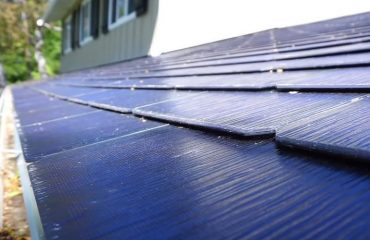
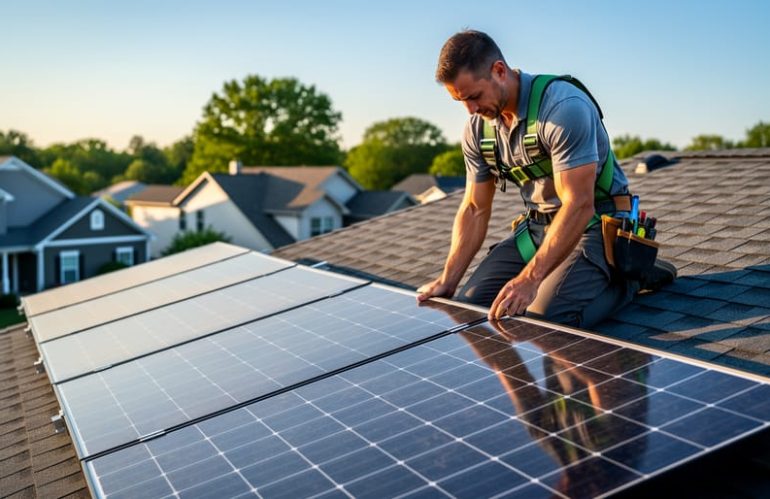
Your solar panels won’t last forever, but you don’t need to panic when they start showing their age. Most residential solar systems begin losing efficiency after 15-20 years, producing 10-20% less electricity than when they were new. If your energy bills have been creeping up or your system isn’t generating what it used to, upgrading might save you more money than you think.
The good news? Modern solar technology has improved dramatically since you first went solar. Today’s panels are more efficient, durable, and affordable than ever before. You have real options beyond replacing everything from scratch, and many upgrades pay for themselves faster than your original installation did.
Think of solar repowering like renovating your home rather than rebuilding it. You can keep parts of your existing system while upgrading the components that matter most. Your inverter might need replacement before your panels do. Your panels might still work fine but could be paired with newer technology for better performance. Sometimes a full replacement makes the most financial sense, especially with current incentives and financing options.
The decision to upgrade isn’t just about fixing what’s broken. It’s about maximizing your investment in clean energy and locking in decades more of reduced electricity costs. Understanding when and how to upgrade transforms an aging solar system from a fading asset into a renewed source of savings and energy independence.
What Happens When Solar Panels Age
The Signs Your System Needs Attention
Your solar panels work quietly on your roof every day, but knowing when they need attention can help you maintain optimal energy production and savings. Here are some straightforward signs that it might be time to consider an upgrade.
The most telling indicator is declining energy production. If you notice your electricity bills creeping up or your solar monitoring app shows lower output than usual—and you’ve ruled out seasonal changes or shading from new tree growth—your panels may be losing efficiency. Most systems experience gradual performance decline over time, which is perfectly normal.
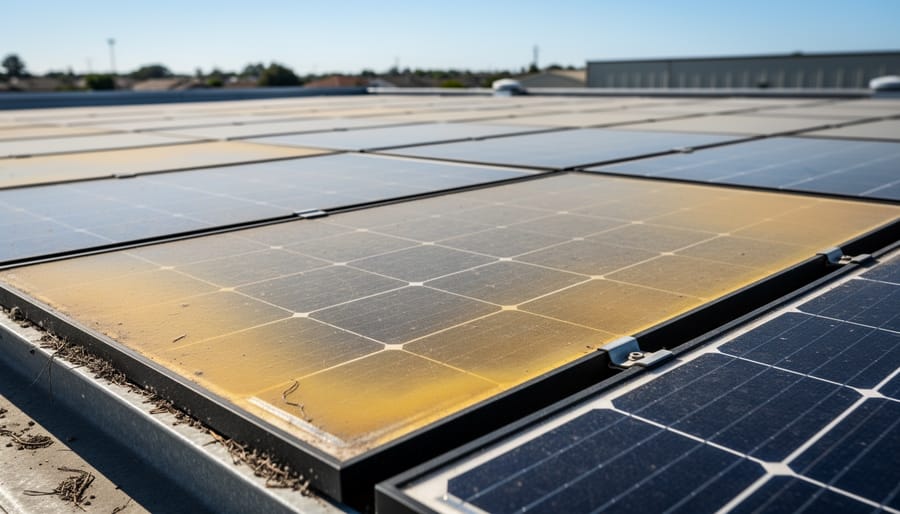
Physical damage is another clear signal. Take a peek at your roof occasionally. Cracks, discoloration, or delamination (when the panel layers separate) mean your system isn’t performing at its best. Even minor damage can significantly impact how much energy you’re generating.
Your inverter is the hardworking component that converts solar energy into usable electricity for your home. Strange noises, error messages, or a red warning light are all signs something needs attention. Since inverters typically need replacement before the panels themselves, understanding inverter lifespan and upgrades helps you plan ahead.
Modern monitoring systems make tracking performance simple. Pay attention to alerts or notifications—they’re designed to catch issues early. Consistent underperformance compared to your system’s expected output is worth investigating. The good news? Identifying these signs early means you can make informed decisions about upgrades that maximize your long-term savings and energy independence.
What Repowering Actually Means (And What It Doesn’t)
Panel Replacement: Getting More Power from the Same Space
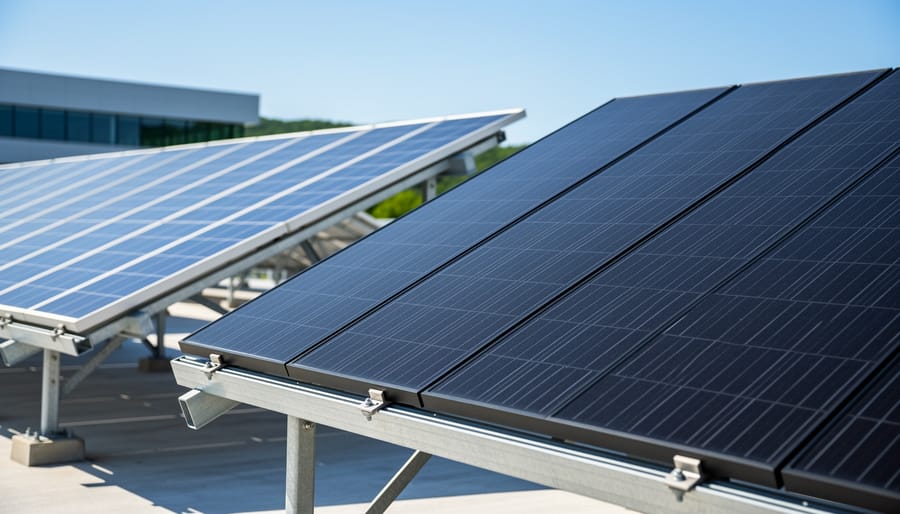
One of the most compelling reasons to upgrade your solar panels is the dramatic leap in efficiency that’s occurred over the past decade. If your system is 10-15 years old, modern panels can produce 30-50% more electricity from the exact same roof space. This means you can significantly boost your energy production without adding a single extra panel or expanding your installation footprint.
Here’s a real-world example: A typical solar panel from 2010 might have produced around 250 watts of power. Today’s standard residential panels routinely generate 400-450 watts, with premium models reaching 500 watts or more. That’s nearly double the output from panels of similar physical size. For a homeowner with a 20-panel system, this efficiency gain could mean jumping from a 5-kilowatt system to an 8 or 9-kilowatt system using the same roof area.
This increased efficiency translates directly to your wallet. More power generation means greater energy bill savings and faster payback periods on your investment. You’ll also be better positioned to handle increased household electricity needs, whether from new electric vehicles, home additions, or simply rising energy consumption.
The beauty of panel replacement is its simplicity. You’re maximizing what you already have rather than reinventing your entire setup, making it one of the most straightforward and cost-effective upgrade paths available.
Inverter Upgrades: The Brain of Your System
If your solar panels are the power plant of your system, think of your inverter as the brain—and this is one component where technology has made remarkable leaps forward. Older inverters, especially those from systems installed a decade ago, lack the intelligence and efficiency of today’s models.
Modern inverters do far more than simply convert DC power from your panels into usable AC electricity. They actively optimize energy production, adjusting to changing conditions throughout the day to squeeze every possible watt from your system. While your old inverter might operate at 92-94% efficiency, newer models regularly achieve 97-98% efficiency, which translates directly into more power and lower bills.
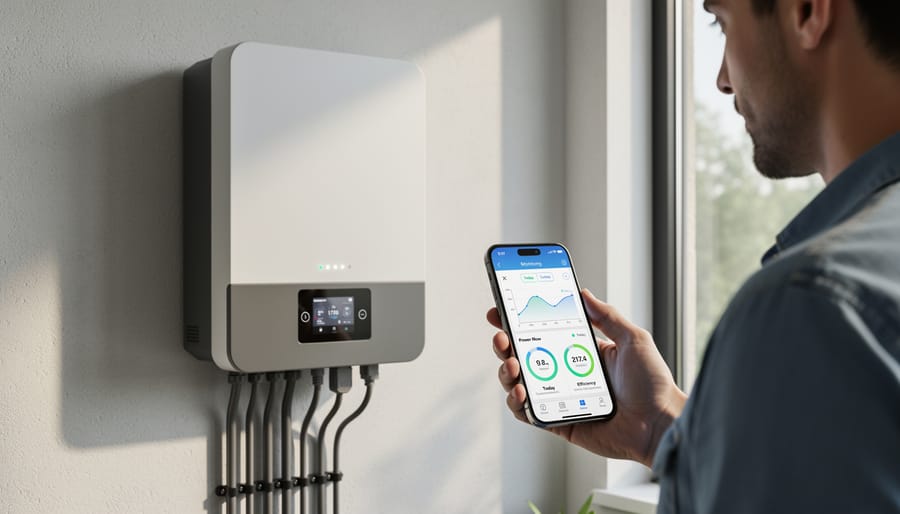
Perhaps the biggest game-changer is monitoring capability. Today’s modern inverter upgrades come with smartphone apps that show you real-time production, alert you to problems instantly, and even track your environmental impact. You’ll know exactly how much money you’re saving and can spot issues before they cost you serious energy loss.
Many homeowners discover that upgrading just the inverter boosts their overall system performance by 15-25%, making it one of the most cost-effective improvements you can make. Since inverters typically need replacement every 10-15 years anyway, upgrading to a smarter model when that time comes is a no-brainer that pays dividends immediately.
Adding Battery Storage to Aging Systems
When you’re already investing in a solar system upgrade, it’s the perfect time to consider adding batteries to your setup. Think of it as killing two birds with one stone—you’re already paying for installation labor and electrical work, so adding battery storage integration makes practical and financial sense.
Here’s why this timing works in your favor: Your new, more efficient panels will generate surplus energy during the day, and batteries let you store that power for evening use instead of sending it back to the grid. This means you can use your own solar energy when electricity rates are typically highest, maximizing your savings.
The financial benefits are compelling. Many utility companies are reducing compensation for excess solar energy sent to the grid, making battery storage increasingly valuable. You’ll also gain energy independence during power outages, keeping your lights on and refrigerator running when your neighbors are in the dark.
Installation costs drop significantly when batteries are added during a repowering project rather than as a separate upgrade later. You’ll avoid duplicate labor charges, permit fees, and electrical work. Plus, current federal tax credits apply to both your new panels and batteries when installed together, potentially covering 30 percent of your total investment. It’s an opportunity that simply makes too much sense to pass up.
The Financial Case for Repowering Your Solar Investment
Taking Advantage of Current Incentives
Here’s some good news: upgrading your solar panels can unlock the same financial incentives available to brand-new installations. Many homeowners mistakenly believe that incentives only apply to first-time solar buyers, but that’s simply not true.
The federal Investment Tax Credit (ITC) currently offers a substantial percentage back on your solar investment, and this applies to repowering projects as well. Whether you’re replacing old panels with new ones or adding capacity to your existing system, you can take advantage of these tax credit opportunities just like someone installing solar for the first time.
Beyond federal programs, many states offer their own incentives specifically designed to encourage solar upgrades. These can include rebates, performance-based incentives, or property tax exemptions. Your local utility company may also provide rebates for system improvements, especially if your upgrade increases overall energy efficiency or grid stability.
The key is timing. Federal incentives can change, and some state programs operate on a first-come, first-served basis with limited funding. Before you commit to an upgrade, research what’s currently available in your area. Many solar installers will help you navigate these programs and handle the paperwork, making the process surprisingly straightforward.
Remember, these incentives can significantly reduce your upfront costs, shortening your payback period and making the upgrade decision much easier. Combined with the energy savings from more efficient panels, you’re looking at a smart financial move that pays dividends for years to come.
What to Expect During a Repowering Project
Understanding what happens during a repowering project can help you feel confident about the process. Here’s what you can typically expect from start to finish.
The journey begins with a comprehensive assessment of your current system. A qualified solar professional will visit your home to evaluate your existing panels, inverter, mounting hardware, and electrical connections. They’ll measure your system’s current performance, inspect for damage or wear, and discuss your energy needs. This initial consultation usually takes a few hours and helps determine whether a full replacement, partial upgrade, or component swap makes the most sense for your situation.
Once you decide to move forward, your installer will design a customized solution and handle all necessary permits. The permitting process typically takes two to four weeks, depending on your local regulations. During this time, you won’t experience any disruption to your current system.
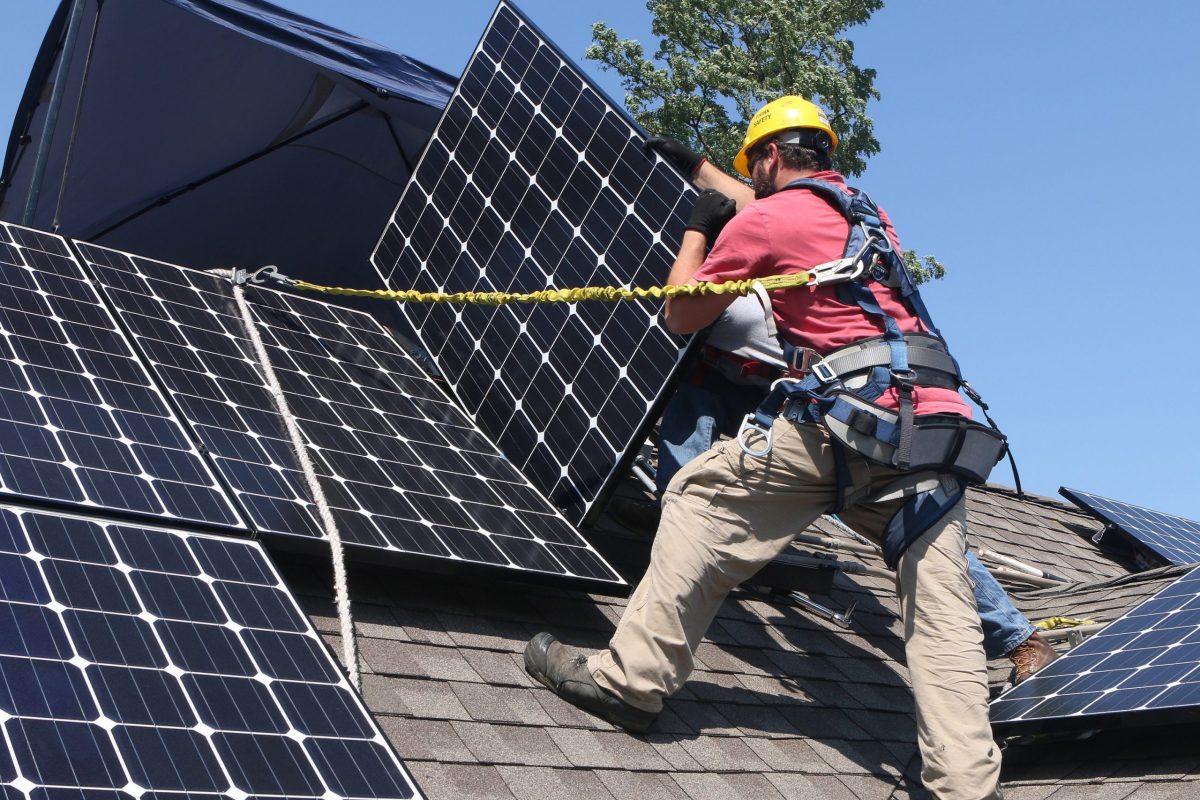
Installation day is surprisingly straightforward for most homeowners. A professional crew will arrive early morning and work efficiently to minimize downtime. If you’re replacing panels entirely, expect your system to be offline for one to three days. For inverter-only upgrades, the process often completes in a single day. The crew handles all the heavy lifting, literally—you simply need to provide access to your roof and electrical panel.
Your involvement is minimal but important. You’ll need to be available for a final walkthrough where the installer explains your new system’s features and monitoring capabilities. Most modern systems include smartphone apps that let you track energy production in real-time, giving you immediate visibility into your upgrade’s performance.
After installation, your new or upgraded system begins producing clean energy right away, often at significantly higher efficiency than before. The entire process from assessment to activation typically spans six to eight weeks.
Making the Right Decision for Your Home
Deciding whether to upgrade your solar panels comes down to a few key factors: the age and performance of your current system, your energy needs, and your budget. If your panels are more than 15 years old and showing noticeable drops in production, or if your energy usage has increased significantly since installation, repowering may make financial sense. On the other hand, if your system is relatively young and performing well, simple maintenance or minor repairs might be all you need.
Start by getting a professional assessment of your current system’s health. Ask contractors to test your panels’ actual output versus their rated capacity. A performance decline of 20% or more often signals it’s time to consider an upgrade. You should also inquire about the condition of your inverter, which typically needs replacement every 10-15 years regardless of panel performance.
When evaluating proposals from solar contractors, ask these important questions: What specific performance improvements can I expect? How long will the payback period be? Are there current rebates or incentives available? Will the upgrade increase my home’s value? And perhaps most importantly, what warranties come with the new equipment?
Compare multiple quotes and look beyond just the bottom-line price. The best proposal balances upfront costs with long-term savings, includes quality equipment with solid warranties, and comes from a contractor with proven experience and good references.
Consider your future plans too. If you’re thinking about adding an electric vehicle, heat pump, or home battery storage in the next few years, upgrading now to a larger, more efficient system might save you money in the long run compared to making multiple separate upgrades.
Remember, there’s no one-size-fits-all answer. The right decision aligns with your household’s energy goals, financial situation, and timeline. Take your time, gather information, and don’t hesitate to ask questions until you feel confident moving forward.
If your solar panels are showing their age, here’s the good news: this isn’t a problem—it’s an opportunity. Aging solar panels don’t mean your investment has failed. Instead, they signal the perfect time to reassess, upgrade, and unlock even greater benefits from your solar energy system.
Repowering your solar installation extends the life of your original investment while dramatically improving performance. Modern panels generate more electricity from the same roof space, meaning bigger savings on your energy bills and a faster return on investment. You’ve already done the hard work of going solar; now you can amplify those benefits with technology that’s more efficient and affordable than ever before.
Beyond the financial rewards, upgrading your system strengthens your contribution to a sustainable future. Every kilowatt-hour you generate from clean energy reduces reliance on fossil fuels and shrinks your carbon footprint. As panels become more efficient, your environmental impact grows even more positive.
Don’t wait until your panels fail completely. Take a proactive approach by assessing your system’s performance now. Check your energy production data, schedule a professional inspection, and explore your options. Whether you’re experiencing declining output or simply want to maximize your investment, repowering puts you back in control.
Your solar journey doesn’t end with installation—it evolves. Embrace the opportunity to upgrade, and you’ll enjoy lower bills, higher efficiency, and the satisfaction of powering your home with truly optimized renewable energy.