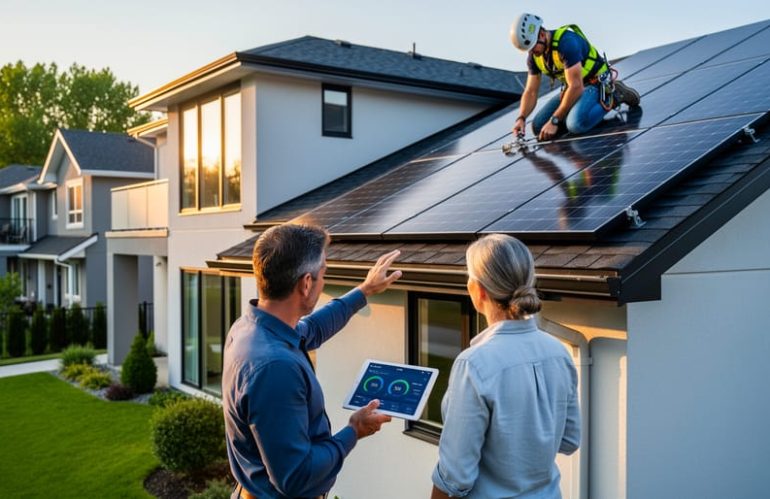
When you’re choosing a solar company to power your home, you’re not just buying panels—you’re entering a 25-year relationship with a business that will impact your finances, your property, and your environmental footprint. The five pillars of corporate social responsibility reveal which companies will treat you fairly and deliver on their promises, and which ones are simply chasing quick profits.
Corporate social responsibility isn’t just corporate jargon. It’s the framework that separates solar companies genuinely committed to helping homeowners from those cutting corners on installation quality, hiding fees in contracts, or disappearing when warranty issues arise. These five pillars—environmental stewardship, ethical operations, economic responsibility, philanthropic engagement, and stakeholder transparency—directly affect whether your solar investment delivers the savings and performance you expect.
Understanding these pillars helps you ask the right questions during consultations. Does the company use responsibly-sourced materials? Do they pay installers fairly, ensuring quality workmanship? Are their pricing structures transparent? Do they invest in your community? Will they still be around in a decade when you need service?
The solar industry has grown rapidly, attracting both mission-driven companies and opportunistic players. Companies demonstrating strong corporate social responsibility consistently deliver better customer experiences, higher-quality installations, and more reliable long-term support. By evaluating solar providers through these five pillars, you protect your investment while supporting businesses that share your values around sustainability, fairness, and community impact.
What Corporate Social Responsibility Really Means in the Solar Age
Corporate Social Responsibility sounds like fancy business-speak, but it’s really just a simple idea: companies should do more than make money. They should also care about their impact on people, communities, and the planet. Think of it as the difference between a neighbor who only looks out for themselves versus one who helps keep the whole neighborhood thriving.
Traditionally, CSR meant things like charitable donations or sponsoring local events. But the solar industry is rewriting this playbook entirely. Solar companies aren’t just adding responsibility as an afterthought, they’re built on it from the ground up. Their core product literally helps the environment, which means doing good isn’t separate from doing business.
Here’s what this shift means for you as a homeowner. When solar companies embrace genuine CSR, you get better equipment because they’re invested in long-term quality over quick profits. You get transparent pricing because ethical business practices mean no hidden fees or misleading sales tactics. You benefit from ongoing innovation as companies compete to create more efficient, affordable solutions rather than cutting corners.
The solar age has transformed CSR from a corporate checkbox into a competitive advantage that directly improves your experience. Companies that treat workers fairly tend to have better-trained installers who do quality work on your roof. Businesses that invest in their communities often provide superior local customer service. Organizations committed to environmental stewardship develop products that last longer and perform better.
This matters because when you’re choosing a solar provider, you’re not just buying panels. You’re partnering with a company for 25-plus years. Their values and practices will affect your system’s performance, your warranty experience, and ultimately, your energy savings for decades to come.
Pillar 1: Environmental Stewardship Beyond the Panels
Why Manufacturing Matters to Your Home Installation
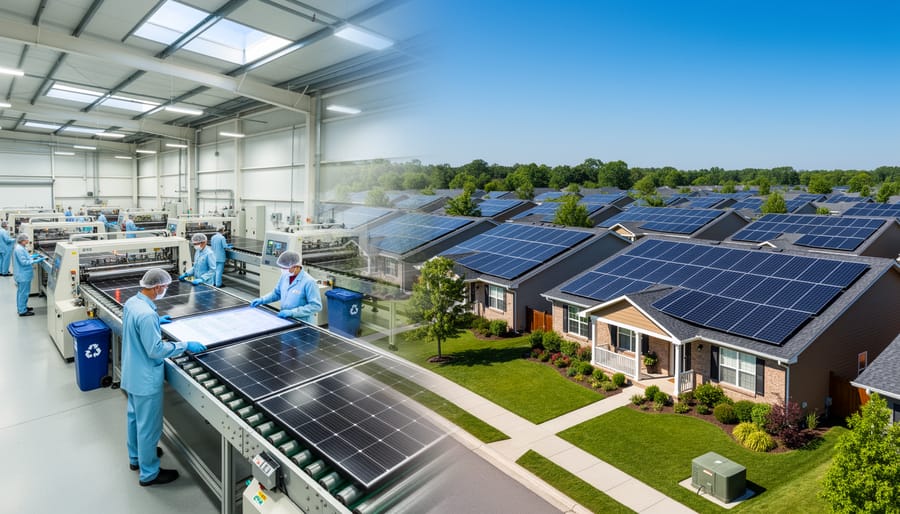
When solar manufacturers prioritize sustainable practices, you get better panels on your roof. It’s that simple. Companies committed to responsible manufacturing invest in quality control, cleaner production processes, and rigorous testing standards that directly benefit your home installation.
Here’s what sustainable manufacturing means for you: panels built to last longer, perform more efficiently, and withstand weather extremes. Manufacturers who care about their environmental footprint typically use higher-grade materials and advanced production techniques. They’re not cutting corners to save costs, which means fewer defects, better warranties, and panels that maintain their efficiency for 25 years or more.
You’ll also notice the difference in how these panels handle real-world conditions. Responsibly manufactured solar panels undergo extensive durability testing for temperature fluctuations, humidity, and mechanical stress. This attention to detail translates to fewer maintenance headaches and more consistent energy savings over time.
When you’re evaluating solar companies, ask about their manufacturing partners and production standards. A company transparent about its supply chain usually has nothing to hide. Sustainable manufacturing isn’t just good for the planet; it’s a quality indicator that protects your investment and maximizes your long-term savings.
The Real Cost of Cheap Solar Equipment
Here’s a common misconception: all solar panels deliver the same performance. The truth is, not all solar equipment is created equal. When companies prioritize corporate responsibility, they invest in quality materials and ethical manufacturing practices, which directly impacts what goes on your roof.
Cheap solar panels often come from facilities with questionable labor practices and use lower-grade materials that degrade faster. You might save a few hundred dollars upfront, but these bargain panels typically lose efficiency much quicker, meaning less energy production over time. They’re also more likely to fail before their warranty period ends, leaving you with expensive replacement costs.
Responsible solar companies source panels from manufacturers who meet rigorous environmental standards and fair labor certifications. These higher-quality panels maintain their efficiency for decades, maximizing your energy savings and return on investment. The difference shows up in your monthly electric bill and in how long your system continues delivering value.
When evaluating solar providers, ask about their equipment sourcing and manufacturing standards. A company committed to corporate social responsibility will happily share this information because they’re proud of their ethical supply chain. This transparency helps you make a choice that benefits both your wallet and your values.
Pillar 2: Ethical Labor and Fair Business Practices
How Fair Wages Create Better Installations
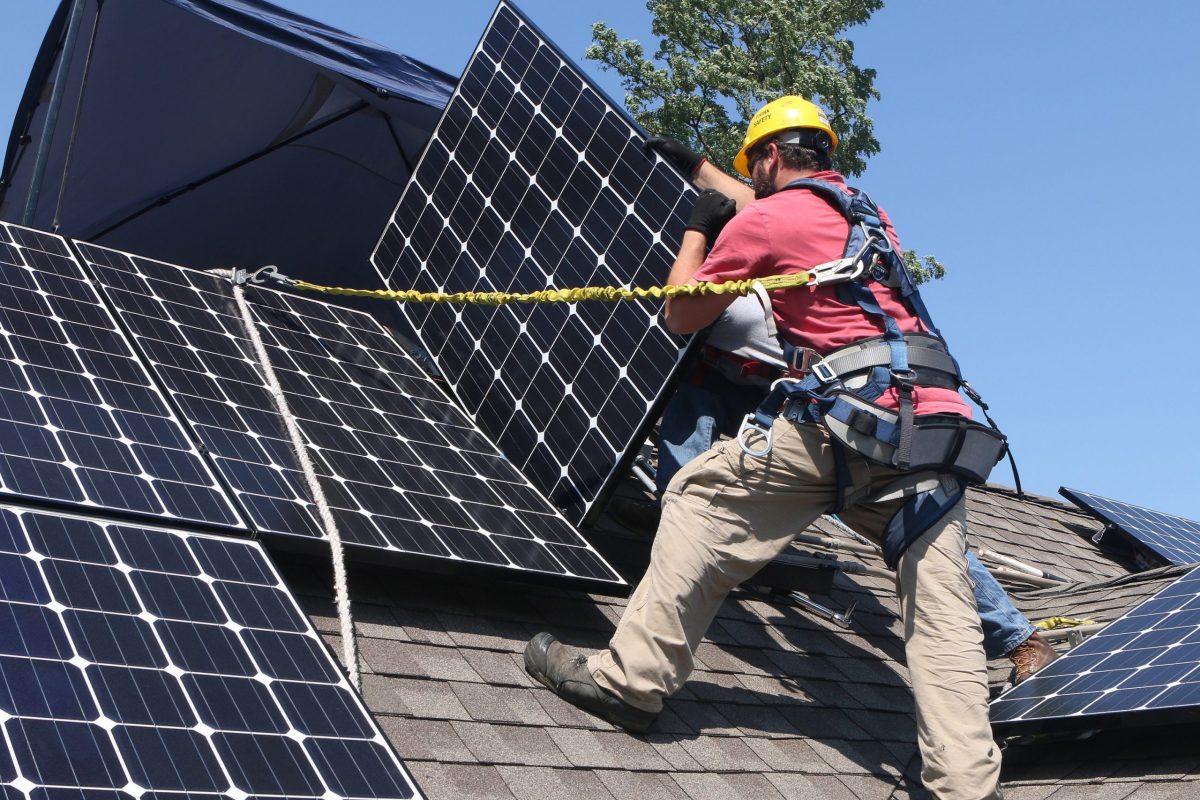
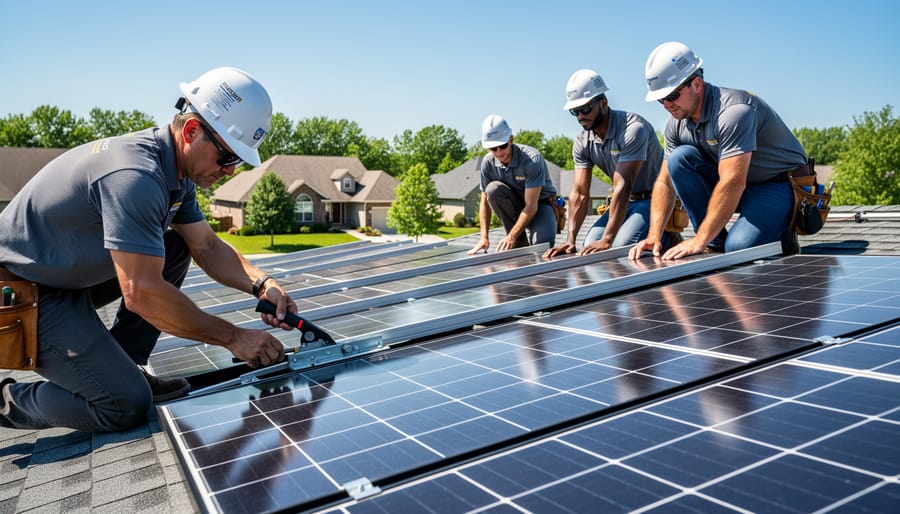
When you’re investing thousands of dollars in a solar installation, the skill of the crew matters enormously. Companies that pay their installers fairly attract and retain experienced professionals who take pride in their work. Think of it this way: a well-compensated installer is more likely to double-check connections, ensure panels are positioned for optimal energy production, and treat your roof with the care it deserves.
Fair wages also mean lower turnover, so your installation team has years of hands-on experience rather than learning on your dime. These seasoned professionals spot potential issues before they become problems, work more efficiently, and deliver installations that last decades without unexpected repairs.
For homeowners, this translates directly to better performance and fewer headaches. Your system generates the energy output promised, panels withstand weather extremes, and warranties actually mean something because the work was done right the first time. When choosing a solar company, ask about their installer compensation and training programs. Companies that invest in their workforce are investing in your long-term satisfaction and energy savings.
Transparency in Pricing and Contracts
When a solar company commits to transparency in pricing and contracts, you’re protected from unpleasant surprises down the road. Ethical businesses provide clear, itemized quotes that break down equipment costs, installation fees, and any additional charges upfront. You’ll know exactly what you’re paying for, without hidden fees buried in fine print.
This transparency means no pressure tactics or misleading claims about savings. Reputable solar providers explain your financing options in plain language, whether you’re considering a purchase, loan, or lease. They’ll walk you through realistic energy production estimates based on your specific roof and location, rather than inflating numbers to close a sale.
Clear contracts also protect your investment. You should receive straightforward warranties that specify what’s covered and for how long, along with maintenance responsibilities. Companies practicing ethical business conduct stand behind their work with service guarantees and responsive customer support.
This pillar of corporate responsibility directly impacts your wallet and peace of mind. When solar companies prioritize honest dealings, you can make informed decisions about your home’s energy future without second-guessing whether you’ve been treated fairly. It’s about building trust through straightforward communication and honoring commitments.
Pillar 3: Community Investment and Energy Access
Making Solar Affordable for Every Budget
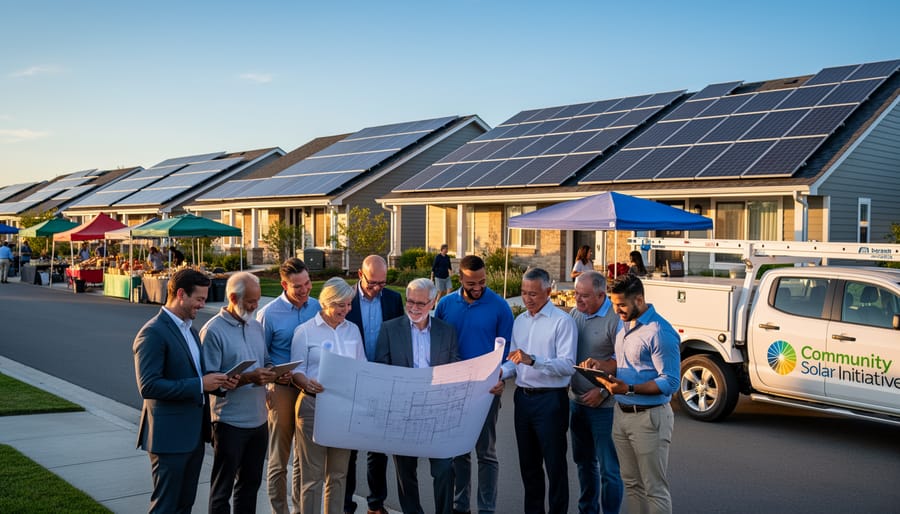
When solar companies embrace genuine corporate social responsibility, they create real pathways for everyday homeowners to go solar without breaking the bank. This commitment to accessibility translates into practical solutions that make clean energy achievable for various financial situations.
Responsible solar providers partner with multiple lenders to offer diverse financing options and incentives tailored to different budgets. From zero-down payment plans to low-interest loans, these programs eliminate the barrier of high upfront costs. Many companies also help homeowners navigate federal tax credits and state rebates, maximizing savings potential.
Beyond individual installations, socially responsible companies actively support community solar programs that allow renters and those with unsuitable roofs to benefit from solar energy. They also offer income-qualified programs and sliding-scale pricing structures, ensuring that sustainable living isn’t just for the wealthy.
This commitment to financial accessibility reflects a company’s genuine dedication to environmental justice and proves that corporate responsibility directly benefits your bottom line while expanding clean energy access for all.
Local Job Creation and Economic Benefits
When companies invest in solar energy, the benefits ripple throughout the community in meaningful ways. Corporate solar projects create jobs for installers, electricians, maintenance workers, and administrative staff right in your neighborhood. This local job creation means better employment opportunities for your friends, family, and neighbors.
Beyond employment, these investments strengthen the local economy. When businesses choose solar, they often partner with regional contractors and suppliers, keeping money circulating within the community. This creates a multiplier effect where every dollar spent on solar generates additional economic activity at local restaurants, shops, and service providers.
For homeowners, this economic growth translates into tangible benefits. A thriving solar industry means more competition among installers, leading to better pricing and service quality for residential customers. You’ll also find more trained professionals available to maintain and repair your system when needed. Additionally, as your community embraces renewable energy, property values often increase, creating long-term financial benefits for all residents while building a more sustainable local economy.
Pillar 4: Innovation and Long-Term Sustainability
Future-Proofing Your Home Solar Investment
When solar companies commit to responsible innovation, you benefit from solar panels and equipment designed to last decades, not just years. Companies that prioritize long-term research and development create systems that adapt to emerging technologies, meaning your investment won’t become obsolete as the industry evolves.
Think of it this way: responsible solar providers build products with upgrade potential. Your current system might integrate with future battery storage options, smart home technology, or grid improvements without requiring a complete overhaul. This forward-thinking approach protects your wallet and ensures you’re getting maximum value from your investment.
Companies dedicated to innovation also stay ahead of efficiency improvements. As solar technology advances, responsible manufacturers often offer retrofit options or warranties that allow you to benefit from newer developments. This means the panels you install today can remain competitive in performance for 25-30 years, not just the industry standard at installation.
By choosing providers who invest in research and continuous improvement, you’re essentially buying peace of mind. Your solar system becomes a genuinely future-proof asset that evolves alongside technological progress rather than getting left behind.
Pillar 5: Transparent Reporting and Accountability
Red Flags and Green Lights: Choosing a Responsible Solar Provider
When evaluating solar providers, look for companies that openly share their business practices and values. Start by checking their website for information about where they source equipment—responsible companies will highlight partnerships with manufacturers who maintain fair labor standards and environmental certifications.
Red flags include vague promises, pressure tactics, and reluctance to provide references from past customers. Be cautious of companies that can’t explain their supply chain or seem focused solely on closing the sale quickly.
Green lights shine bright when providers offer transparent pricing breakdowns, detailed warranty information, and clear explanations of their installation process. Look for companies with strong local community ties, positive employee reviews, and involvement in sustainability initiatives beyond just selling solar panels.
Ask potential providers direct questions: How do they train their installers? What happens to old equipment? Do they support local environmental programs? Companies committed to social responsibility will welcome these conversations and provide straightforward answers. Remember, choosing a solar provider is a long-term relationship—their values and business practices will impact your experience for decades to come.
Why Corporate Responsibility Saves You Money
Choosing a solar company that takes corporate social responsibility seriously isn’t just about feeling good—it directly impacts your wallet and your overall experience. When a company commits to all five pillars of CSR, you’re getting more than panels on your roof; you’re getting a partner invested in your long-term success.
Companies with strong environmental practices use higher-quality materials and proven installation methods because they care about their reputation and longevity. This translates to fewer repairs, better energy production, and panels that actually last their promised 25-30 years. You’ll spend less on maintenance and maximize your return on investment.
When your installer treats workers fairly and sources materials ethically, you avoid the hidden costs of cutting corners. Companies that exploit workers or use questionable supply chains often deliver subpar service and disappear when problems arise. Responsible companies stick around to honor warranties and handle issues promptly, saving you thousands in potential repair costs down the road.
The governance and transparency pillar means you get honest quotes without hidden fees or bait-and-switch tactics. You’ll know exactly what you’re paying for and can confidently access local solar programs and incentives that reduce your upfront costs. Transparent companies help you navigate rebates and tax credits effectively, putting more money back in your pocket.
Community-focused solar companies understand local building codes, weather patterns, and utility requirements. They design systems optimized for your specific area, maximizing energy production and avoiding costly compliance issues. Plus, their commitment to innovation means you benefit from the latest efficiency improvements and smart technology integration.
The bottom line? Socially responsible solar companies deliver better value, fewer headaches, and greater peace of mind. Your investment is protected, your savings are maximized, and you can enjoy clean energy without worrying about your installer cutting corners or disappearing when you need support.
When you choose to go solar, you’re not just making a decision about energy—you’re choosing a partner who will be with you for decades. The five pillars of corporate social responsibility aren’t just industry buzzwords; they directly shape your experience as a homeowner. Companies committed to economic responsibility deliver fair pricing and transparent contracts without hidden fees. Those prioritizing legal compliance ensure your installation meets all safety standards and building codes. Environmental stewardship means your panels are sourced sustainably and installed with minimal impact. Philanthropic engagement shows a company invests in your community’s future. And ethical responsibility guarantees you’ll be treated fairly, with honest assessments of whether solar truly makes sense for your home.
The bottom line? Responsible solar companies don’t just talk about sustainability—they live it in every interaction with customers like you. They won’t oversell you on system sizes you don’t need or promise unrealistic savings. They’ll stand behind their work with solid warranties and responsive customer service years down the road.
As you explore solar options for your home, ask potential installers how they embody these five pillars. Request references, check their community involvement, and read customer reviews carefully. The right solar partner will eagerly share their values and prove their commitment to responsible business practices. Your investment deserves nothing less than a company that puts people and planet alongside profit—because that’s how solar energy creates lasting value for your home and our shared future.