Your solar panels currently waste over 50% of the sun’s energy as heat. Imagine if they could capture that lost energy instead—your electricity bills could drop by half, and your home could generate power even on cloudy days. This isn’t science fiction. Hot-carrier photovoltaics represent the next leap in solar technology, promising to double the efficiency of rooftop panels while using the same amount of space you already have.
Here’s what matters for your home: traditional solar panels convert only about 20-25% of sunlight into electricity because they can’t harness high-energy photons effectively. Hot-carrier cells capture these energetic particles before they lose power as heat, potentially pushing efficiency past 65%. For a typical household, this means generating 12-15 kilowatt-hours daily instead of the current 6-8 kilowatt-hours from the same roof area.
The technology is advancing rapidly in research labs worldwide, but realistic installation timelines sit around 8-12 years away. This leaves you with a practical decision: waiting means missing a decade of energy savings, while today’s panels pay for themselves in 6-8 years and last 25-30 years. Understanding where hot-carrier technology stands helps you make smart choices about your home’s energy future right now.
What Makes Hot-Carrier Solar Panels Different
The Energy Your Current Panels Are Wasting
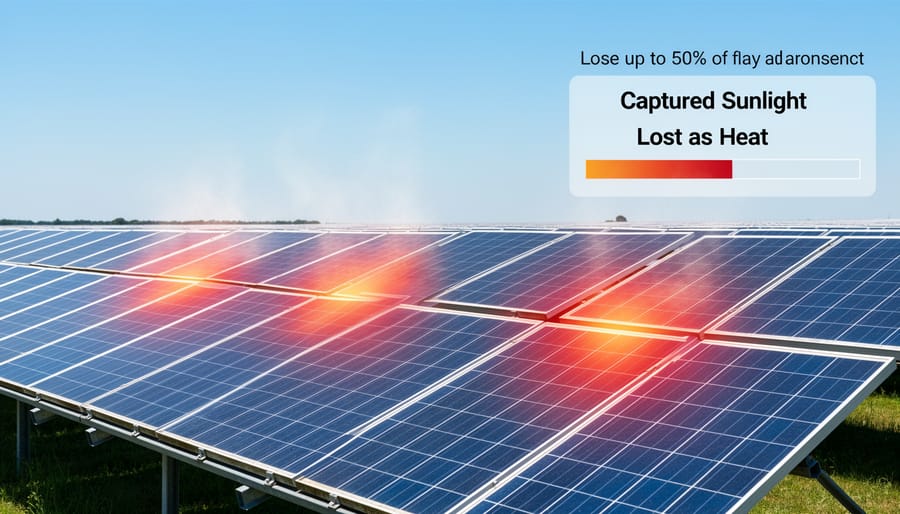
Here’s a surprising fact about how solar panels work: your current rooftop system is likely losing up to 50% of the sunlight it captures. Not because they’re broken or poorly installed, but because that’s simply how conventional solar technology operates.
When sunlight hits your panels, it creates heat as a natural byproduct of the energy conversion process. This excess heat doesn’t just disappear harmlessly—it actually reduces your panels’ efficiency and represents wasted energy potential. Think of it like running your car’s engine: the heat coming off isn’t doing useful work, it’s just escaping into the air.
For the average homeowner, this means you’re only converting about 15-20% of available sunlight into usable electricity. The rest? Lost as heat. On a typical residential system, that translates to hundreds of dollars in potential annual savings that simply warm the air above your roof instead of powering your home. Understanding this limitation helps explain why researchers are so excited about breakthrough technologies that could capture and use this wasted energy.
How Hot-Carrier Technology Recaptures That Loss
Think of traditional solar panels like a car engine that only runs efficiently at one speed. When sunlight hits a panel, it creates energized electrons (the “hot carriers”) that quickly cool down before they can be fully used—like losing momentum. Most of that initial energy escapes as heat, which is why current solar panels typically convert only 15-22% of sunlight into electricity.
Hot-carrier technology aims to capture those energized electrons before they lose their punch. It’s similar to catching a ball at its highest point rather than waiting for it to drop. By harvesting the electrons while they’re still “hot” and energized, these advanced panels could potentially convert up to 66% of sunlight into usable electricity—roughly triple what today’s rooftop systems achieve.
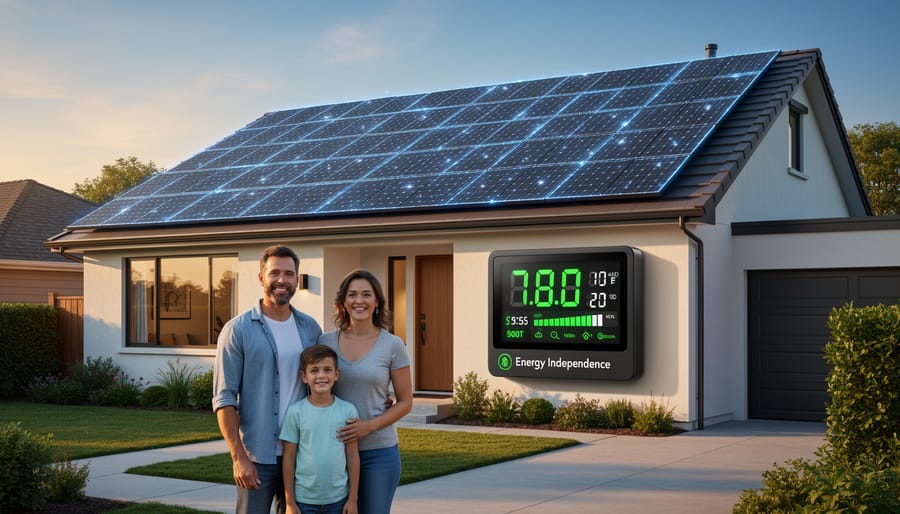
For homeowners, this translates directly into more power. The same roof space could generate significantly more electricity, potentially covering your entire energy needs with fewer panels. That means lower bills, faster return on investment, and greater energy independence—all from the same sunshine hitting your home today.
Real-World Benefits for Your Home
Twice the Power From the Same Roof Space
Here’s the practical benefit that matters most: higher efficiency panels mean you can generate significantly more electricity from the exact same roof area. If you’ve been worried that your home doesn’t have enough suitable roof space for solar, improved efficiency technologies are changing that equation entirely.
Consider a typical scenario. Older solar panels might have produced enough energy to cover 60-70% of a household’s electricity needs given available roof space. Today’s more efficient panels can meet 100% of those same energy needs using identical roof area. For homeowners with smaller roofs, challenging angles, or shade limitations, this advancement transforms solar from “not quite enough” to “perfectly adequate.”
The flip side is equally exciting. If you already have ample roof space, higher efficiency means you can generate surplus energy. Many homeowners are now producing more electricity than they consume, sending excess power back to the grid for credits that further reduce their energy bills. Some are even achieving net-zero status or better, essentially eliminating their electricity costs entirely.
This efficiency improvement removes one of the most common barriers to solar adoption: space constraints. You no longer need a massive, perfectly-oriented roof to make solar work for your household.
Faster Payback on Your Solar Investment
One of the most exciting aspects of improved solar panel efficiency is how it directly impacts your wallet. When your panels convert more sunlight into electricity, you’re generating more power from the same roof space, which means you’ll see returns on your investment much sooner than with older technology.
Here’s the simple math: if today’s high-efficiency panels produce 20-30% more electricity than panels from just a few years ago, you’re offsetting more of your utility bill each month. That extra production adds up quickly. A system that might have taken 10 years to pay for itself a decade ago could now reach that milestone in 6-8 years, depending on your location and energy rates.
Beyond monthly savings, increased production opens the door to earning credits through net metering programs. When your efficient panels generate more electricity than your home uses, many utility companies will credit your account for that excess power. These credits can offset your bill during cloudy periods or high-usage months, creating a safety net that maximizes your financial benefits year-round.
The beauty of this equation is its compounding effect. Higher efficiency means more power, more power means bigger savings, and bigger savings mean your panels pay for themselves faster. After that payback period, you’re essentially enjoying free electricity while your neighbors continue paying rising utility rates. For homeowners focused on both environmental responsibility and financial sense, that accelerated timeline makes solar more attractive than ever.
Where Hot-Carrier Technology Stands Today
The Path From Lab to Your Rooftop
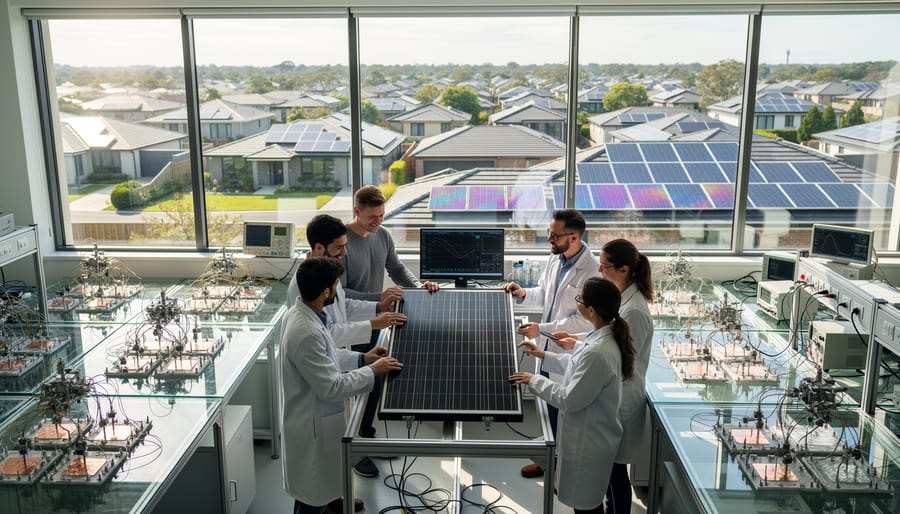
Here’s the reality: hot-carrier solar panels aren’t something you’ll find at your local installer next month. This technology is still in the research phase, with scientists working through significant engineering challenges. Most experts estimate we’re looking at 5 to 15 years before commercial versions become available, assuming the technical hurdles get solved.
That said, progress is happening. Research labs worldwide are testing promising materials and designs, and funding for this technology continues to grow. When these panels do hit the market, expect them to arrive gradually—likely starting with specialized applications before becoming widely available for residential use.
So what should you do now? If you’re considering solar, don’t wait. Today’s panels are excellent investments that typically pay for themselves within 6 to 10 years. When hot-carrier technology eventually arrives, you’ll likely be ready for your next upgrade anyway. Think of it like buying a smartphone—you don’t skip the current model just because a better one is coming someday. The money you save on energy bills today is real, while future technology remains uncertain.
Why Today’s Solar Panels Are Still Worth It
If you’re considering solar panels today, here’s the good news: you’re not making a mistake by moving forward now. Current solar technology is mature, proven, and already delivers substantial savings on your energy bills from day one. While hot-carrier and other emerging technologies sound exciting, they’re likely decades away from reaching your rooftop.
Today’s panels typically pay for themselves within 6-10 years and last 25-30 years, meaning you’ll enjoy nearly two decades of essentially free electricity. Waiting means losing out on years of savings and environmental benefits you could be enjoying right now.
Even better, solar systems are designed to be modular and upgradable. When next-generation technologies like innovative panel designs become available, you can often add them to your existing setup rather than replacing everything. Your current inverter and mounting infrastructure will likely accommodate future additions, making upgrades straightforward and cost-effective.
Think of it this way: buying solar today is like planting a tree. The best time was yesterday, but the second-best time is now. You’ll start harvesting benefits immediately while remaining perfectly positioned to adopt improvements as they arrive.
How This Innovation Fits Into Solar’s Future
Hot-carrier solar cells represent just one exciting development in an industry that’s constantly evolving. The solar sector has a remarkable track record of making steady improvements—today’s panels are more efficient, more affordable, and more reliable than ever before. While emerging solar technologies like hot-carrier cells and quantum dot solar cells promise even better performance, waiting for the next breakthrough is a strategy that rarely pays off.
Here’s the reality: solar technology improves incrementally every year, which means there will always be something better on the horizon. If you keep waiting for the perfect panel, you’ll miss years of energy savings and environmental benefits. Current solar panels are already incredibly effective, with typical home installations paying for themselves in seven to twelve years and lasting 25 to 30 years or more.
Think of it like waiting to buy a computer because next year’s model will be faster. Meanwhile, you’re missing out on all the work you could be accomplishing today. The same logic applies to solar—the best time to install is when it makes financial sense for your household, not when technology reaches some theoretical peak.
Hot-carrier cells and other innovations will eventually make their way into consumer products, likely improving the options available when you need to replace your system decades from now. But the solar panels available today are proven, reliable, and backed by strong warranties. They’re already saving homeowners thousands of dollars annually while reducing carbon footprints. That’s not a future possibility—it’s a current reality worth embracing.
The future of solar energy is undeniably bright, with innovations like hot-carrier photovoltaics promising even greater efficiency in the years ahead. However, the exciting developments on the horizon shouldn’t hold you back from taking advantage of today’s proven solar technology. Current solar panels are more affordable, efficient, and reliable than ever before, delivering immediate savings on your energy bills while reducing your environmental footprint.
The best time to go solar is when it makes financial sense for your unique situation. If you’re already seeing high electricity costs and have suitable roof space, today’s systems offer excellent returns on investment without waiting for future breakthroughs. For those who prefer to watch and learn, staying informed about emerging technologies will help you make smart decisions down the road.
Whether you choose to install panels now or continue researching, the solar revolution is here to stay. The technology will only improve, but that doesn’t diminish the value of acting today. Evaluate your current energy needs, explore available incentives, and make the choice that aligns with your financial goals and environmental values. Either way, you’re contributing to a cleaner, more sustainable energy future.