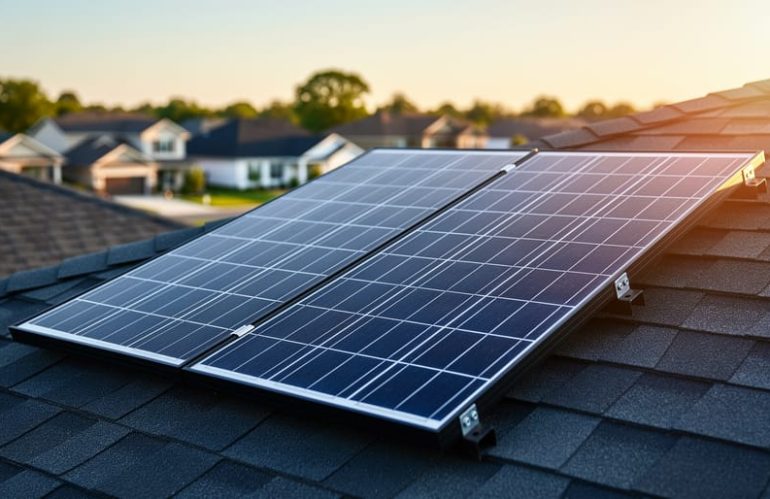
A 100-watt solar panel won’t power your entire home, but dismissing it as inadequate means missing one of the smartest entry points into solar energy. These compact panels generate enough electricity daily to run your laptop, charge multiple devices, slash standby power costs, and knock $10-20 off your monthly bill when used strategically. The confusion around “100 efficient” stems from a common misconception: shoppers often conflate wattage capacity with efficiency percentage, two completely different measurements that determine whether these panels make financial sense for your situation.
Understanding what 100 watts actually delivers in real-world conditions separates smart solar investments from disappointing purchases. A single panel produces roughly 300-500 watt-hours on an average sunny day, enough to offset specific energy drains without the commitment of a full rooftop system. For homeowners testing solar viability, powering outdoor spaces, or creating backup power solutions, these panels offer a low-risk proving ground that costs under $150 while generating measurable savings. The question isn’t whether 100-watt panels are efficient enough, it’s whether they match your immediate energy goals and budget constraints while opening the door to expanded solar adoption later.
What Makes a 100-Watt Solar Panel Different
Real-World Power Output: What You Can Actually Run
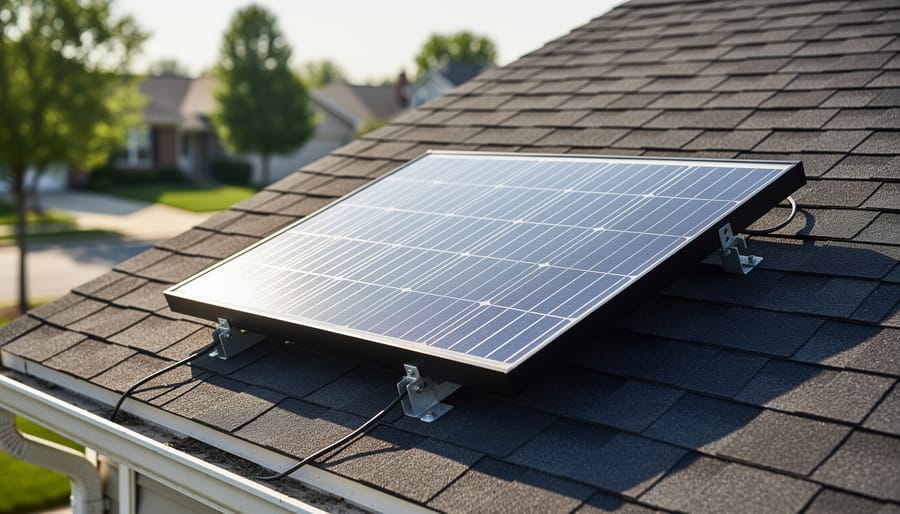
A 100-watt solar panel produces enough electricity to run several small to medium devices, making it perfect for specific applications around your home. Let’s look at what you can realistically power.
On a sunny day, your 100-watt panel can keep a laptop running for about 6-8 hours, making it ideal for a home office setup. It easily handles LED lighting throughout an entire room, powering approximately 10-15 LED bulbs simultaneously. You can charge multiple smartphones, tablets, and other USB devices without any issues.
For outdoor enthusiasts, a single panel can run a small refrigerator or cooler, perfect for keeping drinks cold during backyard gatherings. It’s also sufficient for powering fans during warm months, providing comfortable airflow in a room or outdoor space.
In practical terms, think of a 100-watt panel as your dedicated power source for one specific area or purpose. It could run your home security camera system 24/7, maintain your Wi-Fi router and modem continuously, or power all the electronics in your garden shed or workshop.
Many homeowners use these panels to offset the energy consumption of always-on devices like cable boxes, modems, and smart home hubs. While it won’t power your entire home, it can reduce your electricity bill by covering the constant draw from these smaller electronics. This targeted approach helps you see immediate results and understand exactly where your solar investment is making a difference in your daily energy use.
When 100-Watt Panels Make Perfect Sense for Your Home
Starting Small: Testing Solar Before Going All-In
Thinking about solar but worried about making the wrong choice? A 100-watt panel offers the perfect low-risk way to experience solar power firsthand. Instead of committing to a full rooftop installation, you can start with one or two panels to power specific needs like outdoor lighting, a shed, or charging stations. This hands-on experience helps you understand how solar works in your actual environment, not just in theory.
Many homeowners use 100-watt panels as a trial run before expanding their system. You’ll learn how much energy your roof actually receives, how weather affects production, and whether solar makes sense for your property. The best part? Your initial investment isn’t wasted. These starter panels can remain part of a larger system or continue serving standalone purposes like emergency backup power or RV use.
The financial commitment is minimal compared to whole-home systems, and you might even qualify for zero interest solar loans to make it even easier. Starting small removes the intimidation factor while letting you become comfortable with solar technology at your own pace.
Targeted Solutions: Powering Specific Areas
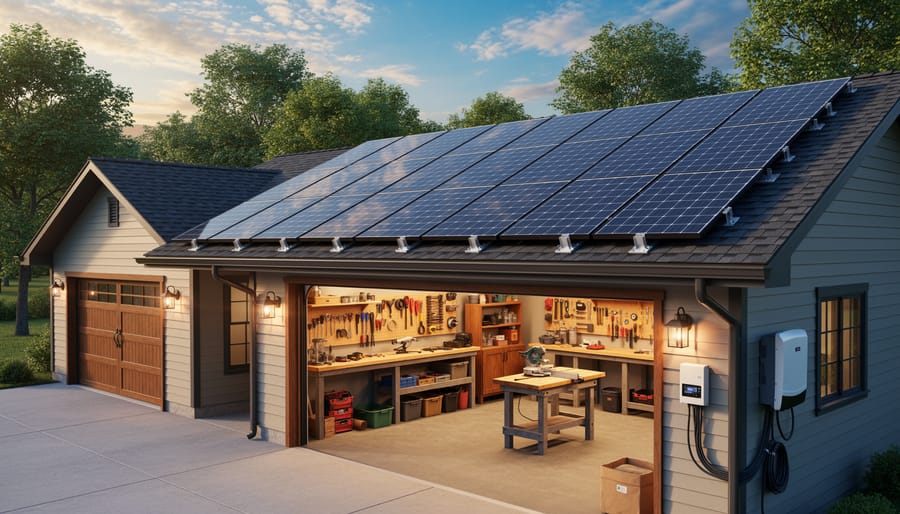
A 100-watt panel shines when you need reliable power for specific spaces rather than your entire home. These compact workhorses are perfect for powering sheds, detached garages, workshops, and pool equipment without the hassle of running electrical lines from your main house. Many homeowners use them to keep security cameras, outdoor lighting, or gate operators running independently.
RV owners and outdoor enthusiasts particularly appreciate 100-watt panels for keeping batteries charged and running lights, fans, and small appliances off-grid. They’re also excellent for emergency backup systems, ensuring you have power for essential devices like phones, radios, and medical equipment during outages.
The beauty of this targeted approach is simplicity and cost-effectiveness. You’re not making a massive investment or dealing with complex installations. Instead, you’re solving specific energy needs exactly where they exist. One panel can transform an unusable shed into a functional workspace or keep your boat battery topped off year-round. This focused strategy lets you experience solar benefits immediately while potentially expanding your system as you identify additional applications around your property.
The Efficiency Factor: Getting Maximum Bang for Your Buck
Cost Per Watt: The Number That Actually Matters
Here’s the truth that cuts through the marketing noise: the price tag on a solar panel means nothing without context. What you’re really after is cost per watt, a simple calculation that shows you exactly what you’re paying for power generation.
To find your cost per watt, divide the panel’s total price by its wattage rating. A $150 panel rated at 100 watts costs you $1.50 per watt, while a $300 panel at 250 watts comes in at $1.20 per watt. Suddenly, that cheaper panel doesn’t look so economical.
Here’s where it gets interesting: solar panel efficiency affects more than just the panel price. Higher efficiency panels pack more power into less roof space, which can save you money on mounting equipment and installation labor. A 100-watt panel might seem budget-friendly upfront, but if you need fifteen panels instead of eight to meet your energy goals, those installation costs add up quickly.
The sweet spot? Calculate your total system cost including installation, then divide by total wattage. That number tells you everything about whether you’re getting genuine value or just paying less to get less.
Space Considerations: When Size Trumps Wattage
Your available space often matters more than individual panel wattage when planning a solar installation. A roof with limited area might actually benefit from multiple 100-watt panels rather than fewer high-wattage options. Here’s why: larger panels need more clearance and specific orientations, while smaller 100-watt panels offer flexibility to work around vents, chimneys, and awkward roof angles.
Think of it like Tetris for your roof. Sometimes fitting four 100-watt panels in odd spaces generates more total power than trying to squeeze in one bulky 400-watt panel that doesn’t quite fit. This is especially true for homes with dormers, skylights, or complex roof designs where standard large panels leave usable space wasted.
The modularity of 100-watt panels also means easier installation on structures with weight restrictions, like older roofs or RVs. You can start small and expand your system as budget allows, rather than committing to expensive high-wattage panels upfront. For homeowners with shaded areas, distributing smaller panels across multiple locations often captures more sunlight throughout the day than concentrating panels in one spot.
Combining 100-Watt Panels for Whole-Home Energy
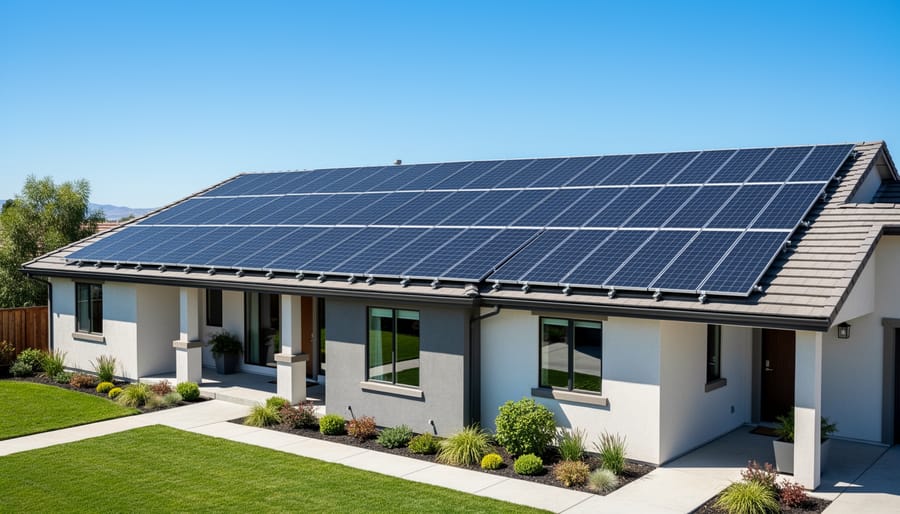
Building Your Custom Array: How Many Panels Do You Need?
Calculating how many 100-watt panels you’ll need is simpler than you might think. Start by looking at your monthly electric bill to find your average daily energy usage in kilowatt-hours (kWh). The typical American home uses about 30 kWh per day, but this varies considerably based on household size and habits.
Here’s a straightforward approach: A 100-watt panel produces roughly 0.4 to 0.5 kWh per day in most locations with decent sunlight. To estimate your needs, divide your daily energy consumption by 0.45 (the average daily output per panel).
For a small apartment or cottage using 10 kWh daily, you’d need approximately 22 panels. A medium-sized home consuming 30 kWh daily would require around 67 panels. Larger households using 50 kWh daily might need 110 panels or more.
These calculations assume you want to cover 100% of your energy needs. Many homeowners start with a partial system to offset 50-75% of their consumption, which significantly reduces upfront costs while still delivering substantial savings.
Keep in mind that your location matters. Sunny Arizona will yield more energy per panel than cloudy Seattle, so adjust your calculations accordingly. Most solar installers provide free assessments that factor in your roof space, local weather patterns, and shading to give you a precise recommendation tailored to your property.
The Money Side: What You’ll Actually Save
Let’s talk real numbers. A single 100-watt solar panel typically costs between $100 and $200, depending on the brand and where you buy it. That’s significantly less than the multi-thousand dollar investment of a full rooftop system, making it an accessible entry point into solar energy.
Here’s what to expect in terms of actual savings. A 100-watt panel in ideal conditions generates about 300-500 watt-hours daily, or roughly 0.3-0.5 kilowatt-hours. With average electricity costs around 16 cents per kilowatt-hour, you’re looking at savings of about 5-8 cents per day per panel. Not earth-shattering for a single panel, but it adds up.
The payback period for a 100-watt panel typically ranges from 3-6 years, depending on your local electricity rates and sun exposure. After that, it’s essentially free electricity for the panel’s 25-year lifespan. If you’re using multiple panels together, the savings scale proportionally.
The real financial sweet spot comes when you use these panels strategically. Powering specific devices like outdoor lighting, security cameras, or charging stations means you’re offsetting electricity you’d otherwise pay for every single month. For RVs and boats, the savings extend beyond just electricity since you’ll rely less on costly generator fuel or marina hookups.
Don’t expect a 100-watt panel to slash your entire electric bill, but it will reduce it. For homeowners testing the waters before committing to a larger system, it’s a low-risk way to see solar’s benefits firsthand. Plus, many solar financing options make scaling up even more affordable when you’re ready.
Installation and Maintenance: Easier Than You Think
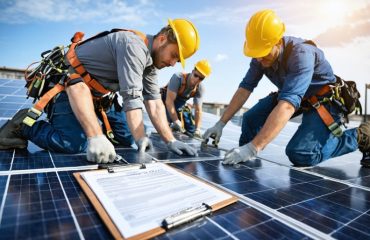
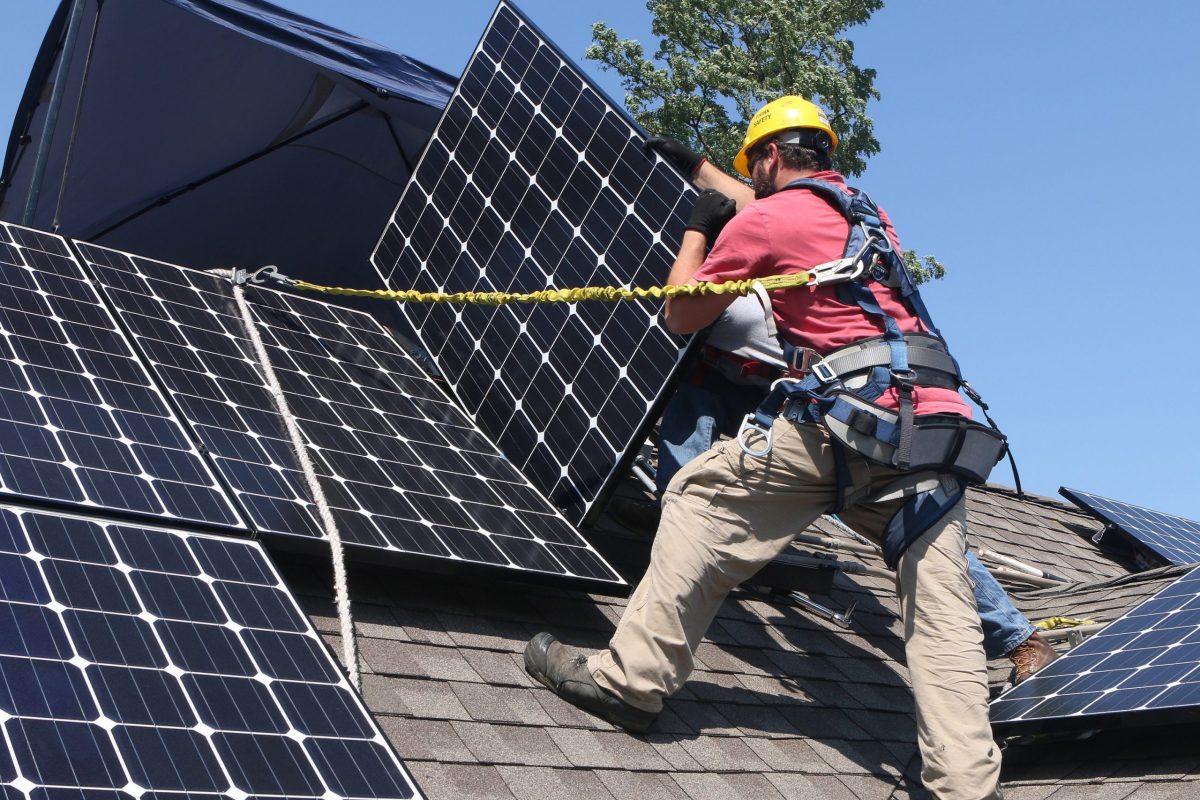
Good news: setting up a 100-watt solar panel system is surprisingly straightforward, especially compared to larger installations. Many homeowners successfully install these compact systems themselves in just a few hours. The lightweight panels typically mount to RVs, sheds, or small structures without requiring structural modifications or complex electrical work. If you’re adding panels to your home, the solar installation process remains simple, and certified installers can complete the work quickly, often in a single day.
For those who prefer professional assistance, most solar companies offer installation services at reasonable rates for small systems. They’ll handle permits, mounting, and connections to ensure everything meets local codes and operates safely.
Maintenance requirements are minimal, which makes these systems perfect for busy homeowners. You’ll simply need to wipe down the panels a few times per year to remove dust, leaves, or debris that could reduce efficiency. A garden hose or soft cloth does the job perfectly. There are no moving parts to wear out, and quality panels come with warranties lasting 20-25 years.
Occasional monitoring of your system’s output helps ensure optimal performance, but most modern setups include apps that make this effortless. If issues arise, support from manufacturers and installers is readily available. The simplicity of 100-watt systems means fewer things can go wrong, giving you peace of mind and more time to enjoy your energy savings.
Choosing the right solar solution starts with understanding your unique energy needs, and 100-watt panels offer a practical, accessible entry point into solar energy. Whether you’re powering RVs, creating backup systems, or building toward whole-home solar independence, these compact panels deliver reliable performance without overwhelming complexity or cost.
The key is matching your panel selection to your actual usage patterns. Start small if you’re new to solar—there’s no rule saying you need to power everything at once. Many homeowners find success beginning with essential devices or outdoor applications, then expanding as they gain confidence and see real savings on their energy bills.
Remember, energy independence doesn’t happen overnight, but every panel installed is a step toward lower bills, reduced environmental impact, and greater control over your power supply. The technology is proven, the financial benefits are real, and the environmental impact is meaningful.
As your trusted partner in sustainable energy, we’re here to guide you through every decision, from selecting the right equipment to understanding long-term savings. The future of home energy is bright, affordable, and increasingly within reach. Your journey toward energy independence can start today—one efficient, reliable 100-watt panel at a time.