Residential solar power is also gaining momentum as homeowners seek alternative sources of energy to lower their power bills and utilize renewable, less polluting sources of energy. Solar energy is one of the fastest-growing industries in the energy sector, driven by rising utility costs, environmental awareness, and government subsidies. In most areas, the idea of having rooftop solar panels is no longer a niche-market product; it has become a home-improvement option.
This increased demand is an opportunity for entrepreneurs. By beginning with a residential solar installation business, you will be able to be involved in a market that grows fast, and at the same time, you will be able to provide a service that will benefit the homeowner and the environment. You can establish a profitable business that helps households transition to sustainable energy solutions with the right knowledge, planning, and equipment.
This increased demand is an opportunity for entrepreneurs. By beginning with a residential solar installation business, you will be able to be involved in a market that grows fast, and at the same time, you will be able to provide a service that will benefit the homeowner and the environment. You can establish a profitable business that helps households transition to sustainable energy solutions with the right knowledge, planning, and equipment.
Learn the Basics of the Solar Installation Industry
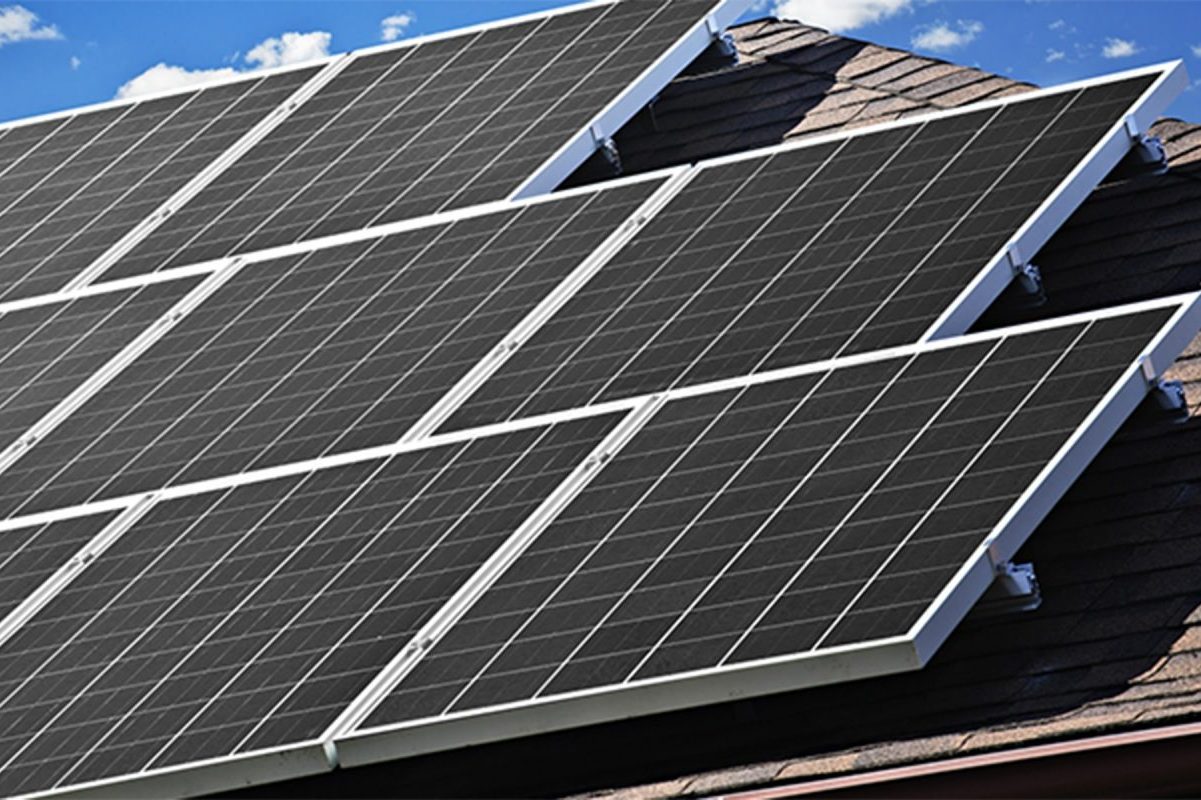
You need to know how residential solar systems work before starting your business. A standard home solar system consists of photovoltaic (PV) panels, inverters, mounting systems, wiring, and battery storage (occasionally). Solar panels receive sunlight and produce electricity, which can be used to power appliances at home or fed back into the electricity grid, depending on local laws.
Knowing the technical aspect of solar systems will assist you in explaining to potential customers how the system works and performing safe and efficient installations.
Solar installation companies serving the residential sector usually offer a number of services, including-
- Site inspections and energy assessments
- Solar system design and planning
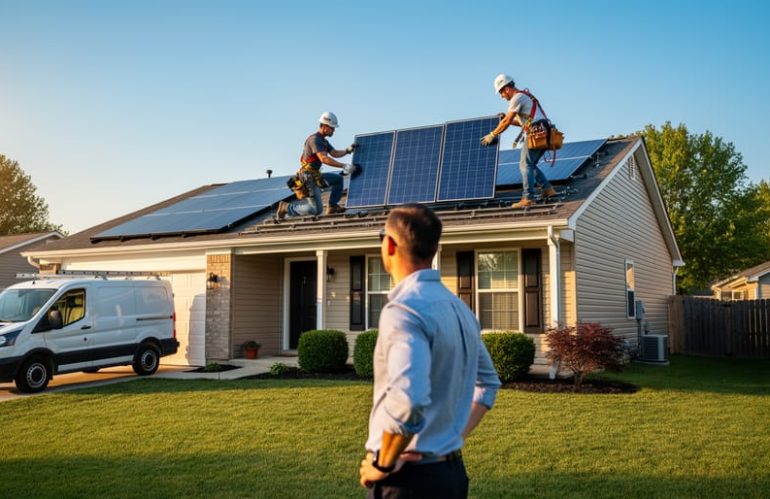
- Installation of panels, wiring, and inverters
- Performance monitoring and maintenance of the system
- Permit aid, rebates, and incentives
Knowledge of these services and industry standards will assist you in making your business competitive and provide professional results.
Research Your Local Market
As with any business, market research is an important process when opening up a business in a specialized area such as solar installation. Start with the analysis of the local demand for solar energy. Electricity prices, government subsidies, the amount of sunshine, and local sustainability programs are among the factors that determine the rate at which solar adoption is increasing.
The second step is to determine your target customers. Home-based solar systems are generally well-received by the general population of homeowners who aim to save on their energy costs, lessen their environmental impact, or make their homes more valuable. Knowing the audience will enable you to customize your marketing and services.
You should also research the solar companies that are already in your area. Evaluate their services, prices, forms, customer reviews, and marketing approaches. This knowledge can also provide an opportunity to differentiate your business, whether through improved customer service, competitive pricing, or specific installation packages.
Create a Business Plan
A good business plan provides guidance on how to start and expand your solar installer business. Begin by identifying the services that you intend to provide, e.g., system design, installation, maintenance, or solar consultation.
Next, estimate startup costs. These may include-
- Licensing and certifications
- Installation equipment and safety gears
- Solar panels and electrical components
- Operation and insurance costs
- Prices of marketing and branding
Prices should also be well defined. Consider the provision of various packages based on the size of the system, the complexity involved in its installation, or other services such as battery storage.
Lastly, create a marketing plan that tells you how you will bring and keep customers. This could include online marketing, local associations, referral systems, and community outreach. It is also possible to plan your business development with long-term growth, like expanding to commercial premises or providing energy storage facilities.
Name and Register Your Solar Business
One of the key branding decisions that should be made is the choice of the name of your company. An email address including a catchy and professional business name would enable you to share your knowledge and dedication towards renewable energy.
When brainstorming ideas, consider names highlighting sustainability, solar power, or energy savings. Are you struggling to come up with creative options? Then, you can try a business name generator free online tool. Thus, you can quickly explore unique and professional name ideas for your solar company.
After choosing a name, you have to register your business according to local requirements. Another issue that you will have to decide is the type of legal structure, whether it is a sole proprietorship, partnership, or limited liability company (LLC). The implications of each structure to tax, liability, and business activities are different, and one should consider the one that best suits his or her objectives.
Get Licenses, Equipment, and Suppliers
Solar installation is a technical service that is usually supposed to be properly certified and licensed by the contractor. The requirements may be different by area, although the majority of solar installers need to follow the electrical safety requirements and receive installation work permits.
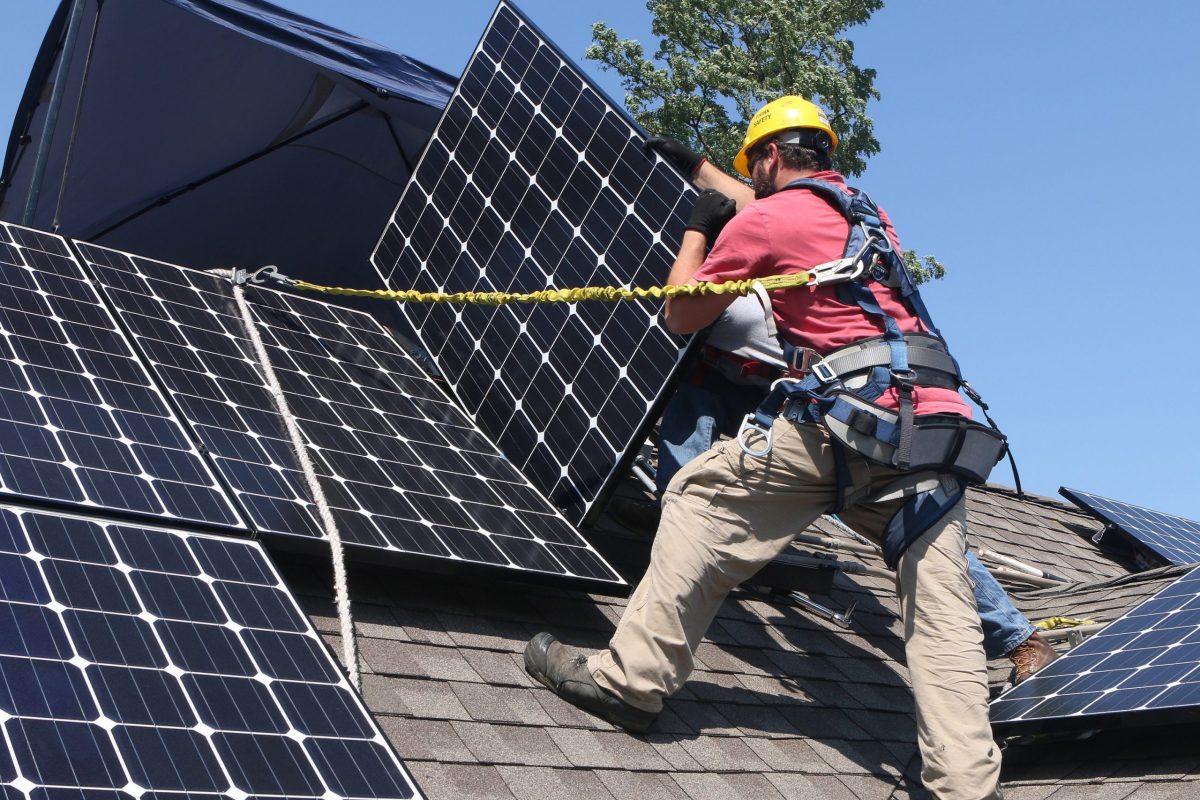
Upon receiving the required licenses, you will be required to invest in professional installation equipment and safety gear. This can be mounting hardware, wiring equipment, ladders, harnesses to safeguard, and electrical testing equipment.
It is also critical to develop relationships with trusted suppliers. Distributing the equipment and the solar panels through reliable manufacturers and distributors would mean that you will be able to offer quality systems to your clients. Good suppliers also contribute to the stability in inventory and long-term business development.
Launch and Market Your Solar Installation Business
After getting the operational factors established, it is now time to open up your solar installation business and start acquiring customers. The creation of a professional website is among the most successful methods to earn credibility and find prospective customers online.
Your website should include-
- Details concerning your services
- Educational information relating to solar energy
- Customer testimonials
- Contact details and consultation options
Local marketing strategies are also able to contribute significantly to the generation of leads. Look at advertising your services via community events, home improvement fairs, and local advertising channels.
Growth can also be increased through referrals and partnerships. Working with real estate agents, construction companies, and home improvement contractors can assist you in reaching homeowners who might already be thinking of energy upgrades.
Customer service and consistent installations will automatically result in good reviews and recommendations that are word-of-mouth, which are effective forces of business.
Conclusion
Starting a business that installs solar panels in homes is a great way to be a part of the renewable energy revolution and make money at the same time. More and more homeowners are looking for energy solutions that are both environmentally friendly and affordable. This means that the need for skilled solar installers is growing.
You can set your business up for success by learning the basics of solar technology, researching your local market, developing a clear business plan, and building strong relationships with your suppliers. Your solar installation business can thrive by helping homes switch to cleaner, renewable energy if you have the right marketing plan and are dedicated to providing good service.