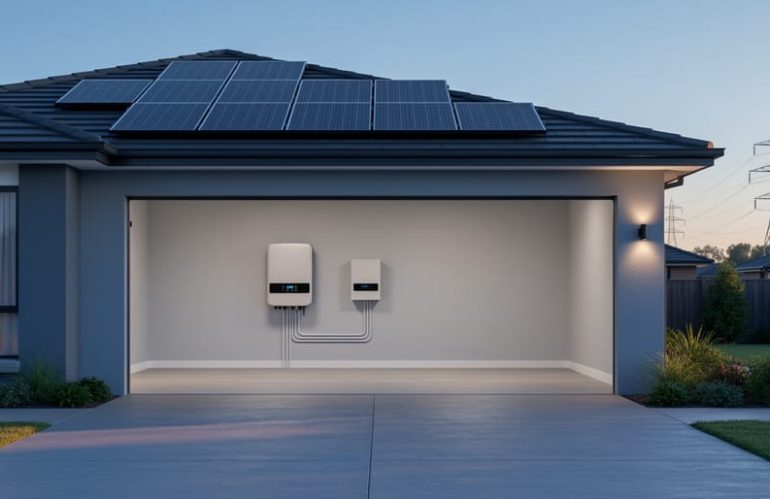
Your solar panels can now do something revolutionary: send power back to the grid during outages while keeping your home running. That’s the game-changing promise of bi-directional inverters, technology that’s transforming how homeowners think about energy independence and resilience.
Unlike traditional inverters that simply convert solar energy for your home’s use, bi-directional inverters manage a two-way conversation between your solar system, battery storage, and the electrical grid. When storms knock out power in your neighborhood, your lights stay on. When energy prices spike during peak hours, you’re selling excess power back at premium rates. When the grid needs support, you’re contributing to community stability while earning credits on your utility bill.
This isn’t futuristic technology waiting in some lab. Bi-directional inverters are proven, installed in hundreds of thousands of homes worldwide, and becoming the standard for modern solar installations. They’re the missing link that makes solar plus storage systems truly smart, automatically deciding whether to use, store, or sell your power based on what saves you the most money and keeps your home protected. The question isn’t whether this technology works, but whether you’re ready to take control of your energy future.
What a Bi-Directional Inverter Actually Does (In Plain English)
Think of a traditional inverter like a one-way street. Solar panels generate electricity, the inverter converts it from DC to AC power, and that energy flows into your home. Simple enough. But what happens when your solar panels produce more energy than you’re using at that moment, or when the sun goes down and you need power stored in your battery?
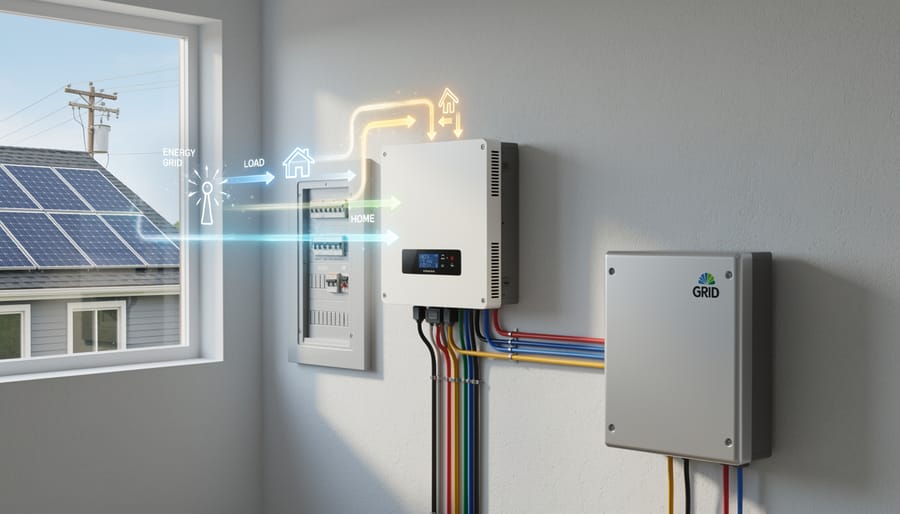
That’s where a bi-directional inverter changes everything. As the name suggests, it allows electricity to flow in two directions. During the day, your bidirectional solar technology sends power from your panels to your home. Any excess energy gets stored in your battery system for later use. Then, when you need it, whether during evening hours, a cloudy day, or a power outage, that same inverter reverses course and pulls energy from your battery back into your home.
Here’s the game-changer: many bi-directional inverters also let you send stored battery power back to the grid during peak demand times when electricity rates are highest. This means you’re not just consuming smarter, you’re potentially earning credits or payments from your utility company.
In practical terms, you’re getting three functions in one device: converting solar energy for immediate use, charging your battery storage, and managing when and where that stored energy goes. It’s like having a traffic controller that ensures electricity always flows where it’s needed most, whether that’s powering your refrigerator during an outage or selling excess energy back to the grid when it’s most valuable.
The Real-World Benefits You’ll Actually Notice
Your Home Stays Powered During Outages
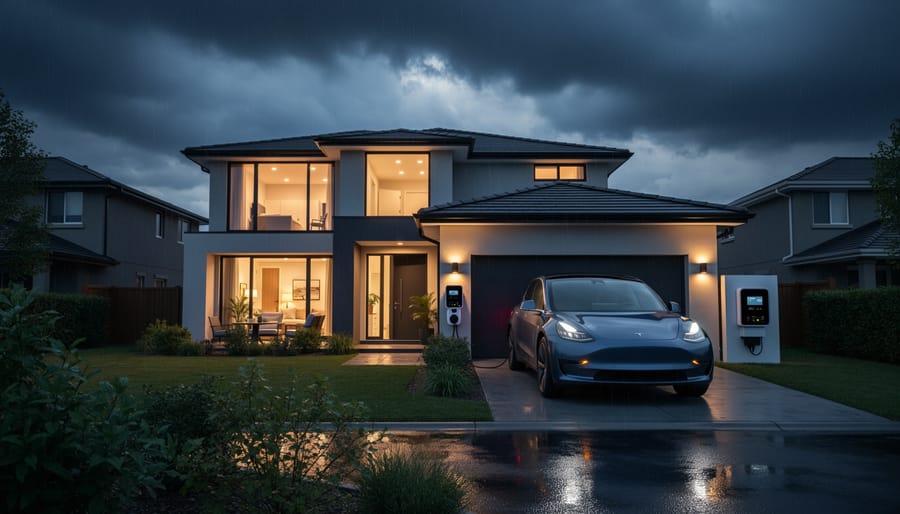
When the grid goes down, your home doesn’t have to. A bi-directional inverter automatically detects power outages and switches to battery power within milliseconds—so fast you might not even notice your lights flickered. Unlike traditional solar systems that shut down during outages for safety reasons, a bi-directional inverter paired with battery storage systems keeps your essential appliances running smoothly.
This means your refrigerator stays cold, your Wi-Fi keeps working, and your family remains comfortable regardless of what’s happening with the power lines. Whether it’s a brief afternoon outage or an extended storm-related blackout, you’ll have the security of knowing your home has reliable backup power. The system works entirely on autopilot—no fumbling with generators or extension cords in the dark. You simply continue with your day while your neighbors scramble for flashlights. This peace of mind is particularly valuable as extreme weather events become more common, making grid reliability less predictable in many areas.
You Can Actually Make Money From Your Solar System
Here’s the reality: bi-directional inverters can put money back in your pocket, though you won’t be retiring early from your energy sales alone. When your battery is full and electricity prices spike during peak demand hours, your system can sell that stored energy back to the grid. This is where the financial magic happens.
Many utility companies offer time-of-use rates or net metering programs that pay premium prices during high-demand periods, typically late afternoon and early evening. Your bi-directional inverter automatically detects these opportunities and exports power when it’s most valuable. Some homeowners see annual returns of $200 to $800 from these sales, depending on their location, utility rates, and battery capacity.
The key is managing expectations. You’re not opening a power plant, but you are offsetting your investment costs faster than with traditional solar alone. In states with strong net metering policies or demand response programs, payback periods can shrink by several years. Think of it as your home becoming a mini energy entrepreneur, making smart decisions about when to save and when to sell, all while you go about your day completely hands-free.
Maximum Use of Every Solar Ray You Capture
Traditional solar systems often leave money on the table. Your panels generate power during sunny midday hours when you might not be home, forcing you to sell that energy back to the grid at lower rates than what you pay during peak evening hours. It’s like growing vegetables in your garden but having to buy them at the store anyway.
Bi-directional inverters change this equation entirely. They intelligently manage energy flow in both directions, storing excess solar power in your battery when the sun is shining and seamlessly drawing from that stored energy when you need it most. Think of it as a smart financial manager for your electricity, making sure every ray of sunshine you capture works directly for you.
The technology automatically prioritizes your stored solar energy before pulling from the grid, dramatically reducing the amount of expensive utility power you purchase. During peak pricing hours, when electricity costs the most, you’re using energy you generated yourself hours earlier. This means your solar panels deliver returns throughout the entire day and night, not just when the sun is up.
The result? Faster payback on your solar investment and significantly lower monthly bills. You’re finally getting full value from every kilowatt-hour your panels produce.
How Bi-Directional Inverters Make Your Home More Resilient
Protection Against Grid Instability
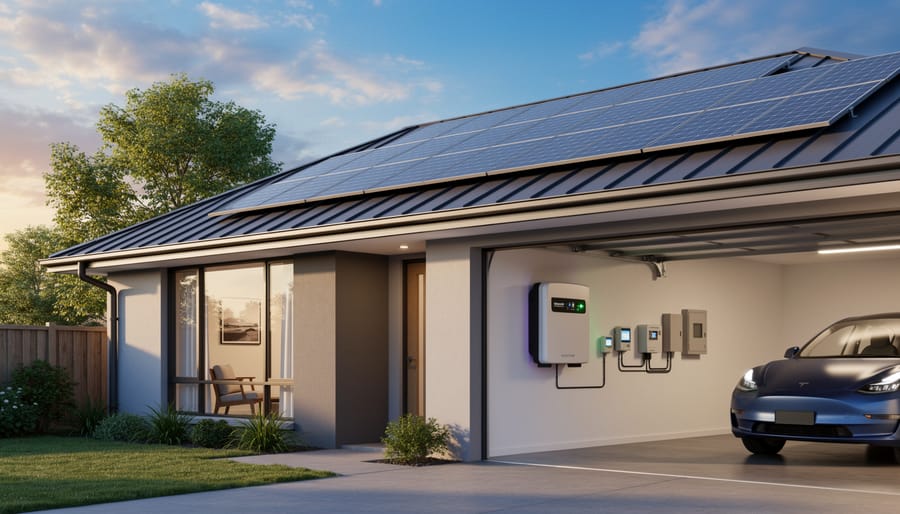
As extreme weather events and aging infrastructure strain electrical grids, bi-directional inverters offer homeowners a powerful shield against power disruptions. Unlike standard inverters that simply shut down when the grid goes dark, these advanced systems automatically switch your home to battery power during outages, keeping essential appliances running without interruption.
Think of your bi-directional inverter as a personal power guardian. When grid voltage fluctuates or brownouts occur, the system seamlessly stabilizes your home’s electricity supply by drawing from your battery backup. This smart inverter technology continuously monitors grid conditions and responds in milliseconds, protecting sensitive electronics from damaging power surges or dips.
The energy security benefits extend beyond storm season. During planned utility maintenance or unexpected grid failures, your home maintains normal operations while neighbors lose power. You’re not just protecting against inconvenience—you’re safeguarding refrigerated medications, home office productivity, and family comfort during increasingly frequent climate-related events.
This resilience translates into real peace of mind. Rather than scrambling for generator fuel or camping out in hotels during extended outages, you can maintain your daily routine. As grid reliability becomes less predictable, investing in bi-directional inverter technology means you’re preparing your home for tomorrow’s energy challenges today.
Adapting to Time-of-Use Electricity Rates
Many utility companies now charge different rates depending on when you use electricity—often called time-of-use pricing. Under these plans, power costs significantly more during peak evening hours when everyone arrives home and turns on appliances, lights, and air conditioning.
This is where a bi-directional inverter becomes particularly valuable. During the day when solar panels are producing excess energy and electricity rates are low, your inverter automatically stores that surplus in your battery. Then, when rates spike in the evening, the system seamlessly switches to battery power instead of drawing expensive electricity from the grid.
The financial impact can be substantial. Some homeowners report saving 30-50% on their electricity bills simply by avoiding peak-rate periods. You’re essentially buying electricity at wholesale prices and using it during retail hours—all automatically, without changing your daily habits.
Even better, you don’t need to monitor rate schedules or manually flip switches. Once programmed with your utility’s rate structure, the inverter handles everything in the background. You continue living normally while the system optimizes your energy use for maximum savings. It’s a set-it-and-forget-it approach that turns time-of-use pricing from a burden into an opportunity.
Debunking Common Myths About Bi-Directional Inverters
Myth: They’re Too Complicated for Average Homeowners
Good news: today’s bi-directional inverters are designed with you in mind, not engineers. Modern systems handle the heavy lifting automatically, managing energy flow between your solar panels, battery, home, and the grid without requiring your input. Once installed by a professional, the system operates seamlessly in the background. Most homeowners interact with their inverter only through a simple smartphone app that shows energy usage and savings in easy-to-understand visuals. You don’t need to understand electrical engineering to benefit from this technology. Think of it like your smartphone—sophisticated technology working behind the scenes while you enjoy a simple, intuitive interface. Installation professionals set up everything to match your home’s needs, and the system takes care of the rest. You’ll enjoy backup power, lower bills, and energy independence without becoming a technical expert.
Myth: The Technology Isn’t Proven Yet
Let’s set the record straight: bi-directional inverters aren’t experimental technology. They’ve been powering homes across Europe, Australia, and parts of Asia for years, with millions of units successfully installed worldwide. Major manufacturers have refined this technology through multiple generations, making it reliable and thoroughly tested. In fact, many electric vehicle chargers already use the same bi-directional principles, and utility companies increasingly depend on these systems for grid stability programs. The technology has moved well beyond the pilot phase—it’s now a proven solution that’s simply becoming more accessible to everyday homeowners. If you’re hesitant because you think it’s too new, consider that the core technology has been battle-tested in real-world conditions for over a decade. What’s actually new is the affordability and widespread availability that now makes it a practical choice for your home.
Myth: You Need to Completely Redesign Your Solar Setup
Good news: upgrading to a bi-directional inverter doesn’t mean tearing apart your entire solar system. In many cases, these smart inverters can integrate with your existing solar panels and battery storage without a complete overhaul. The main component you’ll be swapping out is just the inverter itself. Think of it like upgrading your home’s thermostat to a smart model—you’re enhancing the brain of the system, not rebuilding the whole thing. Some homeowners may need to add or upgrade their battery storage to fully benefit from the two-way power flow, but your solar panels typically stay put. The installation process is often straightforward, especially if your system is relatively recent and meets current electrical codes. A qualified installer can assess your setup and recommend the most cost-effective path forward, which usually involves fewer changes than you’d expect.
Is a Bi-Directional Inverter Right for Your Home?
Deciding whether a bi-directional inverter makes sense for your home depends on a few practical factors. The good news is that evaluating your situation doesn’t require an engineering degree—just an honest look at your energy goals and circumstances.
If you already have solar panels or are planning to install them, a bi-directional inverter becomes especially attractive when paired with battery storage. This combination allows you to store excess solar energy during the day and use it during evening peak hours or power outages. Without this technology, standard inverters typically shut down when the grid goes offline, leaving your solar panels unable to help during blackouts.
Consider your local utility rates carefully. If your area has time-of-use pricing—where electricity costs more during peak hours—a bi-directional system lets you avoid those expensive periods by drawing from your stored energy instead. You could save hundreds annually just by shifting when you use grid power.
How often does your area experience outages? If you live somewhere with frequent storms, aging infrastructure, or planned shutdowns, having backup power isn’t just convenient—it’s essential for protecting refrigerated food, maintaining medical equipment, or simply keeping your family comfortable.
Budget matters too. While bi-directional inverters cost more upfront than traditional models, they’re increasingly affordable and may qualify for federal tax credits. When factored into a high-performance solar system design, they often pay for themselves through energy savings and increased home value.
If energy independence, lower bills, and protection from outages align with your priorities, a bi-directional inverter deserves serious consideration. It’s an investment in both your financial future and peace of mind.
Bi-directional inverters represent more than just a technological upgrade—they’re a gateway to genuine energy independence and long-term financial savings. By allowing your home to store, use, and even sell electricity back to the grid, these systems transform you from a passive energy consumer into an active participant in the clean energy revolution. The financial benefits are clear: lower monthly bills, protection against rising utility rates, and potential income from excess energy. Environmentally, you’re reducing reliance on fossil fuels and maximizing the value of every ray of sunshine your solar panels capture.
Beyond the dollars and cents, bi-directional inverters deliver something priceless: peace of mind. When the grid goes down, your lights stay on. When storms threaten, your refrigerator keeps running. This isn’t just convenience—it’s resilience for your family and your future.
The technology has matured, costs are becoming more accessible, and incentives make now an excellent time to explore your options. Every home’s energy needs are unique, so connecting with a qualified solar professional is the best next step. They can assess your specific situation, explain available incentives, and design a system that delivers real value. Your energy-independent future is closer than you think.