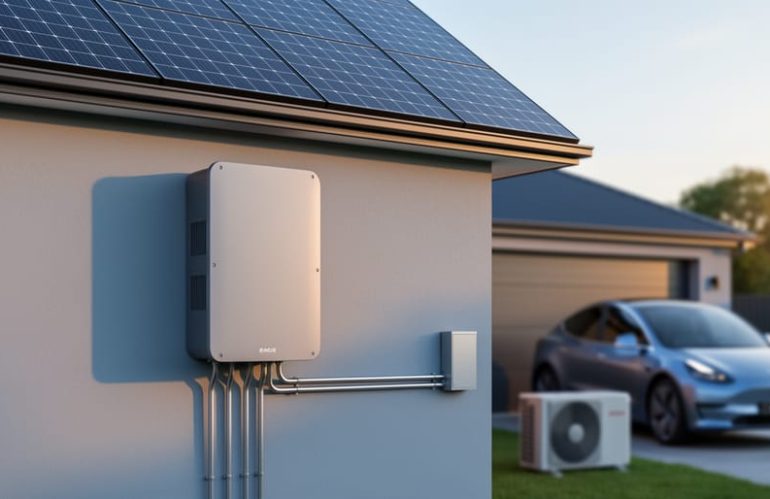
A 3-phase inverter distributes solar energy across three separate electrical channels instead of one, creating a smoother, more stable power flow throughout your home. Think of it like having three lanes of traffic instead of one—each lane carries part of the load, reducing congestion and wear on your electrical system.
While these inverters were once reserved for commercial buildings, modern residential solar installations increasingly use them to deliver tangible benefits homeowners can see in their monthly bills and system performance. The technology prevents voltage fluctuations that can damage appliances, extends the lifespan of your electrical equipment, and often qualifies you for better utility rates in areas with time-of-use pricing.
The key advantage isn’t complexity—it’s consistency. By balancing power across three phases, your home receives steadier electricity with less strain on individual circuits. This means your air conditioner, electric vehicle charger, and home office can all run simultaneously without creating the electrical equivalent of a traffic jam.
Whether you’re upgrading an existing solar system or planning your first installation, understanding how 3-phase inverters work and whether your home can benefit from one will help you make a smarter investment in energy independence and long-term savings.
What Makes a 3-Phase Inverter Different (In Plain English)
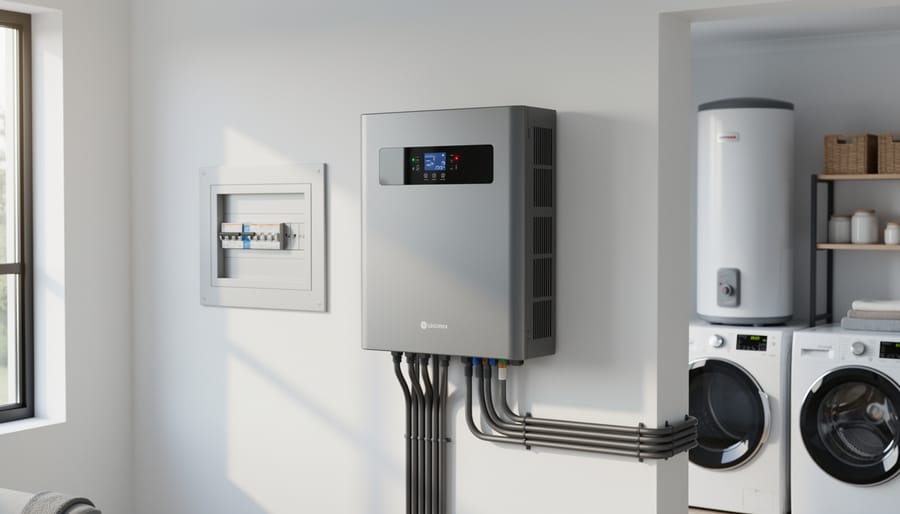
The Three-Lane Highway Analogy
Think of single-phase power like a one-lane highway. All the electrical current travels down the same path, which works fine for small loads but creates congestion during peak demand. Now imagine a three-lane highway where traffic flows smoothly across three separate lanes, each handling a portion of the load at slightly different times.
That’s exactly how a 3-phase inverter works. Instead of sending all your solar power through one electrical pathway, it divides the workload across three separate phases. Each phase carries power in a coordinated rhythm, creating a steady, continuous flow of electricity rather than the stop-and-go pattern of single-phase systems.
The result? Your home’s electrical system operates more smoothly, your appliances receive cleaner power, and you can run larger equipment without overwhelming your system. For homeowners with electric vehicle chargers, heat pumps, or other substantial energy needs, this three-lane approach means better performance and less strain on your equipment. Just as a three-lane highway moves more cars with fewer traffic jams, a 3-phase system delivers more power with greater efficiency and reliability.
When Your Home Needs 3-Phase Power
Most homes in the U.S. operate on single-phase power, which works perfectly well for typical household needs. You likely don’t need a 3-phase inverter unless your home falls into specific categories.
Three-phase power becomes beneficial when you’re running large equipment like workshop machinery, commercial-grade HVAC systems, or electric vehicle charging stations that demand consistent high power. Some larger homes with extensive solar arrays and battery storage systems also benefit from the balanced power distribution that three-phase systems provide.
Here’s the reality check: if your home already has single-phase electrical service from your utility company, adding a 3-phase inverter doesn’t magically upgrade your entire electrical system. Your utility connection determines what you can actually use.
That said, if you’re building a new home, planning significant renovations, or your property already has 3-phase service, incorporating it into your high-performance solar system design makes excellent sense. You’ll enjoy smoother power delivery, better equipment efficiency, and more flexibility for future upgrades. For most homeowners, though, modern single-phase inverters offer everything you need for reliable, cost-effective solar energy.
The Resilience Advantage: Why These Inverters Handle Challenges Better
Smoother Power During Grid Fluctuations
When your local electrical grid experiences voltage dips or surges, a 3-phase inverter acts like a shock absorber for your home’s power supply. Unlike single-phase systems that rely on one power stream, 3-phase inverters distribute electricity across three separate channels, creating a more stable foundation that naturally resists disruptions.
Think of it like having three legs on a stool instead of one. If the grid voltage drops on one phase, the other two phases help compensate, keeping your lights steady and your appliances running smoothly. This balanced approach means you’re less likely to experience flickering lights, interrupted Wi-Fi connections, or that annoying dimming when your neighbor’s air conditioner kicks on.
For homeowners, this translates to real peace of mind. Your sensitive electronics, from computers to smart home devices, receive cleaner, more consistent power throughout the day. This stability doesn’t just protect your equipment; it can actually extend the lifespan of your appliances by reducing the electrical stress they endure during grid fluctuations.
The beauty of this technology is that it works automatically in the background. You won’t need to flip switches or adjust settings. Your 3-phase inverter continuously monitors and balances the power flow, ensuring your home stays comfortable and connected even when the grid gets temperamental.
Built-In Backup Capabilities
When paired with battery storage systems, 3-phase inverters create a powerful backup solution that keeps your home running during power outages. These inverters intelligently manage energy flow between your solar panels, batteries, and home, automatically switching to stored power when the grid goes down. The three-phase design distributes power more efficiently across your home’s circuits, meaning you can keep more essential appliances running simultaneously compared to single-phase systems.
What makes this particularly valuable for homeowners is the seamless transition during outages. Your refrigerator, heating and cooling systems, and critical electronics stay on without interruption. The inverter prioritizes which appliances receive power based on your settings, ensuring you’re never left completely in the dark. Many modern 3-phase inverters also feature smart load management, automatically balancing power usage to extend your backup runtime. This means greater peace of mind during storms or grid disruptions, plus the financial benefit of avoiding spoiled food and potential damage to sensitive electronics. For homes already equipped with three-phase power, this backup capability adds significant value to your solar investment.
Better Performance in Extreme Conditions
Three-phase inverters are built to handle whatever Mother Nature throws their way, making them a smart choice for long-term reliability. Unlike their single-phase counterparts, these systems distribute power across three separate channels, which means if one phase experiences issues during extreme weather, the other two keep working to maintain your energy flow.
When temperatures soar or plummet, three-phase inverters maintain stable performance thanks to superior thermal management. The workload spreads across multiple components rather than stressing a single unit, which prevents overheating in summer and reduces strain in freezing conditions. This translates to fewer service calls and lower maintenance costs for you.
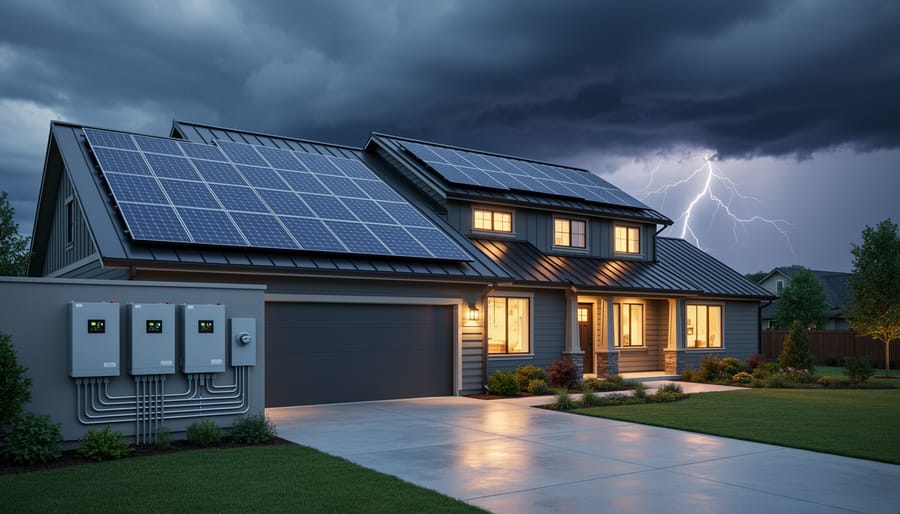
During storms and high winds, these inverters excel at managing power fluctuations that would overwhelm simpler systems. Their advanced monitoring instantly detects voltage irregularities and adjusts output to protect your home appliances and the inverter itself. This built-in resilience is why many storm-proof solar systems incorporate three-phase technology.
The bottom line? Your investment stays protected year-round, delivering consistent energy savings regardless of weather conditions while extending the lifespan of your entire solar system.
Real Financial Benefits for Your Home
Lower Energy Waste Means Lower Bills
When your solar system runs more efficiently, less energy disappears as wasted heat, and more of what your panels generate actually powers your home. This is where 3-phase inverters shine. By converting solar energy with less loss during the conversion process, these inverters help you get more usable electricity from the same amount of sunshine hitting your roof.
Think of it this way: if a standard inverter converts your solar energy at 95% efficiency, you’re losing 5% of your potential power. A quality 3-phase inverter operating at 98% efficiency cuts that waste nearly in half. Over months and years, those percentage points add up to real dollars staying in your pocket instead of vanishing into thin air.
The math is straightforward. More efficient conversion means more of your solar production offsets grid electricity, which directly translates to smaller monthly bills. For homeowners with higher energy needs or those running heat pumps, electric vehicle chargers, or home offices, this improved efficiency can make a noticeable difference in your energy costs throughout the year.
Running High-Power Appliances Without Worry
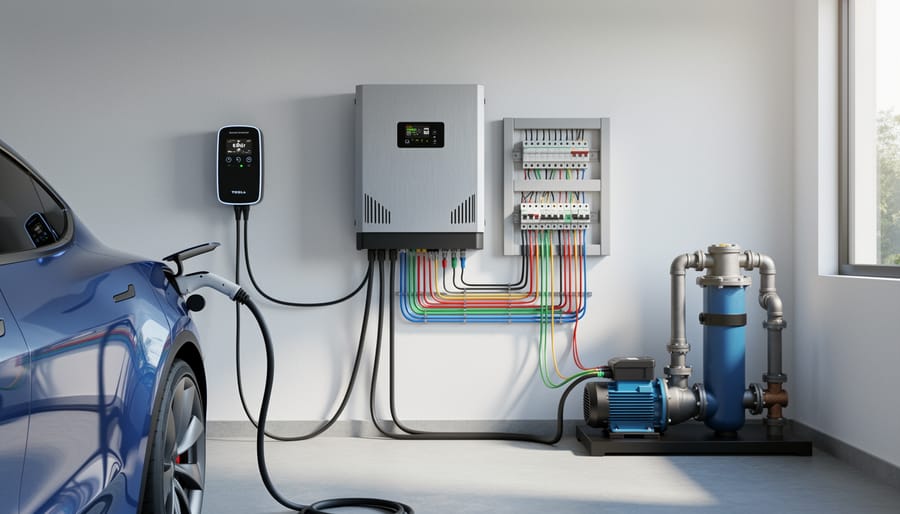
One of the biggest advantages of a 3-phase inverter system is its ability to handle power-hungry equipment without breaking a sweat. If you’ve ever worried about whether your home’s electrical system can support an electric vehicle charger, you’ll appreciate how 3-phase power delivers consistent, balanced energy that charges your EV faster and more efficiently than single-phase alternatives.
Pool pumps and heating systems also benefit tremendously. These appliances typically run for hours each day, and 3-phase systems distribute the electrical load more evenly, reducing strain on your equipment and helping it last longer. Your pool pump operates more smoothly, and your HVAC system maintains comfortable temperatures without the voltage fluctuations that can shorten equipment lifespan.
The real win comes during peak usage times. When your air conditioning is running full blast on a hot afternoon while you’re charging your car, a 3-phase system handles the demand gracefully. You won’t experience dimming lights or tripped breakers, and your appliances will run at peak efficiency, which translates directly to lower energy bills and fewer repair costs over time.
Longer Equipment Lifespan
Think of your home’s electrical system like a balanced seesaw. When power flows evenly across three phases instead of one, there’s less strain on everything connected to it. This balanced distribution means your 3-phase inverter experiences less electrical stress during operation, which translates directly to fewer repairs and a longer working life.
The same principle protects your home appliances. Unbalanced power can cause motors in refrigerators, air conditioners, and washing machines to work harder than necessary, generating excess heat and wearing out components faster. With three-phase power, these appliances receive steady, consistent energy, reducing the temperature fluctuations and electrical stress that typically shorten their lifespan.
For homeowners, this means real savings beyond your monthly energy bill. You’ll replace major appliances less frequently and face fewer unexpected repair costs, making your initial investment in a 3-phase inverter system pay dividends for years to come.
Debunking Common Myths About 3-Phase Solar Inverters
Myth: They’re Only for Industrial Buildings
Think 3-phase inverters are just for factories and warehouses? That’s outdated thinking. Today’s residential 3-phase systems are specifically engineered for homes, and they’re becoming increasingly popular in neighborhoods across the country.
While it’s true that not every home needs one, 3-phase inverters make excellent sense if you have a larger solar array, run energy-intensive appliances like heat pumps or electric vehicle chargers, or simply want the most reliable power distribution possible. Many modern homes are already wired for 3-phase power, especially newer constructions and properties with higher electricity demands.
The real question isn’t whether they’re available for residential use—they absolutely are—but whether your home’s energy needs justify the investment. If you’re planning significant solar expansion or transitioning to all-electric living, a 3-phase system can deliver smoother power, better equipment protection, and improved overall efficiency that single-phase systems simply can’t match.
Myth: Installation Is Impossibly Complex
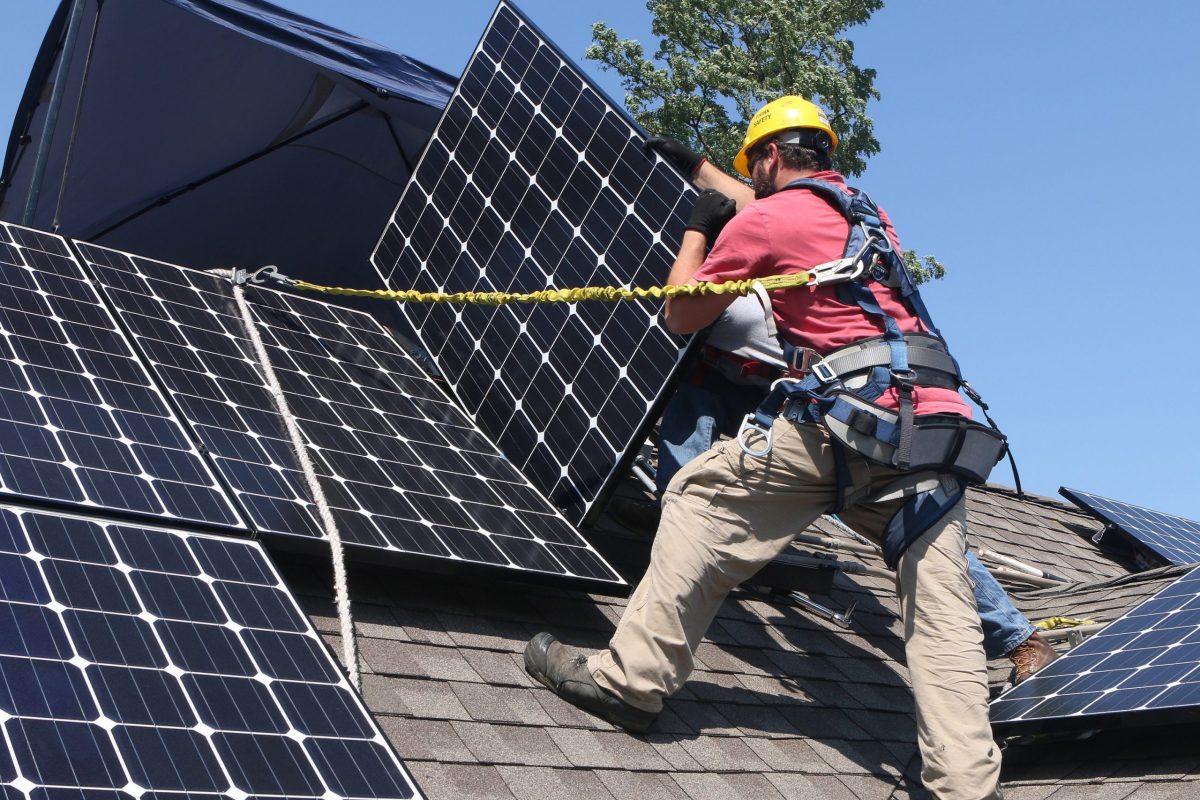
While the technology inside a 3-phase inverter is sophisticated, the actual installation process is surprisingly straightforward for homeowners. Most installations are handled entirely by certified solar professionals who manage the technical work, including electrical connections and system configuration. The process typically takes just a few hours and doesn’t require major modifications to your home’s infrastructure. Your installer will assess your electrical panel, mount the inverter in an appropriate location, and connect it to your solar array and home electrical system. You won’t need special permits beyond standard solar installation requirements, and many installers offer turnkey services that handle all paperwork and inspections. The key is choosing a qualified installer experienced with 3-phase systems, which most reputable solar companies now are. Once installed, modern inverters feature user-friendly monitoring apps that let you track performance from your phone, making ongoing management simple and stress-free.
Myth: The Cost Outweighs the Benefits
While 3-phase inverters cost more upfront than single-phase models (typically $1,500-$3,000 extra), most homeowners recoup this investment within 3-5 years through improved efficiency and lower electricity bills. The enhanced power distribution reduces wear on your appliances, potentially extending their lifespan by years and saving you thousands in replacement costs. Plus, many utility companies offer rebates for 3-phase installations, sometimes covering up to 30% of the additional expense. When you factor in the 25-30 year lifespan of quality inverters and the growing value solar adds to your home (studies show up to $15,000 increase in resale value), the math becomes compelling. Think of it as paying a little more now for reliable, efficient power that pays you back for decades.
Is a 3-Phase Inverter Right for Your Home?
Questions to Ask Before Upgrading
Before making the switch, take a moment to evaluate your specific situation. Start by reviewing your current electricity bills to understand your average monthly consumption—this helps determine whether the increased efficiency of a 3-phase system will deliver meaningful savings for your household size and energy habits.
Think about your plans for the next five to ten years. Are you considering adding an electric vehicle, installing a pool, or expanding your home? These upgrades significantly increase power demands and could make a 3-phase inverter more valuable down the road.
Check with your utility company about your grid connection type. Some areas only offer single-phase service to residential properties, which may affect your options. However, many modern 3-phase inverters can actually work with single-phase connections, so don’t let this discourage you from exploring the possibility.
Consider your existing solar panel setup and whether your current equipment can integrate with a 3-phase system. Finally, get quotes from multiple installers to compare costs and understand potential rebates or incentives available in your area. These practical steps ensure you make an informed decision that truly benefits your home and budget.
Working with the Right Installation Partner
Choosing the right installer makes all the difference when upgrading to a 3-phase system. Look for certified professionals with specific experience installing 3-phase inverters in residential settings, not just commercial projects. Ask to see examples of similar home installations and request references from homeowners with comparable setups. Your installer should explain how the system integrates with your existing electrical panel and clearly outline any required upgrades. They should also be familiar with smart inverter technology and local grid requirements. A quality installer will provide transparent pricing, realistic timelines, and ongoing support after installation, ensuring your investment delivers the reliability and savings you expect.
Investing in resilient power technology means more than just keeping the lights on during outages. It’s about taking control of your energy future while making a positive impact on both your wallet and the planet. Three-phase inverters offer homeowners a path to greater energy independence, lower monthly bills, and reduced environmental footprint through more efficient power conversion and longer-lasting equipment.
The peace of mind that comes with a reliable, adaptable energy system is invaluable. Whether you’re powering through storm season or simply optimizing your daily energy use, these advanced systems work quietly in the background to maximize your solar investment. The financial benefits compound over time through reduced utility costs, fewer maintenance expenses, and potential increases in home value.
Now is the perfect time to explore whether this technology aligns with your household’s needs. Connect with qualified solar professionals who can assess your specific situation and help you understand the options available. The journey toward energy independence starts with understanding what’s possible, and three-phase inverter technology represents a significant step forward in making sustainable, resilient home energy accessible to more families than ever before.