Home battery storage systems are remarkably safe, with thermal runaway—a rare chain reaction where a battery cell overheats—being prevented through multiple layers of intelligent protection. Modern lithium-ion batteries designed for residential use incorporate sophisticated monitoring systems that track temperature, voltage, and current thousands of times per second, automatically shutting down at the first sign of irregularity. Cell chemistry matters tremendously: lithium iron phosphate (LFP) batteries, increasingly common in home systems, are inherently more stable and resistant to thermal events than other lithium chemistries. Physical design plays an equally vital role, with spacing between cells, fire-resistant materials, thermal management systems, and ventilation all working together to contain and dissipate heat before problems escalate.
The statistics tell a reassuring story. According to industry data, thermal runaway incidents in professionally installed home battery systems occur at a rate of less than one per million units annually, making them statistically safer than many household appliances. Certification standards from organizations like UL ensure rigorous testing under extreme conditions before any system reaches your home. Understanding these protections empowers you to make confident decisions about energy storage, recognizing that the technology protecting your investment has been refined through years of engineering advances and real-world performance data.
What Actually Happens During Battery Thermal Runaway
Think of thermal runaway like a snowball effect—but with heat instead of snow. It happens when a battery cell gets too hot and that heat triggers a chemical reaction, which creates more heat, which speeds up the reaction even further. If left unchecked, this cycle can continue until the battery becomes damaged.
So what actually kicks off this process? Usually, it’s one of three things: physical damage to the battery (like from a serious accident), a manufacturing defect (extremely rare in certified products), or exposure to extreme heat sources. Inside the battery, the heat can break down the separator between positive and negative components, causing an internal short circuit.
Here’s the important part: thermal runaway doesn’t just happen out of nowhere. Modern home battery systems are designed with multiple layers of protection specifically to prevent this chain reaction from ever starting. And if a problem does begin in one cell, these systems are built to contain it before it spreads.
The reality is that thermal runaway in residential battery systems is exceptionally rare—we’re talking about a tiny fraction of a percent. You’re statistically far more likely to experience a problem with your gas water heater or kitchen appliances. The batteries installed in homes today have undergone rigorous testing and certification processes, and they include sophisticated monitoring systems that watch for any signs of trouble 24/7.
The key takeaway? While thermal runaway is a real phenomenon that manufacturers take seriously, the protection systems in quality home batteries make it an extremely unlikely event. Understanding how it works helps you appreciate why modern battery systems are considered safe technology for residential use.
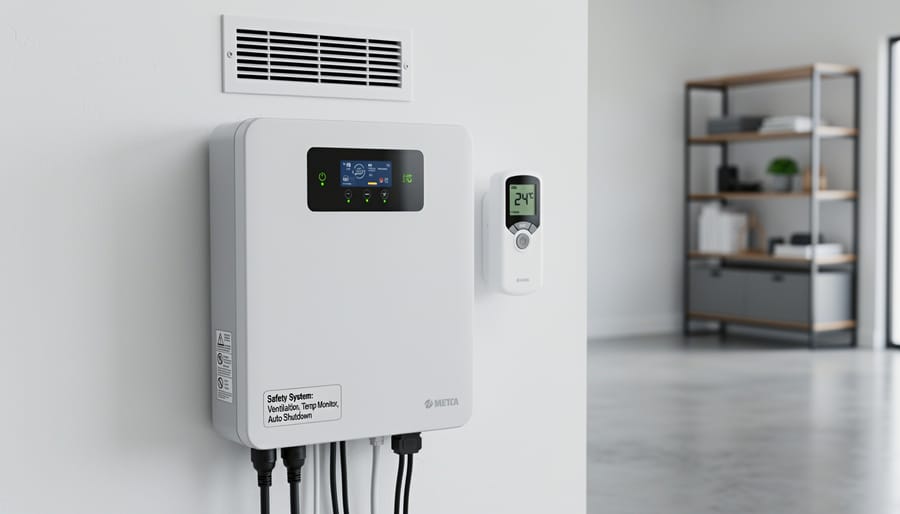
The Safety Systems Protecting Your Home Battery
Temperature Monitoring That Never Sleeps
Modern home battery systems include sophisticated temperature sensors strategically placed throughout the battery pack, working around the clock to catch potential issues before they develop. Think of these sensors as vigilant guardians that never take a break—they’re constantly taking temperature readings multiple times per second, watching for even the slightest unusual changes.
When these monitoring systems detect temperatures rising beyond normal operating ranges, they respond immediately. The battery management system receives instant alerts and can take protective action within milliseconds, such as reducing charging speed, activating cooling systems, or safely shutting down operations if needed. This happens automatically, without requiring any action from you.
What makes this particularly reassuring is the redundancy built into these systems. Multiple sensors cross-check each other’s readings, so a single faulty sensor won’t trigger false alarms or miss real problems. This multi-layered approach means your battery system is essentially self-aware, continuously monitoring its own health and making intelligent decisions to maintain safe operation. It’s technology that works quietly in the background, giving you peace of mind without requiring any technical knowledge on your part.
Smart Cooling Systems That Keep Things Safe
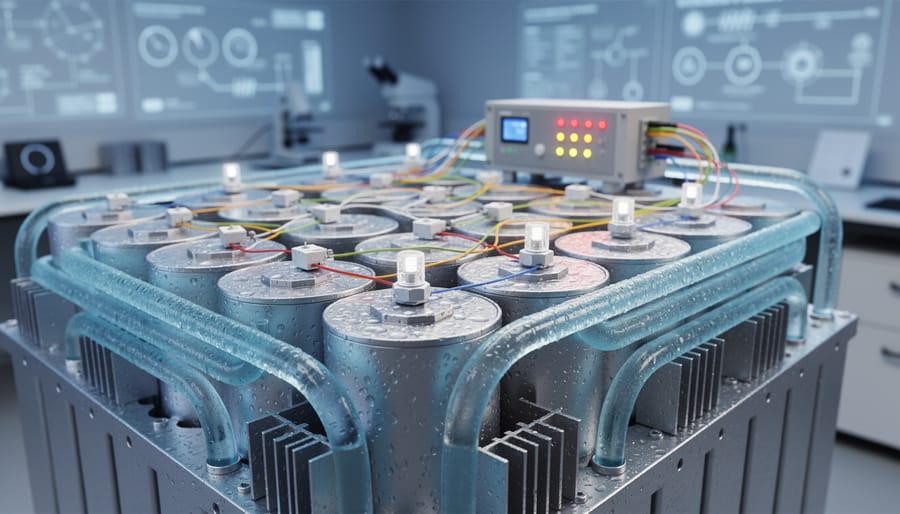
Modern home battery systems come equipped with sophisticated cooling technology that works around the clock to maintain safe operating temperatures. Think of it like the climate control in your home, but specifically engineered for your battery’s needs.
There are two main types of cooling systems you’ll find in quality battery installations. Passive cooling uses natural airflow and heat-dissipating materials to regulate temperature without any moving parts. It’s quiet, energy-efficient, and requires virtually no maintenance. Active cooling systems, on the other hand, use fans or liquid cooling to provide more precise temperature control, similar to how your refrigerator works.
The best part? These systems operate automatically. You don’t need to monitor temperatures or adjust settings. Sensors constantly measure the battery’s temperature and activate cooling when needed, keeping everything in the optimal range. Many systems can also communicate with your home energy management system to avoid charging during the hottest part of the day.
These cooling technologies are standard features in reputable battery systems, not expensive add-ons. They’re part of what makes modern home batteries remarkably safe and reliable for everyday use.
Automatic Shutdown Protection
Modern home battery systems come with built-in automatic shutdown features that act like safety switches throughout the system. When sensors detect potentially unsafe conditions—such as excessive heat, unusual voltage levels, or abnormal charging patterns—the battery management system can instantly disconnect the battery from your home’s electrical system.
Think of it like a circuit breaker in your home that trips when there’s an electrical problem, except much more sophisticated. These systems don’t just respond to one trigger; they’re constantly monitoring dozens of parameters simultaneously. If multiple warning signs appear, the battery can isolate itself within milliseconds, stopping the flow of energy before any situation can escalate.
This automatic protection happens entirely behind the scenes without any action needed from you. The system prioritizes safety above all else, meaning it will shut down even if there’s only a potential issue, not just a confirmed problem. Once conditions return to normal and the system verifies everything is safe, it can reconnect automatically or alert you that professional inspection is recommended. This intelligent, fail-safe approach ensures that your battery storage remains a reliable and secure part of your home energy system.
Physical Barriers and Containment
Modern battery systems employ smart design choices that physically stop problems before they can spread. Think of it like compartments in a ship—if one section has an issue, the others remain protected.
Quality home battery systems use fire-resistant materials between individual cells, acting as heat shields that prevent one overheating cell from affecting its neighbors. These barriers are made from ceramic composites or specialized insulation that can withstand extreme temperatures without breaking down.
Spacing matters too. Manufacturers strategically position cells with adequate gaps, allowing heat to dissipate naturally rather than concentrating in one spot. This simple design principle provides passive protection that works 24/7 without requiring electronics or sensors.
The outer housing also plays a crucial role. Reinforced enclosures contain any potential fire or venting within the battery unit itself, preventing flames from reaching your home’s walls or nearby items. These containment systems work alongside other fire safety measures to create multiple layers of defense.
The good news? These protective features are standard in reputable home battery systems, not expensive add-ons. They’re built-in safeguards that give you peace of mind without increasing your investment.
How Battery Chemistry Makes Modern Systems Safer
Not all lithium batteries are created equal, and that’s good news for homeowners considering energy storage. Today’s home battery systems predominantly use newer battery chemistries that are significantly safer than the lithium-ion batteries you might remember from early laptop or phone incidents.
The game-changer is Lithium Iron Phosphate (LFP) chemistry, which has become the preferred choice for residential energy storage. Unlike older lithium-cobalt batteries that were more volatile, LFP batteries are inherently stable at the molecular level. Think of it like comparing gasoline to diesel fuel—both work, but one is naturally less prone to ignition.
LFP batteries offer several built-in safety advantages. They can withstand higher temperatures before experiencing any problems, giving you a much larger safety margin. They’re also chemically stable, meaning they don’t release oxygen when heated, which significantly reduces fire risk. This stability means that even if something goes wrong, the reaction is far less severe than with older technologies.
These advances aren’t just theoretical—they’re backed by rigorous safety standards and real-world performance. Manufacturers chose LFP chemistry specifically because it prioritizes your family’s safety while still delivering excellent performance and longevity.
The trade-off? LFP batteries store slightly less energy per pound than some alternatives. But for home applications, this minor difference is meaningless compared to the peace of mind you gain. Your battery system will still provide all the backup power and bill savings you need, just with an extra layer of inherent safety built right into the chemistry itself.
What You Can Do to Keep Your Battery System Safe
Keeping your home battery system safe is simpler than you might think. Modern systems are designed with multiple safety features, but following a few straightforward practices will give you complete peace of mind.
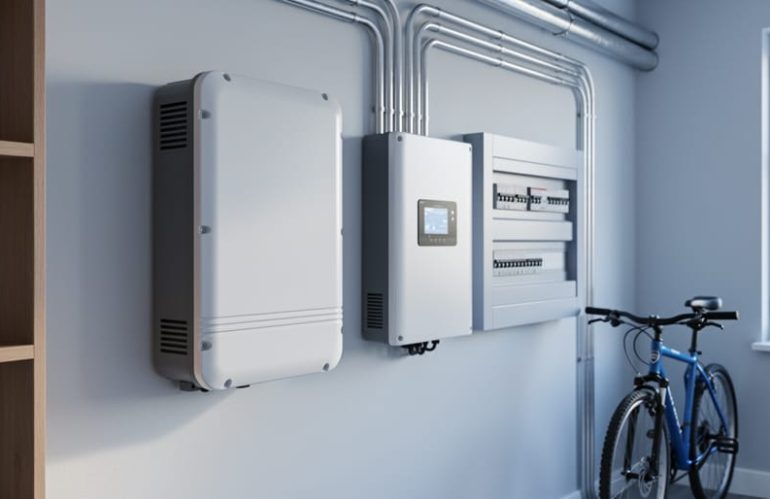
Start with professional installation. While it might be tempting to cut costs, certified installers understand proper placement, ventilation, and electrical requirements. They’ll ensure your system is positioned away from extreme temperatures and has adequate airflow. This single step eliminates most safety concerns before they can even develop.
Regular maintenance keeps your system running optimally. Schedule an annual inspection with a qualified technician who can check for signs of wear, verify all safety systems are functioning, and update software if needed. Think of it like servicing your car—routine checkups catch small issues before they become problems. Many manufacturers offer monitoring apps that alert you to any performance changes, making it easy to stay informed about your system’s health.
Pay attention to your battery’s environment. Keep the area around your system clean and clear of flammable materials. If your battery is in a garage, don’t store gasoline, paint thinners, or other combustibles nearby. Ensure the space maintains moderate temperatures—extreme heat or cold can stress the system unnecessarily.
Listen to your system. Modern batteries are incredibly quiet, so if you notice unusual sounds, odors, or your monitoring app shows unexpected behavior, contact your installer immediately. These systems are designed to communicate when something needs attention.
Remember that today’s emergency power systems include sophisticated monitoring that works 24/7. You don’t need to become an expert—the technology and your qualified installer handle the heavy lifting. By choosing quality equipment, working with certified professionals, and following basic maintenance guidelines, you’re investing in both energy independence and long-term safety for your home.
Debunking Common Fears About Home Battery Safety
Let’s put those battery fire worries into perspective. The truth is, your home battery is likely safer than several items already in your house.
Consider this: according to the National Fire Protection Association, dryers cause nearly 14,000 home fires annually in the United States. Your toaster? Also statistically more likely to cause a fire than a modern home battery system. Yet we use these appliances daily without a second thought.
Home battery fires are extremely rare. Out of hundreds of thousands of residential battery installations across the country, serious incidents remain in the single digits. Compare that to the 358,500 home structure fires reported each year from all causes, and you’ll see that batteries don’t even register as a significant risk category.
The myth that batteries are ticking time bombs simply doesn’t hold up to scrutiny. Today’s home batteries include multiple backup safety systems that work around the clock. They’re monitored constantly, have automatic shutdown features, and are built with materials specifically designed to contain problems before they start.
Another common misconception is that all lithium batteries are the same. The lithium-ion batteries in home energy systems are fundamentally different from those in hoverboards or phones that made headlines years ago. They use different chemistry, operate at lower stress levels, and include commercial-grade safety features that consumer electronics simply don’t have.
The bottom line? When installed correctly by qualified professionals, home batteries are remarkably safe investments in your energy independence.
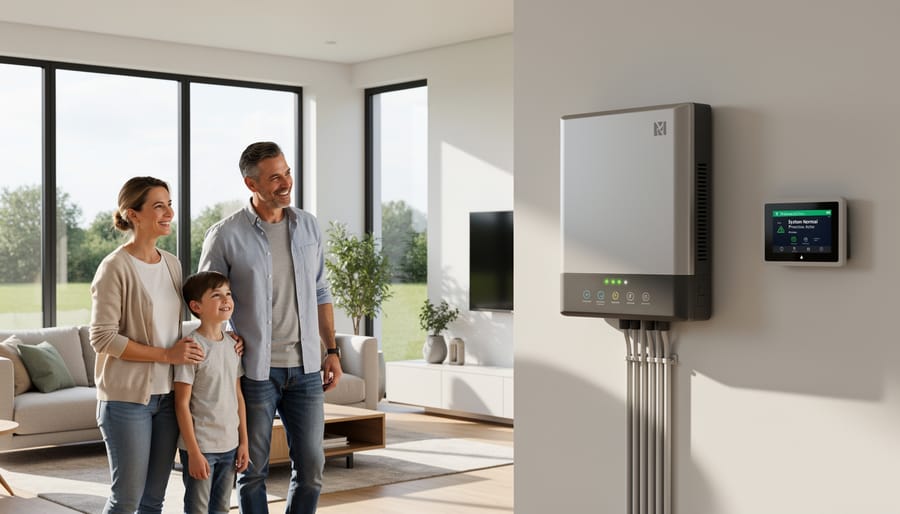
Modern home battery systems are remarkably safe, thanks to multiple layers of protection that work together to prevent thermal runaway before it ever becomes an issue. The real-world data speaks volumes: millions of systems operate daily without incident. When you weigh the financial savings, energy independence, and environmental benefits against the extremely minimal risks, the decision becomes clear. By protecting your solar investment with quality battery storage, you’re making a smart, safe choice for your home and our planet. Move forward with confidence knowing that today’s battery technology has your safety covered.