Choosing between LFP and NMC batteries for your solar system doesn’t have to feel overwhelming. These two technologies dominate the home energy storage market, each with distinct advantages that matter for your wallet, safety, and long-term satisfaction. LFP (Lithium Iron Phosphate) batteries excel in longevity and thermal stability, typically lasting 4,000-10,000 charge cycles and maintaining performance in extreme temperatures. NMC (Nickel Manganese Cobalt) batteries pack more energy into smaller spaces, making them ideal when installation room is limited, though they generally cycle fewer times before capacity degrades. The real question isn’t which technology is universally better, but which aligns with your specific priorities: upfront cost versus lifetime value, physical space constraints versus maximum storage capacity, and your climate conditions. Understanding how these practical differences translate to your daily energy independence and monthly savings will cut through the marketing hype and reveal which battery chemistry deserves your investment. This comparison strips away technical jargon to focus on what actually impacts your experience as a homeowner transitioning to solar energy storage.
The Simple Truth About Battery Chemistry (Without the Science Lecture)
Think of battery chemistry like choosing between two different types of kitchen appliances. Both get the job done, but they have different strengths depending on what matters most to you.
LFP stands for Lithium Iron Phosphate. These batteries are like that reliable, heavy-duty cast iron skillet that lasts forever and can handle high heat without any drama. They’re incredibly stable, won’t catch fire even under stress, and keep working dependably for decades. The trade-off? They’re a bit bulkier and store slightly less energy per pound.
NMC stands for Nickel Manganese Cobalt. Think of these as your sleek, high-performance blender. They pack more power into a smaller, lighter package, which is why they’re popular in electric vehicles where weight matters. They can deliver energy faster and fit into tighter spaces.
Here’s what this means for your home: LFP batteries are the marathon runners of the battery world. They handle daily charging and discharging without breaking a sweat, maintaining their capacity through thousands of cycles. They’re particularly forgiving if you regularly drain them completely or charge them to 100%.
NMC batteries are the sprinters with excellent energy density. They excel when you need maximum power in minimum space, though they prefer gentler treatment to maintain their longevity.
Both technologies work seamlessly with modern battery system configurations, storing your solar energy for use when the sun goes down. The real question isn’t which is better overall, but which better matches your specific priorities: maximum safety and lifespan, or compact size and energy density.
Lifespan: Which Battery Outlasts the Other?
When it comes to getting the most years out of your investment, LFP batteries are the clear winner. Here’s the good news: both technologies will serve you well, but one will likely outlast the other by a significant margin.
Battery lifespan is measured in cycles—one cycle means charging your battery to full and then using that energy. Think of it like filling and emptying a water tank. Most manufacturers guarantee their batteries will maintain at least 80% of their original capacity after a certain number of cycles, which is when most people consider replacement.
LFP batteries typically offer 6,000 to 10,000 cycles before dropping to 80% capacity. In real-world terms, if you cycle your battery once daily, that’s roughly 16 to 27 years of reliable service. Some premium LFP systems even push beyond 10,000 cycles. NMC batteries, while still impressive, generally provide 3,000 to 5,000 cycles—translating to about 8 to 14 years with daily use.
What does this mean for your wallet? Let’s say you invest in a battery system today. With an LFP battery, you might never need to replace it during your time in your home. With an NMC battery, you’ll likely face one replacement cost within 10 to 15 years, which could run several thousand dollars depending on your system size.
The longevity advantage of LFP batteries stems from their stable chemical structure, which degrades more slowly over time. They handle the daily charge-discharge routine with less stress on the battery cells. NMC batteries, while energy-dense and powerful, experience more wear during each cycle.
For homeowners planning to stay in their homes long-term or wanting to maximize their return on investment, the extended lifespan of LFP batteries often offsets any higher upfront cost. You’re essentially buying peace of mind and avoiding future replacement headaches.
Safety First: What You Need to Know About Fire Risk
Let’s clear the air about battery safety, because you’ve probably seen those dramatic videos of batteries catching fire. Here’s the honest truth: while any lithium battery can theoretically catch fire under extreme conditions, the real-world risk in your home is remarkably low when properly installed, and LFP batteries have a distinct advantage.
LFP batteries are inherently more thermally stable than NMC batteries. In simple terms, they can handle higher temperatures before anything goes wrong, and they’re less likely to experience thermal runaway—that’s the technical term for when a battery overheats and can’t stop itself. Think of it like comparing cooking oils: some smoke at higher temperatures than others. LFP is the high-heat oil of the battery world.
NMC batteries, while safe when manufactured and installed correctly, are slightly more temperature-sensitive. They require more sophisticated cooling and monitoring systems to maintain optimal safety. This doesn’t mean they’re dangerous—millions of NMC batteries operate safely in homes worldwide. Reputable manufacturers include multiple safety layers: temperature monitoring, automatic shutoffs, and robust housing that meets strict safety standards.
The myth to debunk: battery fires in home energy systems are extremely rare. Your water heater and dryer pose statistically higher fire risks. Modern battery systems, whether LFP or NMC, include extensive safety certifications and protections. The key is choosing quality products from established manufacturers and having them professionally installed.
For peace of mind, especially in garages or enclosed spaces with temperature fluctuations, LFP’s superior thermal stability gives many homeowners an extra comfort level. It’s a genuine advantage, though both technologies are safe when treated as the sophisticated electrical systems they are.
Storage Capacity: Getting the Most Power in the Smallest Space
When deciding between LFP and NMC batteries for your home, understanding how much space each requires can help you plan your installation.
NMC batteries take the lead in energy density, meaning they pack more power into a smaller physical footprint. If you have limited wall space or prefer a more compact installation, NMC batteries typically require about 20-30% less room than LFP batteries to store the same amount of energy. For homeowners with smaller utility rooms or tight garage spaces, this advantage can make installation planning much simpler.
However, the space difference isn’t as dramatic as you might think. For a typical home battery system storing 10-15 kilowatt-hours of energy, we’re talking about the difference between a small suitcase and a medium-sized one. Both battery types are designed to mount on walls, so neither will dominate your living space.
Here’s the good news: most homes have adequate space for either option. LFP batteries may be slightly larger, but modern designs are sleek and can fit comfortably in garages, basements, or utility areas. The real question isn’t whether you have space, but whether that extra few inches matters in your specific installation location.
Many homeowners find that the space consideration becomes secondary once they see the actual dimensions. The difference rarely becomes a dealbreaker, especially when weighed against other factors like budget, safety features, and how long the battery will last. Your installer can evaluate your available space and confirm that either technology will work perfectly fine in your home.
Performance in Real Weather: Heat, Cold, and Everything Between
Temperature performance is where these two battery chemistries show some of their most distinct differences, and understanding this can save you from unexpected headaches down the road.
NMC batteries are the sensitive type when it comes to weather extremes. They prefer moderate temperatures and can lose significant capacity when the mercury drops below freezing or climbs above 95°F. In practical terms, if you live in Minnesota or Arizona, your NMC battery will likely need climate control to maintain optimal performance. This means additional equipment costs for heating or cooling systems, plus the ongoing energy expense to run them. Think of it as needing to keep your battery comfortable year-round, which somewhat defeats the purpose of energy independence.
LFP batteries, on the other hand, are the tough ones. They handle temperature swings much better, operating efficiently in a wider range from about 20°F to 140°F. While extreme cold still affects them somewhat, they bounce back without permanent damage once temperatures normalize. Many homeowners in regions with harsh winters or scorching summers find that LFP batteries need minimal or no climate control, which translates to lower installation costs and reduced maintenance worries.
Here’s the real-world impact: if you live in a temperate climate, either battery type will serve you well. But if you experience regular temperature extremes, LFP batteries often prove more cost-effective and reliable over time. You won’t be paying to heat or cool a garage just to keep your battery happy, and you’ll have peace of mind knowing your system won’t underperform during those critical hot summer afternoons or cold winter mornings when you need backup power most.
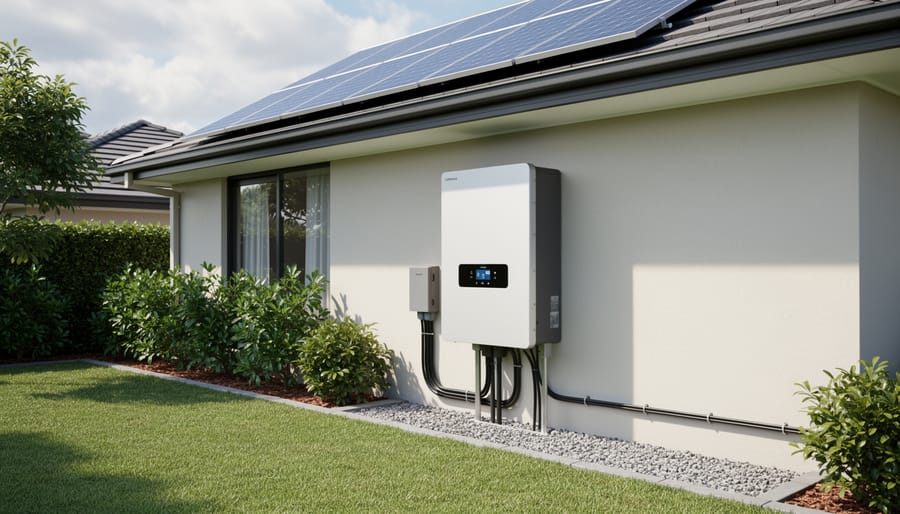
The Bottom Line: Upfront Costs vs Long-Term Savings
When you’re weighing LFP versus NMC batteries for your home, understanding the complete financial picture matters more than just comparing sticker prices. While NMC batteries often come with a lower upfront cost—sometimes 10-20% less expensive—this initial savings can be misleading when you factor in what you’ll actually spend over the battery’s lifetime.
LFP batteries shine when you look at the long game. They typically last 4,000 to 6,000 charge cycles compared to NMC’s 1,000 to 3,000 cycles. In practical terms, an LFP battery might serve you well for 12-15 years with daily use, while an NMC battery may need replacement after 7-10 years. That means you could be buying a second NMC battery before your single LFP investment needs replacing, quickly erasing any initial savings.
The math gets even more compelling when you consider maintenance and efficiency. LFP batteries require virtually no maintenance and maintain their performance better over time. They also handle more usable capacity—you can safely discharge them to nearly 100% without damaging the cells, whereas NMC batteries perform best when you limit discharge to around 80%. This means a 10 kWh LFP system effectively gives you more available energy than a comparable NMC setup.
When calculating your return on investment alongside total solar installation costs, consider this: if an LFP battery costs $8,000 and lasts 15 years, your annual cost is roughly $533. An NMC battery at $6,500 lasting 8 years works out to about $812 annually—then you’ll need another one.
The bottom line? LFP batteries typically deliver better total cost of ownership despite higher initial investment. For homeowners committed to long-term energy independence and sustainability, paying more upfront often means paying less overall while enjoying greater peace of mind and fewer headaches down the road.
Environmental Impact: Which Battery is Greener?
When it comes to environmental impact, LFP batteries take a clear lead. The materials used in LFP batteries—lithium, iron, and phosphate—are more abundant and less environmentally damaging to extract compared to NMC batteries, which require cobalt and nickel. Cobalt mining, in particular, raises ethical and environmental concerns due to challenging extraction processes and associated human rights issues in some regions.
LFP batteries also have a longer lifespan, typically lasting 4,000 to 6,000 cycles compared to NMC’s 2,000 to 3,000 cycles. This longevity means fewer replacements over time, reducing waste and the environmental footprint of manufacturing new batteries. Think of it this way: one LFP battery can do the job of two NMC batteries over its lifetime.
Recycling is another important factor. While both battery types are recyclable, LFP batteries contain no toxic heavy metals, making the recycling process simpler and safer. NMC batteries require more complex recycling procedures to handle cobalt and nickel safely.
From a manufacturing standpoint, producing LFP batteries generally has a lower carbon footprint because the materials are easier to source responsibly. When you’re investing in quality solar components, choosing LFP means you’re supporting a more sustainable energy storage solution that aligns with your environmental values while still delivering excellent performance for your home.
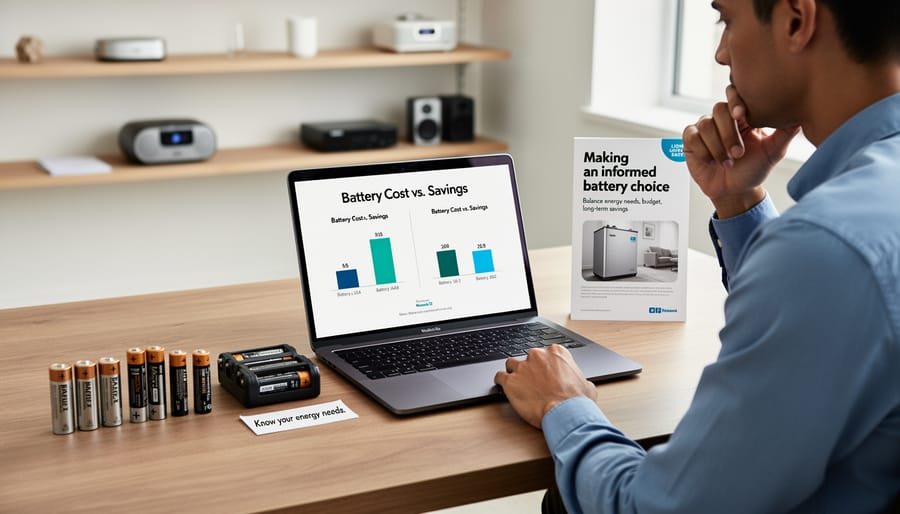
Making the Right Choice for Your Home
Choosing between LFP and NMC batteries doesn’t have to be complicated when you match the technology to your specific situation. Here’s how to make the right call for your home.
If you live in an area with extreme temperatures—particularly hot climates—LFP batteries are your best bet. They handle heat better and won’t degrade as quickly in your Arizona garage or Florida carport. For homeowners in moderate climates, NMC batteries work perfectly fine and might save you some upfront costs.
Budget-conscious homeowners should look beyond the price tag. While NMC batteries often cost less initially, LFP batteries typically last 15-20 years compared to NMC’s 10-12 years. That longer lifespan means you’re replacing your battery less frequently, which usually makes LFP the better long-term investment despite higher upfront costs.
Space-constrained homes benefit from NMC’s higher energy density. If your garage or utility room is tight on space, NMC batteries pack more power into a smaller footprint. However, if space isn’t an issue, LFP’s safety advantages and longevity make it worth the extra room.
Consider your energy needs and whether you’re planning off-grid or grid-tied systems. Off-grid homeowners who cycle their batteries daily should lean toward LFP for its superior cycle life. Grid-tied systems with occasional backup use can work well with either technology.
Safety-first households, especially those with batteries installed near living spaces, should prioritize LFP’s thermal stability. The peace of mind alone makes it worthwhile for many families.
The bottom line? LFP suits most homeowners looking for long-term reliability and safety, while NMC works well for budget-focused installations in moderate climates with space limitations.
Here’s the truth: there’s no single “best” battery for everyone. Both LFP and NMC batteries offer genuine advantages, and the right choice depends on your unique situation. If safety, longevity, and predictable performance matter most to you, LFP batteries typically shine. If you need maximum energy storage in a compact space and live in a moderate climate, NMC batteries could be your ideal match.
The good news is that both technologies have improved dramatically alongside modern solar technology, meaning you’re choosing between two solid options rather than picking a winner from a flawed lineup. Your decision should factor in your budget, available space, local climate, how long you plan to stay in your home, and your daily energy needs.
Don’t navigate this decision alone. The best next step is consulting with a qualified solar professional who can assess your specific circumstances, run the numbers for your household, and recommend a solution tailored to your goals. A personalized evaluation considers variables that generic comparisons simply can’t address, ensuring you invest in a system that delivers real value for years to come.