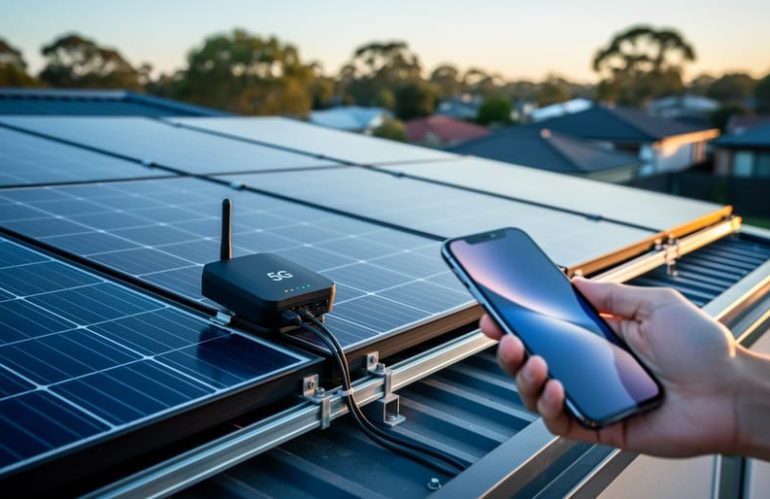
Your solar panels are generating power right now, but are you actually tracking every watt they produce? Most homeowners leave thousands of dollars on the table simply because they can’t see when their system underperforms or fails completely.
5G IoT devices have transformed solar monitoring from a luxury add-on into an essential tool for protecting your investment. These smart sensors connect your solar panels directly to your smartphone, delivering real-time performance data without the lag and dropout issues that plagued older Wi-Fi systems. The difference is significant: 5G technology transmits data up to 100 times faster than 4G, meaning you’ll know within seconds if a panel stops working, not days or weeks later.
The financial impact speaks for itself. Homeowners with 5G-enabled monitoring catch performance issues an average of 47 days earlier than those relying on monthly utility bills alone. That’s over six weeks of potential energy loss prevented, translating to hundreds of dollars saved annually on a typical residential system.
Beyond the money, these devices eliminate the guesswork around whether your solar investment is delivering promised returns. You’ll see exactly how much energy you’re producing, how much you’re consuming, and where opportunities exist to shift usage patterns for maximum savings. The technology isn’t complicated or expensive to add, especially during initial installation, and it pays for itself through improved system uptime and optimized energy management.
This guide breaks down everything you need to know about choosing and using 5G IoT devices for solar monitoring.
What 5G IoT Devices Actually Do for Your Solar Panels
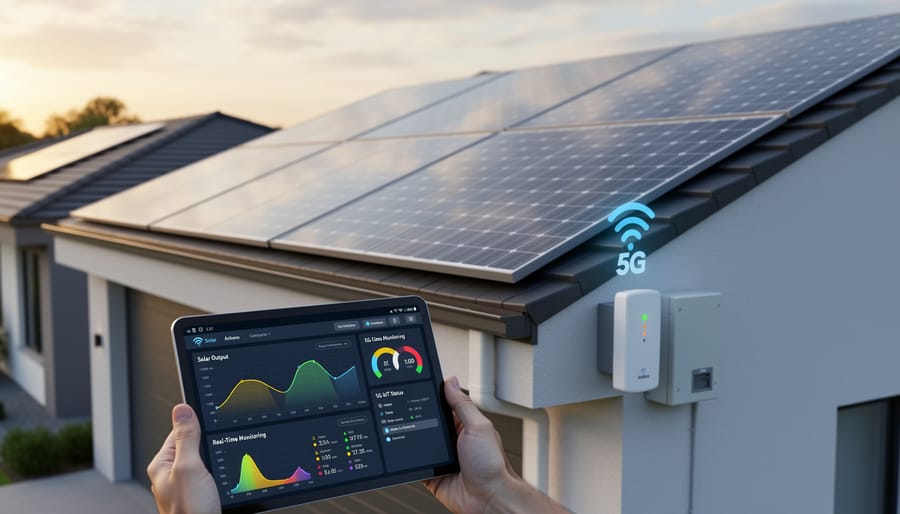
Real-Time Monitoring That Actually Matters
Think of how frustrating it is to discover a problem with your solar panels weeks after it started—when you’ve already lost hundreds of dollars in energy production. That’s where 5G changes everything for your solar monitoring system.
With 5G-powered IoT devices, you get instant alerts the moment something goes wrong. If a single panel develops a hot spot that could lead to failure, you’ll know within seconds—not days or weeks later when you notice your electric bill creeping up. When a tree branch casts unexpected shade on your array, your phone buzzes immediately so you can trim it back before losing a full day’s production.
The speed difference is dramatic. Older monitoring systems might check your panels every 15 minutes or only sync data when you open an app. 5G devices send continuous updates in real-time, catching issues like inverter malfunctions, unexpected drops in output, or connection problems right as they happen.
This matters for your wallet. Catching a malfunctioning optimizer early might save you $50 in lost production. Spotting debris coverage before a storm season could preserve thousands in annual energy generation. Real-time monitoring transforms your solar investment from a “set it and forget it” system into one that actively protects your savings every single day.
The Difference Between 5G and Older Technology
If you’ve been using Wi-Fi to monitor your solar panels, you’ve probably experienced frustrating disconnections or dead zones around your property. Traditional Wi-Fi monitoring requires your panels to stay within range of your home router, which doesn’t always reach every corner of your roof or yard.
4G technology improved on this by using cellular networks, but it comes with slower data speeds and can struggle when multiple devices compete for bandwidth in your neighborhood. During peak usage times, you might notice delays in receiving updates about your system’s performance.
5G changes the game entirely. Think of it as upgrading from a two-lane country road to a multi-lane highway. Your solar monitoring data reaches you almost instantly, even if you’re checking from across town. The connection remains rock-solid regardless of how far your panels are from your home router because it operates on dedicated cellular networks.
The real benefit? You’ll never miss important alerts about your system’s performance. If something needs attention, you’ll know right away rather than discovering it days later when checking your app. This reliability means you can maximize your energy savings and catch small issues before they become costly problems.
Three Ways 5G IoT Saves You Money on Solar
Catch Problems Before They Drain Your Wallet
Imagine waking up to discover your solar system hasn’t been producing energy for three days because of a simple wiring issue. That’s lost savings you can never recover. With 5G IoT monitoring, those days are over. These smart devices send real-time alerts straight to your phone the moment something goes wrong.
Picture this scenario: a single panel gets partially shaded by a growing tree branch, reducing your system’s output by 20%. Without monitoring, you might not notice for months. With 5G connectivity, you’ll get an alert within hours, allowing you to trim that branch and restore full production immediately.
The same applies to inverter malfunctions, loose connections, or unusual drops in performance. Early detection means addressing small problems before they snowball into expensive repairs. One homeowner caught a minor inverter issue that would have cost $3,000 to replace entirely, but only $200 to fix early. That’s the peace of mind these devices deliver, protecting both your investment and your energy savings.
Optimize Your Energy Usage Like Never Before
5G IoT devices transform your solar system into a smart energy management tool that works around the clock to save you money. With data updating every few seconds instead of every 15 minutes, you’ll see exactly when your panels produce the most power and when your home uses the most electricity.
This real-time visibility lets you make smarter decisions about when to run energy-hungry appliances. Running your dishwasher, charging your electric vehicle, or doing laundry during peak solar production hours means you’re using free energy from your panels instead of expensive electricity from the grid. Many homeowners discover they’ve been unknowingly buying power during costly peak hours when they could have been using their own solar energy.
The financial impact adds up quickly. By shifting just a few high-energy tasks to match your solar production, you can increase your energy self-consumption from around 30% to 60% or more. That means you’re buying less grid power at premium rates and potentially eliminating demand charges altogether. Some homeowners report saving an additional $30-50 monthly just by timing their energy use better, turning their solar investment into an even bigger money-saver without changing their lifestyle.
Predict Maintenance Before It Becomes Emergency Repair
Nobody wants their air conditioner to fail during a heat wave or their solar inverter to quit on the sunniest day of the year. With 5G IoT devices monitoring your home energy systems, those emergency scenarios become much less likely. These smart devices continuously track performance patterns and subtle changes that signal potential problems weeks or months before equipment actually fails.
Think of it like your car’s check engine light, but much smarter. Your solar monitoring system can detect when an inverter’s efficiency drops slightly or when a component’s temperature runs higher than normal. Instead of waking up to a dead system, you’ll receive an alert suggesting you schedule service at your convenience. This predictive maintenance approach saves you money in two important ways: you avoid premium emergency repair rates that can cost 50-100% more than scheduled service, and you prevent secondary damage that occurs when failing components go unaddressed. You’re in control of the timing, scheduling repairs during normal business hours when technicians charge standard rates. For homeowners managing multiple smart systems beyond solar, this proactive approach brings genuine peace of mind and keeps your sustainable home running efficiently year-round.
What You’ll See on Your Phone (It’s Easier Than You Think)

Simple Dashboards That Make Sense
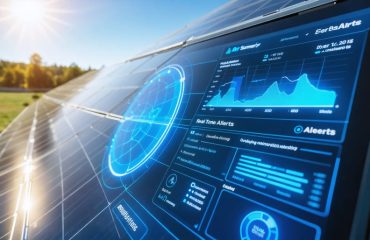
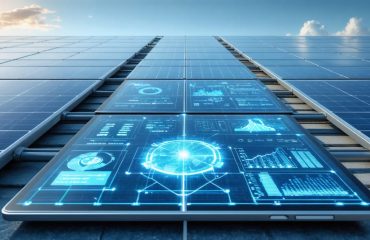
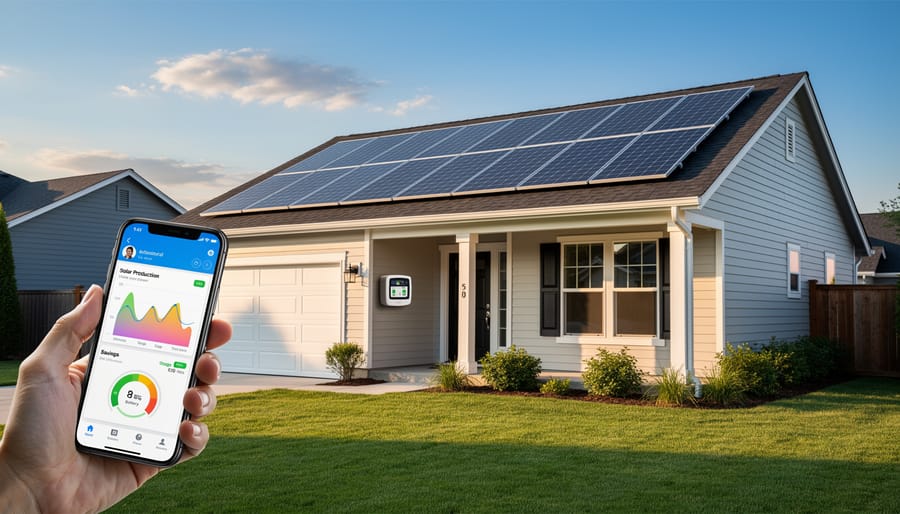
Modern 5G IoT solar monitoring systems transform complex data into straightforward visuals that anyone can understand. Your smartphone or tablet displays colorful graphs showing how much energy your panels produce hour by hour, making it easy to spot your sunniest days and peak performance times. You’ll see real-time power output measured in kilowatts, updated every few seconds through your remote monitoring connection.
The dashboard calculates your monthly and yearly savings automatically, comparing your solar production against typical utility rates so you can watch your investment pay off. Most apps include simple health indicators using green checkmarks or friendly status messages to confirm everything’s working properly. If something needs attention, you’ll get plain-language alerts explaining the issue without confusing technical codes.
These interfaces often show environmental impact too, translating your energy production into relatable terms like trees planted or carbon offset. The best part? You don’t need any technical knowledge to understand these dashboards. They’re designed with everyday homeowners in mind, presenting your solar system’s performance as clearly as checking your bank balance.
Alerts That Actually Help
Your solar monitoring system sends you straightforward messages that actually help you take action. Instead of confusing technical data, you’ll receive plain-English notifications like “Your east panel array is producing 15% less than expected—leaves may need clearing” or “Great news! You generated enough energy today to cover your entire home’s usage.” These alerts are designed to notify you only when something needs attention or when there’s good news to celebrate. You won’t be bombarded with constant updates about minor fluctuations. The system learns your patterns and filters out noise, so when you do get a notification, it’s worth reading. Many systems also include monthly summaries that show your savings in actual dollars, making it easy to see your return on investment without digging through complex reports. This smart filtering means you stay informed without feeling overwhelmed, and you can quickly address issues before they impact your energy production or savings.
Common Myths About 5G IoT Solar Monitoring (Debunked)
“It’s Too Complicated for Me”
You don’t need a computer science degree to use modern solar monitoring technology. Today’s 5G IoT devices are designed with regular homeowners in mind, not engineers. Most systems work right out of the box—simply plug them in, and they automatically start tracking your solar production. The setup typically takes less than 15 minutes.
The apps that come with these devices use simple, visual displays. You’ll see colorful charts showing how much energy you’re generating and where it’s going, all presented in plain English. No complicated codes or confusing technical readouts. Think of it like checking the weather on your phone—just tap the app and instantly see what’s happening with your solar panels. Many homeowners find themselves checking their energy production while having morning coffee, pleasantly surprised by how straightforward everything is. The technology handles all the complex work behind the scenes while you simply enjoy the benefits and savings.
“5G Will Interfere with My System”
Good news: 5G technology won’t interfere with your solar panels or home systems. This concern stems from misunderstandings about how wireless signals work. 5G operates on different frequencies than your solar equipment, meaning they don’t overlap or disrupt each other.
Think of it like radio stations—multiple stations broadcast simultaneously without interfering because they use separate channels. Your solar monitoring device communicates on its own dedicated frequency, completely independent of your panels’ electrical operation.
These devices undergo rigorous safety testing and meet strict regulatory standards before reaching your home. They emit extremely low power levels, similar to your smartphone or Wi-Fi router. In fact, many homeowners already use multiple wireless devices daily without any issues.
Your solar system will continue generating clean energy exactly as designed, while your 5G monitoring device simply sends performance data to your phone—two completely separate functions working in harmony.
“The Extra Cost Isn’t Worth It”
Yes, 5G IoT devices typically cost more upfront than basic monitoring systems, but here’s what many homeowners discover: the initial price difference becomes insignificant compared to what you save over time. Think of it as choosing between a cheap smoke detector that might not work when you need it, versus one that reliably protects your investment.
When your monitoring system catches a performance drop early, you avoid costly repairs down the road. A small issue detected today might cost $200 to fix, while that same problem left unnoticed for months could balloon into a $2,000 panel replacement. The real-time alerts mean you’re not losing hundreds of dollars in electricity production while problems go undetected.
Beyond preventing expensive repairs, these devices help your entire solar system run at peak efficiency. That means more energy production, lower utility bills, and faster return on your solar investment. Most homeowners find the technology pays for itself within the first year or two, then continues delivering value for the 25-plus year lifespan of their solar panels. When you factor in avoided repairs, optimized energy production, and extended equipment life, the math clearly favors the smarter technology.
Is 5G IoT Monitoring Right for Your Home?
Upgrading to 5G IoT monitoring makes the most sense if you’re investing in a new solar system or already have a moderately sized installation. Homeowners with arrays of six panels or more typically see the greatest value, as real-time monitoring helps identify issues quickly across multiple panels and maximizes energy production.
Your location plays an important role too. If you live in an area with reliable 5G coverage, you’ll enjoy seamless connectivity and instant data updates. However, if you’re in a rural area with spotty 5G service, traditional Wi-Fi-based monitoring might serve you better for now. The good news is that 5G networks are expanding rapidly, so coverage gaps are shrinking.
Consider your goals as well. If you’re passionate about optimizing every kilowatt-hour and want detailed insights into your energy patterns, 5G monitoring delivers the precision you need. It’s also ideal for homeowners who travel frequently or manage multiple properties, since you can check system performance from anywhere without relying on home internet connectivity.
Budget-conscious homeowners should know that many solar installers now include 5G monitoring as a standard feature, eliminating the upgrade cost entirely. Even when there’s an additional fee, the investment typically pays for itself through improved system performance and early problem detection that prevents costly repairs.
The bottom line? If you value convenience, detailed insights, and want to squeeze every dollar of savings from your solar investment, 5G IoT monitoring is worth serious consideration.
Investing in 5G IoT technology for your solar monitoring system means more than just keeping tabs on your panels. It’s about gaining genuine peace of mind knowing your system is performing optimally, catching potential issues before they cost you money, and ensuring every ray of sunshine translates into maximum savings on your energy bills. With real-time insights at your fingertips and alerts that keep you informed without overwhelming you, managing your solar investment becomes practically effortless.
The beauty of modern 5G IoT monitoring is how it simplifies sustainable living. You don’t need to be tech-savvy or spend hours analyzing data. The technology works quietly in the background, empowering you to make smarter energy decisions while your system takes care of itself. As solar technology continues advancing and becoming more accessible, tools like these make the transition to clean energy not just environmentally responsible, but genuinely rewarding for your household budget.
Ready to get more from your solar investment? Explore the monitoring options available for your system and discover how straightforward it can be to optimize your clean energy journey.