Your solar panels are losing efficiency right now, and most homeowners don’t realize it. Dust, debris, and environmental buildup can reduce your system’s output by 20-30% annually, directly impacting the money-saving benefits you invested in. The good news? Modern maintenance has evolved far beyond climbing on your roof with a garden hose.
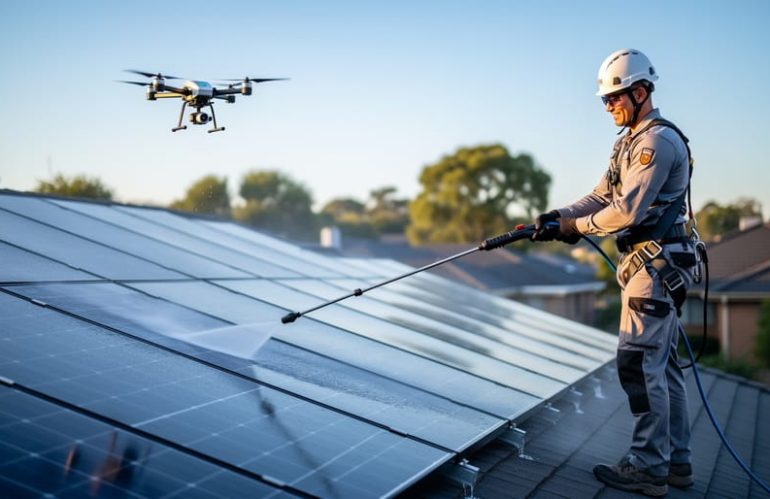
Smart monitoring systems now alert you to performance drops before they become costly problems, while automated cleaning technologies eliminate the guesswork and physical labor. Professional-grade water-fed poles with purified water systems prevent mineral deposits without leaving residue, and drone inspections identify micro-cracks and hotspots invisible to the naked eye. These innovations transform maintenance from a dreaded chore into a streamlined process that actually protects your investment.
The financial implications are clear: proper maintenance extends your system’s lifespan by 10-15 years and maintains peak energy production, maximizing your return on investment. Yet many homeowners either over-maintain their systems with harsh chemicals that damage protective coatings, or neglect them entirely until performance plummets.
This guide cuts through the confusion with proven techniques that balance effectiveness with practicality. You’ll discover which maintenance tasks truly matter, which ones waste your time and money, and how to implement a schedule that keeps your panels performing at their best without breaking the bank or your back.
Why Modern Solar Panels Still Need Your Attention
Your solar panels are remarkably durable and designed to last decades, but they do need occasional attention to perform their best. Think of it like maintaining your car – it’s not about constant worry, but rather smart care that protects what you’ve invested in.
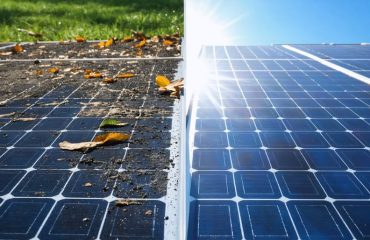
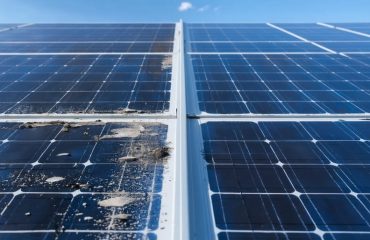
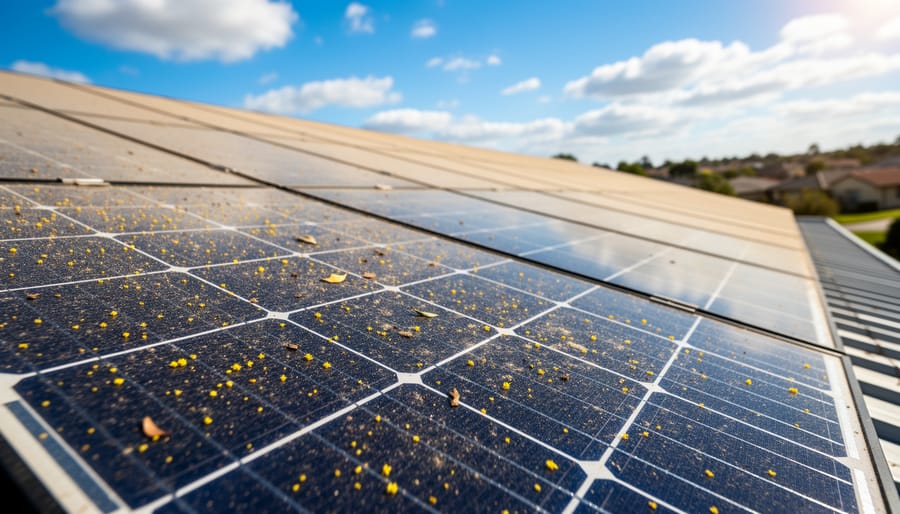
Here’s the good news: modern solar panels are incredibly resilient. However, nature doesn’t take breaks. Over time, dust, pollen, bird droppings, and leaves can accumulate on your panels’ surface. Even a thin layer of grime can block sunlight from reaching the solar cells, reducing how much energy your system produces. Studies show that neglected panels can lose 15-25% of their efficiency, which means you’re generating less free electricity and missing out on savings.
Environmental factors play a role too. If you live near the coast, salt spray can create a hazy film. In drier regions, dust storms leave behind stubborn deposits. Urban areas bring pollution particles that stick to panel surfaces. None of this is cause for alarm – it’s simply the reality of having equipment outdoors.
The financial impact is straightforward: when your panels underperform, you’re not maximizing your return on investment. That’s why understanding how dirty panels cost you money helps you make informed decisions about upkeep.
The solution isn’t complicated. Regular monitoring and occasional cleaning keep your system running at peak performance. You’re not fixing problems – you’re preserving the incredible benefits your solar investment provides. With smart maintenance practices, your panels will continue delivering clean energy and substantial savings for years to come, making every moment of attention worthwhile.
Smart Cleaning Methods That Actually Work
The Gentle Rain Effect: Water-Fed Pole Systems
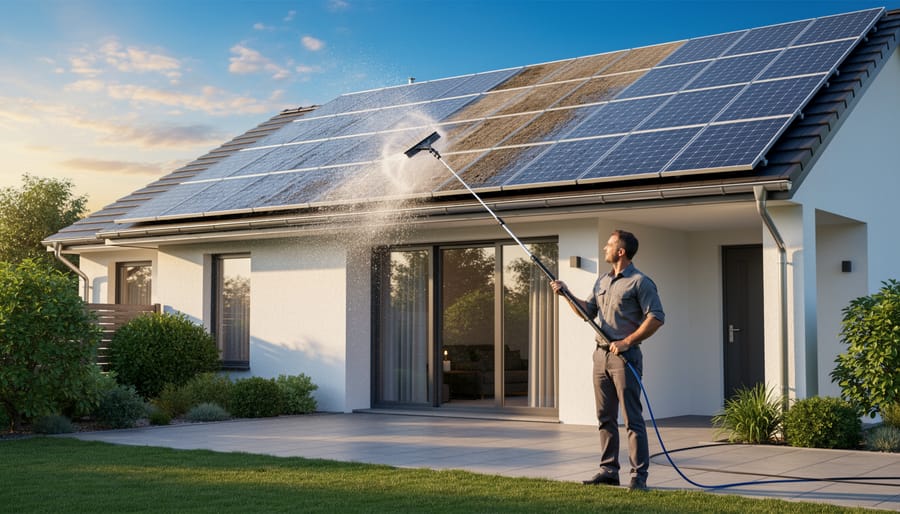
Gone are the days of precariously balancing on your roof with a bucket and sponge. Water-fed pole systems have revolutionized solar panel cleaning, making it safer and more effective than traditional methods. These specialized poles can extend up to 40 feet, allowing you to clean your panels from the safety of the ground.
The real magic happens with deionized water. Unlike tap water that leaves behind mineral deposits and streaks, deionized water is purified to remove all dissolved solids. When you rinse your panels with this ultra-pure water, it dries completely clear without any residue. Think of it as nature’s perfect rinse that leaves nothing behind.
This method eliminates the need for harsh chemicals or detergents that could potentially damage your panels or harm the environment around your home. The soft brushes attached to these poles gently agitate dirt and grime while the flowing water carries everything away. You’ll achieve professional-quality results without the professional price tag or safety risks. Many homeowners find they can maintain their panels quarterly using this simple system, keeping efficiency high and energy bills low year-round.
Self-Cleaning Coatings and Hydrophobic Solutions
Modern science has brought us an exciting solution that makes solar panel maintenance almost effortless: self-cleaning coatings. These innovative nano-coatings work by creating an ultra-smooth, hydrophobic (water-repelling) surface on your panels. Think of it like a high-tech version of a non-stick cooking pan, but for dirt and grime.
Here’s the real benefit: when rain falls on treated panels, water beads up and rolls off, taking dust, pollen, and other debris with it. This natural self-cleaning action can reduce your manual cleaning needs by up to 50%, saving you both time and money on maintenance costs.
These coatings typically last 1-3 years and are professionally applied in just a few hours. While there’s an upfront investment (usually $200-500 for an average residential system), the reduced cleaning frequency and improved energy output often pay for themselves within the first year. Your panels stay cleaner longer, which means they’re generating more electricity and putting more money back in your pocket. It’s a smart, set-it-and-forget-it approach that perfectly complements your sustainable lifestyle.
When to DIY and When to Call the Pros
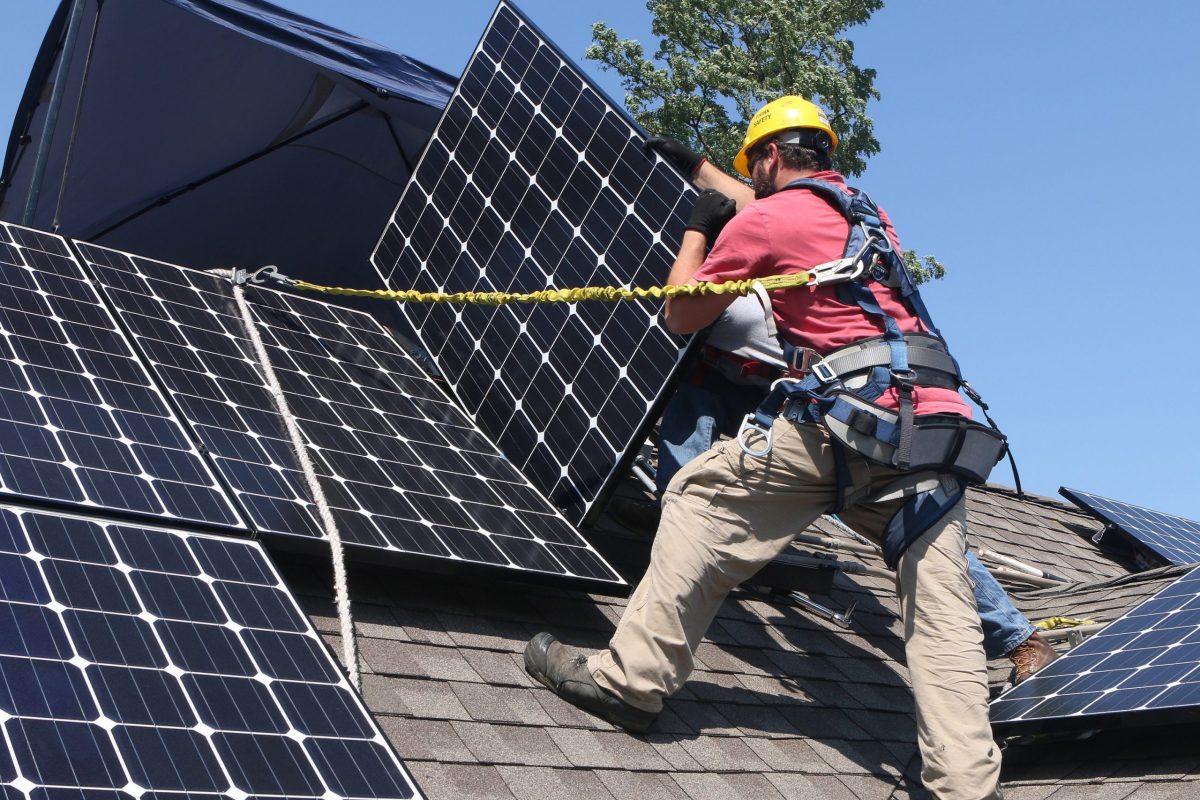
Most solar panel cleaning tasks are perfect for DIY, but knowing your limits keeps you safe and protects your investment. Ground-level panels with easy access are ideal for homeowners to maintain using the professional cleaning techniques we’ve covered. If you’re comfortable on a ladder and your panels sit on a single-story roof with good footing, you can handle routine maintenance yourself.
However, certain situations call for professionals. Steep roofs, multi-story installations, or panels requiring specialized equipment are better left to trained technicians. If you notice physical damage like cracks or loose connections, don’t attempt repairs yourself as this can void warranties and create safety hazards. Similarly, panels covered in stubborn residue like bird droppings, tree sap, or hard water deposits often need commercial-grade solutions.
Safety should always come first. Never work on wet or icy roofs, and skip the DIY route if you’re uncomfortable with heights. Professional services typically cost between 100 and 300 dollars annually, which might be worthwhile if your time is limited or your setup is complex.
The good news? Most homeowners find that quarterly DIY cleaning combined with an annual professional inspection strikes the perfect balance. This approach maximizes your energy production while keeping costs manageable, ensuring your solar investment continues delivering those energy bill savings you signed up for.
Monitor Your System Like a Pro (From Your Couch)
Smart Monitoring Apps That Pay for Themselves
Modern technology has transformed solar maintenance from guesswork into precision science, and the best part? These monitoring tools typically pay for themselves within the first year by catching efficiency problems early.
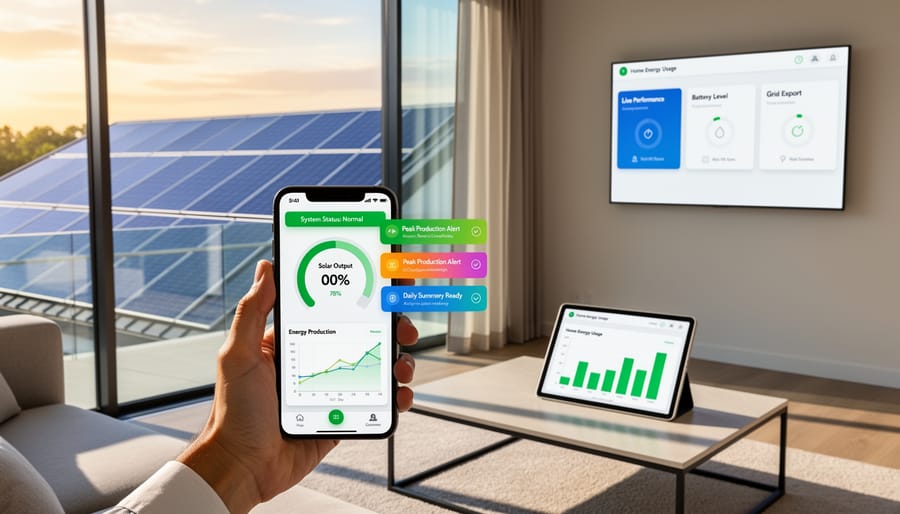
A quality solar monitoring system acts like a health tracker for your panels, providing real-time data on energy production right from your smartphone. These apps show you exactly how much electricity your system generates hour by hour, making it easy to spot when something’s off. If your panels suddenly produce 20% less power than usual, you’ll know immediately rather than discovering it months later on your utility bill.
The alert features are particularly valuable. Most apps send automatic notifications when production drops below expected levels, often before you’d notice any issue yourself. This early warning system means you can address problems like dirt buildup, shading from new tree growth, or equipment malfunctions before they significantly impact your savings.
Many monitoring systems also provide weather-adjusted performance comparisons, so you’ll understand whether lower production is due to cloudy weather or an actual maintenance issue. Some apps even track your environmental impact, showing how many tons of carbon emissions you’ve prevented, adding a feel-good factor to your investment.
The bottom line: spending around $200-400 on monitoring technology can help you avoid thousands in lost energy production over your system’s lifetime.
Reading the Signs: What Your Data Is Telling You
Your solar monitoring system is like a friendly health tracker for your energy production—it’s simpler to understand than you might think. Most modern systems show your daily energy output in an easy-to-read graph or number, and learning to spot the patterns can save you money and hassle.
Start by getting familiar with your typical production during sunny weeks. Once you know what’s normal for your home, drops of 10-15% or more signal it’s time to investigate. The most common culprit? Dust, pollen, or bird droppings blocking your panels—nothing serious, just a sign your system needs a quick clean.
Seasonal changes are completely normal, so don’t panic when winter production dips compared to summer. What you’re watching for are sudden drops that don’t match the weather. If your neighbors with similar systems are generating more power on the same sunny day, that’s your cue to take action.
Many monitoring apps now send automatic alerts when production falls below expected levels, taking the guesswork out entirely. These notifications often catch issues before you’d notice them on your electric bill, helping you address small problems before they become expensive ones.
The good news? Most performance dips have simple solutions. Regular monitoring means you’ll catch issues early when they’re easiest and cheapest to fix. Think of it as a money-saving habit that takes just minutes per week—a small investment of time that protects your larger investment in clean energy.
Seasonal Maintenance That Keeps You Ahead
Spring and Summer: Maximizing Peak Production
As the days grow longer and sunnier, your solar panels enter their most productive season. This is the perfect time to maximize your energy savings with a simple pre-summer inspection. Start by checking for pollen buildup, which is surprisingly common in spring and can reduce your system’s efficiency by up to 25 percent. A gentle rinse with a garden hose during early morning or evening hours usually does the trick, avoiding the midday heat that can cause water spots or thermal shock.
Look for any debris like leaves or bird droppings that accumulated during winter months. These seemingly minor obstructions can create hot spots and decrease overall performance. If you’re uncomfortable working on your roof, many solar maintenance services offer affordable spring cleaning packages that pay for themselves through improved energy production.
Summer also brings intense heat, which can ironically reduce panel efficiency. Ensure proper airflow around your panels by trimming nearby tree branches. This simple step keeps them cooler while preventing shading issues. By taking these proactive measures, you’ll enjoy peak performance when the sun is strongest, translating directly into lower electric bills and faster return on your solar investment.
Fall and Winter: Weather-Proofing Your Investment
As colder months approach, your solar panels need a bit of extra attention to keep generating savings through winter. The good news? Modern solar systems are incredibly resilient, and with a few simple steps, you can maintain peak performance year-round.
Fallen leaves are your panels’ biggest autumn adversary. They create shade that reduces energy production and can trap moisture, potentially causing damage over time. A quick visual inspection every few weeks helps you spot leaf buildup before it becomes problematic. If you notice accumulation, a soft brush or leaf blower works wonders for gentle removal.
Here’s a myth worth busting: snow doesn’t spell disaster for your solar investment. In fact, panels are designed to handle substantial snow loads, and their dark surface helps snow melt faster than it would on your roof. Light dustings typically slide off on their own thanks to the panels’ smooth, tilted surface. For heavier accumulation, patience is your best strategy. Most snow will naturally clear within a day or two. Never use sharp tools or hot water, which can crack the panels or void your warranty.
Before winter arrives, schedule a professional inspection to check mounting hardware, electrical connections, and weather sealing. This preventive step catches minor issues before harsh conditions amplify them. Many homeowners find that this simple autumn checkup protects their investment and ensures uninterrupted energy production, even when temperatures drop. Your panels are tougher than you think, and a little seasonal care goes a long way.
Innovative Technologies Making Maintenance Easier
Good news for solar panel owners: maintaining your system is getting easier thanks to some exciting new technologies that won’t break the bank. These innovations are transforming solar maintenance from a dreaded chore into a simple, hands-off process.
Robotic cleaning systems are leading the charge in making solar maintenance more accessible. These automated devices work like pool cleaners for your panels, traveling across your array to remove dust, pollen, and debris without you lifting a finger. Some models can be programmed to clean on a schedule, operating during off-peak hours when your panels aren’t generating peak power. The best part? Many robotic cleaners are now priced competitively with hiring professional cleaning services just twice a year, making them a smart long-term investment.
AI-powered monitoring systems are another game-changer for homeowners. These smart platforms connect to your solar array and continuously analyze performance data, alerting you to potential issues before they become expensive problems. Think of it as having a personal solar technician watching over your system 24/7. These systems can detect subtle changes in energy output that might indicate a dirty panel, a failing inverter, or shading issues you hadn’t noticed. The beauty is that most modern systems send straightforward alerts to your smartphone, explaining exactly what’s happening in plain English.
Predictive maintenance technology takes things even further by using historical data to forecast when components might need attention. Instead of waiting for something to break, these systems help you stay ahead of problems, scheduling maintenance during convenient times and potentially saving thousands in emergency repairs.
The financial benefits are clear: early problem detection means smaller repair bills, optimized cleaning schedules reduce water waste and labor costs, and maintained systems generate more power, directly increasing your energy savings. These technologies are making solar ownership truly hassle-free while protecting your investment for decades to come.
The Real Cost of Maintenance (It’s Less Than You Think)
Here’s a surprising truth: keeping your solar panels in top shape costs far less than most homeowners expect. When you compare the actual maintenance costs to the energy savings you’ll maintain, the numbers tell a compelling story.
Annual maintenance typically runs between $150 to $300 for professional service, which includes a thorough inspection and cleaning. That’s less than most people spend on a single monthly electric bill. For the DIY route, you’re looking at even smaller expenses: a quality cleaning kit costs around $50 and lasts for years, plus maybe an hour of your time twice a year.
Let’s put this in perspective. Well-maintained solar panels operate at peak efficiency, generating the maximum energy output you paid for when you installed your system. Even a modest 5% efficiency drop from neglected panels could mean losing hundreds of dollars in annual energy production. Regular maintenance prevents this loss, essentially paying for itself many times over.
The DIY versus professional decision comes down to your comfort level and time. Simple cleaning is straightforward and safe for most homeowners with the right equipment. However, professional services bring valuable expertise: they’ll spot potential issues early, check electrical connections, and ensure your system’s warranty remains intact.
Consider this your maintenance budget working as an investment. Spending a few hundred dollars annually protects a system worth tens of thousands while ensuring you capture every dollar of energy savings possible. That’s not an expense, it’s smart financial planning that keeps your sustainable investment performing at its best for decades.
Protecting your solar investment doesn’t require complicated routines or expensive service contracts. The truth is, maintaining your residential solar panels is far simpler than most homeowners realize. With just a few basic habits like regular visual inspections, occasional cleaning, and monitoring your system’s performance through smart technology, you can ensure your panels operate at peak efficiency for decades to come.
The financial benefits speak for themselves. A well-maintained solar system delivers consistent energy savings month after month, protecting you from rising utility costs while reducing your environmental footprint. By investing just a few hours each year in simple maintenance tasks, you’re safeguarding thousands of dollars in long-term savings.
Now is the perfect time to take control of your energy future. Start by scheduling your first seasonal inspection, setting up performance monitoring alerts, and creating a simple maintenance calendar. These small steps today will pay dividends for years to come, keeping your system running efficiently while you enjoy the independence and savings that solar energy provides. Your sustainable energy journey doesn’t end with installation—it thrives with smart, consistent care.