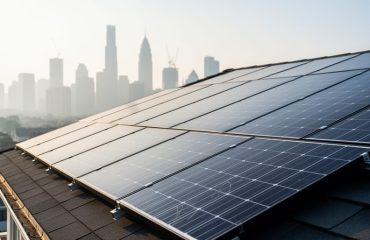
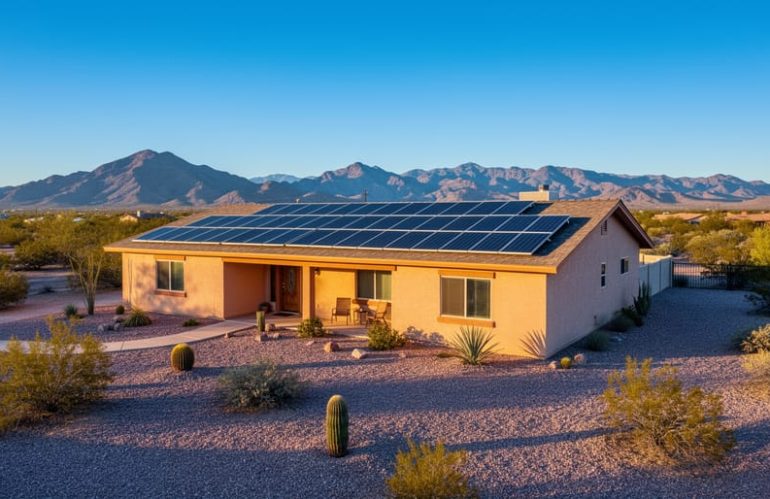
Quartzsite’s intense desert sun delivers over 300 days of sunshine annually, making it one of the most profitable locations in America for solar energy production. If you’re wondering whether extreme heat will damage your panels or whether dust storms will sabotage your investment, the surprising truth is that Quartzsite’s climate actually creates ideal conditions for solar power.
Desert solar panels generate more electricity per square foot than systems in cloudier regions, and modern technology has already solved the challenges you’re worried about. While it’s true that temperatures here regularly exceed 110°F, solar panels are specifically engineered to withstand these conditions, and the abundant sunlight more than compensates for any minor efficiency drops during peak heat hours.
The real question isn’t whether solar works in Quartzsite—it absolutely does. What matters is understanding three desert-specific factors: how dust accumulation affects performance (and the simple cleaning schedule that prevents problems), why your return on investment happens faster here than in most other states, and which panel types perform best in extreme heat conditions.
This guide cuts through common misconceptions about desert solar installations and delivers the practical information Quartzsite homeowners need. You’ll discover why your location gives you a significant advantage, learn exactly what maintenance your system requires in dusty conditions, and understand the financial benefits that make solar one of the smartest investments for desert residents. Your climate isn’t a barrier to solar success—it’s your greatest asset.
The Quartzsite Advantage: More Sun, More Savings
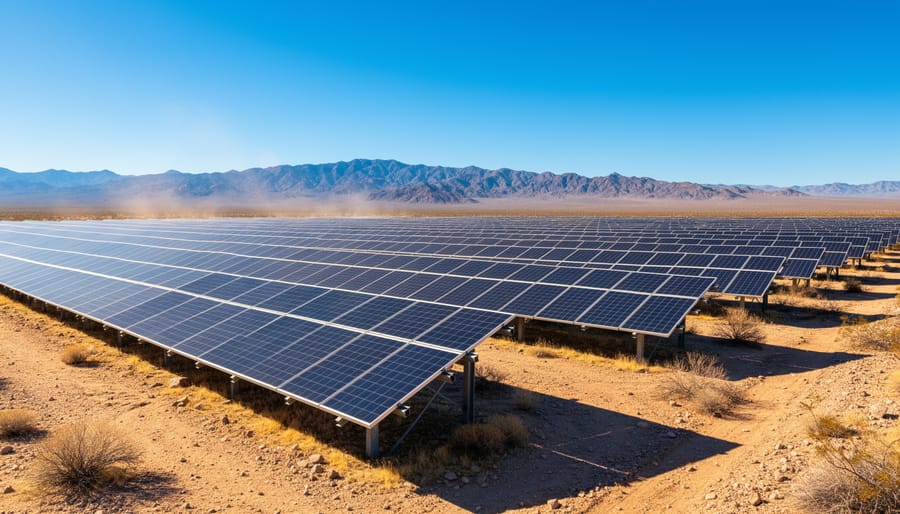
What 300+ Days of Sunshine Really Means for Your Electric Bill
Quartzsite’s incredible sunshine translates directly into serious savings on your electric bill. With over 300 sunny days annually, your solar panels can generate electricity almost year-round, dramatically reducing or even eliminating your monthly utility costs.
Here’s what this means in real numbers: A typical residential solar system in Quartzsite produces approximately 20-25% more energy than the same system would in cloudier regions. During peak sunshine months, many homeowners generate enough power to run their air conditioning while still building up energy credits with their utility company.
For example, a standard 6-kilowatt solar system in Quartzsite can produce around 10,000-11,000 kilowatt-hours annually. With Arizona’s average electricity rate, that translates to roughly $1,200-$1,500 in annual savings. Many residents report electric bills dropping from $150-200 per month to under $20, with some even receiving credits back from their utility provider.
The desert advantage becomes especially clear during summer months when electricity demand peaks. While your neighbors see bills spike due to constant air conditioning use, your solar panels work overtime in the abundant sunshine, covering those high-energy needs. This seasonal benefit alone can save you hundreds of dollars during the hottest months.
The bottom line? Quartzsite’s exceptional solar resource means your investment pays for itself faster here than in most other locations, typically within 5-7 years, while providing decades of reduced energy costs.
Low Humidity Equals Better Performance
Desert air offers a remarkable advantage for solar energy production that humid regions simply can’t match. When water vapor fills the air, it creates a barrier that scatters and absorbs sunlight before it reaches your panels. Quartzsite’s exceptionally dry climate eliminates this obstacle, allowing nearly unfiltered sunshine to hit your solar arrays throughout the year.
Think of it this way: humid air acts like a dirty windshield, reducing the intensity of light that gets through. Desert clarity means your panels receive stronger, more direct sunlight with minimal atmospheric interference. This translates directly to higher energy output from the same equipment compared to coastal or humid regions.
Quartzsite also benefits from approximately 310 sunny days annually, with minimal cloud cover blocking your panels’ productivity. While solar in high-heat environments requires smart system design, the combination of low humidity and clear skies creates ideal conditions for maximum efficiency. Your panels work harder and generate more electricity per square foot, helping you reach your energy independence goals faster and maximizing your return on investment.
Busting the Heat Myth: How Desert Solar Panels Actually Perform
The Truth About Temperature and Efficiency
Here’s a reassuring fact: solar panels sold in the United States are rigorously tested under extreme conditions before they ever reach your roof. Manufacturers use Standard Test Conditions (STC) that measure performance at 77°F, but they also conduct thermal cycling tests that expose panels to temperature swings from -40°F to 185°F. This means your panels are designed and certified to handle Quartzsite’s summer heat without breaking down.
Yes, solar panels do lose some efficiency as temperatures rise—typically about 0.5% for every degree above 77°F. On a 115°F summer day, you might see a 10-15% temporary dip in efficiency. But here’s what matters: Quartzsite receives over 310 sunny days per year with intense, unobstructed sunlight. That abundant sunshine more than compensates for any heat-related losses. A panel operating at 85% efficiency in brilliant desert sun still generates significantly more power than one at 100% efficiency under cloudy skies.
Modern desert heat solar solutions also incorporate smart design features like elevated mounting systems that allow airflow beneath panels, naturally cooling them and recovering much of that lost efficiency. The bottom line? Your annual energy production in Quartzsite will be exceptional because you’re maximizing sunshine hours, not just panel temperature. Desert locations consistently rank among the best in the nation for solar energy generation.
Smart Installation Techniques for Hot Climates
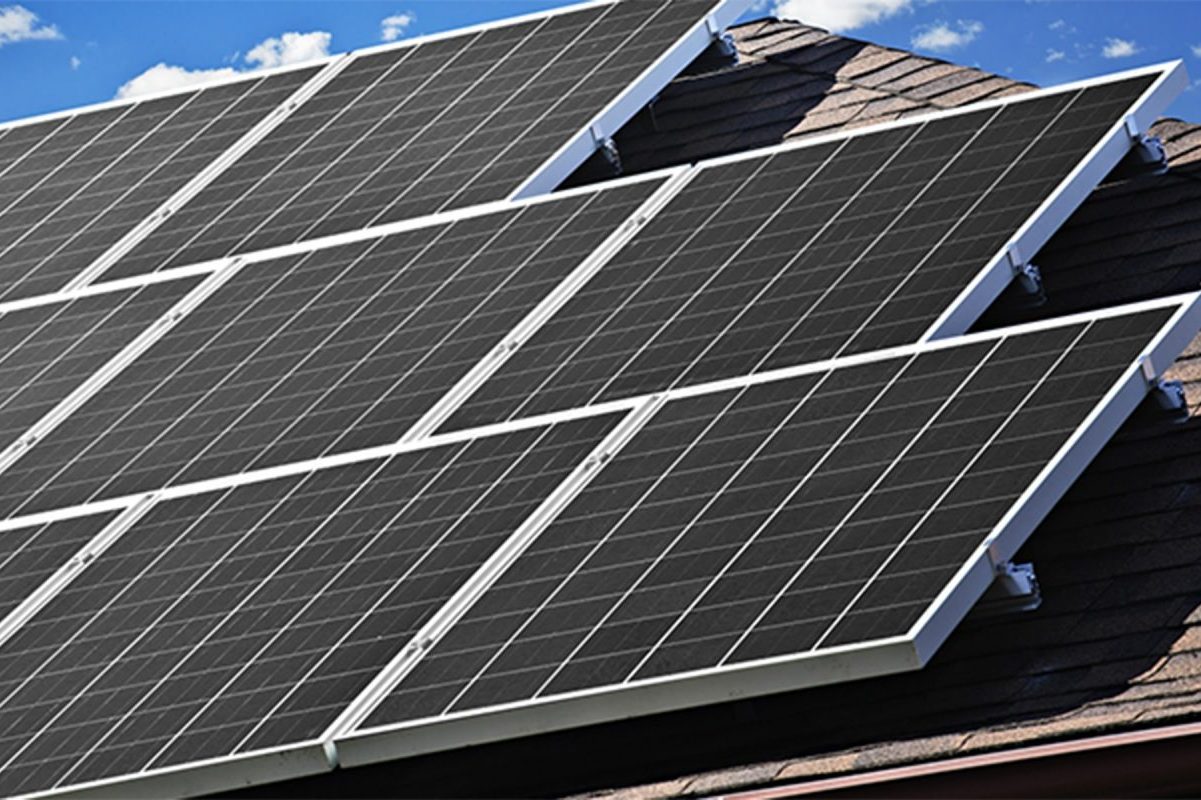
Professional installers in Quartzsite use specialized hot climate installation techniques to maximize your system’s performance and lifespan. The key is creating adequate airflow beneath your panels, which naturally cools them and boosts electricity production. Most installers mount panels several inches above your roof rather than flush against it, allowing hot air to escape and keeping temperatures in check.
Proper panel positioning makes a significant difference too. Your installer will angle panels to optimize both sun exposure and natural air circulation patterns. Some systems incorporate reflective underlayments that bounce heat away from your roof while maintaining panel efficiency.
Ground-mounted systems offer even better cooling in desert conditions since air flows freely around all sides. If you’re considering this option, your installer can position panels to catch prevailing breezes while maintaining easy access for cleaning.
These professional strategies ensure your solar investment performs optimally despite extreme temperatures. The good news? Once properly installed, your system requires minimal intervention while delivering maximum savings year-round in Quartzsite’s sunny climate.
Dust and Maintenance: Simpler Than You Think
How Often Do Desert Solar Panels Really Need Cleaning?
Here’s the good news: desert solar panels need far less cleaning than most people think. Contrary to popular belief, you won’t be out there every week battling dust storms with a squeegee.
In Quartzsite’s desert climate, most residential solar systems perform optimally with just 2-4 cleanings per year. Why so infrequent? Natural rainfall, even our limited amounts, does much of the work for us. Additionally, most modern panels are installed at an angle that allows dust and debris to slide off naturally.
Research shows that a light layer of dust typically reduces panel efficiency by only 5% or less. You’ll notice a much bigger difference after monsoon season dust storms, which is when targeted cleaning makes the most financial sense.
The real surprise? Some homeowners find their panels need attention only twice annually – once after spring winds and once following summer monsoons. Your specific cleaning schedule depends on your location within Quartzsite, nearby vegetation, and local weather patterns.
Instead of obsessing over constant maintenance, simply monitor your system’s output through your inverter app. A noticeable drop in production signals it’s time for a quick rinse, not a rigid cleaning calendar.
Quick Cleaning Methods That Actually Work
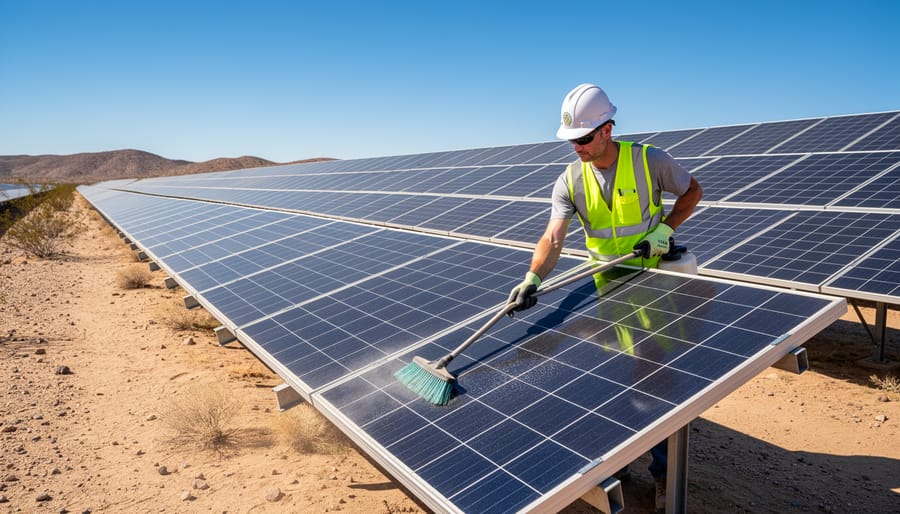
Keeping your Quartzsite solar panels clean doesn’t require fancy equipment or expensive services. For routine maintenance, a simple garden hose works wonders. Early morning is the best time to rinse panels when they’re cool and before the desert sun bakes on any dust. Spray from the ground if possible, or use a soft-bristled brush on an extension pole for stubborn buildup.
Most homeowners find that cleaning panels two to four times per year is plenty, though dustier seasons might call for an extra rinse. Avoid pressure washers, abrasive materials, and harsh chemicals that can scratch or damage the protective coating. Plain water handles most desert dust effectively.
Consider calling professionals if you have a steep roof, lack safe access, or notice reduced energy production after cleaning. Professional cleaners have specialized equipment and insurance for safe high-access work. They can also spot potential issues like cracks or loose connections during their service.
The good news? Rain naturally cleans panels between your maintenance sessions, and Quartzsite’s dry climate means panels dry quickly without water spots, making your cleaning efforts even more effective.
Choosing the Right Solar Equipment for Quartzsite Conditions
Panel Types That Thrive in High Temperatures
When choosing solar panels for Quartzsite’s scorching summers, understanding how different panel types handle heat makes a real difference in your energy production and long-term savings.
Monocrystalline panels are the efficiency champions, converting more sunlight into electricity even when temperatures soar above 110°F. While they do experience some performance dip in extreme heat (typically losing about 0.3-0.5% efficiency per degree above 77°F), their superior baseline efficiency means they still outperform other options. These panels are ideal for homeowners with limited roof space who want maximum output.
Polycrystalline panels offer a budget-friendly alternative with slightly lower heat tolerance. They lose efficiency at similar rates to monocrystalline but start from a lower baseline. However, they’re still perfectly viable for Quartzsite installations, especially if you have ample roof space and want to reduce upfront costs.
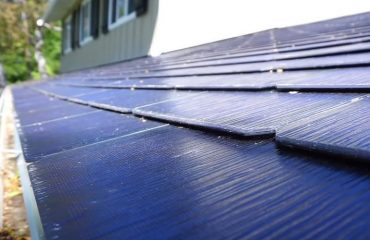
Thin-film panels surprisingly shine in desert conditions. Though less efficient overall, they handle heat better than crystalline options, maintaining more consistent performance as temperatures climb. Their lightweight design also makes installation easier and reduces structural concerns.
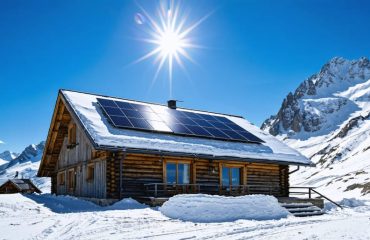
The good news? All modern panel types work well in Quartzsite. Just like extreme climate solar panels adapted for mountain conditions, today’s technology is built to withstand temperature extremes. Your best choice depends on your budget, available space, and efficiency priorities rather than heat tolerance alone.
Inverters and Components Built for Desert Life
Desert conditions demand equipment that can handle extreme temperatures and harsh environments. The good news? Today’s solar inverters are specifically rated for high-heat performance, with many models tested to operate efficiently at temperatures exceeding 120°F.
When choosing components for your Quartzsite system, look for inverters with temperature ratings appropriate for our climate. Quality inverters include built-in cooling systems and thermal management features that prevent shutdowns during peak heat. Many manufacturers now offer products specifically designed for desert installations, with enhanced dust protection and corrosion-resistant materials.
Warranties matter significantly in arid climates. Standard 25-year panel warranties apply regardless of location, but inverter warranties typically range from 10 to 25 years. Since inverters work harder in hot conditions, selecting models with robust heat management and comprehensive warranty coverage protects your investment.
The difference between budget and quality components becomes evident after a few desert summers. Premium equipment costs slightly more upfront but delivers reliable performance year after year, avoiding costly replacements and maximizing your energy production when you need it most.
Energy Storage: Your Secret Weapon Against Extreme Weather
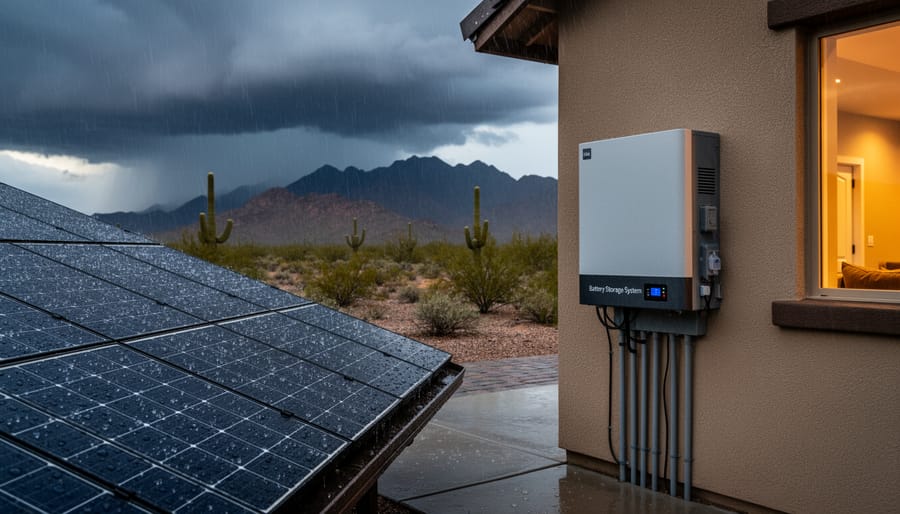
Living in Quartzsite means dealing with weather extremes that catch many people off guard. While summer’s intense heat gets all the attention, monsoon season brings sudden downpours and powerful winds that can stress the electrical grid. This is where battery backup systems become your safety net.
During monsoon season, typically July through September, sudden storms can cause temporary power outages. With a battery system paired with your solar panels, you’ll keep essential appliances running while your neighbors wait in the dark. Your refrigerator stays cold, your air conditioning continues working, and your phone chargers keep you connected to emergency updates.
The desert’s grid infrastructure faces unique challenges. Extreme temperatures push the system hard during peak hours, sometimes resulting in brownouts or intentional rolling blackouts to prevent damage. Battery storage lets you avoid these disruptions entirely by drawing from your stored solar energy instead of relying on the stressed grid.
Beyond emergency preparedness, batteries maximize your investment by storing excess energy your panels generate during the day. Instead of sending this valuable electricity back to the grid for minimal credit, you use it during evening hours when you need it most. This dramatically increases your energy independence and shrinks your utility bills.
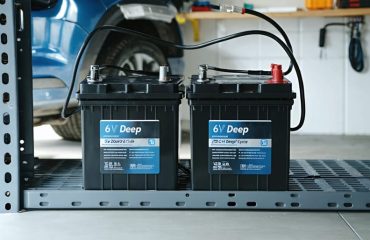
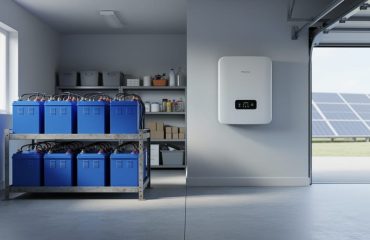
Desert conditions do require attention to battery durability in harsh conditions, but modern lithium-ion systems are specifically engineered to handle temperature extremes. Many installers in Quartzsite recommend placing battery systems in climate-controlled spaces like garages to optimize performance and longevity.
Think of battery storage as insurance that pays you back. You’re protecting against outages while maximizing your solar investment and achieving true energy self-sufficiency in one of America’s most challenging climates.
What Quartzsite Homeowners Need to Know Before Going Solar
Making the switch to solar in Quartzsite is exciting, but understanding the local requirements will help your project go smoothly. Here’s what you need to know before installing solar panels in this sunny desert community.
The permit process in La Paz County is straightforward but does require proper documentation. You’ll need building permits and electrical permits before installation begins. Your solar installer typically handles these applications, which can take 2-4 weeks for approval. The good news? Quartzsite’s building department is familiar with solar installations and the process moves efficiently.
If you live in one of Quartzsite’s planned communities or RV resorts, check your HOA regulations before proceeding. Arizona law protects your right to install solar panels, but HOAs can have reasonable aesthetic guidelines. Most associations simply require that installations look neat and professional, which reputable installers ensure anyway.
Connecting to the grid through your local utility requires an interconnection agreement. This allows you to send excess energy back to the grid and receive credits on your bill through net metering. The utility review typically adds 4-6 weeks to your timeline, but it’s essential for maximizing your savings.
Arizona offers excellent financial incentives that make going solar more affordable. You’ll benefit from the federal solar tax credit, which covers 30% of your system cost. Arizona also provides property tax exemptions, meaning your solar panels won’t increase your property taxes despite adding value to your home. Some utilities offer additional rebates, so ask your installer about current programs.
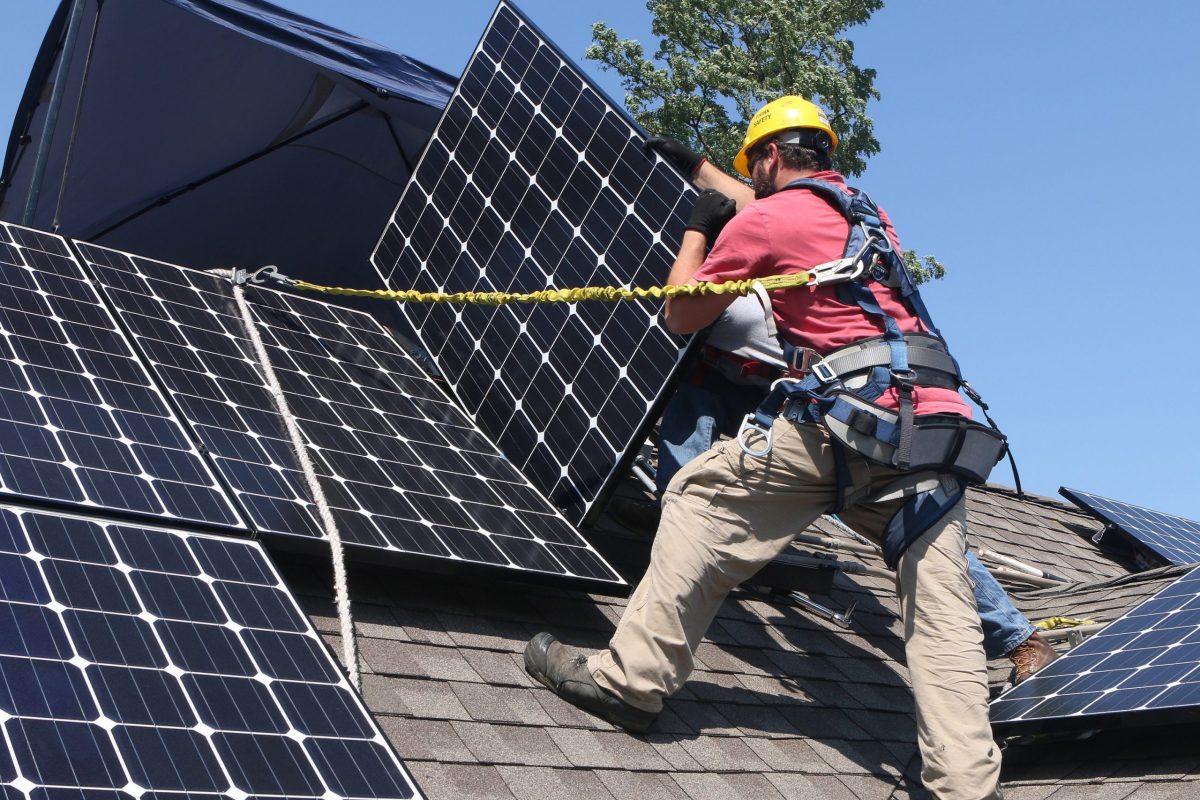
Expect the entire process from signing a contract to flipping the switch to take 2-3 months. This includes design, permitting, installation (usually 1-3 days), and final inspections. While it requires patience, thousands of Quartzsite residents have successfully gone solar, and the long-term benefits make the wait worthwhile.
Quartzsite’s desert climate isn’t a challenge for solar energy—it’s one of your greatest advantages. With abundant sunshine, minimal cloud cover, and more than 310 sunny days per year, your home is ideally positioned to harness solar power efficiently. Yes, the heat is intense and dust is a reality, but these factors are easily managed with proper installation and simple maintenance routines.
By switching to solar, you’re not just reducing your monthly energy bills—you’re making a smart long-term investment that pays dividends for decades. The financial benefits include lower utility costs, increased home value, and protection against rising electricity rates. Environmentally, you’ll reduce your carbon footprint while contributing to a cleaner future for your community.
The technology is proven, the savings are real, and the support is available. Whether you’re concerned about upfront costs, system performance, or maintenance requirements, solutions exist for every situation. Take the next step by requesting quotes from local installers, exploring available incentives, and calculating your potential savings. Your desert home is ready to become a powerhouse of clean, renewable energy.