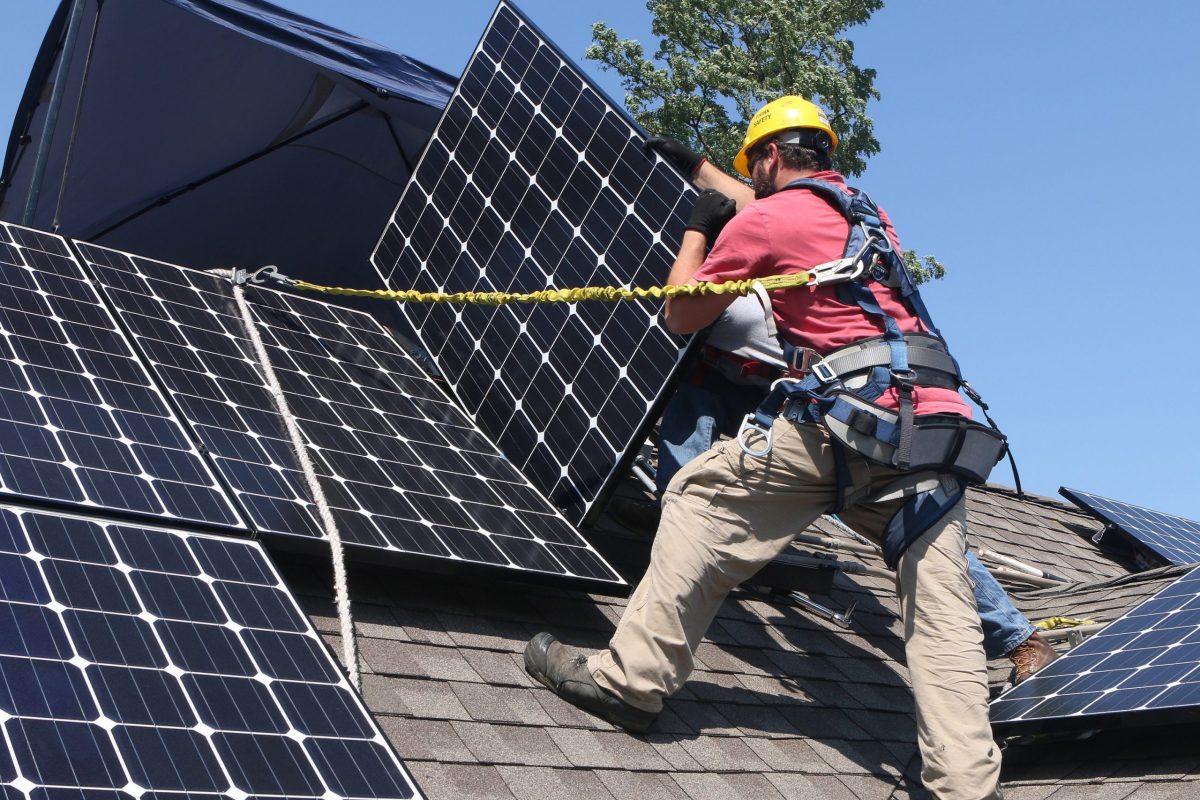
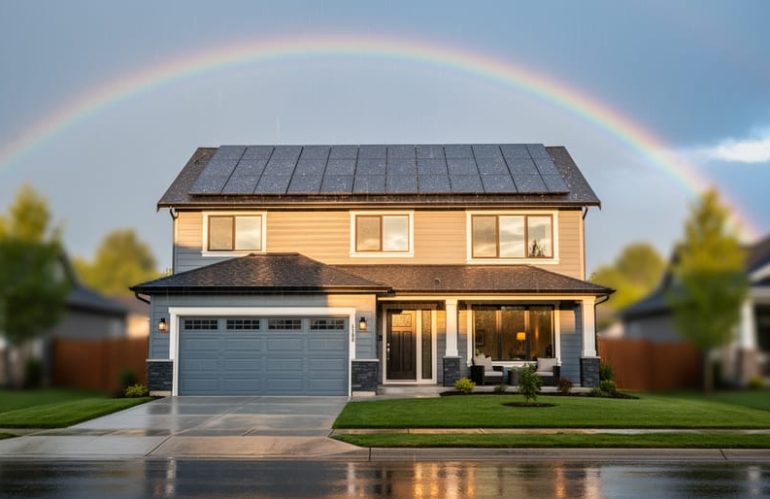
Your solar panels represent a significant financial investment—often $15,000 to $30,000—and understanding insurance protection ensures you won’t face unexpected costs if something goes wrong. Most homeowners don’t realize their existing homeowners insurance may already cover solar panel damage from weather events, but coverage gaps and exclusions can leave you vulnerable to expensive repairs or replacement costs.
Solar farm insurance isn’t just for massive commercial operations. Whether you’ve installed rooftop panels or a small ground-mounted system, proper coverage protects against hail damage, fire, theft, equipment malfunction, and even liability if falling panels injure someone. The good news? Adding solar coverage to your existing policy typically costs between $50 and $150 annually, a small price compared to potential out-of-pocket expenses.
Many homeowners delay addressing insurance because they assume it’s complicated or unnecessary, but taking action now prevents financial headaches later. Your solar investment should provide decades of energy savings and environmental benefits, not worry about what happens when a storm rolls through. Understanding what’s covered, what’s not, and how to fill any gaps gives you complete peace of mind while your panels generate clean energy and lower electricity bills for years to come.
Why Solar Panel Insurance Matters for Your Home
Your solar panel system represents a significant investment in your home’s future—typically ranging from $15,000 to $30,000 for residential installations. Beyond the upfront costs, these systems add considerable value to your property while generating savings on your electricity bills for decades to come. That’s why protecting this investment with proper insurance coverage is just as important as maintaining the panels themselves.
Despite their durability, solar panels face real-world risks that many homeowners don’t initially consider. Severe weather events like hailstorms, high winds, and falling tree branches can damage panels and mounting equipment. Equipment failure, though less common with quality installations, can still occur due to inverter malfunctions or wiring issues. Theft and vandalism coverage also matters, particularly for easily accessible ground-mounted systems or panels in isolated areas.
Here’s the catch: many homeowners assume their standard homeowners insurance automatically covers solar panels at full value. While most policies do include solar installations as part of your dwelling coverage, they often come with limitations. Your policy might not account for the full replacement cost, especially if your system has increased in value since installation. Some insurers also apply depreciation to solar equipment claims or set lower coverage limits for renewable energy additions.
Understanding these gaps helps you make informed decisions about additional coverage or policy adjustments. The good news is that protecting your solar investment doesn’t have to be complicated or expensive. With the right knowledge and proactive steps, you can ensure your clean energy investment remains secure against unexpected events while continuing to deliver financial and environmental benefits for years ahead.
What Solar Installation Insurance Actually Covers
Equipment Breakdown and Mechanical Failure
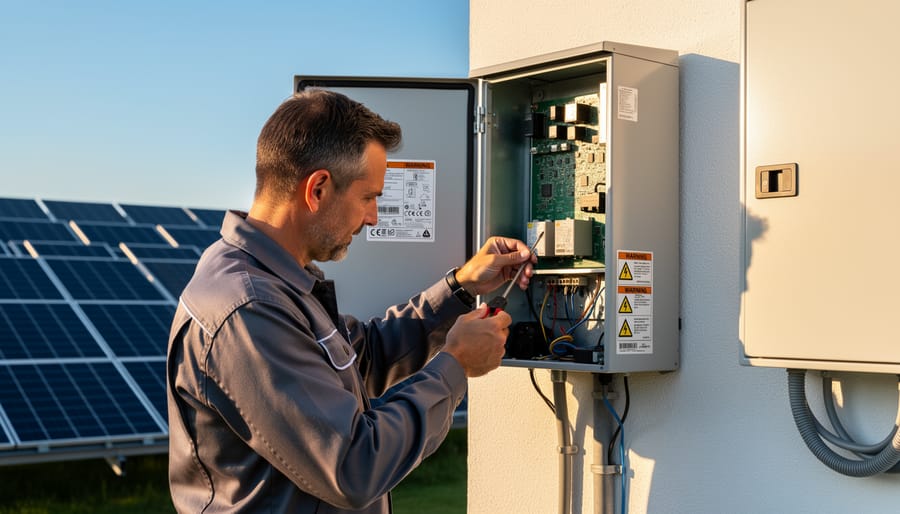
Even the most reliable solar equipment can unexpectedly fail. Equipment breakdown coverage protects you when your inverters, solar panels, or other system components stop working due to manufacturing defects, internal malfunctions, or simple wear and tear over time. This isn’t about external damage from storms—it’s about the mechanical and electrical failures that naturally occur.
Your solar inverter, which converts sunlight into usable electricity, is particularly vulnerable to internal breakdowns. These sophisticated devices contain sensitive electronics that can fail without warning, potentially costing thousands to replace. Standard homeowner’s insurance typically doesn’t cover these types of mechanical failures, leaving you responsible for expensive repairs.
Equipment breakdown insurance fills this gap by covering the cost of repairing or replacing failed components, plus any lost income if you’re selling power back to the grid. Most policies cover installation errors discovered after the fact, power surges that damage electronics, and premature component failure. This coverage ensures your investment continues generating savings and energy independence, even when technology inevitably ages. Think of it as an extended warranty that actually delivers when your solar system needs it most.
Weather and Environmental Damage
Mother Nature can be unpredictable, but the good news is that comprehensive solar farm insurance shields your investment from weather-related surprises. Your panels face daily exposure to the elements, making protection against hail damage, high winds, lightning strikes, and severe storms essential.
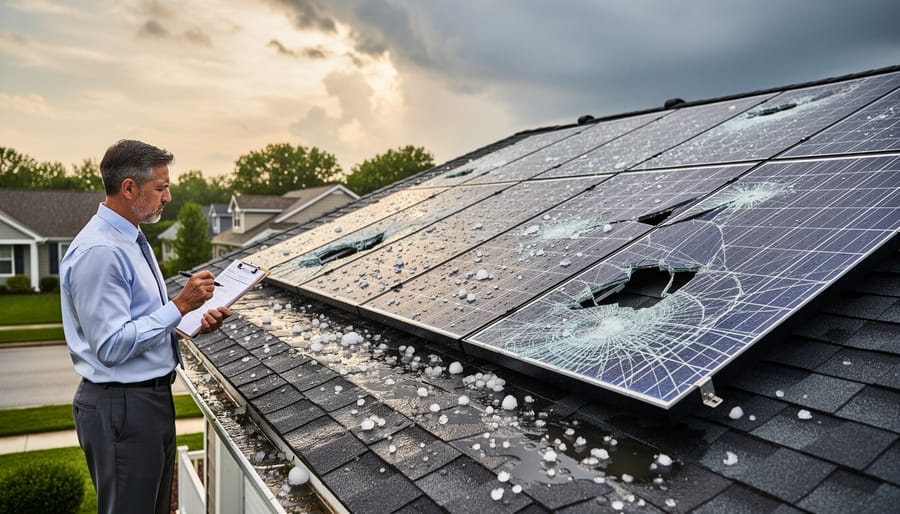
Hailstorms pose one of the most significant threats to solar installations. Even golf ball-sized hail can crack or shatter panels, potentially affecting your entire system’s performance. Standard policies typically cover replacement costs for damaged panels and the labor needed to restore your array to full operation.
Wind damage extends beyond just blown-off panels. Strong gusts can loosen mounting systems, damage wiring, or cause debris to impact your installation. Lightning strikes, while less frequent, can fry inverters and electrical components in seconds, leading to expensive repairs.
The reassuring reality is that these weather perils are standard inclusions in most solar insurance policies, not costly add-ons. Your coverage responds when nature strikes, ensuring repairs happen quickly so you can continue generating clean energy and savings. Many policies even cover lost energy production during repair periods, protecting your return on investment from unexpected interruptions.
Maintenance and Repair Costs
Good news: most standard homeowners insurance policies actually cover unexpected damage to your solar panels, such as hail, fire, or fallen trees. However, there’s an important distinction to understand. While sudden accidents are typically covered, routine maintenance and wear-and-tear issues usually aren’t included in basic policies. Think of it like your car insurance—it covers collision damage but not your regular oil changes.
For comprehensive protection, comprehensive solar panel insurance can bridge this gap. These specialized policies often include coverage for emergency repairs when equipment fails unexpectedly, helping you avoid out-of-pocket expenses that could reach thousands of dollars. Some policies even cover replacement parts at current market value rather than depreciated value, which means you won’t lose money if components need updating.
Many solar providers also offer equipment warranties covering manufacturer defects, which work alongside your insurance coverage. The key is understanding what each policy handles, so you’re never caught off guard by repair bills that could otherwise impact your solar savings.
How Your Existing Homeowners Insurance Plays a Role
Good news: your existing homeowners insurance likely already provides some protection for your solar panels. Most standard policies treat rooftop solar installations as a permanent attachment to your home, similar to a new deck or upgraded kitchen. This means they’re typically covered under your dwelling protection for common risks like fire, wind damage, hail, and lightning strikes.
However, before you assume you’re fully protected, it’s important to understand where coverage gaps can occur. Standard policies usually cover the replacement cost of your panels if they’re damaged by a covered peril, but here’s the catch: not all situations are covered, and your policy limits may not reflect the added value of your solar investment. If your home’s insured value doesn’t account for your solar system, you could face an unpleasant surprise during a claim.
Understanding how solar panels affect homeowners insurance helps you identify these gaps early. Many homeowners discover their standard policy doesn’t cover certain scenarios specific to solar equipment, such as electrical failures, inverter malfunctions, performance issues, or theft of individual panels. Ground-mounted systems may face different coverage rules than rooftop installations, and the monitoring equipment or battery storage systems often require separate consideration.
You’ll need additional coverage when your solar installation significantly increases your home’s value beyond your current policy limits, when you have a ground-mounted system that might be classified separately from your dwelling, or when you want protection against solar-specific risks like electrical component failure. The good news is that adding this protection is typically straightforward and affordable. Contact your insurance provider before installation to discuss increasing your dwelling coverage and ask specifically about endorsements for solar equipment. This proactive approach ensures your sustainable investment stays protected from day one.

Getting the Right Coverage for Your Solar System
Questions to Ask Your Insurance Provider
Before committing to coverage, have an open conversation with your insurance provider to ensure your solar investment is fully protected. Start by asking whether your current homeowner’s policy automatically covers your solar panels or if you need a separate rider. Find out the exact dollar amount your panels are insured for—replacement costs have changed over time, and you want coverage that reflects today’s pricing.
Ask about coverage specifics: Does the policy protect against hail damage, falling trees, and theft? What happens if your panels malfunction or stop producing energy due to covered damage? Understanding these scenarios helps you identify any gaps in protection.
Don’t forget to inquire about your deductible and whether it differs for solar equipment versus other home structures. Some insurers offer discounts for homes with solar systems since they’re considered upgrades that increase property value.
Finally, ask whether the policy covers temporary energy costs if your system goes offline during repairs. Knowing you won’t suddenly face high electricity bills while waiting for repairs provides valuable peace of mind. These straightforward questions ensure you’re getting comprehensive protection without paying for unnecessary extras.
What You’ll Pay and What Affects Your Rates
Solar farm insurance costs typically range from $500 to $2,000 annually for residential installations, though your specific rate depends on several straightforward factors. Good news: most homeowners find these premiums surprisingly affordable when considering the protection they provide for a five- to six-figure investment.
Your location plays the biggest role in determining premiums. If you live in areas prone to hailstorms, hurricanes, or wildfires, expect higher rates. The size and value of your solar array matters too—a larger system costs more to insure, but the typical insurance costs remain reasonable relative to your total investment.
Your installation quality significantly impacts rates. Professional installation with proper permits and manufacturer-certified components often qualifies you for lower premiums because insurers recognize reduced risk. Your existing home insurance history also matters—a strong claims record and good credit can work in your favor.
The type of coverage you choose affects pricing too. Basic coverage integrated into your homeowners policy usually costs less than standalone comprehensive policies, though standalone options offer more robust protection. Many insurers offer discounts when you bundle solar coverage with existing policies.
The positive takeaway? Shopping around and maintaining your system properly can help you secure competitive rates while fully protecting your clean energy investment.
Common Myths About Solar Panel Insurance
Let’s clear up some common misunderstandings that might be holding you back from properly protecting your solar investment.
Many homeowners believe solar panel insurance is prohibitively expensive, but the reality is quite different. Most policies cost between 0.5% to 1% of your system’s value annually—often just $100 to $300 per year for an average residential installation. When you consider the $15,000 to $25,000 replacement cost of a typical home solar system, this affordable coverage makes solid financial sense.
Another widespread myth is that your homeowners insurance automatically covers solar panels completely. While standard policies may provide some coverage, they often have significant gaps. They might not protect against production losses, may undervalue your system, or exclude certain types of damage specific to solar equipment. It’s essential to verify your coverage and consider specialized solar insurance to fill these gaps.
Some people think solar insurance is unnecessary because panels are “maintenance-free” and unlikely to break. While solar panels are indeed durable, they’re not immune to damage from severe weather, falling debris, electrical issues, or even theft. Your system represents a substantial investment that deserves dedicated protection.
Finally, don’t assume that since your solar installer offered a warranty, you’re fully covered. Warranties typically protect against manufacturing defects and equipment failure, but they won’t cover weather damage, accidents, or lost energy production. Insurance and warranties work together—they don’t replace each other.
Protecting your solar investment doesn’t have to be complicated. The good news is that most homeowners already have coverage through their existing policies, and securing additional protection is straightforward when needed. Your solar panels represent a smart financial decision that will pay dividends for decades, and ensuring they’re properly insured means you can enjoy those benefits without worry. If you’re unsure about your current coverage, take a few minutes to review your homeowner’s policy or reach out to your solar installer for guidance. They can help you understand what’s covered and identify any gaps that need attention. With the right insurance in place, you’ll have complete peace of mind knowing your investment in clean, renewable energy is fully protected against whatever comes your way.