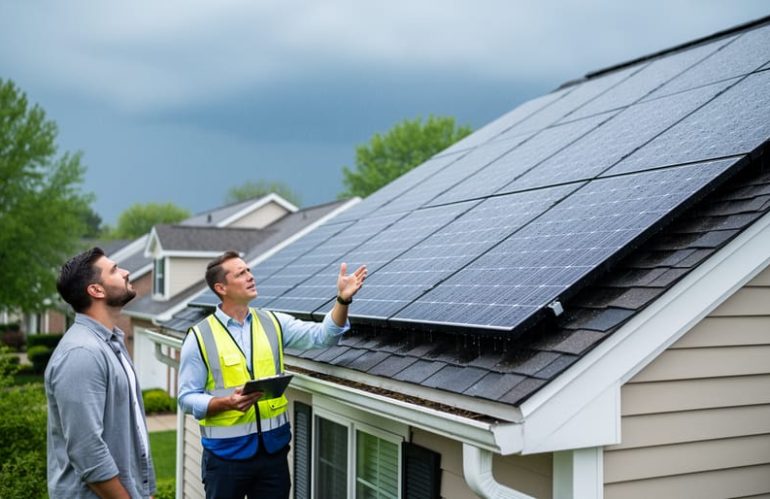
Solar panels represent a significant investment in your home—typically $15,000 to $30,000—yet many homeowners discover too late that their standard insurance policy leaves critical gaps in coverage. When hail damage strikes, a fallen tree impacts your roof-mounted system, or an electrical malfunction occurs, you need clarity about what’s protected and what isn’t.
The good news: securing proper coverage for your solar installation doesn’t require navigating complex insurance jargon or paying excessive premiums. Most homeowners policies do cover solar panels as part of your dwelling, but understanding the nuances determines whether you’ll face unexpected out-of-pocket costs during repairs or replacements.
This guide cuts through the confusion surrounding solar panel insurance. You’ll learn exactly what standard homeowners policies cover, identify common coverage limitations that could cost you thousands, and discover straightforward solutions to fully protect your clean energy investment. Whether you’re planning to install solar panels or already generating your own power, knowing how to properly insure your system ensures your path to energy independence remains financially secure and stress-free.
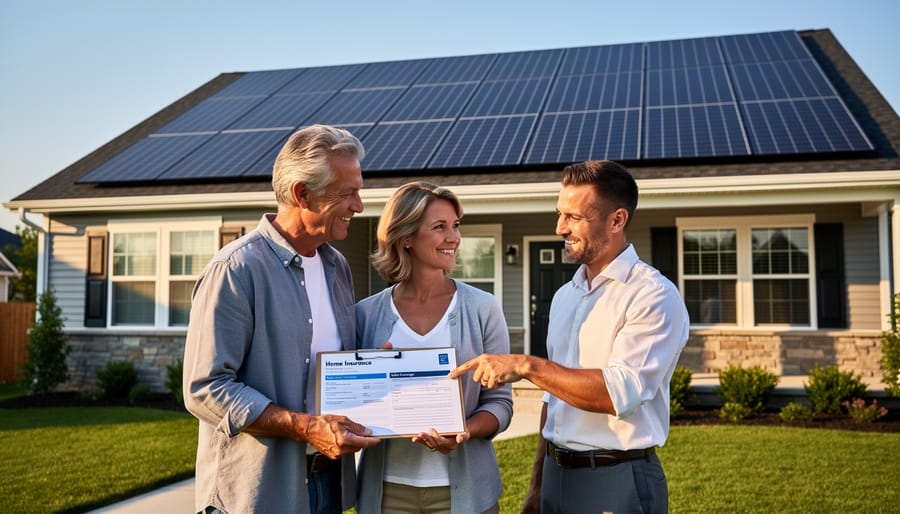
How Standard Homeowners Insurance Treats Solar Panels
What’s Usually Covered
Good news: most standard homeowners insurance policies already protect your solar panels under the same coverage that protects your roof and home structure. Your panels are typically covered against common perils like fire, lightning strikes, hail damage, wind storms, and falling objects. This means if a severe weather event damages your solar installation, your existing policy usually steps in to help with repairs or replacement costs.
The coverage extends to both roof-mounted and ground-mounted systems, treating your solar panels as a permanent fixture of your property. Understanding what solar insurance covers helps you identify any potential gaps in protection. Most policies also cover damage from vandalism, theft, and riots. However, it’s important to verify your specific coverage limits, as standard policies may not fully account for the added value of your solar investment. Some situations, like equipment malfunction or gradual wear and tear, typically fall outside standard coverage and may require additional protection to fully safeguard your clean energy system.
What’s Usually Not Covered
Understanding what your insurance won’t cover helps you avoid surprises down the road. Most homeowners policies exclude routine maintenance costs like cleaning panels or trimming nearby trees. This makes sense since these are regular upkeep items, not unexpected damage.
Gradual wear and tear isn’t covered either. Solar panels naturally become less efficient over time, and insurance doesn’t protect against this normal aging process. Similarly, manufacturer defects fall under your equipment warranty rather than your homeowners policy, so always keep your warranty information handy.
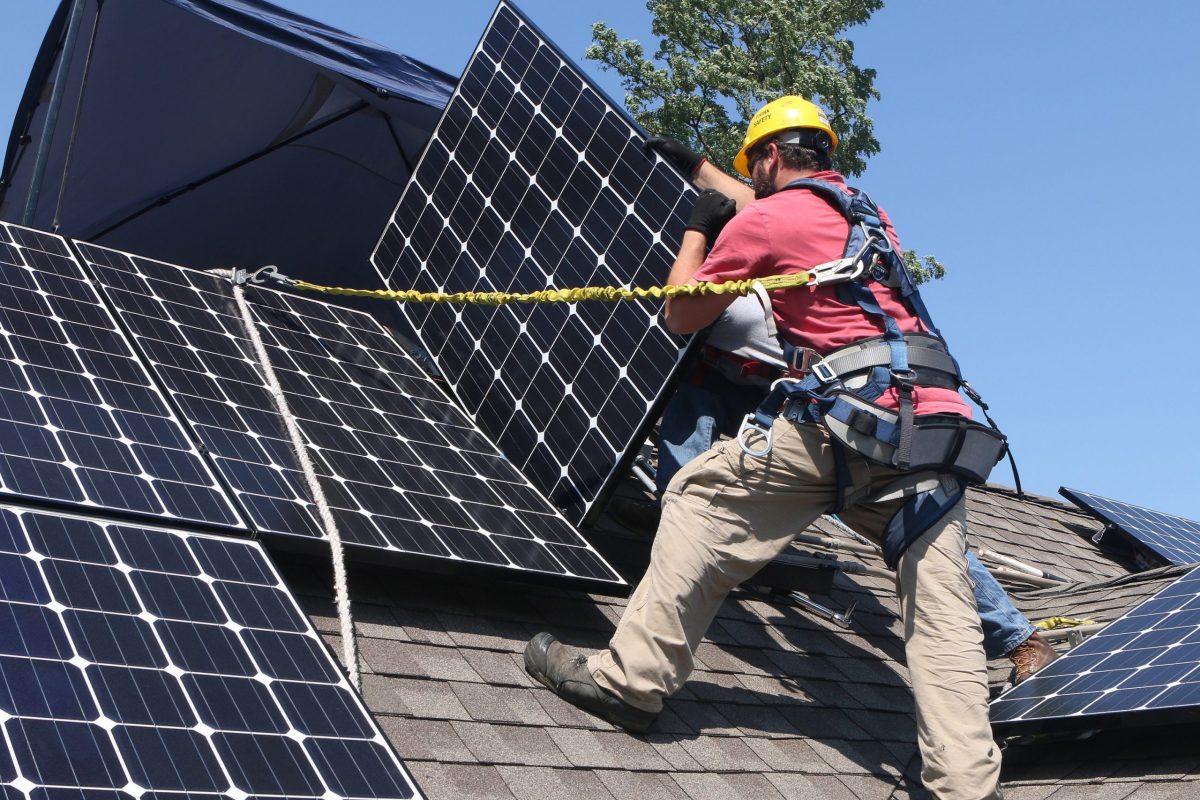
Improper installation is another common exclusion. If your panels weren’t installed correctly and this causes damage, your insurance likely won’t pay for repairs. This is why choosing certified installers matters tremendously for your financial protection. Professional installation not only ensures optimal performance but also keeps your insurance coverage intact.
The good news? These exclusions are standard across most policies and entirely manageable. Focus on proper installation from the start, stay current with basic maintenance, and understand your equipment warranties. When you know the boundaries of your coverage, you can plan accordingly and truly protect your solar investment.
The Gap Between Coverage and Real-World Solar Maintenance Needs
Here’s a reality check: most homeowners insurance policies treat solar panels as part of your home’s structure, which sounds reassuring until you realize what that actually means for day-to-day maintenance. Your policy typically covers catastrophic damage from storms, fire, or fallen trees, but it wasn’t designed with solar technology in mind.
The disconnect becomes clear when you face common solar issues. Your panels accumulate dirt and debris that reduces efficiency by 20-30% over time, yet insurance doesn’t cover routine cleaning. Inverters typically need replacement every 10-15 years at a cost of $1,000-3,000, but that’s considered normal wear and tear, not a covered event. Wiring issues, connector corrosion, or gradual performance decline? Also not covered.
This gap matters because solar panels are simultaneously low-maintenance and high-value. While they don’t require constant attention, when problems arise, repairs can be expensive. A single cracked panel might cost $200-500 to replace. Electrical issues could run $500-1,500. Without proper coverage, these costs come directly from your pocket, potentially eating into the energy savings that made solar attractive in the first place.
The financial impact compounds over your system’s 25-30 year lifespan. If you’re spending hundreds annually on uncovered maintenance, those costs can significantly reduce your return on investment. Even worse, neglecting maintenance because you assumed insurance would cover future issues can void warranties or lead to larger, more expensive problems down the road.
Understanding this gap helps you plan realistically. You’re not just insuring against worst-case scenarios; you’re protecting an asset that requires occasional care to deliver its promised benefits.
Options for Protecting Your Solar Investment
Endorsements and Riders to Your Existing Policy
Good news: you don’t necessarily need a whole new insurance policy to protect your solar panels. Most insurance companies allow you to add an endorsement or rider to your existing homeowners policy that specifically covers your solar installation. Think of it as a simple add-on that fills the coverage gaps we discussed earlier.
These solar panel endorsements typically cost between $50 to $200 per year, depending on your system’s value and your location. That’s a small price for peace of mind, especially when you consider that replacing damaged panels could cost thousands of dollars out of pocket.
A quality solar endorsement will cover your panels for their full replacement value, not just the depreciated amount. It should also include protection against theft, fire, weather damage, and mechanical breakdowns. Some policies even cover loss of income if your damaged panels can’t generate electricity while being repaired.
When adding this coverage, make sure your insurer understands your system’s current value, including installation costs. Keep documentation of your solar investment handy, including receipts and warranty information. Most providers make this process straightforward, and you can often add the endorsement with a simple phone call or online request.
Specialized Solar Equipment Insurance
For solar panel owners seeking more comprehensive protection, specialized solar insurance products offer tailored coverage that standard homeowners policies often miss. These standalone policies are designed specifically for solar installations and typically cover equipment breakdown, production loss, and even inverter failures that might otherwise leave you with out-of-pocket expenses.
The main advantage of specialized solar insurance is peace of mind. These policies understand the unique risks solar systems face, from electrical issues to weather-related damage, and provide coverage without the guesswork. They often include benefits like production guarantees, meaning if your system underperforms due to covered damage, you may receive compensation for lost energy savings.
This type of coverage makes the most sense for homeowners with premium solar installations, those in areas with extreme weather conditions, or anyone whose manufacturer warranty has gaps in coverage. While it adds to your monthly expenses, the protection can easily pay for itself if major repairs become necessary. Compare quotes carefully and ensure any policy complements rather than duplicates your existing homeowners coverage.
Manufacturer Warranties and Maintenance Plans
Your solar panels come with built-in protection that works hand-in-hand with your homeowners insurance. Understanding these safeguards helps you see the complete picture of how your investment is protected.
Most quality solar panels include manufacturer warranties covering two main areas. The product warranty typically lasts 10-25 years and protects against defects in materials or workmanship. The performance warranty, often extending 25-30 years, guarantees your panels will produce a minimum percentage of their original output. These warranties mean if your panels fail due to manufacturing issues rather than external damage, you won’t pay out of pocket for replacements.
Your installation company often provides separate workmanship warranties covering labor and installation quality for 5-10 years. This protects you if problems arise from how the system was installed. Keep documentation of all warranties in a safe place, as you’ll need them when filing claims.
Professional maintenance plans complement these protections by keeping your system running efficiently. Regular inspections catch small issues before they become big problems, and many insurance providers appreciate the reduced risk. Typical plans include annual cleaning, performance monitoring, and electrical system checks. Some even coordinate directly with your insurance company if damage occurs.
Here’s the key benefit: when you combine comprehensive insurance coverage with solid warranties and proactive maintenance, you create multiple layers of protection. Insurance handles external damage like storms or accidents, warranties cover manufacturing defects, and maintenance prevents avoidable issues. This trio ensures your solar investment delivers savings for decades.
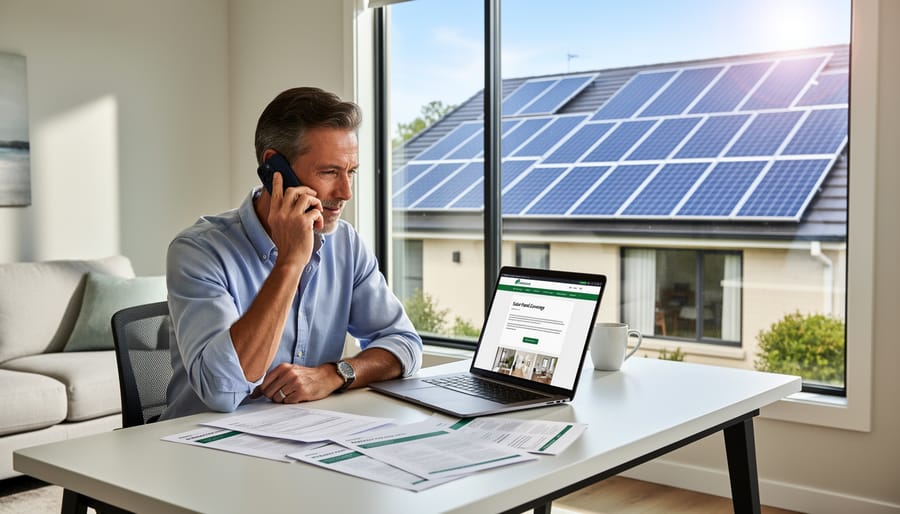
Questions to Ask Your Insurance Provider
Before you sign any policy or make assumptions about your coverage, schedule a conversation with your insurance agent. Having the right questions ready ensures you’ll walk away with clarity and confidence about protecting your solar investment.
Start by asking, “Does my current policy automatically cover my solar panels, and if so, to what extent?” Many homeowners assume their existing policy includes full coverage, but this isn’t always the case. Understanding exactly what’s included helps you identify any gaps upfront.
Next, inquire about solar system coverage limits. Ask, “What’s the maximum dollar amount my policy will pay for solar panel damage or replacement?” This matters because standard coverage limits might not reflect your system’s actual value, especially if you’ve invested in premium panels or a larger installation.
Don’t forget to clarify deductibles: “What’s my deductible if I need to file a claim for solar panel damage?” A high deductible could mean you’re paying more out-of-pocket than expected for repairs, which affects your long-term savings calculations.
Ask about specific scenarios: “Are my panels covered if they’re damaged by hail, falling trees, or theft?” Understanding which perils are included helps you assess whether additional protection makes sense for your location and weather patterns.
Maintenance-related questions are equally important. Try, “Does my policy cover damage that occurs during routine maintenance or cleaning?” This clarifies whether you’re protected if something accidentally goes wrong while caring for your system.
Finally, discuss premium increases: “How much will adding solar panel coverage increase my insurance costs?” This transparent conversation helps you budget appropriately and compare the cost of enhanced coverage against potential replacement expenses.
These questions empower you to make informed decisions and ensure your solar investment stays protected for decades to come.
What Happens When You Need Repairs: Real Scenarios
Let’s look at how different coverage types respond when real problems occur with your solar panels.
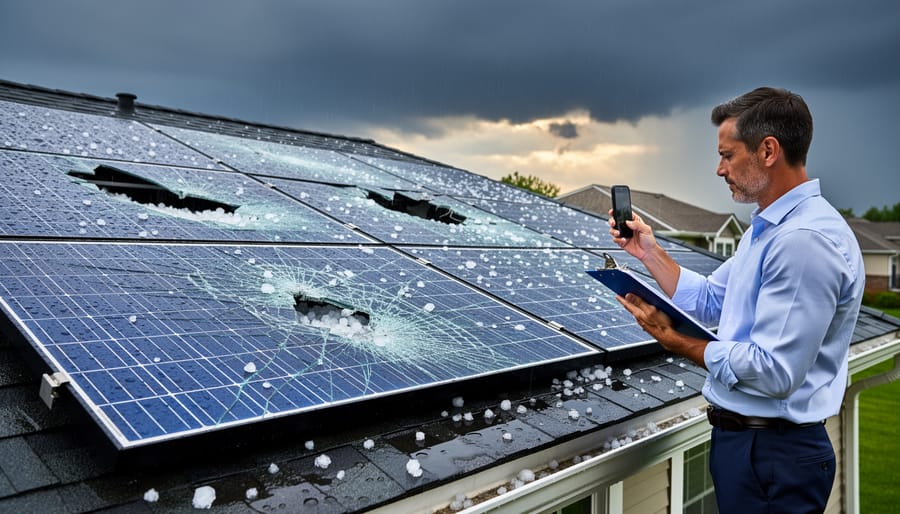
Scenario 1: Hail Damage After a Storm
A severe hailstorm cracks several panels on your roof. Since this is external damage to your home, your standard homeowners insurance covers the repair. The good news? You’ll only pay your regular deductible, typically $500 to $2,000. Your insurance company treats the panels like any other part of your roof. However, if you installed the panels yourself and didn’t notify your insurer, you might face complications with your claim.
Scenario 2: Inverter Malfunction
Your solar inverter stops working after three years, and the diagnosis shows it’s an electrical component failure rather than external damage. Here’s where coverage gets tricky. Standard homeowners insurance typically doesn’t cover mechanical breakdowns or equipment failure. Your manufacturer’s warranty should cover this issue if it’s within the warranty period, but you’ll need to contact the solar company directly. If the warranty has expired, you’re looking at $1,000 to $3,000 out-of-pocket for replacement. This is exactly why specialized solar equipment coverage or extended warranties make financial sense.
Scenario 3: Tree Limb Causes Panel and Roof Damage
During a windstorm, a large tree branch damages both your solar panels and the roof beneath them. Your homeowners insurance will cover both repairs since this qualifies as covered property damage. You’ll pay one deductible for the entire claim. The key benefit here is that your insurance company coordinates repairs to both systems, ensuring your roof remains watertight and your panels are professionally reinstalled. This scenario shows how proper coverage protects your entire investment seamlessly.
Protecting your solar investment doesn’t have to be complicated. With the right information and coverage in place, you can enjoy all the financial savings and environmental benefits that solar panels bring to your home without any worry. Whether you’re adding solar panels to your existing property or they’re already installed, taking a few simple steps now ensures your investment stays protected for decades to come.
Start by reviewing your current homeowners insurance policy to understand what’s covered. Don’t hesitate to ask your insurance agent direct questions about solar panel coverage, replacement cost protection, and any potential gaps. Remember, most standard policies do provide basic coverage, but confirming the details gives you peace of mind.
Working with experienced, quality solar installers who understand insurance considerations makes the entire process smoother. They can provide the documentation your insurance company needs and recommend best practices for protecting your system. Your solar panels represent a smart investment in your home’s future and our planet’s health. Take a moment today to ensure that investment is properly protected so you can focus on enjoying lower energy bills and cleaner power for years ahead.