Your solar panels could be generating 15-30% more energy than they currently produce. Most homeowners never realize their system is underperforming until they see their neighbor’s electric bill or notice their payback period stretching longer than expected.
Solar optimization means getting every possible kilowatt-hour from your investment. It’s not about installing more panels—it’s about making your existing system work smarter. Think of it like tuning up a car: the engine is already there, but small adjustments unlock hidden performance.
The difference between an optimized and neglected system can mean $200-600 extra in your pocket each year. That’s money you’ve already paid for through your initial investment, just sitting on the table. Common culprits stealing your solar power include minor shading issues, outdated inverter settings, dirt accumulation, and panel degradation you can’t see from the ground.
The good news? Many optimization strategies cost little or nothing to implement. Some require just an afternoon of your time, while others need professional expertise but pay for themselves within months. Whether your system is brand new or several years old, optimization opportunities exist.
This guide breaks down exactly where your solar energy is disappearing and how to capture it back. You’ll discover which fixes you can handle yourself this weekend and which ones require calling in the experts. By the end, you’ll know precisely how to transform your solar panels from adequate performers into maximum energy producers.
What Solar Optimization Really Means for Your Home
You’ve invested in solar panels to save money and reduce your environmental footprint—that’s the hard part done. But here’s what many homeowners don’t realize: your solar system isn’t a “set it and forget it” technology. Solar optimization is simply the practice of ensuring your panels perform at their absolute best, generating maximum energy and delivering the greatest possible savings on your electricity bills.
Think of it like owning a car. You wouldn’t expect peak performance without occasional maintenance, right? The same principle applies to your solar investment. Over time, factors like dirt accumulation, shading from growing trees, or even small technical issues can quietly chip away at your system’s efficiency. You might not notice a dramatic change day-to-day, but these small losses add up to real money over months and years.
The good news? Solar optimization doesn’t require a complete system overhaul or expensive upgrades. Often, simple adjustments can lead to surprisingly significant improvements. We’re talking about practical steps like keeping panels clean, trimming back vegetation that casts shadows, updating monitoring software, or fine-tuning your inverter settings. Some homeowners discover they’re losing 15-20% of potential energy production without even knowing it.
Solar optimization means taking an active role in protecting your investment. It’s about understanding how your system performs throughout the seasons, spotting potential issues before they become costly problems, and making smart decisions that put more money back in your pocket. Whether you tackle some maintenance yourself or work with professionals, the goal remains the same: squeeze every possible watt from those panels on your roof.
The Five Factors Quietly Stealing Your Solar Performance
Panel Cleanliness and Debris
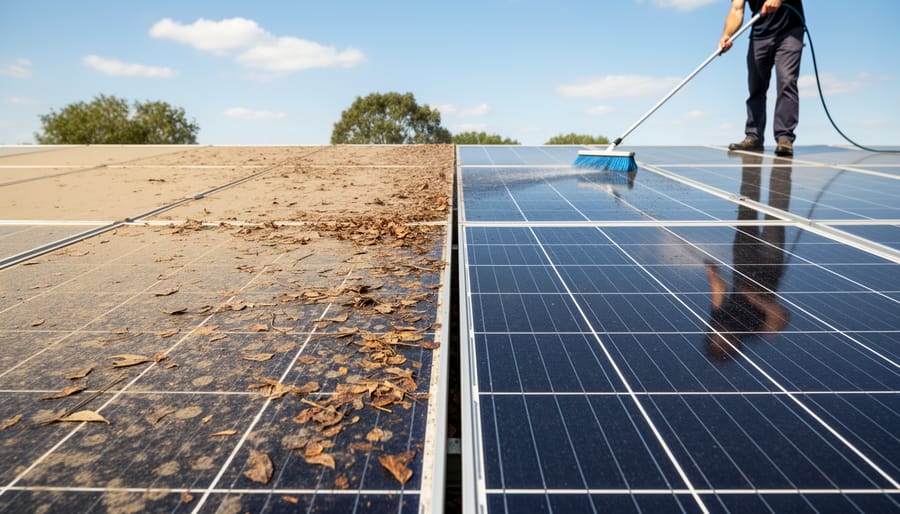
Here’s the truth about dirty solar panels: they can lose 15-25% of their efficiency, costing you real money every month. Dust, leaves, bird droppings, and pollen create a barrier between sunlight and your panels, just like dirt on a window blocks your view.
The good news? Cleaning is straightforward. In most climates, hosing down your panels twice a year is plenty. If you live in a dusty area or under trees, quarterly cleaning works better. Morning or evening is ideal to avoid thermal shock on hot panels. Use plain water and a soft brush or squeegee—no harsh chemicals needed.
Many homeowners worry that rain handles the job, but that’s a common myth. Rain doesn’t remove sticky substances like tree sap or bird waste. A quick visual inspection every few months helps you spot buildup before it impacts your energy production and savings.
Shading Changes Over Time
Your solar panels might be performing perfectly today, but conditions change. That sapling planted near your roofline five years ago? It’s now casting afternoon shadows across half your array. Your neighbor’s new two-story addition? It blocks morning sun you used to count on. Even partial shading creates a ripple effect—one shaded panel can reduce output for an entire string of panels by up to 25%.
The good news is these problems have straightforward fixes. Trimming overhanging branches typically costs a few hundred dollars but can restore thousands in annual energy production. If nearby structures create permanent shade, repositioning affected panels to sunnier roof sections often makes sense. Some homeowners install power optimizers on individual panels, which prevents shaded panels from dragging down the whole system. Schedule a shade assessment every few years to catch these changes early—small adjustments now prevent significant losses down the road.
Inverter Health and Settings
Think of your inverter as the brain of your solar system—it converts the DC power your panels generate into usable AC electricity for your home. When it’s not functioning properly, your entire system suffers. Watch for warning signs like error messages on the display, unusual sounds, or a lack of performance data in your monitoring app. These often indicate your inverter needs attention.
Here’s good news: many inverter issues are easily fixable. Firmware updates, similar to software updates on your phone, can resolve glitches and improve efficiency. Most modern inverters update automatically, but it’s worth checking your manufacturer’s website quarterly. A simple update could boost your system’s performance by 2-5%, translating to real savings on your energy bills. If your inverter is over 10 years old and experiencing frequent issues, replacement might actually pay for itself through improved efficiency within a few years.
Panel Angle and Seasonal Adjustments
The sun’s path across the sky shifts dramatically between summer and winter, meaning the ideal panel angle changes throughout the year. In summer, the sun sits higher in the sky, favoring a lower tilt angle. Winter’s low sun benefits from a steeper angle. The optimal year-round compromise is typically your latitude minus 15 degrees, though this varies by location.
Here’s the reality: adjustable mounts exist, but frequent adjustments aren’t practical for most homeowners. The good news? Fixed installations at the optimal compromise angle still capture 90-95% of maximum potential energy. The small efficiency gain from seasonal adjustments rarely justifies the added cost and maintenance effort. Your panels are designed to perform excellently at a fixed angle, so don’t worry if adjustment isn’t feasible for your setup. Focus instead on keeping panels clean and unshaded for bigger performance gains.
System Monitoring Gaps
Here’s a surprising reality: most solar owners aren’t actually watching what their panels produce day-to-day. Many assume everything is working fine because their electricity bills went down after installation. But here’s the problem—if one of your panels stops working or efficiency drops by 20%, you might not notice for months.
Without regular monitoring, small issues can quietly cost you hundreds of dollars in lost energy production. A disconnected wire, accumulated debris, or a malfunctioning inverter could be silently eating into your savings right now.
The good news? Modern smart monitoring systems make tracking your solar performance incredibly easy. Most send alerts directly to your phone when production dips below expected levels, helping you catch problems before they become expensive. Think of it as a fitness tracker for your solar panels—it keeps you informed and helps you maximize your investment with minimal effort.
Simple Steps You Can Take This Weekend
Start Tracking Your System’s Performance
Getting started with performance tracking is easier than you might think. Most modern solar systems come with monitoring apps that you can access right from your smartphone, or you can check the display screen on your inverter itself.
The key numbers to watch are your daily kilowatt-hour production and your system’s efficiency percentage. A typical residential system should produce close to its rated capacity on sunny days. For example, a 5-kilowatt system should generate around 20-25 kilowatt-hours on a clear day, depending on your location and season.
What’s concerning? A sudden drop of more than 15-20% in production compared to similar weather days from previous weeks could signal an issue. Also watch for error messages on your inverter display or app notifications about system faults.
What’s normal? Gradual variations due to weather, seasonal changes in sun angle, and slightly lower output on hotter days are all expected. Most homeowners find that checking their app weekly gives them peace of mind without becoming overwhelming.
Give Your Panels a Proper Cleaning
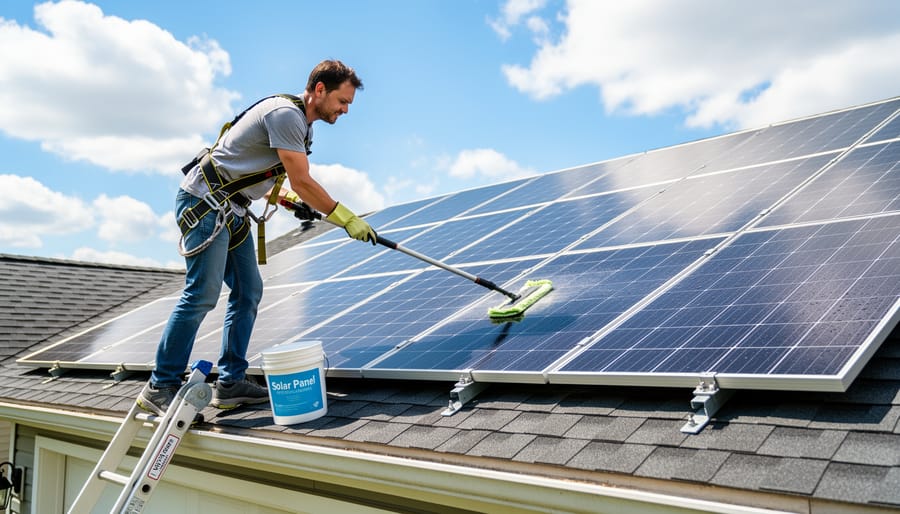
Dirty panels can lose 15-25% of their efficiency, which means less money in your pocket. The good news? Basic cleaning is surprisingly simple. For most homeowners, a gentle spray with a garden hose in the early morning or evening works perfectly. The key is avoiding hot midday sun, which can cause thermal shock and potential cracking. Use only water unless panels are particularly grimy, in which case a soft brush and mild soap will do the trick.
Never use abrasive materials, pressure washers, or harsh chemicals that can scratch the protective coating. If you notice your panels getting dusty frequently, cleaning them 2-4 times per year typically maintains optimal performance. However, if your panels are on a steep roof, difficult to access safely, or heavily soiled with bird droppings or tree sap, calling professional cleaners is the smarter choice. Your safety matters more than any energy savings, and professionals have the proper equipment and insurance to handle challenging situations.
Inspect for Obvious Issues
Start with a simple walk around your solar array—you’d be surprised what a quick visual inspection can reveal. Look for any panels that appear cracked, discolored, or physically damaged, as even small issues can significantly reduce your system’s output. Check that all visible wiring connections are secure and protected from weather exposure, since loose connections are one of the most common culprits behind underperformance.
Pay close attention to shading patterns throughout the day. That tree you planted five years ago may now be casting shadows on your panels during peak sunlight hours, potentially reducing your energy production by 20% or more. Even partial shading on just one panel can affect your entire system’s performance depending on how it’s wired.
Finally, don’t underestimate the impact of debris. Leaves, bird droppings, dust, and pollen create a film that blocks sunlight from reaching your solar cells. In dry climates especially, accumulated dust can reduce efficiency by 5-10%. A clean panel is a productive panel, and this simple maintenance step often delivers immediate improvements you’ll notice on your next energy bill.
When to Bring in the Professionals
While many solar optimization tasks are perfect DIY projects, some situations absolutely call for professional expertise. Knowing when to pick up the phone can save you money, protect your warranty, and keep your system running safely for decades.
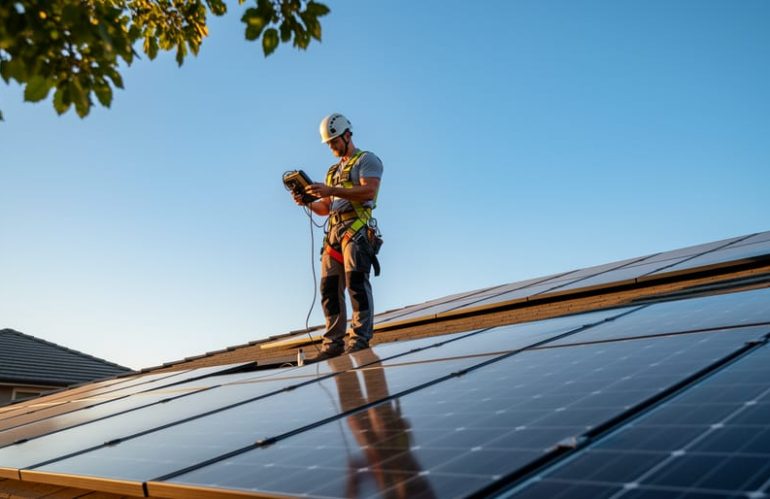
Anything involving electrical work beyond basic cleaning requires a licensed electrician or certified solar technician. This includes rewiring connections, upgrading your inverter, or troubleshooting electrical issues. Not only is this work potentially dangerous, but attempting it yourself can void your system’s warranty and violate local building codes. The few hundred dollars you might save simply isn’t worth the risk.
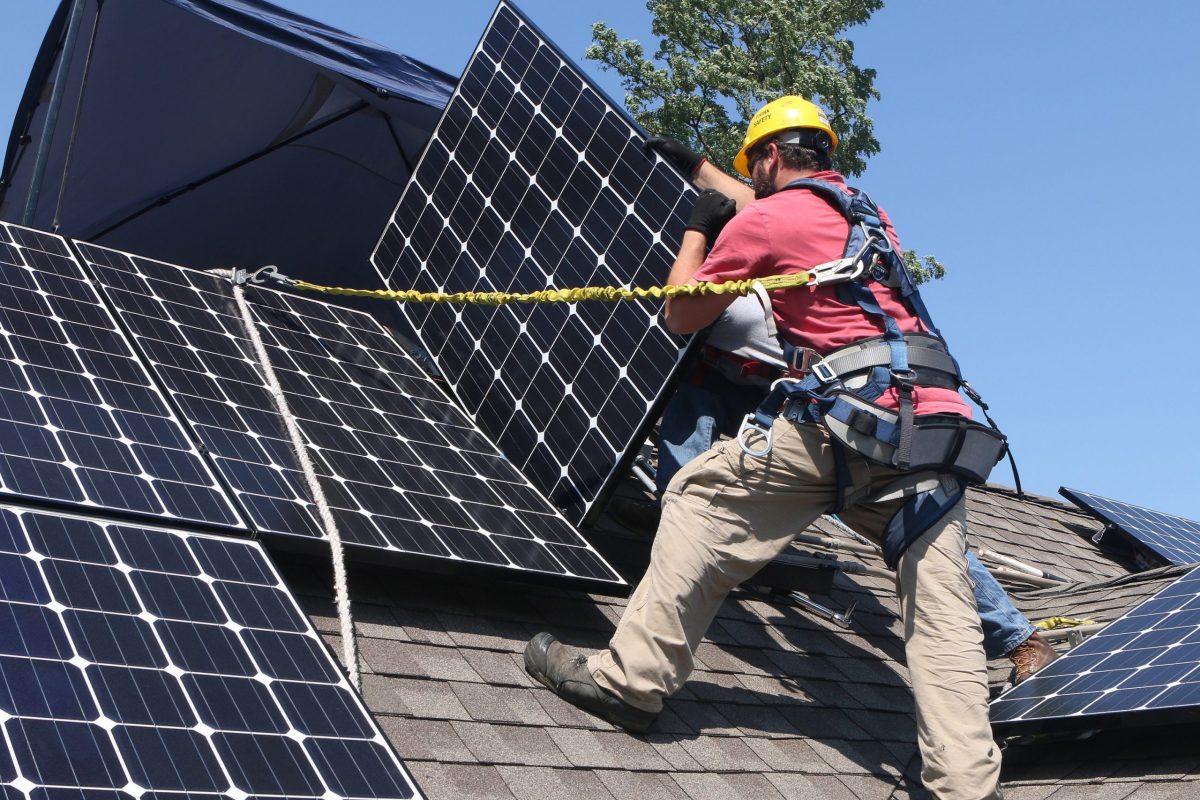
Panel repositioning or mounting adjustments also fall squarely in the professional category. Your roof’s structural integrity matters, and improperly secured panels can lead to leaks, wind damage, or worse. Professionals have the right equipment, insurance, and expertise to safely remount panels at optimal angles without compromising your home.
If you’re considering adding optimizers or microinverters to improve performance on a partially shaded roof, professional installation is essential. These devices integrate directly with your electrical system and require precise configuration to deliver their promised benefits. The good news? The efficiency gains often pay for the installation within a few years through increased energy production.
Professional maintenance packages deserve serious consideration too. Most providers offer annual inspections that include thorough cleaning, electrical testing, and performance analysis for $150-$300 per year. Compare this to the potential losses from undetected issues: a malfunctioning inverter alone could cost you $500+ annually in lost production. Many homeowners find these packages deliver strong returns through early problem detection and maximized output.
The bottom line? When it comes to electrical components, structural work, or system upgrades, professionals aren’t an unnecessary expense. They’re an investment in safety, performance, and long-term savings. Your solar system is a significant financial asset, and protecting it with expert care makes sound economic sense.
Smart Upgrades That Pay for Themselves
Battery Storage for Energy Independence
Adding battery storage to your solar system is like giving your home its own power reserve – you’re no longer limited to using solar energy only when the sun shines. Batteries capture excess electricity your panels produce during the day and save it for evening use, cloudy days, or emergencies. This means you rely less on the grid and maximize every kilowatt your panels generate.
The financial benefits are substantial. Without storage, excess solar energy typically flows back to the grid, often at lower credit rates than what you pay for electricity. A battery system lets you use that power yourself, reducing or even eliminating your electricity bill. During peak-rate hours when utility costs spike, you’re drawing from your stored solar energy instead of paying premium prices.
Beyond savings, batteries provide genuine energy independence. During power outages, homes with battery backup keep running – lights stay on, refrigerators preserve food, and essential devices remain powered. This resilience has real value, especially in areas prone to grid disruptions.
While battery systems represent an additional investment beyond solar panels, various financing options make them accessible. Our energy storage solutions integrate seamlessly with existing solar systems, and our team can assess whether adding batteries makes sense for your home’s energy patterns and goals.
Power Optimizers and Microinverters
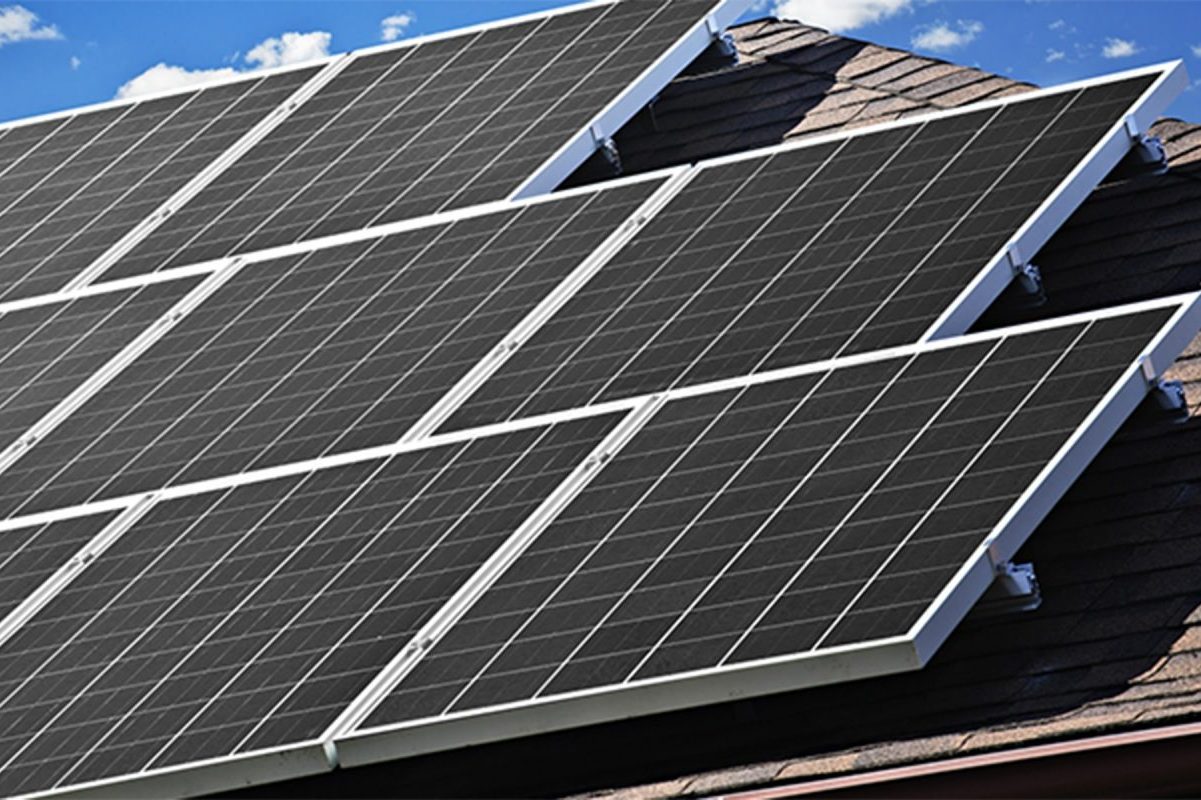
Traditional solar systems have a weakness: they’re only as strong as their weakest panel. If one panel underperforms due to shade, debris, or aging, it can drag down the entire string’s output. This is where power optimizers and microinverters shine.
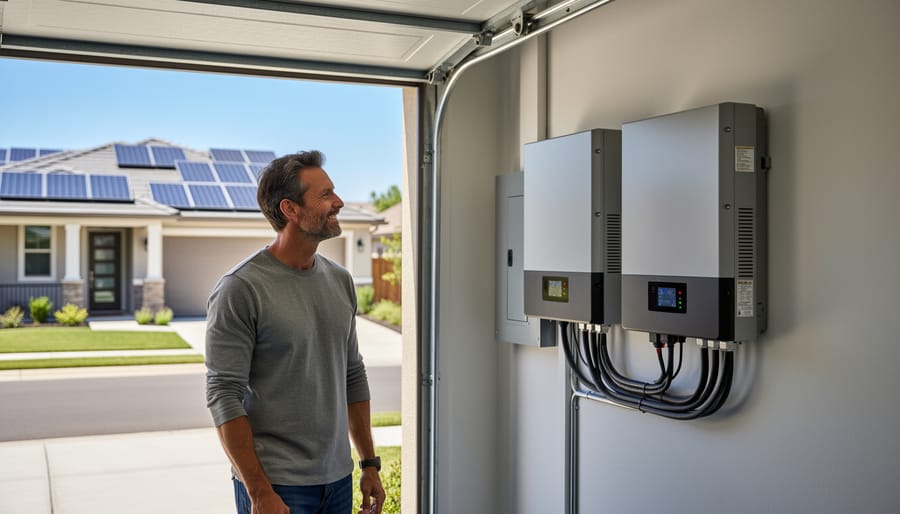
Unlike standard string inverters that handle all panels together, these advanced solar technologies work at the individual panel level. Power optimizers attach to each panel and condition the electricity before sending it to a central inverter. Microinverters go further, converting DC to AC power right at each panel.
The benefits are real: 10-25% more energy production in partially shaded situations, better performance monitoring that shows exactly which panels need attention, and longer warranties (often 25 years compared to 10-12 for standard inverters).
When does the investment make sense? If your roof has unavoidable shade from trees or chimneys, faces multiple directions, or experiences uneven soiling, the extra cost pays for itself. For simple, unshaded south-facing roofs, traditional inverters usually suffice.
The upfront premium runs about 10-20% more than standard systems, but the enhanced production and monitoring capabilities can deliver measurable returns over your system’s lifetime.
The Real Numbers: What Optimization Can Save You
Let’s talk real numbers, because you deserve to know what optimization can actually do for your wallet. A typical residential solar system that’s running at just 75% efficiency due to common issues like shading, dust buildup, and poor angles isn’t just underperforming by 25%. Over a 25-year system lifespan, that adds up to thousands of dollars in lost savings.
Here’s a concrete example: If your system was designed to save you $1,200 annually but efficiency problems drop that to $900, you’re losing $300 every year. That’s $7,500 over the system’s lifetime. Now multiply that if your system is larger or your electricity rates are higher. Suddenly, spending a few hundred dollars on professional cleaning, monitoring equipment, or minor angle adjustments doesn’t seem like overkill.
Even small improvements compound beautifully. Cleaning your panels twice yearly might boost output by 5-7%, translating to an extra $60-$84 annually for that average system. Installing microinverters to eliminate the “Christmas light effect” where one shaded panel drags down the others could recover 10-15% of lost production. Trimming that overhanging branch? Maybe another 3-5% in certain months.
The myth that optimization isn’t worth the effort falls apart when you consider the math. These aren’t one-time gains. They’re improvements that deliver returns every single sunny day for decades. A homeowner who invests $500 in optimization improvements that increase annual production by just 10% will typically break even within 3-4 years, then enjoy pure additional savings for the remaining 20+ years of their system’s life. That’s the power of thinking long-term about your solar investment.
Solar optimization isn’t a one-and-done task—it’s an ongoing practice that keeps your system running at peak performance year after year. Think of it like maintaining your car: regular check-ups and small adjustments prevent bigger problems down the road and ensure you’re getting the full value of your investment.
The good news? You don’t need to overhaul your entire system to see meaningful results. Starting with simple steps like cleaning your panels, trimming nearby trees, or monitoring your energy production can make an immediate difference. These small improvements might seem modest at first, but remember—your solar panels will be on your roof for 20 to 25 years. Even a 5% efficiency gain compounds into thousands of dollars in additional savings over the lifetime of your system.
Now is the perfect time to take a closer look at how your system is actually performing. Check your monitoring app, compare your current output to what it was a year ago, and ask yourself: am I getting the results I expected when I went solar?
If you’re unsure where to begin or suspect your system could be doing better, you don’t have to figure it out alone. A professional optimization consultation can identify specific opportunities to boost your energy production and maximize your return on investment. The small effort you put in today will pay dividends for decades to come—and your wallet (and the planet) will thank you.