Your electricity bill connects to forces far beyond your neighborhood grid. Right now, power flows across international borders like never before, with countries trading surplus renewable energy to balance supply and demand. This cross-border electricity commerce is reshaping how energy reaches your home—and it’s making solar panels a smarter investment than most homeowners realize.
When one region generates excess solar or wind power, neighboring countries can purchase it instead of firing up expensive fossil fuel plants. This international cooperation drives down wholesale electricity costs, reduces grid strain, and accelerates the shift toward clean energy. For you, these macro trends translate into three tangible benefits: more stable electricity prices as utilities access diverse energy sources, improved grid reliability during peak demand, and faster payback periods on home solar systems as traditional power costs remain competitive yet unpredictable.
The myth that international energy trading complicates your energy independence couldn’t be more wrong. In reality, these partnerships create the stable, renewable-friendly infrastructure that makes your rooftop solar more valuable. As cross-border commerce expands, homeowners who’ve already invested in solar generation are positioning themselves ahead of a grid that’s becoming increasingly dynamic and decentralized.
What Is Cross-Border Solar Energy Trade?
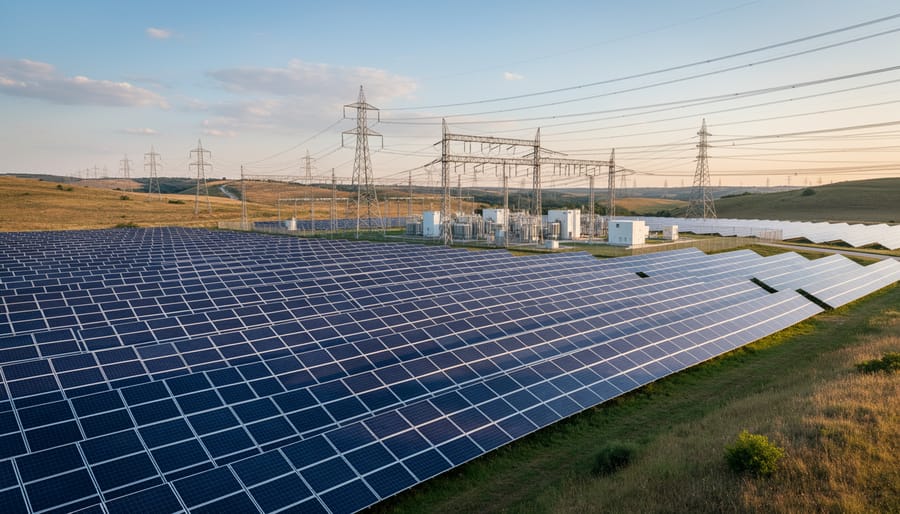
How Electricity Moves Between Countries
Think of the electrical grid like a highway system connecting neighboring states. Just as cars travel freely across state lines, electricity flows seamlessly between countries through interconnected power grids. When one country generates more electricity than it needs—perhaps from abundant wind or solar power—that surplus energy travels through high-voltage transmission lines to countries where demand is higher.
These interconnections work much like your home’s electrical panel. Power naturally flows from areas of higher supply to areas of higher demand, managed by sophisticated control systems that balance everything automatically. The beauty of this system is that it creates efficiency: countries can share resources rather than each building excess capacity they might rarely use.
For homeowners, this matters because it addresses common solar grid integration challenges and makes renewable energy more reliable. When your solar panels produce extra electricity during sunny days, that power can benefit the wider grid network. Conversely, when clouds roll in, your home can draw from diverse sources across regions, ensuring consistent power while maximizing clean energy use throughout the system.
Why Solar Energy Is Leading This Movement
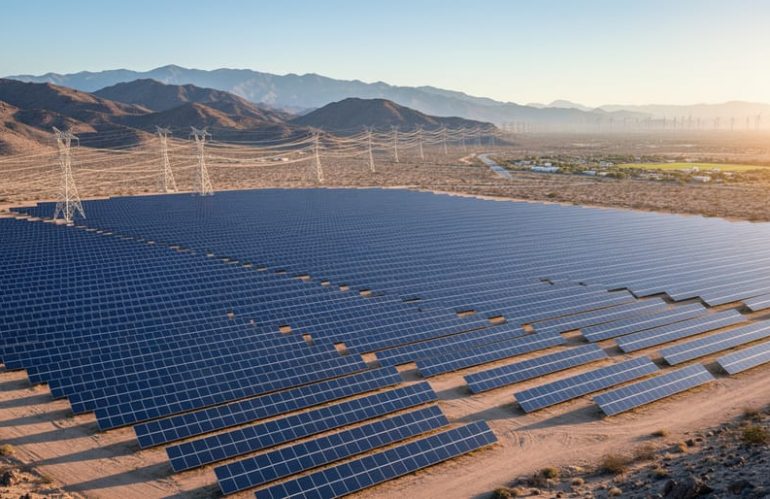
Solar energy has emerged as the powerhouse behind cross-border electricity commerce for several compelling reasons that ultimately benefit homeowners like you. Unlike fossil fuels that require constant extraction and transportation, sunlight is abundant and free once the infrastructure is in place. This makes solar installations incredibly scalable—from small residential rooftops to massive solar farms spanning desert landscapes.
The technology has matured rapidly, with costs dropping over 80% in the past decade. This affordability makes it economically viable for countries to invest in large-scale solar projects specifically designed for export. Solar panels also have minimal moving parts, meaning less maintenance and more reliable energy production over their 25-30 year lifespan.
Perhaps most importantly, solar aligns with global climate commitments without the political complications of fossil fuel dependence. Countries can partner on solar projects without worrying about volatile fuel prices or supply disruptions. For you as a homeowner, this growing international solar network means more stable electricity prices and increased grid reliability as your local utility taps into diverse clean energy sources across borders, protecting your household budget from traditional energy market fluctuations.
Real-World Examples of Solar Energy Partnerships
North American Solar Connections
North America offers inspiring examples of how cross-border electricity partnerships create real benefits for everyday energy consumers. The US-Mexico connection has grown substantially, with solar-rich regions in the American Southwest now sharing clean energy with Mexican border communities during peak demand periods. This arrangement helps stabilize electricity prices on both sides by allowing excess solar power to flow where it’s needed most, rather than going to waste.
The US-Canada partnership demonstrates even more robust cooperation, particularly between British Columbia’s hydroelectric resources and California’s booming solar infrastructure. When California generates surplus solar energy during sunny afternoons, it exports power northward. In return, Canada sends back reliable hydroelectric power during evening hours when solar production drops. This complementary exchange means fewer fossil fuel plants need to operate as backup sources.
For homeowners, these partnerships translate into tangible advantages. Grid stability improves when diverse energy sources from multiple regions work together, reducing the likelihood of brownouts or price spikes. Additionally, as cross-border solar trade expands, it creates economies of scale that drive down solar equipment costs and installation prices. These international connections prove that solar energy isn’t just about individual rooftops—it’s part of a larger, increasingly efficient system that benefits everyone through lower costs and cleaner air.
What Other Regions Are Doing
Europe has been leading the charge in cross-border electricity sharing for decades, proving that international energy cooperation works brilliantly. The European Union’s integrated electricity market connects 27 countries, allowing surplus solar power from sunny Spain to light up homes in cloudier regions like Germany. This system has reduced energy costs for millions of households while making renewable energy more reliable across the continent.
Similar success stories are emerging worldwide. In Southeast Asia, countries are building interconnected grids to share hydroelectric and solar power across borders. Australia and Singapore recently signed agreements to trade renewable energy via undersea cables, demonstrating that distance doesn’t have to be a barrier. Even emerging solar markets in Africa are exploring regional partnerships to maximize their abundant sunshine.
What does this mean for you? These international initiatives prove that sharing electricity across borders stabilizes prices, increases renewable energy reliability, and drives down costs for everyday homeowners. As these models expand, they create blueprints that benefit residential solar owners by ensuring your excess power has value and your energy supply remains consistent, regardless of local weather conditions.
The Financial Benefits Coming Your Way
Lower Energy Costs Through Competition
When multiple countries trade electricity across borders, it creates a larger, more competitive energy marketplace—and that’s excellent news for your wallet. Think of it like shopping: when more stores compete for your business, prices naturally drop. The same principle applies to electricity.
International solar partnerships dramatically expand the supply of renewable energy available to power grids. Countries with abundant sunshine can generate excess solar power and sell it to neighboring regions, especially during peak production hours. This increased supply puts downward pressure on electricity rates for everyone connected to the grid, including residential customers like you.
Competition also encourages energy providers to operate more efficiently and offer better rates to retain customers. As cross-border solar commerce grows, utility companies must adapt by improving their pricing structures and service offerings. This competitive environment directly translates to lower monthly energy bills for homeowners.
The financial benefits extend beyond immediate cost savings. Lower grid electricity prices improve the return on investment for homeowners who install solar panels, since the contrast between what you generate and what you’d otherwise pay becomes more favorable. Understanding how your home can profit from these international energy trends helps you make smarter decisions about your household energy strategy today.
More Reliable Power When You Need It
When your local grid experiences problems, cross-border electricity connections act like a safety net for your home. Think of it as having multiple power sources instead of relying on just one. If your regional grid faces equipment failures, extreme weather, or unexpected demand spikes, electricity can flow in from neighboring regions or countries to keep your lights on.
These international connections essentially create a larger, more resilient power network. When one area experiences a shortage, surplus energy from another location fills the gap. This interconnected approach has already proven effective in regions like the European Union, where countries regularly share electricity to maintain stability.
For homeowners with solar panels, this matters even more. A stable grid means your solar investment works seamlessly—you can sell excess power when you’re generating more than you need and draw from the grid reliably when the sun isn’t shining. Cross-border commerce improves this balance by ensuring consistent grid operations and reducing the likelihood of blackouts that could disrupt your daily life. Rather than worrying about power interruptions, you benefit from a more dependable energy system that supports both traditional and renewable sources working together efficiently.
Better Solar Incentives and Programs
Cross-border electricity agreements are doing more than moving power across state lines—they’re spurring better local incentives for homeowners like you. When neighboring states or countries collaborate on energy markets, they often harmonize their renewable energy programs, creating competitive pressure to offer more attractive solar rebates and tax credits. For example, regional energy partnerships have led several states to expand their net metering policies and increase buyback rates for excess solar power. This means your solar panels could earn you more money when your system produces surplus electricity. Additionally, international cooperation has accelerated the adoption of streamlined permitting processes and standardized solar installation requirements, reducing installation costs and wait times. The financial benefits are real: homeowners in regions with active cross-border energy agreements typically see 15-20% better returns on their solar investments compared to isolated markets. These macro-level partnerships translate directly into more money in your pocket and faster payback periods for your solar system.
What This Means for Your Home Solar System
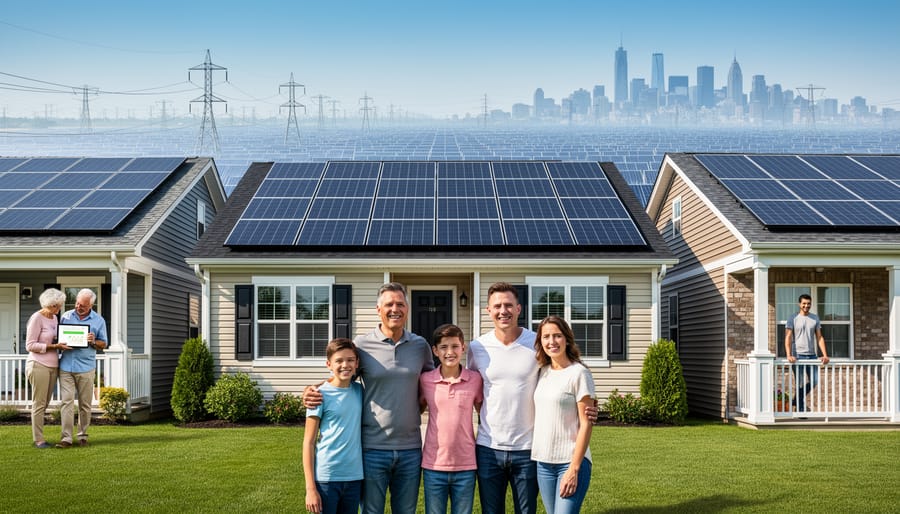
Why Now Is a Great Time to Go Solar
Cross-border electricity partnerships are creating unprecedented opportunities for homeowners to go solar at better prices with improved technology. When countries and regions work together on energy solutions, manufacturers scale up production, driving down costs for solar panels and equipment. This collaboration has reduced solar installation costs by more than 70% over the past decade, making home solar systems more affordable than ever.
These international partnerships also accelerate innovation. When researchers and manufacturers across borders share insights, breakthrough technologies reach your rooftop faster. The latest solar panel technology emerging from these collaborations offers higher efficiency ratings and better performance in diverse weather conditions, meaning you’ll generate more electricity from the same roof space.
Additionally, cross-border commerce has stabilized supply chains, making installations more predictable and reducing wait times. Combined with federal tax incentives and local rebate programs, the financial math for going solar has never been more compelling. Energy markets that span borders create competitive pricing that benefits consumers directly, translating into faster payback periods and greater long-term savings on your electricity bills. The global cooperation happening today means your solar investment is backed by worldwide innovation and economies of scale.
How Your Home Becomes Part of the Solution
When you install solar panels on your home, you’re doing more than just cutting your own electricity bills. You’re actually becoming a valuable participant in a growing energy network that extends beyond your neighborhood and even across national borders.
Here’s the exciting part: as cross-border electricity commerce expands, your home solar system gains even more value. During peak production times when your panels generate excess energy, that electricity can flow into the grid and help meet demand in other regions. Some utility programs will credit you for this contribution, directly reducing your energy costs.
Think of it like this: your rooftop becomes a mini power plant that strengthens grid reliability for everyone. When regional grids connect internationally, they create more opportunities to balance supply and demand efficiently. This means the clean energy you produce has a better chance of being used immediately rather than going to waste.
The financial benefits work in your favor too. As these interconnected networks grow, they help stabilize energy prices and create more incentives for solar adoption. Many homeowners find that their solar investment pays off faster than expected because utilities increasingly value distributed energy sources like residential solar.
By going solar now, you’re positioning yourself to benefit from these expanding energy partnerships while contributing to a cleaner, more resilient power system for your community and beyond.
Common Myths About International Energy Trade
You’ve probably heard concerns about cross-border electricity trade that sound a bit alarming, but let’s clear up some common misconceptions with the facts.
One widespread myth is that importing electricity makes your power less reliable. In reality, the opposite is true. When regions share electricity across borders, they create a safety net. If one area experiences unexpected demand or a power plant goes offline, neighboring regions can step in immediately. Think of it like having multiple backup generators instead of relying on just one. This interconnected system actually strengthens your power reliability, not weakens it.
Another concern homeowners often raise is that international energy trade drives up costs. The truth? Competition typically lowers prices. When utilities can purchase electricity from multiple sources across borders, they’re not locked into a single supplier’s pricing. This competitive marketplace helps keep your energy bills in check, and when combined with your own solar panels, you’re even better positioned to maximize savings.
Some people worry that cross-border electricity trade threatens energy independence. Here’s the reality: energy independence doesn’t mean isolation. Modern energy security comes from diversity and flexibility. Countries that trade electricity maintain strong domestic energy production, including renewable sources like solar, while benefiting from shared resources during peak times or emergencies.
Finally, there’s a misconception that imported electricity is less clean. Actually, cross-border trade often enables regions to share renewable energy like wind and solar power when it’s most abundant. This means you could be benefiting from clean energy generated hundreds of miles away during times when local production dips. For environmentally-conscious homeowners, this interconnected clean energy network supports your sustainability goals while maintaining the reliable power you need daily.
The future of energy is brighter than ever, and cross-border electricity partnerships are proving that clean energy knows no boundaries. These international collaborations are driving down costs, improving grid reliability, and accelerating the transition to renewable power sources. What happens on a global scale creates ripples that reach your own neighborhood, making residential solar more affordable and accessible than it was just a few years ago.
You don’t need to wait for massive international agreements to make a difference. Every home that switches to solar contributes to this growing momentum toward cleaner energy. The technology is proven, the financial benefits are real, and the environmental impact is measurable. As countries continue sharing renewable resources across borders, the infrastructure supporting your home solar system becomes more robust and efficient.
Taking action starts with a simple decision. By investing in your own solar installation, you’re joining a worldwide movement that’s reshaping how we think about electricity. You’ll reduce your energy bills, increase your home’s value, and gain energy independence while supporting the broader shift toward sustainable power. The clean energy future isn’t just coming—it’s here, and it’s ready for you to be part of it.