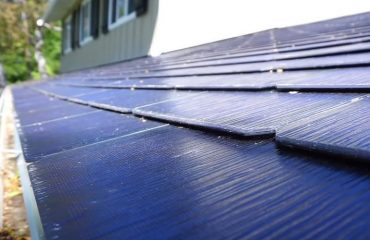
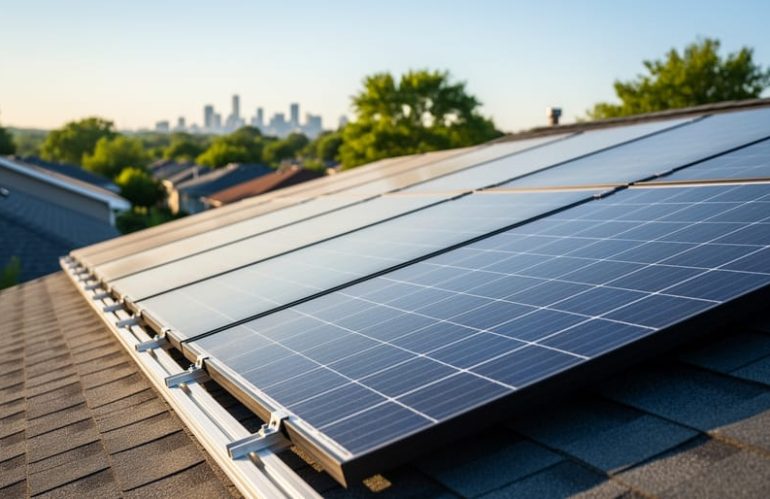
Let’s clear up a common confusion right away: PVC (polyvinyl chloride) and PV (photovoltaic) are completely different things. If you’re researching solar panels and stumbled across alarming information about PVC’s environmental impact, you can breathe easier. Solar panels are photovoltaic systems, not made from PVC plastic.
That said, some solar mounting systems and electrical components do contain PVC materials, so your environmental concerns aren’t misplaced. Understanding what’s actually in your solar installation matters when you’re committed to sustainable living.
The good news? Modern solar technology has evolved dramatically. Most reputable manufacturers have moved toward eco-friendly alternatives and recyclable materials. More importantly, the environmental benefits of solar energy far outweigh the minimal material concerns. A typical residential solar system prevents roughly 100 tons of carbon dioxide emissions over its 25-30 year lifespan, equivalent to planting over 2,500 trees.
This article cuts through the confusion and delivers the facts you need. You’ll discover what materials actually go into solar panels, which components might contain PVC, how manufacturers are improving sustainability, and most importantly, how to make environmentally-responsible choices for your home. No scare tactics, no greenwashing, just honest information that empowers you to invest in clean energy with confidence. Your path to sustainable living shouldn’t be clouded by misconceptions about materials.
Understanding the Confusion: PVC vs. PV Materials
If you’ve been researching solar energy, you might have stumbled across information about PVC and wondered if it’s the same as the PV technology in your solar panels. Let’s clear up this common confusion right away.
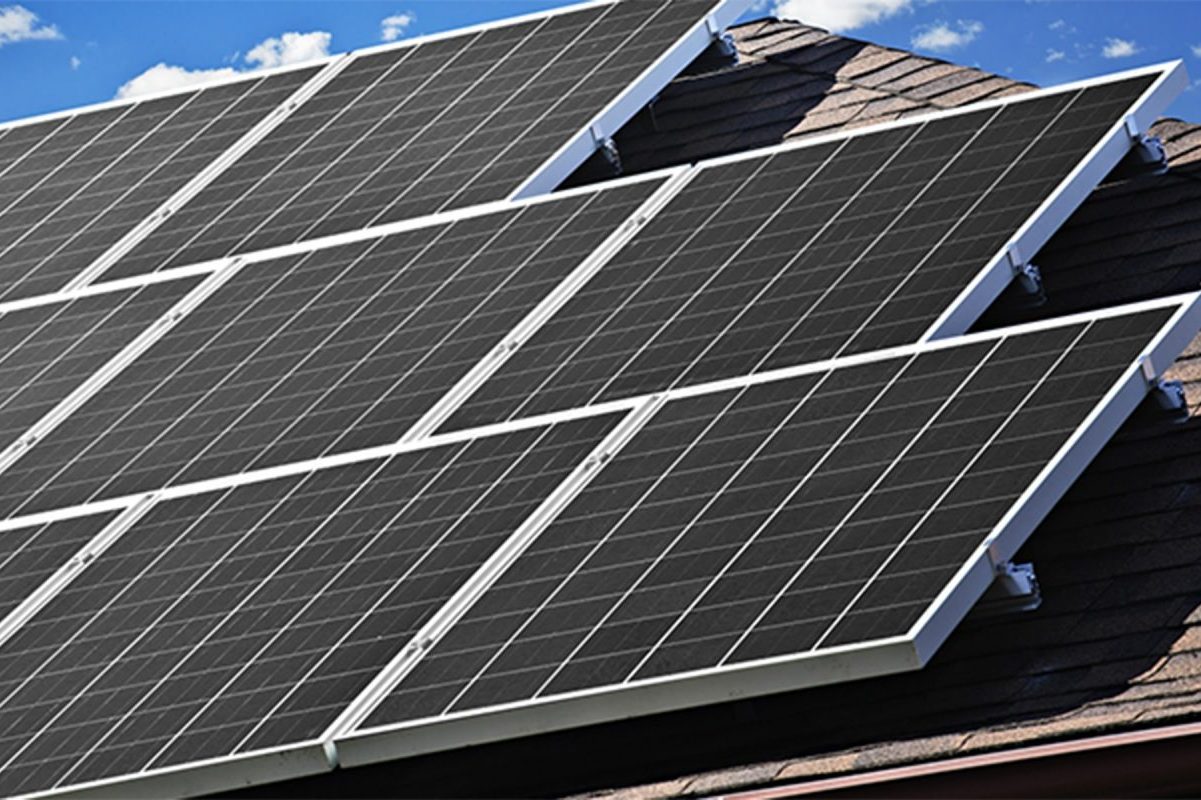
PV stands for photovoltaic, which is the technology that converts sunlight into electricity. These are your actual solar panels. PVC, on the other hand, is polyvinyl chloride, a type of plastic material that’s completely different from the energy-generating components of your solar system.
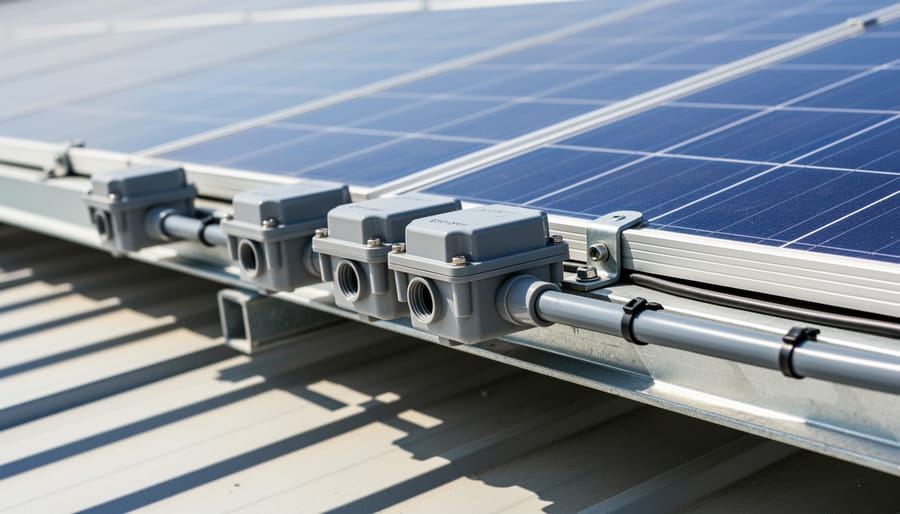
Here’s where things get interesting: while your solar panels themselves don’t contain PVC, this plastic does play a supporting role in many solar installations. You’ll find PVC in electrical conduit that protects wiring, insulation around cables, and sometimes in junction boxes. Think of it as the behind-the-scenes helper rather than the star of the show.
Why does this distinction matter for your environmental decision? Because when you’re evaluating the sustainability of solar energy, you want to look at the complete picture. The good news is that any PVC components in a solar installation represent a tiny fraction of the overall system. More importantly, the clean energy your panels generate over their 25-plus year lifespan far outweighs the environmental footprint of these small plastic components.
Understanding this difference helps you make informed decisions and ask the right questions when talking with solar installers. You’re not choosing between PVC or sustainability. You’re investing in a renewable energy system that happens to use small amounts of various materials, including some plastics, to safely and efficiently deliver clean power to your home for decades to come.
The Real Materials in Your Solar Panels
Silicon: The Workhorse of Solar Energy
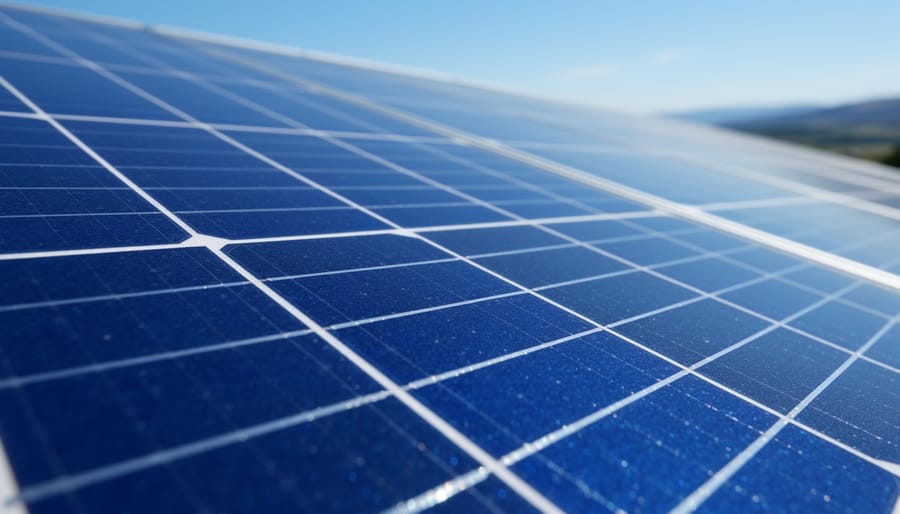
Silicon is the true star of your solar panels, and here’s the good news: it’s the second most abundant element in Earth’s crust, right after oxygen. The solar panel production process does require significant energy to purify silicon into the crystalline form needed for panels. This manufacturing step creates the largest environmental footprint during production.
However, here’s what really matters: a typical solar panel “pays back” the energy used to create it in just 1-3 years, depending on your location and sunlight exposure. After that payback period, your panels generate clean electricity for 25-30 years or more. That’s two decades of net environmental benefit from your roof alone.
Modern manufacturers are also making silicon production cleaner every year. Many now use renewable energy in their facilities and recover waste materials during processing. When you install solar panels, you’re not just reducing your energy bills; you’re supporting an industry that keeps improving its environmental performance while delivering genuinely clean energy to your home for decades.
Supporting Materials: Glass, Aluminum, and Metals
Solar panels rely on several other materials beyond silicon cells, each with their own environmental footprint. Understanding these components helps you make informed decisions about your solar investment.
Glass makes up about 75% of a solar panel’s weight and serves as the protective front layer. The good news? Glass is highly recyclable and can be reprocessed indefinitely without losing quality. Manufacturing does require significant energy, but this is offset multiple times over during the panel’s 25-30 year lifespan.
Aluminum frames provide structural support and weather protection. Aluminum production is energy-intensive, but it’s one of the most recycled materials globally, with recycling requiring 95% less energy than producing new aluminum. Many manufacturers now incorporate recycled aluminum into their frames.
Small amounts of copper and silver serve as electrical conductors within panels. While mining these metals does impact the environment, the quantities used per panel are minimal. The solar industry continues developing alternatives and recovery methods to reduce reliance on precious metals.
The environmental benefits of generating clean energy far outweigh the initial material sourcing impacts. Most panels offset their manufacturing footprint within 1-3 years of operation, then continue producing emissions-free electricity for decades.
Where PVC Actually Shows Up in Solar Installations
Here’s the reality: PVC does appear in solar installations, but probably not where you think. The good news? We’re talking about small supporting components, not the panels themselves.
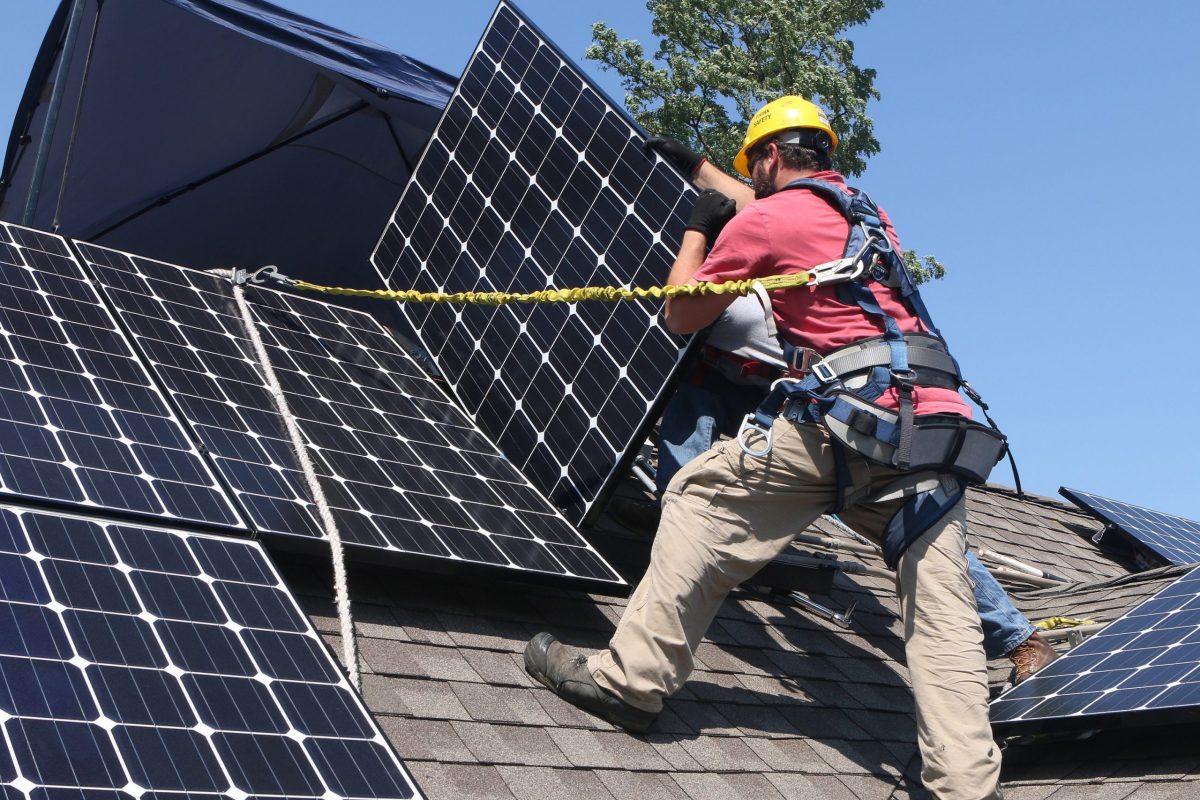
PVC primarily shows up in three places within a typical rooftop solar system. First, electrical wiring insulation uses PVC coating to protect the copper conductors that carry electricity from your panels to your home. Second, PVC conduit—those protective pipes that house and shield wiring—may route cables along your roof or through walls. Third, junction boxes (the weatherproof housings where wires connect) sometimes contain PVC components.
Let’s put this in perspective. The amount of PVC in these components represents a tiny fraction of your overall solar installation’s weight and environmental footprint. We’re typically talking about pounds of PVC versus hundreds of pounds of aluminum, glass, and silicon in the panels themselves.
The environmental concern with PVC centers on its production process and end-of-life disposal. Manufacturing PVC releases chlorine compounds, and burning it can produce harmful emissions. However, modern solar installations don’t burn these components—they’re recycled or safely disposed of after decades of use.
Here’s what matters most: alternatives exist. Metal conduit replaces PVC piping beautifully. Wiring with alternative insulation materials like cross-linked polyethylene is readily available. Many solar installers now offer low-PVC or PVC-free options when requested.
The environmental math still heavily favors solar. Your system will offset tons of carbon emissions over its 25-plus year lifespan, completely dwarfing any concerns about a few pounds of PVC components. When you’re getting quotes, simply ask your installer about their approach to minimizing PVC use—many will happily accommodate environmentally-conscious homeowners.
The Environmental Impact Reality Check
Manufacturing Footprint vs. Lifetime Benefits
Here’s the good news: solar panels typically offset their entire manufacturing footprint within 1-3 years of operation, then continue producing clean energy for 25-30 years or more. That means for every year of manufacturing impact, you get roughly 10-25 years of environmental benefit. It’s like planting a tree that removes far more carbon than it took to grow the sapling.
Let’s break down the math in simple terms. During production, a solar panel system generates roughly 20-40 grams of CO2 per kilowatt-hour of its lifetime energy production. Compare that to coal power at 820 grams or natural gas at 490 grams per kilowatt-hour. Even accounting for manufacturing, solar energy produces 95% less carbon dioxide than traditional energy sources.
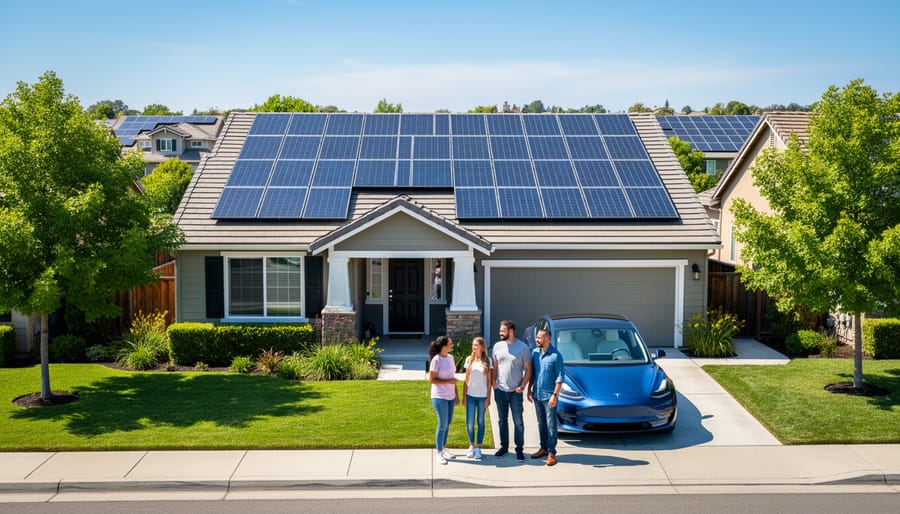
For the average home solar installation, this translates to preventing 3-4 tons of carbon emissions annually. Over a 25-year lifespan, that’s equivalent to planting approximately 2,500 trees or taking two cars off the road permanently.
The environmental payback period varies based on your location and sunlight exposure, but most homeowners see their panels become carbon-negative within 2 years. After that point, every sunrise brings pure environmental benefit with zero ongoing emissions. This makes solar one of the most effective personal actions you can take for climate impact, with financial savings as an added bonus.
What Happens at End of Life
When solar panels reach the end of their 25-30 year lifespan, the good news is that most components are highly recyclable. Modern solar panel recycling programs can recover up to 95% of materials, including glass, aluminum frames, silicon cells, and copper wiring.
The recycling infrastructure is rapidly expanding across the United States. Several companies now specialize in solar panel recovery, using advanced processes to separate and purify materials for reuse in new products. Glass and aluminum are particularly easy to recycle, while silicon wafers can be processed and reintroduced into manufacturing.
Currently, some manufacturers offer take-back programs, and several states are developing regulations to ensure responsible disposal. As the solar industry matures, these systems will only improve. The tiny amounts of plastic components, including any PVC-related materials, are typically separated during recycling.
This end-of-life consideration reinforces solar panels’ environmental advantages. Over their lifetime, panels generate clean energy that far outweighs any disposal concerns, contributing to a truly circular economy as recycling technology advances.
Making the Most Sustainable Choice for Your Home
When shopping for solar panels, you can make choices that minimize environmental impact while maximizing your home’s clean energy potential. Here’s how to ensure you’re getting the most sustainable option available.
Start by asking your installer about the panel manufacturer’s commitment to sustainability. Reputable companies now publish transparency reports detailing their manufacturing processes, chemical use, and waste management practices. Don’t hesitate to request this information—quality installers will appreciate informed customers and should readily provide details about the brands they recommend.
Look for panels with strong environmental profiles backed by recognized certifications. The Cradle to Cradle Certified program evaluates products across five sustainability categories, including material health and recyclability. The Solar Scorecard, published by the Silicon Valley Toxics Coalition, ranks manufacturers on their environmental and social responsibility practices. These third-party assessments cut through marketing claims and give you real data to work with.
Prioritize panels from manufacturers with take-back or recycling programs. Forward-thinking companies now design products with end-of-life management in mind, making it easier to responsibly dispose of panels after their 25-30 year lifespan. Some even offer incentives for returning old equipment.
Consider the total picture beyond just materials. Panels with higher efficiency ratings produce more clean energy from the same footprint, offsetting their manufacturing impact faster. Similarly, panels with longer warranties typically indicate better build quality and durability, reducing the likelihood of premature replacement.
Remember, even entry-level solar panels deliver substantial environmental benefits compared to fossil fuel energy. The key is choosing quality products from responsible manufacturers who prioritize transparency and continuous improvement in their sustainability practices.
When it comes to home improvements that benefit both your wallet and the planet, solar panels stand among the smartest choices you can make. While it’s natural to have questions about materials and manufacturing processes, the evidence is clear: the environmental benefits of solar energy dramatically outweigh any concerns about panel production.
Understanding what goes into your solar panels empowers you to make informed decisions. The good news is that modern solar technology continues improving, with manufacturers increasingly focused on sustainable practices and recyclability. Your solar panels will offset far more environmental impact through clean energy generation than they create during production.
By choosing solar, you’re not just reducing your energy bills—you’re actively contributing to a cleaner future for your family and community. Every kilowatt-hour your panels produce is one less drawn from fossil fuels. That’s a powerful legacy and a practical investment rolled into one.
The path to sustainable living doesn’t require perfection; it requires action. Solar panels represent proven, accessible technology that delivers real results right from your rooftop. You’re making a choice that matters, and that’s something to feel optimistic about as you move forward with your solar journey.