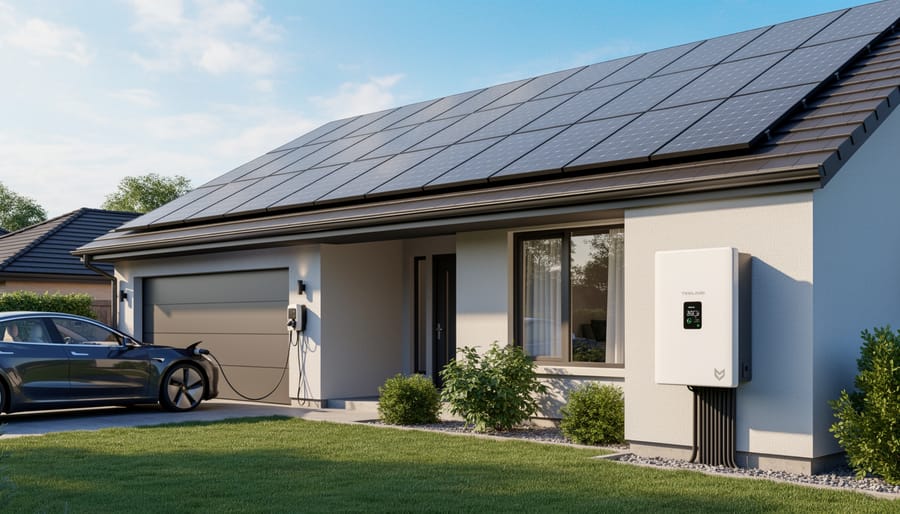
Solar-plus-storage systems combine rooftop solar panels with home battery backup, and if you’re wondering whether they’re truly green or just greenwashing, here’s the straight answer: yes, they deliver genuine environmental benefits that far outweigh their costs. Over a typical 25-year lifespan, these systems prevent roughly 100 tons of carbon dioxide emissions while the manufacturing and disposal of batteries account for less than 5 tons—a net positive impact of 95%.
The confusion often stems from concerns about battery production, which does require mining lithium and other materials. However, modern batteries are increasingly recyclable, with up to 95% of materials recoverable for reuse. More importantly, every kilowatt-hour your system stores and uses replaces electricity that would otherwise come from fossil fuel plants, creating immediate and ongoing environmental gains.
The real environmental win happens when your stored solar energy displaces grid power during peak evening hours, precisely when utilities typically fire up their dirtiest, least efficient power plants. You’re not just reducing emissions; you’re eliminating them at the times when your impact matters most. For homeowners committed to sustainable living, solar-plus-storage represents one of the most effective personal climate actions available today.
The Environmental Benefits That Make Solar-Plus-Storage Worth It
Cutting Carbon Emissions Beyond Standard Solar
Solar panels alone only generate electricity during daylight hours, which means you’re still drawing power from the grid at night—when many utilities rely more heavily on fossil fuel plants. This is where batteries make a meaningful difference. By storing your excess solar energy during the day and using it after sunset, you dramatically reduce your dependence on grid power generated from coal and natural gas.
The impact adds up quickly. A typical solar-plus-storage system can prevent 3 to 5 tons of carbon dioxide emissions annually compared to grid-only power. That’s equivalent to taking a car off the road for an entire year. Over the 10-15 year lifespan of your battery, you’re reducing carbon emissions by 30 to 75 tons—the same impact as planting hundreds of trees.
The environmental benefit goes beyond your own home too. When thousands of homeowners use stored solar energy during evening peak hours, it reduces stress on power plants that typically fire up to meet that demand, creating a ripple effect of cleaner energy across your community.
Reducing Strain on the Electrical Grid
During peak demand hours—typically late afternoon and early evening when everyone gets home from work—power companies traditionally fire up extra “peaker” power plants to handle the surge. These plants are often older, less efficient, and burn fossil fuels like natural gas or even diesel. They’re essentially the backup generators of the electrical grid, and they’re expensive and polluting to run.
Here’s where your solar battery makes a real difference. Instead of pulling electricity from the grid when these dirty peaker plants kick on, you’re drawing power you stored earlier from your own clean solar panels. When thousands of homes do this together, it means fewer peaker plants need to run at all.
Think of it like carpooling on a massive scale—when more people share resources efficiently, fewer gas-guzzling vehicles need to be on the road. The result is less air pollution, lower carbon emissions, and reduced waste from burning fossil fuels during the times when electricity is dirtiest and most expensive to produce. You’re essentially helping prevent pollution before it even happens, all while using the clean energy your roof already generated during the sunny part of the day.
Making Renewable Energy More Reliable
One of the biggest myths about solar energy is that it’s unreliable because the sun doesn’t shine 24/7. This concern has held many homeowners back from making the switch. Here’s the good news: solar-plus-storage systems solve this problem completely.
Battery storage captures excess energy your panels produce during sunny days and saves it for when you need it most—during evenings, cloudy days, or even power outages. This means you’re no longer dependent on the grid during non-sunny hours, and you’re not forced to rely on fossil fuel backup power.
The environmental impact is significant. By storing clean energy instead of letting it go to waste, these systems maximize the value of every ray of sunshine your panels capture. This makes renewable energy practical for regions with variable weather and reduces the overall need for fossil fuel power plants that typically kick in during peak evening demand.
The result? You get consistent, clean power around the clock, which accelerates our collective shift away from carbon-intensive energy sources. Storage doesn’t just make solar more convenient for your household—it makes renewable energy a genuine replacement for traditional power generation, helping drive meaningful environmental change at scale.
The Environmental Costs You Should Know About
What Goes Into Making a Battery
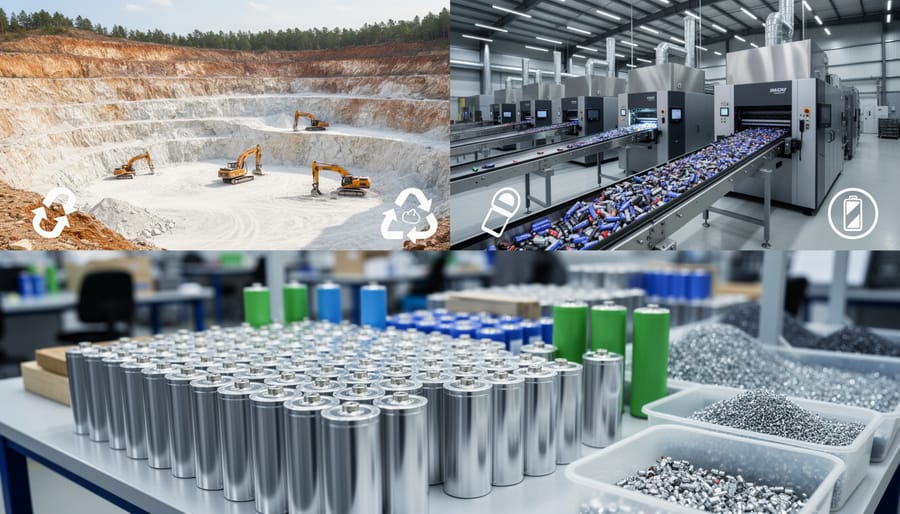
Most solar batteries today use lithium-ion technology, similar to what powers your phone or electric car. The battery manufacturing impacts do include mining lithium, cobalt, and other minerals, which requires energy and can affect local ecosystems if not managed responsibly.
Here’s the honest reality: battery production does create environmental impacts upfront. Mining operations use water and energy, and processing these materials requires careful handling. However, the industry has made significant strides in recent years. Many manufacturers now source materials from operations with stricter environmental standards, and recycling programs are becoming more widespread.
Think of it this way: your battery’s environmental footprint occurs once during production, but it enables years of clean energy storage. Studies show that a home battery typically offsets its manufacturing impact within two to three years of use through the clean energy it stores and delivers.
The good news? Battery technology keeps improving. Newer designs use fewer rare materials, last longer, and are increasingly recyclable. Some manufacturers now recover up to 95% of battery materials for reuse, creating a more circular system that reduces the need for new mining over time.
The Recycling Reality (It’s Getting Better)
Here’s the good news: the battery recycling industry is making impressive strides. Today’s battery recycling technologies can recover up to 95% of materials from lithium-ion batteries, including valuable metals like lithium, cobalt, and nickel. Companies are developing even more efficient processes that reduce waste and lower the energy required for recycling.
Unlike the early days when spent batteries often ended up in landfills, today’s infrastructure is expanding rapidly. Major battery manufacturers are now building recycling capabilities directly into their business models, creating closed-loop systems where old batteries become new ones. Some companies are even designing batteries specifically to be easier to disassemble and recycle.
The trajectory is clear: as more home batteries reach the end of their lifespan over the next decade, recycling facilities will scale up to meet demand. This means the environmental footprint of your solar-plus-storage system will actually improve over time. When you invest in home batteries today, you’re supporting an industry that’s actively solving its waste challenges and moving toward true sustainability.
How Long Do These Systems Last?
Most solar panels last 25-30 years, while battery systems typically need replacement after 10-15 years. This difference means your batteries will likely require an update during your system’s lifetime, which factors into the overall environmental equation.
Here’s the good news: even with battery replacement, solar-plus-storage systems still pay back their environmental footprint within 3-5 years of operation. After that, you’re generating clean energy for decades. Think of it as an investment that keeps giving back to the planet year after year.
Technology is also improving rapidly. Today’s batteries last longer and perform better than models from just five years ago. Warranties now commonly cover 10 years or 10,000 cycles, and many batteries continue functioning well beyond their warranty period. As manufacturing advances, future replacements will likely be even more efficient and environmentally friendly, making your long-term impact even more positive.
The Environmental Payback: When Do You Break Even?
Solar Panels Pay Back Fast
Here’s a reassuring fact: solar panels quickly offset the energy and resources used to manufacture them. While it’s true that producing solar panels requires energy and materials, studies consistently show that panels generate enough clean electricity to “pay back” this environmental payback period within just 1-4 years, depending on your location and sunshine exposure. After that initial payback window, your panels continue producing clean energy for 25-30 years or more. This means the vast majority of your solar system’s lifetime is spent delivering purely positive environmental benefits. Even when you add battery storage to the equation, the overall environmental equation remains strongly in your favor, making solar-plus-storage a genuinely green choice for your home.
Adding Storage to the Equation
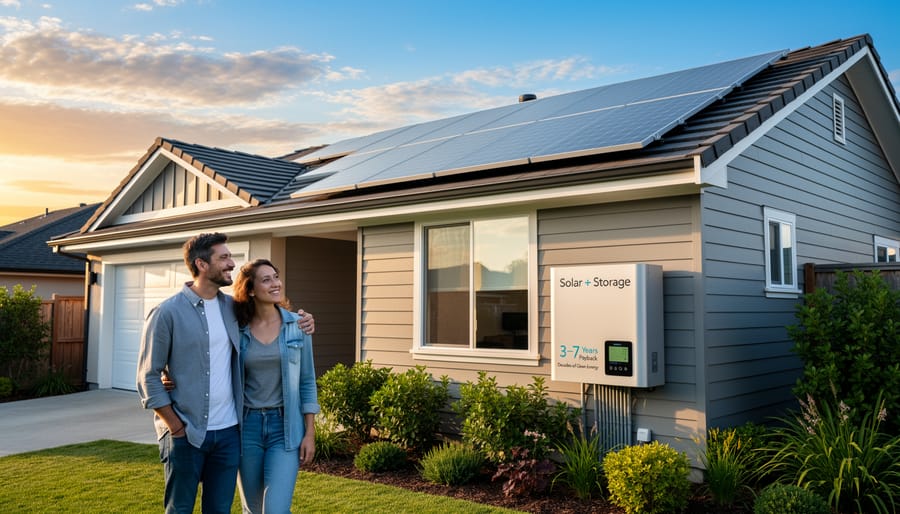
When you add battery storage to your solar panels, you might wonder if you’re undoing the environmental benefits. Here’s the good news: even with batteries included, complete solar-plus-storage systems typically achieve environmental payback within 3-7 years. That means after this initial period, your system has generated enough clean energy to offset the environmental costs of manufacturing both the panels and batteries.
This payback period varies based on a few straightforward factors. If you live in a sunny location like Arizona or California, you’ll reach that break-even point faster than someone in cloudier regions. Your energy usage patterns matter too. Households that maximize their stored solar energy during peak evening hours get more environmental value from their batteries, shortening the payback timeline.
What happens after those first few years? That’s where the real environmental magic occurs. Solar panels typically last 25-30 years, and modern batteries function effectively for 10-15 years. This means you’ll enjoy 20+ years of genuinely clean, emission-free electricity after your system has paid back its environmental debt.
Consider this perspective: a typical system prevents 3-4 tons of carbon dioxide emissions annually. Over its lifetime, that single installation offsets roughly 100 tons of CO2, equivalent to not driving a car for over 250,000 miles. The math clearly favors long-term environmental benefit, giving you decades of net positive impact for your investment in a greener future.
How Your Location and Usage Affect Environmental Impact
Grid vs. Off-Grid Considerations
Your system’s environmental impact depends significantly on your local grid. If you live where the electrical grid relies heavily on coal or natural gas, going off-grid with solar-plus-storage delivers substantial environmental benefits since you’re replacing dirty energy with clean power. However, if your area already has a relatively clean grid powered by hydroelectric, nuclear, or renewable sources, staying connected often makes more environmental sense. Modern grids are getting cleaner every year as utilities add more renewable capacity. When you’re grid-connected, you can send excess solar energy back to help decarbonize the broader system. Even if manufacturing emissions exist, you’re typically offsetting far dirtier energy sources over your system’s lifetime. The good news? Most homeowners see positive environmental results either way, but understanding your local grid’s fuel mix helps you make the most impactful choice for your specific situation.
Getting the Most Environmental Benefit
Once you’ve invested in solar-plus-storage, a few simple habits can maximize your environmental impact. The key is using stored solar energy during evening hours when the grid typically relies on fossil fuel power plants. By drawing from your battery instead of the grid during these peak times, you’re displacing the dirtiest energy sources.
Program your system to charge during sunny midday hours when solar production is highest, then use that clean energy for cooking dinner, running appliances, and evening activities. This strategy, called time-of-use optimization, ensures you’re truly living on solar power rather than just offsetting your usage.
Another significant environmental win is using your battery for backup power during outages instead of running a gas-powered generator. A single portable generator can emit as much pollution in one hour as driving a modern car for over 100 miles. Your solar battery provides emergency power without any emissions, noise, or fuel storage concerns.
Comparing Solar-Plus-Storage to the Alternatives
Better Than Gas Generators?
Traditional gas generators pump out carbon emissions every time they run, contribute to air pollution, and require constant fuel delivery. Solar-plus-storage systems produce zero emissions during operation and recharge using clean sunlight instead of gasoline. A typical home generator running for just 24 hours during an outage releases as much CO2 as driving a car for hundreds of miles, while your solar battery system simply draws from energy you’ve already captured from the sun. You’ll also eliminate the noise, fumes, and ongoing fuel costs that come with gas generators. Plus, there’s no risk of fuel shortages during emergencies when everyone’s rushing to fill up. The environmental choice is clear: solar-plus-storage gives you reliable backup power without the pollution footprint.
Better Than Grid-Only Power?
The typical electricity grid runs on a mix of power sources, and in many areas, fossil fuels still dominate. When you pull electricity from the grid, you’re getting power that likely comes from coal, natural gas, or other carbon-emitting sources. Solar-plus-storage systems change this equation dramatically. By generating clean energy from the sun and storing it for later use, you’re replacing grid electricity that would have produced greenhouse gases. Even accounting for the manufacturing footprint of solar panels and batteries, these systems offset their carbon impact within just a few years of operation. After that, you’re enjoying decades of genuinely clean power. The environmental advantage becomes even clearer when you consider that the grid mix in many regions isn’t getting cleaner fast enough to meet climate goals, while your rooftop system produces zero emissions from day one.
When you weigh all the evidence, solar-plus-storage systems deliver a clear environmental win. Yes, there are manufacturing impacts and material considerations to keep in mind, but the decades of clean energy generation far outweigh these initial costs. You’re looking at systems that eliminate thousands of pounds of carbon emissions over their lifetime while producing zero pollution during daily operation.
The environmental profile keeps getting better, too. Battery technology improves every year, with manufacturers developing more efficient production processes, longer-lasting systems, and better recycling programs. Solar panels have already achieved remarkable efficiency gains, and storage systems are following the same trajectory. The system you install today is significantly greener than what was available just five years ago, and future innovations will make them even better.
Here’s what makes this especially encouraging: you don’t have to choose between environmental responsibility and practical benefits. Solar-plus-storage systems deliver both. You’ll reduce your carbon footprint while cutting your energy bills, gain independence from grid outages while supporting clean energy infrastructure, and increase your home’s value while contributing to a more sustainable future.
Making the switch represents real, measurable environmental progress. Every kilowatt-hour your system generates is one less kilowatt-hour that needs to come from fossil fuels. That’s not a small thing – it’s a tangible contribution to a cleaner planet that also happens to benefit your wallet and energy security. The choice to go solar-plus-storage is one you can feel genuinely good about.