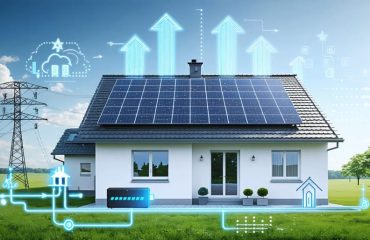
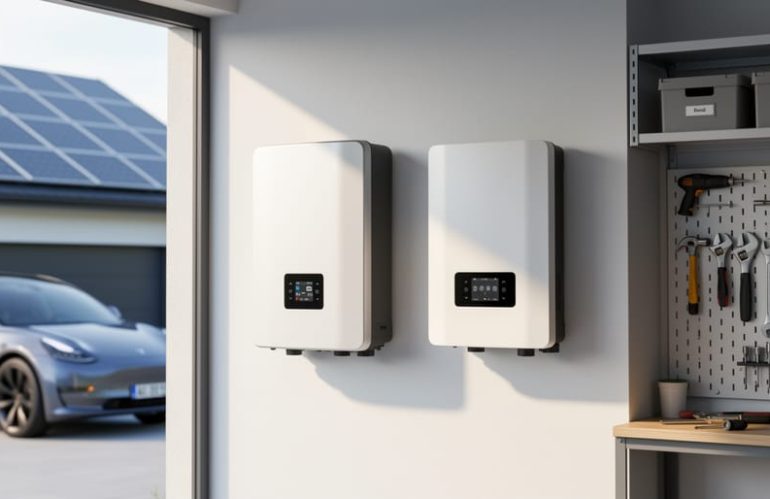
Your home battery system just got smarter. Zephyr IoT transforms ordinary energy storage into an intelligent network that learns your household patterns, optimizes when to charge and discharge, and helps you squeeze every dollar from your solar investment.
Think of it as the brain behind your battery. While traditional systems simply store excess solar power and release it when needed, Zephyr IoT analyzes real-time electricity rates, weather forecasts, and your family’s energy habits to make split-second decisions about the best times to draw from the grid, use stored power, or send energy back for credits. This isn’t autopilot—it’s active management that works around the clock without requiring you to lift a finger.
The difference shows up in tangible ways. Homeowners typically see 15-25% better efficiency from their existing battery systems once smart monitoring takes over. You’ll avoid expensive peak-hour electricity rates automatically, maximize solar self-consumption during the day, and maintain backup power reserves for outages without constantly checking your system’s status.
What makes Zephyr IoT particularly valuable is its simplicity. You don’t need to understand voltage curves or discharge cycles. The technology handles complex energy arbitrage decisions while you monitor everything through a straightforward app that shows exactly how much money you’re saving and where your power comes from at any given moment. For homeowners serious about maximizing their solar and storage investment, this intelligent layer transforms good equipment into a strategic financial asset.
What Zephyr IoT Actually Does (In Plain English)
The Problem It Solves
Without smart technology managing your home battery, you’re essentially leaving money on the table every single day. Most battery systems charge whenever solar panels produce energy, which sounds logical but isn’t always the smartest financial choice. On cloudy days or during peak demand periods, your battery might discharge at the wrong times, forcing you to buy expensive electricity from the grid when rates are highest.
The waste adds up quickly. Excess solar energy often flows back to the grid for minimal credit instead of powering your home during costly evening hours. Your battery charges during midday when electricity is cheap, then sits idle during peak pricing windows when stored energy would save you the most money. Meanwhile, opportunities to participate in utility programs that pay you for sharing stored energy simply pass by unnoticed.
This timing problem isn’t your fault—it’s just how traditional battery systems operate. They follow basic rules rather than adapting to real-time conditions, electricity rates, weather forecasts, and your household’s actual energy patterns. The result? Your investment in solar and storage delivers far less value than it could.
How the Smart Connection Works
Think of Zephyr IoT as a smart thermostat, but instead of managing just your heating and cooling, it orchestrates your entire home energy system. At its core, the technology uses small sensors and intelligent software that continuously monitor how much energy your solar panels produce, how much your battery stores, and what your household actually needs moment by moment.
These sensors communicate wirelessly, collecting real-time data and making automatic adjustments without you lifting a finger. When your solar panels generate excess power on a sunny afternoon, the system directs that energy to your battery. If storm clouds roll in and your panels slow down, it seamlessly switches to stored battery power before pulling from the grid.
The beauty of solar energy management systems like Zephyr IoT is their learning capability. Over time, they recognize your household patterns—when you typically use the most electricity, which appliances draw the most power, and how weather affects your solar production. This intelligence allows the system to optimize energy flow automatically, ensuring you use the cheapest, cleanest power available at any given moment while maximizing your savings and reducing grid dependence.
Real Benefits You’ll Notice in Your Daily Life
Your Battery Charges and Discharges at the Right Times
Think of Zephyr IoT as having a personal energy assistant that never sleeps. The system continuously monitors your local electricity rates, tracking when power is cheapest and most expensive throughout the day. It also keeps an eye on weather forecasts to predict when your solar panels will generate the most energy.
Here’s where it gets smart: Zephyr automatically charges your battery when electricity rates are lowest, typically during off-peak nighttime hours. Then, when rates spike during peak evening hours—when you’re cooking dinner or running the air conditioning—your home draws from the stored battery power instead of expensive grid electricity.
The system also learns from weather patterns. If sunny weather is forecasted, it might hold off on charging from the grid, knowing your solar panels will fill the battery for free the next day. During cloudy stretches, it adjusts the strategy to ensure you still have backup power when needed.
The best part? This all happens automatically in the background. You don’t need to check rate schedules, watch weather forecasts, or manually adjust settings. Zephyr handles the optimization work for you, maximizing your savings month after month without requiring any effort on your part.
Track Your Energy Production and Savings from Anywhere
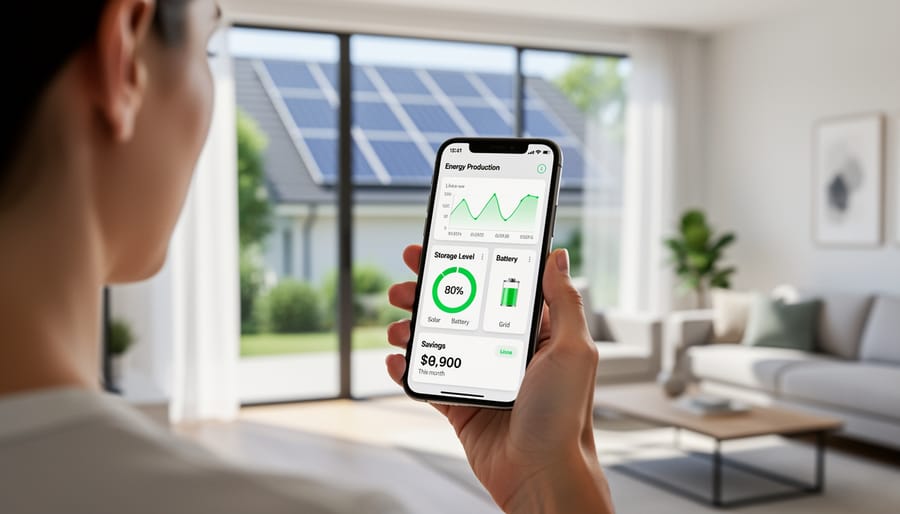
Gone are the days of wondering whether your solar battery system is working efficiently. With Zephyr IoT technology, you can check your energy production, consumption, and savings right from your smartphone—whether you’re at home, at work, or on vacation.
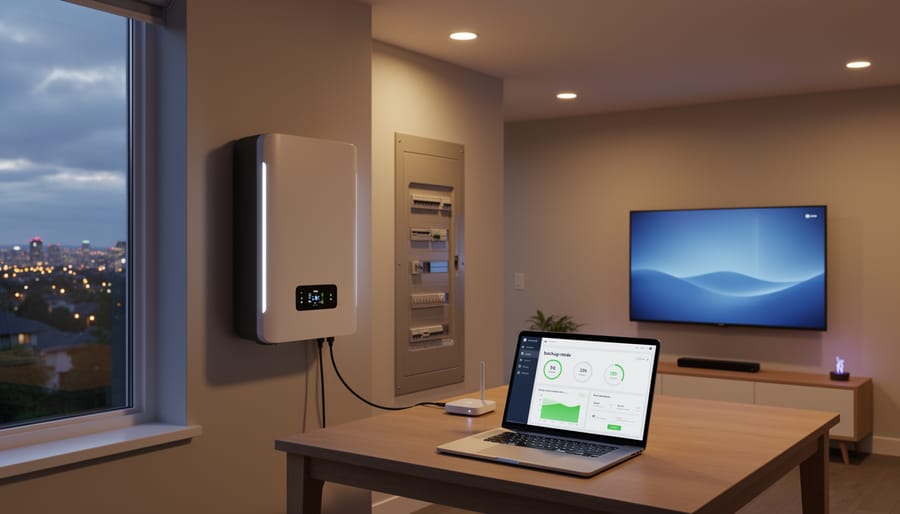
The user-friendly app displays everything through simple visuals and color-coded charts that anyone can understand, no engineering degree required. You’ll see real-time energy flow showing when your solar panels are generating power, when your battery is charging or discharging, and how much grid electricity you’re avoiding. Think of it as a fitness tracker, but for your home’s energy use.
The dashboard also alerts you to any system issues before they become expensive problems. If your battery isn’t charging as expected or a panel needs attention, you’ll receive a notification immediately. This kind of smart battery monitoring helps you maximize your investment and catch small issues early.
Many homeowners report checking their app daily, turning energy savings into a rewarding experience. Watching your savings grow in real-time makes the environmental and financial benefits tangible and motivating.
Less Worry During Power Outages
When the grid goes down, your smart energy system becomes your safety net—and it knows exactly how to make your backup power last. Instead of draining your battery on non-essential appliances, Zephyr IoT technology automatically identifies which devices matter most during an outage and keeps them running first.
Think of it as having a smart assistant that instantly springs into action when the lights go out. Your refrigerator, medical equipment, and critical lighting stay powered, while the system temporarily pauses energy-hungry appliances like your pool pump or electric dryer that can wait until power returns. This intelligent load management can extend your backup power duration by 40-60% compared to systems that simply power everything until the battery dies.
You don’t need to make these decisions in the dark or flip breakers manually. The system handles everything automatically based on priorities you’ve set during installation. Many homeowners report sleeping better knowing their batteries will last through extended outages, and they’re not gambling with whether they’ll have enough power for what truly matters. It’s practical peace of mind that pays for itself the first time severe weather hits your neighborhood.
Debunking Common Myths About Smart Energy Systems
Myth: It’s Too Complicated to Set Up and Use
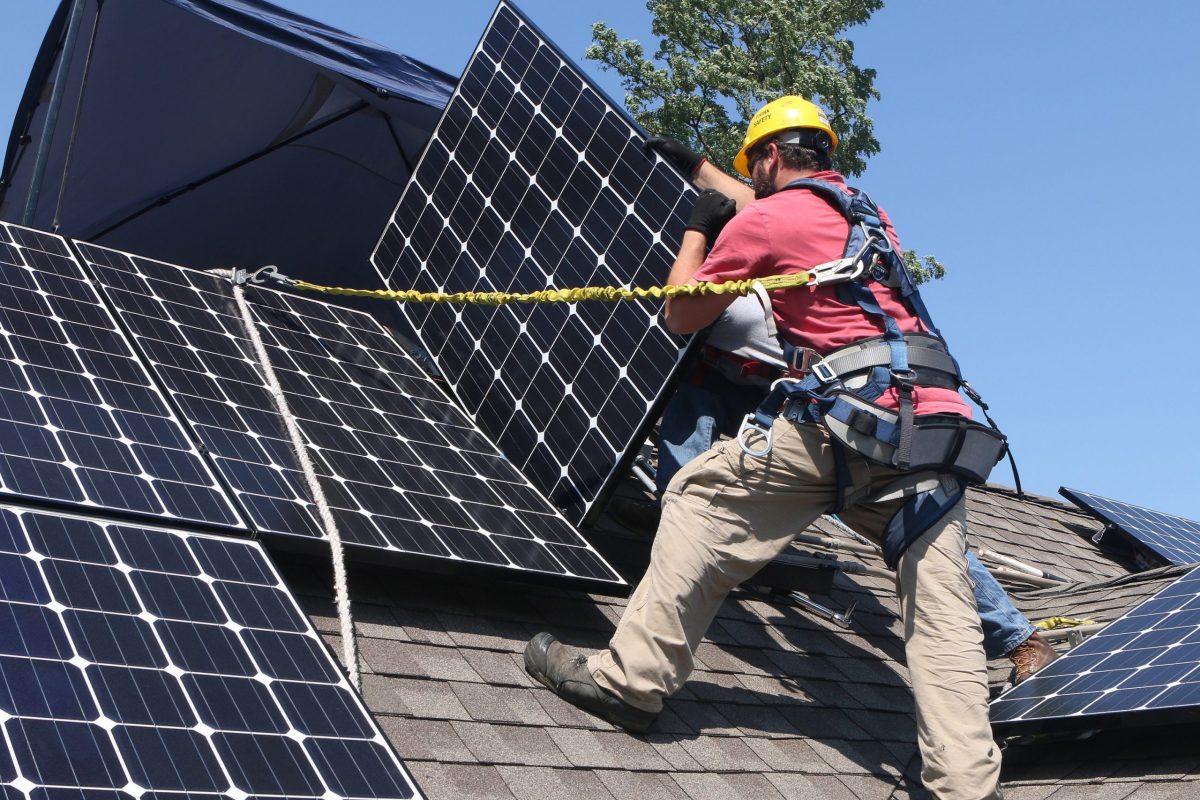
Here’s the truth: you won’t be wrestling with wires or programming complex systems. Professional installers handle all the technical setup, from connecting your battery system to configuring the smart monitoring features. They ensure everything works properly before they leave your home.
Once installed, Zephyr IoT systems are designed specifically for everyday homeowners, not IT experts. The app interface shows you simple, easy-to-understand information like how much energy you’re storing, using, and saving. Most homeowners compare it to checking their smartphone battery level—you see clear visuals and straightforward numbers without needing any technical background.
You can monitor your system, adjust settings, and receive helpful notifications right from your phone. If you ever need support, customer service teams are available to walk you through any questions in plain English. The technology works quietly in the background while you enjoy the benefits of lower energy bills and greater home efficiency.
Myth: Smart Systems Are Vulnerable to Hacking
It’s natural to worry about cybersecurity, but modern smart energy systems like Zephyr IoT are designed with robust protection built in from the ground up. These systems use bank-level encryption to safeguard your data, making unauthorized access extremely difficult. Think of it like the security protecting your online banking—multiple layers working together to keep you safe.
What really sets quality systems apart is their flexibility. Many offer local control options, meaning your system can operate independently without constant internet connectivity. This reduces exposure to online threats while still giving you the benefits of smart monitoring. You maintain control over how much connectivity you want.
The industry takes security for solar storage seriously, with regular updates and patches to address potential vulnerabilities. Reputable manufacturers continuously improve their systems, just like your smartphone receives security updates. The reality is that smart systems, when properly configured, offer more security features than traditional setups—including alerts for unusual activity and remote monitoring that helps you stay informed about your home’s energy use.
Myth: The Technology Will Be Obsolete Soon
One of the biggest concerns homeowners have is investing in technology that might become outdated quickly. The good news is that IoT systems like Zephyr are built with longevity in mind. These platforms receive regular software updates automatically, similar to how your smartphone stays current with new features and security improvements. This means your system actually gets better over time without requiring expensive hardware replacements.
Think of it as a computer that keeps improving rather than aging. The core hardware is designed to support future capabilities, while the software layer evolves to incorporate new energy-saving strategies, grid integration features, and user interface improvements. This forward-thinking approach protects your investment by ensuring your energy management system remains relevant and effective for years to come, adapting as your household needs change and as energy technology advances.
How Much Money Can You Actually Save?
The financial benefits of IoT-integrated battery systems depend on several key factors, and understanding them helps set realistic expectations for your investment.
Most homeowners save between 20% to 50% on their electricity bills after installing a smart battery system. The exact amount depends on your location, utility rates, current energy consumption, and whether you have solar panels. If your utility company charges time-of-use rates (where electricity costs more during peak hours), your savings potential increases significantly. The system charges during off-peak hours when electricity is cheapest and powers your home during expensive peak times.
Installation costs for IoT-enabled battery systems typically range from $8,000 to $15,000, including equipment and setup. While this might seem substantial upfront, most systems pay for themselves within 7 to 12 years through reduced electricity bills. Federal tax credits and state incentives can reduce this payback period by 20% to 30%, making the investment more attractive.
Your savings also depend on how well the system learns your household patterns. The more consistent your routine, the better the IoT technology can optimize energy usage. Families with predictable schedules often see faster returns than those with irregular patterns.
Geographic location matters too. Homeowners in areas with high electricity rates or frequent power outages see greater value from battery backup systems. California, Hawaii, and northeastern states typically offer the strongest savings potential due to their energy costs and rate structures.
To determine if a home battery system worth it for your situation, calculate your average monthly electricity bill and research your utility’s rate structure. Systems make the most financial sense when monthly bills exceed $150 or when your area offers strong solar incentives.
Is Zephyr IoT Integration Right for Your Home?
Zephyr IoT integration works best for homeowners who already have or are planning to install a solar battery system and want to maximize their return on investment. If you’re actively monitoring your energy usage, trying to reduce monthly bills, or participating in utility programs that reward grid support, this technology can deliver meaningful benefits.
You’ll get the most value if you experience time-of-use electricity rates, where power costs more during peak hours. The smart automation helps your battery charge when electricity is cheapest and discharge when rates are highest, putting money back in your pocket without requiring daily attention from you.
It’s also ideal for households wanting backup power optimization. Rather than draining your battery unnecessarily, the system learns your patterns and keeps reserves available for outages while still contributing to your savings goals.
However, if you’re still researching whether solar itself makes financial sense for your home, start there first. Zephyr IoT enhances battery performance, but the foundational economics of solar energy matter most. Similarly, if you live in an area with flat-rate electricity pricing and rarely experience power outages, the smart features may not deliver enough value to justify the added complexity right now.
The good news? Many battery systems can be upgraded later. You don’t need to commit immediately. Start with basic solar storage, track your usage patterns for several months, and add IoT integration when you’re ready to optimize further. This phased approach lets you invest strategically as your comfort with the technology grows.
Making the switch to smarter energy management isn’t just about keeping up with technology—it’s about taking control of your electricity costs and enjoying real peace of mind. When you pair solar panels with intelligent battery systems enhanced by IoT connectivity, you’re setting yourself up for meaningful monthly savings and greater energy independence. The best part? These systems work quietly in the background, handling the complex decisions so you don’t have to.
If you’re curious about whether this technology makes sense for your home, now is the perfect time to explore your options. Energy storage systems have become more affordable and accessible than ever, and the financial benefits continue to improve as electricity rates rise. Start by reaching out to a qualified solar professional who can assess your specific situation, explain the available incentives, and help you understand the realistic return on investment for your property. They’ll walk you through how smart energy management can fit seamlessly into your daily life while delivering the savings and reliability you’re looking for.