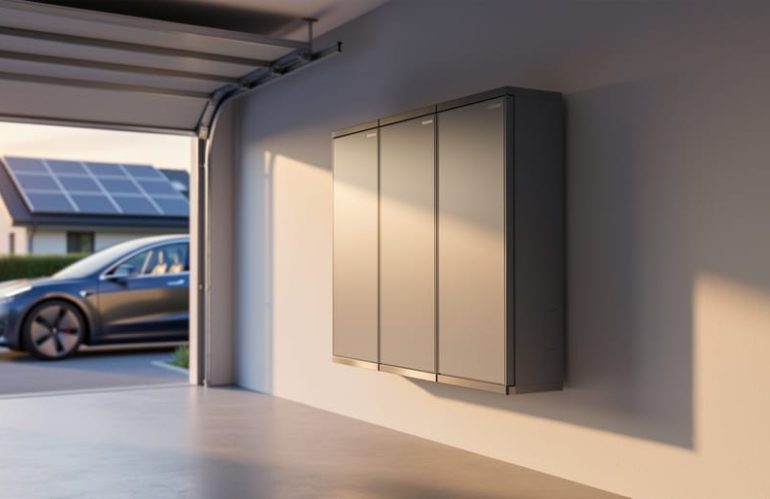
Your old electric vehicle battery isn’t trash—it’s your ticket to affordable home energy storage. When EV batteries drop below 70-80% of their original capacity, they’re retired from vehicles but still have decades of useful life left for storing solar energy in your home. This second-life battery technology can slash your energy storage costs by 30-50% compared to brand-new systems, making solar-plus-storage finally affordable for average homeowners.
Think of it this way: a battery that can no longer handle the demanding acceleration and range requirements of driving is still perfectly capable of the gentler work of storing your solar panels’ excess energy. Major automakers and energy companies are already repurposing thousands of these batteries, rigorously testing and certifying them to meet the same safety standards as new batteries. You get proven technology at a fraction of the price, while keeping functional batteries out of landfills.
The opportunity is real and available now, not years away. Companies are installing second-life battery systems in homes across the country, backed by warranties and performance guarantees. If you’ve hesitated on adding battery storage because of the cost, or if you’re environmentally conscious about buying new when perfectly good alternatives exist, second-life batteries deserve your serious consideration. They represent the rare intersection where saving money and saving the planet align perfectly.
What Happens When an EV Battery ‘Retires’
When an electric vehicle battery reaches the end of its automotive life, it typically still has 70-80% of its original capacity remaining. You might wonder why carmakers retire batteries with so much life left. The answer is simple: driving requires instant, powerful bursts of energy and consistent long-range performance. As batteries age, they can’t deliver the quick acceleration or 300-mile range that drivers expect from their EVs.
However, this “retirement” doesn’t mean the battery is worn out. Think of it like a smartphone battery that no longer lasts all day but still works perfectly fine for lighter use. That 70-80% capacity represents years of reliable energy storage for less demanding applications.
This is where home energy storage shines. Unlike vehicles that need rapid power delivery and daily long-distance capability, home batteries work at a gentler pace. They charge slowly from your solar panels during the day and discharge gradually to power your home at night or during outages. These relaxed performance requirements mean a retired EV battery can serve your home efficiently for another decade or more.
The practical difference is significant: while an EV battery at 75% capacity might only provide 225 miles instead of 300, that same battery powering your home still delivers three-quarters of its original storage. For most households, that’s plenty of energy to cover evening usage or provide backup power during emergencies.
This performance gap between automotive needs and home storage requirements creates a perfect opportunity. Batteries considered inadequate for driving remain excellent for stationary storage, offering homeowners substantial value while keeping functional batteries out of landfills. It’s a win-win that transforms automotive “retirement” into a second career providing reliable home energy.
Why Second-Life Batteries Make Perfect Sense for Solar Storage
The Cost Advantage That Changes Everything
Here’s the best part: second-life batteries typically cost 30-50% less than brand-new lithium batteries for solar energy storage. While a new 10 kWh battery system might run you $7,000-$10,000, a comparable second-life system could cost just $3,500-$6,000.
Let’s put that in real terms. The average homeowner spending $150 monthly on electricity could save around $1,200 annually by storing solar power in batteries instead of buying from the grid. With a second-life battery, you’d recoup your investment in roughly 3-5 years, compared to 6-8 years for new batteries. That’s several extra years of pure savings in your pocket.
These cost advantages exist because the batteries have already paid for themselves once in their first life powering electric vehicles. Refurbishing them for home use requires minimal processing, and that savings gets passed directly to you. You’re essentially getting premium battery technology at a fraction of the original price, without sacrificing the performance you need for reliable home backup power.
Environmental Benefits Beyond Solar
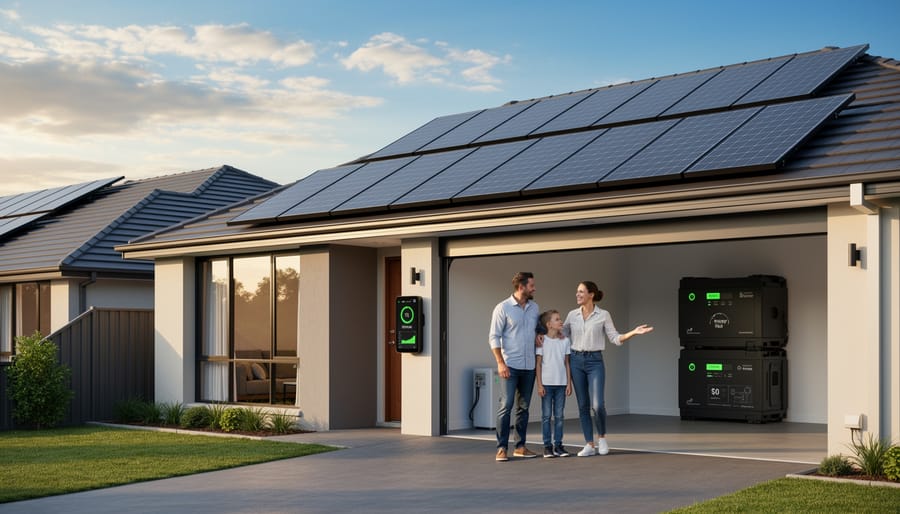
Using second-life batteries creates a circular economy where valuable materials get a second chance instead of heading straight to recycling. When electric vehicle batteries drop below 70-80% of their original capacity, they’re no longer ideal for cars but remain perfectly capable of storing solar energy for your home. This extended service life means fewer batteries need to be manufactured from scratch, which significantly reduces the environmental impact of mining raw materials like lithium, cobalt, and nickel.
By choosing second-life batteries, you’re helping decrease the demand for new mining operations and the carbon emissions associated with battery production. The environmental math is compelling: one repurposed battery can serve your home for another 10-15 years before eventually entering the battery recycling process. This extended lifespan means the initial environmental cost of creating that battery gets spread across many more years of useful service.
Think of it as the ultimate form of recycling—not breaking something down and rebuilding it, but simply finding a new purpose where it continues to perform beautifully. You get reliable energy storage while making a meaningful contribution to resource conservation.
Real Innovations Making Second-Life Batteries Safer and Smarter
Advanced Testing Ensures You Get Quality Power
Before second-life batteries reach your home, they undergo rigorous testing that would make any new battery jealous. Modern assessment technology can measure the precise health of each battery cell, checking everything from storage capacity to charging speed. Think of it like a comprehensive medical checkup, but for batteries.
Testing facilities use specialized equipment to run hundreds of charge and discharge cycles, simulating years of real-world use in just days. This process identifies exactly how much energy capacity remains—typically 70-80% of the original—and ensures the battery can still perform reliably for another decade or more in your home.
Reputable suppliers provide detailed certification that grades each battery’s condition, similar to how used cars receive inspection reports. You’ll know precisely what you’re getting before making a purchase. Many second-life batteries also come with warranties ranging from 5-10 years, proving manufacturers stand behind their quality.
This thorough vetting process means you’re not taking a gamble. You’re getting a battery with documented performance history and verified remaining lifespan—often at half the cost of new alternatives. The testing technology has advanced so dramatically that second-life batteries are now considered just as dependable as new ones for home energy storage.
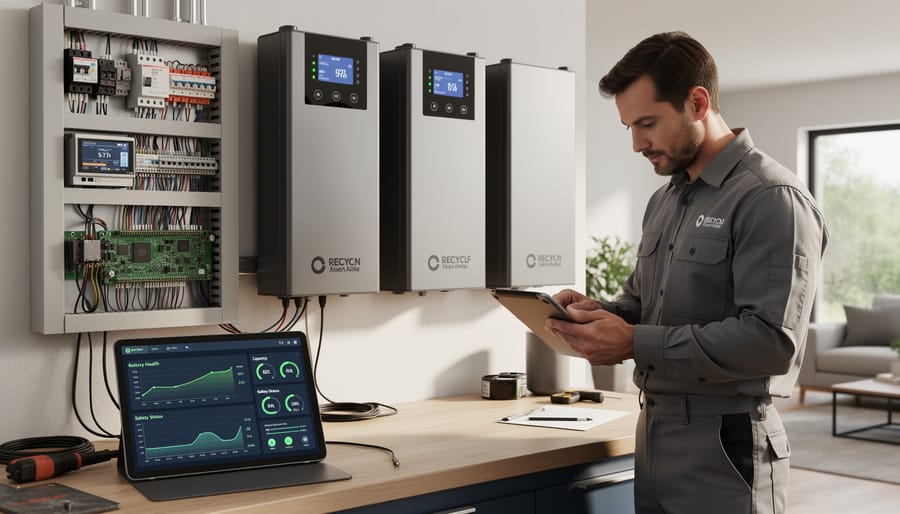
Smart Management Systems That Protect Your Investment
Think of the technology protecting your second-life battery like a personal health monitor for your phone’s battery, but much smarter. Modern battery management systems constantly check each battery cell’s temperature, charge level, and performance—thousands of times per day. These systems automatically prevent overcharging, balance energy distribution, and shut things down if anything looks unusual.
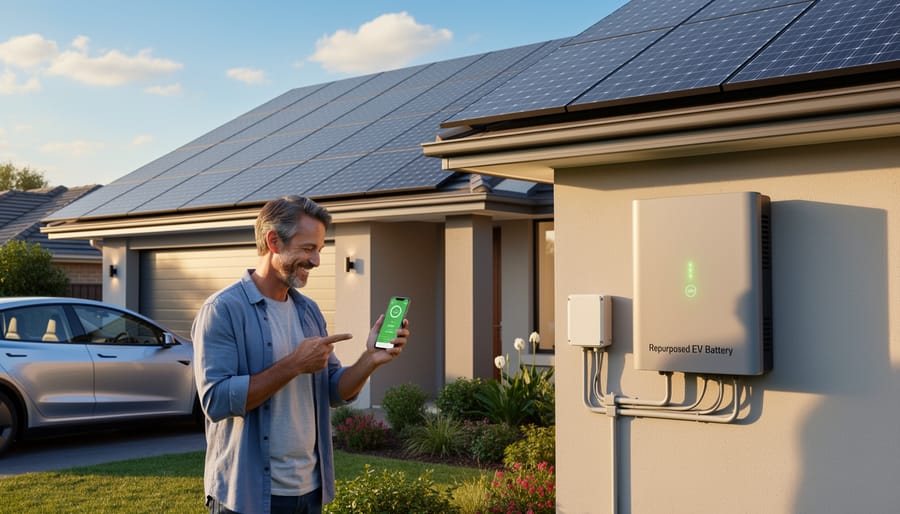
What does this mean for you? Extended battery life and peace of mind. The monitoring technology learns your battery’s unique characteristics and adjusts operations to keep everything running optimally. Many systems connect to smartphone apps, letting you track your energy storage, see performance trends, and receive alerts if maintenance is needed.
The beauty of second-life batteries is that they come with even more protective layers than new batteries. Since they’ve already been through one lifecycle, installers add extra safeguards and monitoring specifically designed for home use. You’re getting proven EV technology adapted for stationary storage, where conditions are actually easier on the battery than constant driving. This smart technology works invisibly in the background, protecting your investment while maximizing how long your battery serves your home.
Seamless Integration with Your Solar Setup
Good news: second-life batteries work with most existing solar setups without requiring a complete system overhaul. These repurposed batteries are designed to integrate with standard solar inverters and charge controllers, making the transition straightforward for homeowners already generating solar power.
Most second-life battery systems use the same connection standards as new batteries, meaning your installer can typically add them to your current configuration. Whether you have a string inverter or microinverters, compatible storage solutions exist. The installation process mirrors that of traditional battery systems—your certified installer will connect the battery to your inverter, configure the settings, and ensure everything communicates properly.
If you’re planning a new solar installation, second-life batteries offer even more flexibility since you can design the entire system around your storage capacity from the start. Many reputable suppliers provide technical support and compatibility checks before purchase, giving you confidence that your chosen battery will work seamlessly with your specific setup. This compatibility means you can enjoy the cost savings of second-life technology without sacrificing convenience or performance.
What to Expect: Performance and Lifespan
Second-life batteries typically arrive in your home with 70-80% of their original capacity remaining. What does this mean for your daily life? If the battery started with 60 kWh when new in an electric vehicle, you’ll have roughly 42-48 kWh available for your home energy needs. For context, the average American home uses about 30 kWh per day, so a repurposed EV battery can comfortably handle overnight energy storage or keep essential systems running during outages.
These batteries are designed to last another 5-10 years in home applications, sometimes longer with proper care. The key difference from their automotive life is that home energy storage is far less demanding. In vehicles, batteries endure rapid charging, extreme temperatures, and constant power fluctuations. Your home environment is gentler, with slower charge and discharge cycles and more stable conditions. This gentler treatment actually helps second-life batteries maintain their performance longer than you might expect.
Compared to brand-new batteries, you’ll notice minimal practical difference for typical household needs. Both will charge from your solar panels during the day and power your home at night. The slightly reduced capacity simply means a second-life battery stores a bit less total energy, but for most households, this doesn’t impact daily functionality. Think of it like buying a gently used appliance that works perfectly well, just with a slightly smaller capacity.
Performance degradation continues gradually over time, but it’s slow and predictable. You might lose 2-3% capacity per year, which rarely affects normal use. Most manufacturers provide monitoring systems that track your battery’s health, so you’ll always know how it’s performing. The bottom line: second-life batteries deliver reliable, consistent power for everyday needs while costing significantly less than new alternatives. For most homeowners, the performance trade-off is barely noticeable, while the savings are substantial.
Busting Common Myths About Used Batteries
Let’s clear up some common misconceptions that might be holding you back from considering second-life batteries for your home.
One of the biggest myths is that used batteries are unsafe. The truth? These batteries go through rigorous testing and certification processes before they’re approved for home use. When an EV battery drops to 70-80% of its original capacity, it’s retired from vehicle service not because it’s dangerous, but because cars need maximum range. For home energy storage, where space isn’t as limited, this reduced capacity works perfectly well. Each battery undergoes comprehensive safety inspections, and any cells showing signs of degradation or damage are replaced or the entire pack is rejected.
Another common concern is that second-life batteries won’t perform well enough. Here’s the reality: your home doesn’t demand nearly as much from a battery as an electric vehicle does. EVs require rapid charging and discharging in all weather conditions, while home storage operates in a controlled environment with gentler cycles. A battery at 75% capacity that’s no longer suitable for a car can still store plenty of energy to power your home through the evening or during an outage.
Many homeowners worry about warranties being inferior to new batteries. While warranty terms vary by provider, reputable second-life battery companies typically offer warranties ranging from 5 to 10 years. Yes, this may be shorter than some new battery warranties, but it reflects the realistic lifespan remaining in the battery and is backed by thorough testing data. The significant cost savings often make this trade-off worthwhile.
The myth that second-life batteries are an experimental technology also needs addressing. This isn’t new or untested. Major energy companies and institutions have been successfully using repurposed EV batteries for grid storage for years. The technology is proven, and as more EVs reach retirement age, the supply chain and refurbishment processes are becoming increasingly standardized and reliable.
Finally, some believe that buying used means sacrificing quality. Think of it this way: you’re getting a premium battery that was built to automotive standards, professionally refurbished, and sold at a fraction of the original price. That’s not a compromise; that’s smart economics combined with environmental responsibility.
Is a Second-Life Battery Right for Your Home?
Second-life batteries aren’t the perfect fit for every household, but they offer compelling advantages for many homeowners. Understanding whether this option suits your situation comes down to a few key factors.
These repurposed batteries work exceptionally well for homes with existing or planned solar installations. If you’re already generating your own electricity, adding home solar battery storage helps you maximize that investment by storing excess energy for nighttime use or power outages. Second-life batteries shine brightest in this scenario, offering the same functionality as new batteries at a significantly lower cost.
Your home’s energy consumption matters too. Smaller to medium-sized homes with moderate energy needs often find second-life batteries perfectly adequate. These units typically provide enough capacity to power essential appliances and lights during outages or evening hours. Larger homes with high energy demands might need multiple units or a hybrid approach combining second-life and new batteries.
Consider your backup power priorities. If you need whole-home backup during extended outages, discuss your specific requirements with installers. For most households wanting to cover essentials like refrigeration, lighting, and internet during blackouts, second-life batteries deliver reliable performance.
Before committing, ask installers these crucial questions: What warranty coverage comes with the battery? How many charge cycles has this specific unit completed? What capacity retention can I expect? Can the system expand if my energy needs grow? How does installation cost compare to new batteries?
Financial considerations also play a role. The upfront savings make second-life batteries attractive for budget-conscious homeowners who want energy independence without premium pricing. If environmental impact matters to you, choosing repurposed batteries doubles your positive contribution by supporting both renewable energy and circular economy principles.
Second-life batteries represent a compelling intersection of smart financial planning and environmental responsibility. The numbers speak for themselves: you can save 30-50% compared to purchasing new battery storage while giving perfectly functional batteries a second purpose instead of sending them to recycling facilities prematurely. This isn’t experimental technology anymore. Major energy companies and forward-thinking homeowners are already using repurposed EV batteries successfully, with established safety standards and warranties providing peace of mind.
The environmental benefits extend far beyond your own home. By choosing second-life batteries, you’re actively participating in the circular economy, reducing mining demands for new materials, and maximizing the value of batteries that have already been manufactured. Every second-life battery installed represents thousands of pounds of CO2 emissions avoided and precious materials preserved for future use.
If you’re considering solar storage, now is an excellent time to explore second-life options. Start by contacting certified installers in your area who work with repurposed batteries, ask about warranties and performance guarantees, and compare total system costs against conventional storage. Many homeowners are pleasantly surprised to discover that sustainable choices can also be the most economical.
The future of energy storage is evolving rapidly, and second-life batteries are positioned to play a central role in making home energy independence accessible and affordable for more families. By embracing this proven technology today, you’re not just investing in your home—you’re investing in a more sustainable energy future for everyone.