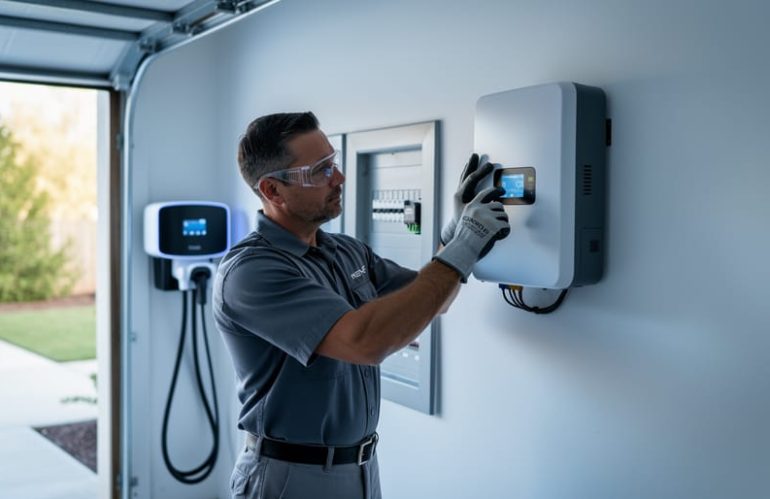
Your home battery system is only as safe and efficient as the person who installs it. When energy storage systems are improperly installed, you risk everything from reduced performance and voided warranties to electrical fires and system failures that can cost thousands to repair. The difference between a certified, well-trained installer and an unqualified one often determines whether your investment delivers decades of reliable savings or becomes an expensive liability.
Energy efficiency training ensures installers understand the latest safety protocols, optimal system configurations, and troubleshooting techniques that protect your home and maximize your return on investment. Certified professionals can correctly size your system to match your household needs, integrate components safely with your existing electrical infrastructure, and identify potential hazards before they become problems. This training directly translates to fewer callbacks, longer equipment life, and better overall performance of your solar and battery setup.
Understanding what qualifications your installer should possess empowers you to make informed decisions that protect your family and financial investment. The right training credentials signal an installer’s commitment to quality workmanship and ongoing education in rapidly evolving energy storage technology, giving you confidence that your system will operate safely and efficiently for years to come.
What Energy Storage Safety Training Actually Means for Homeowners
The Core Components of Professional Training
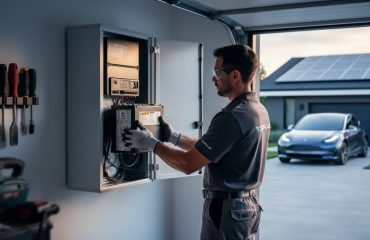
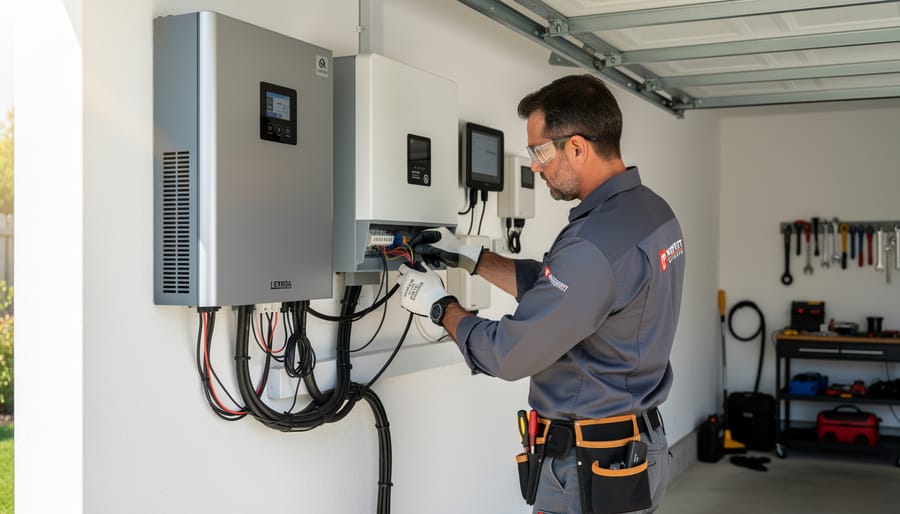
Professional training for energy storage installers covers four essential areas that directly impact your home’s safety and savings. First, installers master proper battery installation techniques, learning exactly how to position and connect your system to prevent future problems. They also study thermal management—essentially, how to keep your batteries at the ideal temperature so they last longer and perform better, which means more value for your investment.
Electrical safety forms a critical part of the curriculum, teaching installers to protect your home’s wiring and prevent hazards like overheating or electrical fires. This training isn’t just about following codes; it’s about understanding why certain practices keep your family safe. Finally, technicians learn system optimization strategies that help your battery storage work seamlessly with your solar panels and home energy needs. This means you’ll actually use the energy you’re storing efficiently, maximizing your monthly savings. When your installer has completed comprehensive training in these areas, you’re not just getting someone who can install equipment—you’re getting someone who can ensure your system runs safely and saves you money for years to come.
How This Training Translates to Your Home
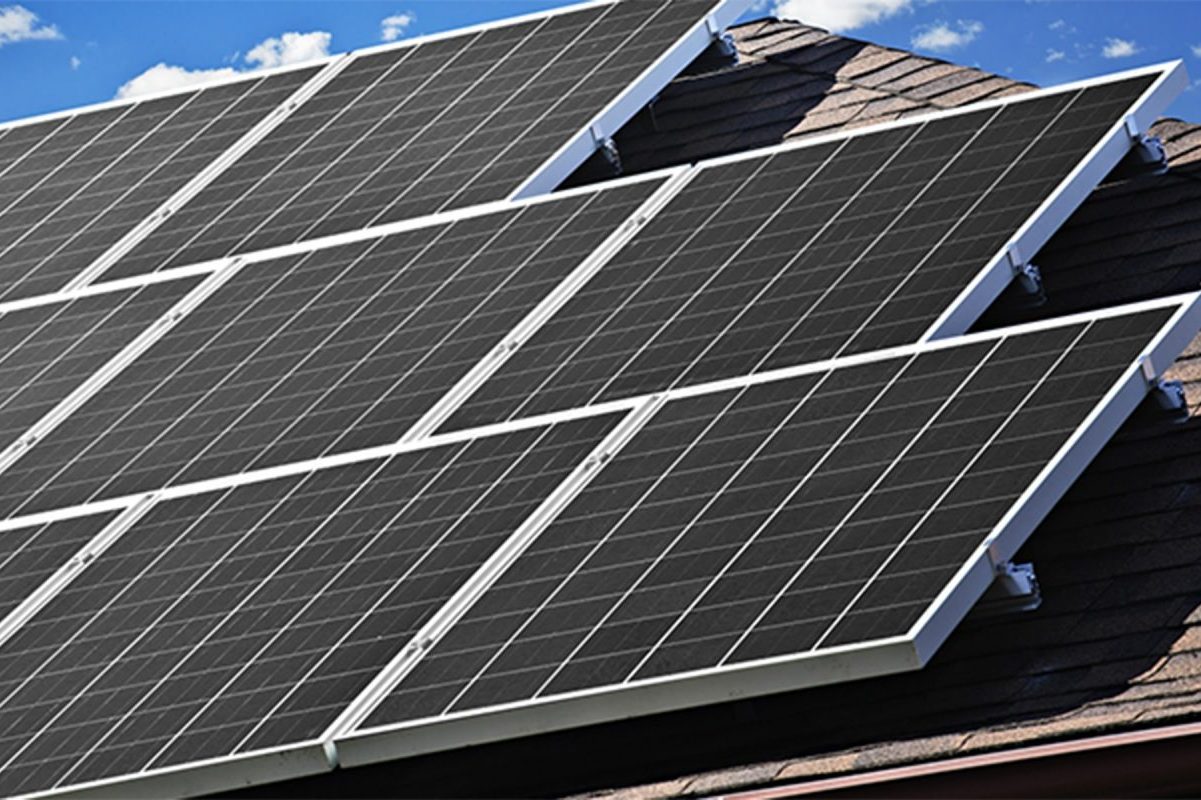
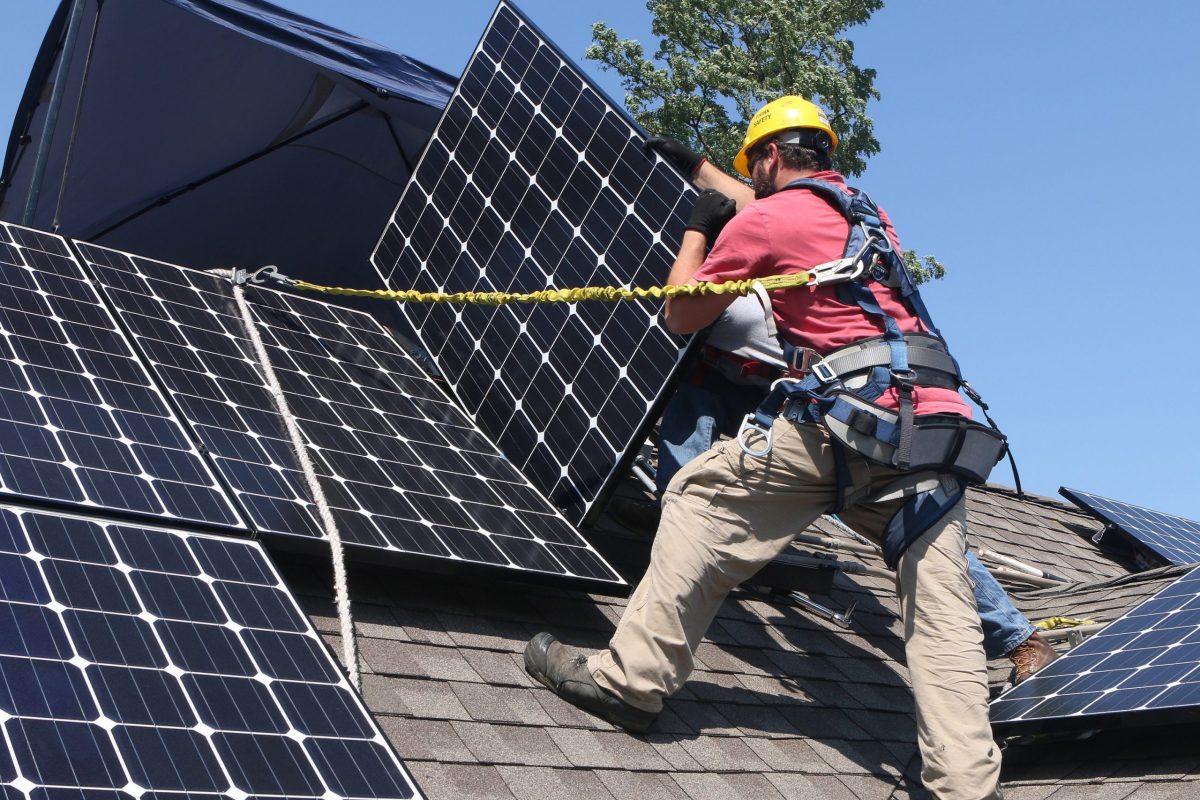
When technicians receive proper energy efficiency training, you get better results from day one. A well-trained installer knows exactly how to size your system correctly, preventing costly oversizing or undersizing mistakes that could leave you paying more than necessary. They understand solar panel safety protocols that protect your family and property from electrical hazards or fire risks.
This expertise translates to your battery storage system lasting its full expected lifespan—often 10 to 15 years—rather than failing prematurely due to improper installation. You’ll also enjoy optimal performance, meaning you actually get the energy savings you were promised. Plus, trained professionals can spot potential issues early during installation, saving you from expensive repairs down the road. Think of it this way: their training is your insurance policy for a safe, efficient system that delivers real savings.
The Real Risks of Untrained Installation
Common Installation Mistakes That Training Prevents
When battery storage systems are installed by untrained professionals, several costly mistakes commonly occur. Improper ventilation tops the list—batteries need adequate airflow to prevent overheating, but installers without proper training often position units in enclosed spaces without sufficient clearance. This reduces your system’s lifespan and creates safety hazards.
Incorrect wiring represents another frequent error that trained professionals easily avoid. Poorly connected systems can lead to inefficient charging cycles that waste your investment and increase fire risks. You deserve an installation that maximizes your savings, not one that quietly drains them through preventable energy losses.
Fire safety oversights are particularly concerning. Untrained installers may skip critical safety disconnects or install batteries too close to combustible materials. Properly trained technicians understand local fire codes and manufacturer specifications, ensuring your family’s protection while safeguarding your investment.
The good news? These mistakes are entirely preventable when you work with certified installers who’ve completed comprehensive energy efficiency training. Their expertise translates directly into safer homes, better system performance, and the peace of mind that your investment will deliver the promised returns for years to come.
The Financial Impact of Poor Installation
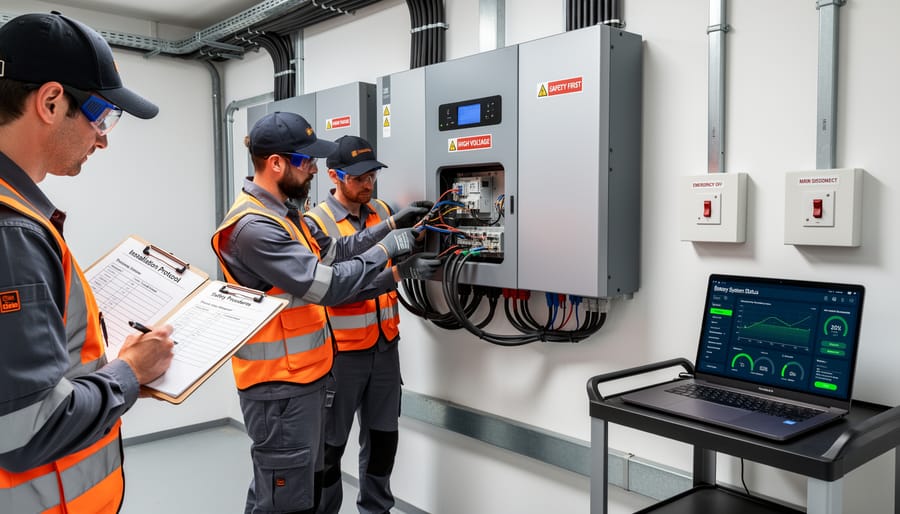
Choosing an installer without proper energy efficiency training might seem like a way to save money upfront, but it often leads to expensive problems down the road. When battery storage systems aren’t installed correctly, they can lose up to 30% of their expected lifespan. This means you’ll need to replace costly batteries years earlier than planned, wiping out any initial savings you thought you were getting.
Improper installation also puts your warranty at risk. Most manufacturers require certified installers to maintain warranty coverage. If an untrained installer makes mistakes during setup, you could void your warranty entirely, leaving you responsible for repairs that might cost thousands of dollars. Even minor errors in wiring or system configuration can trigger warranty exclusions.
Beyond warranty concerns, poorly installed systems frequently require corrective work. Common issues include inefficient charging cycles that waste electricity, connection problems that reduce system performance, and safety hazards that demand immediate professional fixes. These repair costs add up quickly, often exceeding what you would have paid for a qualified installer from the start. When you invest in professional installation, you’re actually protecting your long-term financial interests while ensuring your system delivers the energy savings you’re counting on.
How Trained Professionals Maximize Your Energy Storage Benefits
Optimized System Performance
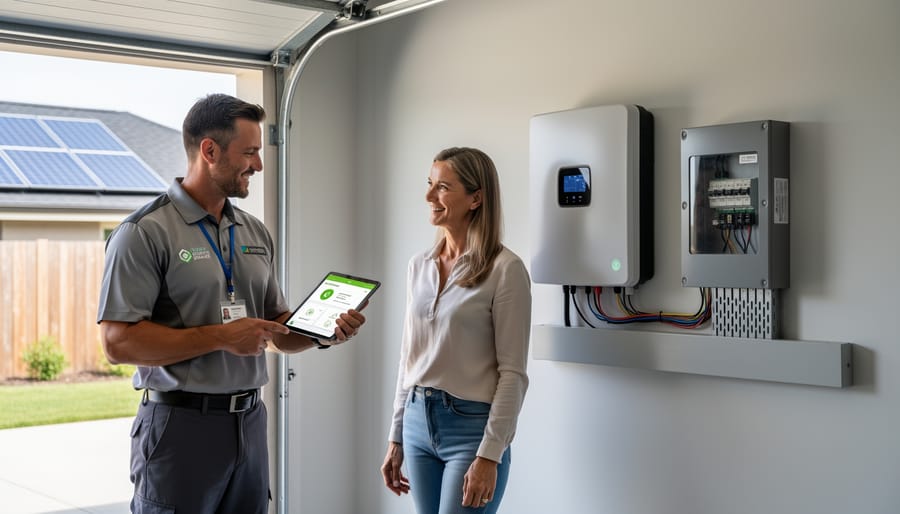
When your installer receives comprehensive training, your home energy system operates at peak performance from day one. Well-trained technicians understand how to properly size and configure your battery storage to match your household’s actual energy needs, which means you’ll save more money on every utility bill. They know the optimal placement for components, ensuring your system generates and stores the maximum amount of power possible.
Proper training also means installers can fine-tune smart storage solutions to work seamlessly with your existing electrical setup. This prevents energy waste and ensures your backup power kicks in exactly when you need it during outages. A correctly calibrated system can increase your energy savings by 15-30% compared to poorly installed alternatives.
Think of it like having a mechanic who really knows your car’s engine versus someone just guessing. Trained professionals can spot potential efficiency issues before they become problems, program your system for maximum performance, and ensure every component works together harmoniously. The result? Lower energy bills, reliable backup power during emergencies, and a system that pays for itself faster through optimized energy production and storage.
Long-Term Safety and Peace of Mind
Properly trained installers don’t just set up your system and leave. They equip you with essential knowledge about fire safety protocols, warning signs to watch for, and when to call for help. You’ll learn how your monitoring system works, what alerts mean, and how to respond appropriately. This education ensures you can confidently manage your energy storage system for years to come.
Training also means your installer understands the latest safety standards and building codes, protecting your home from potential hazards. They’ll show you simple visual checks you can perform and explain what regular battery maintenance looks like. This knowledge transforms you from a passive system owner into an informed participant in your home’s energy future, reducing worry and maximizing your investment’s lifespan.
Protected Warranties and Insurance Coverage
When you choose certified installers for your solar panels or battery storage system, you’re protecting your investment in multiple ways. Most manufacturer warranties require professional installation by trained technicians—if an uncertified installer handles your system, you could void warranties worth thousands of dollars. This means any equipment failures or performance issues might come out of your pocket instead of being covered.
Homeowner’s insurance policies often have similar requirements. Insurance companies want assurance that your energy system was installed safely and correctly. Working with properly trained professionals helps ensure your coverage remains valid if you ever need to file a claim related to your solar or storage equipment.
Beyond paperwork, certified installers understand the specific installation requirements that keep warranties intact—from proper electrical connections to correct mounting procedures. They document their work properly, providing you with the proof insurers and manufacturers need. By investing in maximizing your solar investment through qualified installation, you’re ensuring full protection for your sustainable energy system for years to come.
Questions to Ask Your Solar and Storage Installer
Certification and Training Credentials
When choosing an installer for your home energy system, look for professionals with recognized certifications that demonstrate proper training. The North American Board of Certified Energy Practitioners (NABCEP) certification is the gold standard in the solar industry, showing your installer has passed rigorous testing on safety protocols and installation best practices. This matters because certified professionals are less likely to make costly mistakes that could void warranties or create safety hazards.
For battery storage systems specifically, seek installers with manufacturer-specific certifications from brands like Tesla, LG, or Enphase. These training programs ensure technicians understand the unique safety requirements of lithium-ion batteries in your home. Additionally, electrical contractor licenses and OSHA safety training demonstrate commitment to workplace safety standards that protect both workers and your property. These credentials translate directly into peace of mind and a system that performs reliably for decades, protecting your investment while maximizing your energy savings.
Safety Protocols and Quality Standards
When choosing an installer for your solar or battery storage system, asking about their safety training can protect both your family and your investment. Well-trained technicians follow established protocols that prevent electrical hazards, fire risks, and system malfunctions that could cost thousands to repair.
Quality training programs teach installers to properly handle lithium-ion batteries, which require specific safety knowledge. Your installer should understand ventilation requirements, thermal management, and emergency shutdown procedures. These aren’t just technical details—they directly affect how safely your system operates in your home.
Ask potential installers about their certifications and ongoing education. Reputable professionals complete courses from organizations like the North American Board of Certified Energy Practitioners and participate in manufacturer-specific training. This ensures they’re current on the latest equipment and safety standards.
During installation, trained technicians follow inspection checklists and quality control measures. They’ll test connections, verify proper grounding, and ensure your system meets local building codes. This attention to detail means your system will perform reliably for decades, maximizing your energy savings without safety concerns.
Don’t hesitate to request proof of training credentials. Professional installers are proud to share their qualifications and will gladly explain how their expertise benefits your specific project.
Choosing a properly trained professional for your energy storage installation isn’t just a smart decision—it’s an investment in your home’s safety, your financial future, and your peace of mind. When you work with certified installers who’ve completed comprehensive energy efficiency training, you’re not just getting someone who knows how to connect wires. You’re partnering with experts who understand how to maximize your system’s performance, protect your family, and ensure you get every dollar of value from your investment.
Think of it this way: your energy storage system will likely serve your home for 10 to 15 years or more. That’s over a decade of potential savings, reliable backup power, and reduced environmental impact. By asking the right questions about training credentials and staying informed about what quality installation looks like, you’re taking control of this important decision. You’re empowered to spot red flags, recognize excellence, and make choices that align with your goals for sustainable living and lower energy bills. The difference between a well-trained installer and an inexperienced one could mean thousands of dollars and countless headaches down the road—making this one area where doing your homework truly pays off.