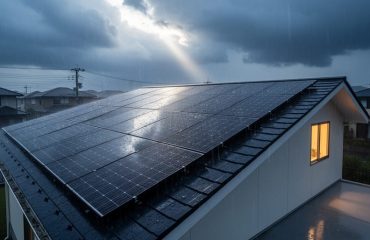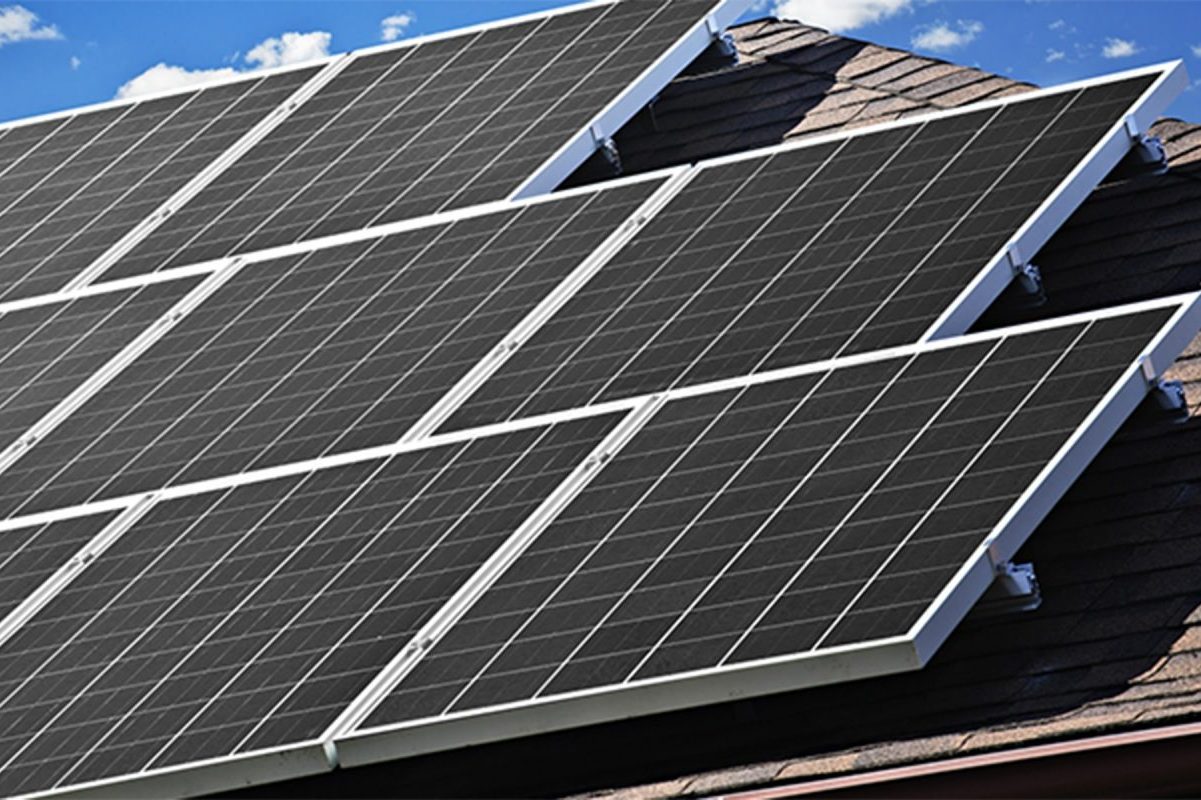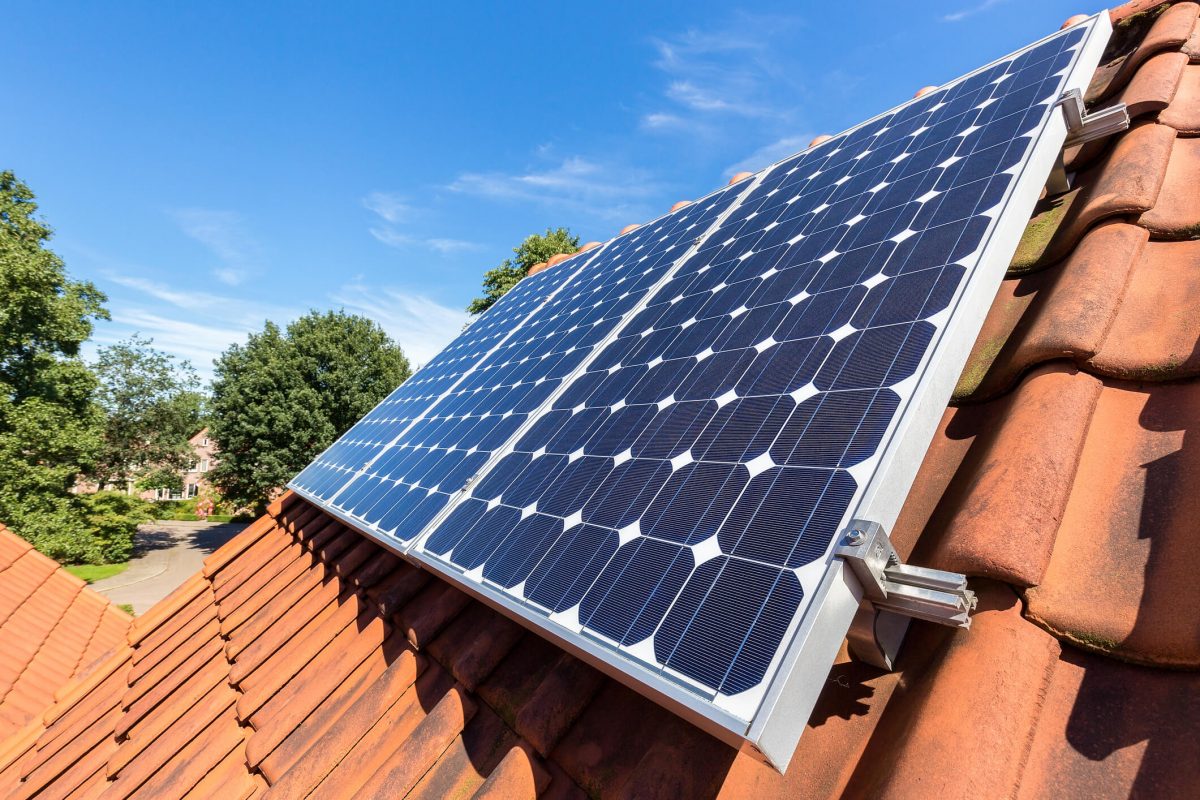

Battery energy storage systems capture and store electricity from your solar panels or the grid, then release it when you need it most—during power outages, peak-rate hours, or after sunset. Think of it as a large rechargeable battery for your entire home, similar to your phone’s battery but scaled up to power refrigerators, lights, and heating systems.
These systems work through three simple steps: charging when electricity is abundant and cheap, storing that energy in lithium-ion or other battery cells, and discharging power back to your home when rates spike or the sun goes down. This process happens automatically, requiring minimal input from you once installed.
Understanding your system’s basics helps you maximize savings and lifespan. Most residential units store between 10-15 kilowatt-hours of energy, enough to power essential appliances for several hours or stretch across an entire evening of normal use. The battery management system inside constantly monitors temperature, charge levels, and performance to protect your investment.
Regular maintenance is simpler than most homeowners expect. Unlike gas generators, these systems have no moving parts to wear out, no oil to change, and no fuel to store. Simple quarterly visual inspections and annual professional checkups keep your system running efficiently for 10-15 years, protecting both your financial investment and your family’s energy independence.
What Makes Your Battery Storage System Tick
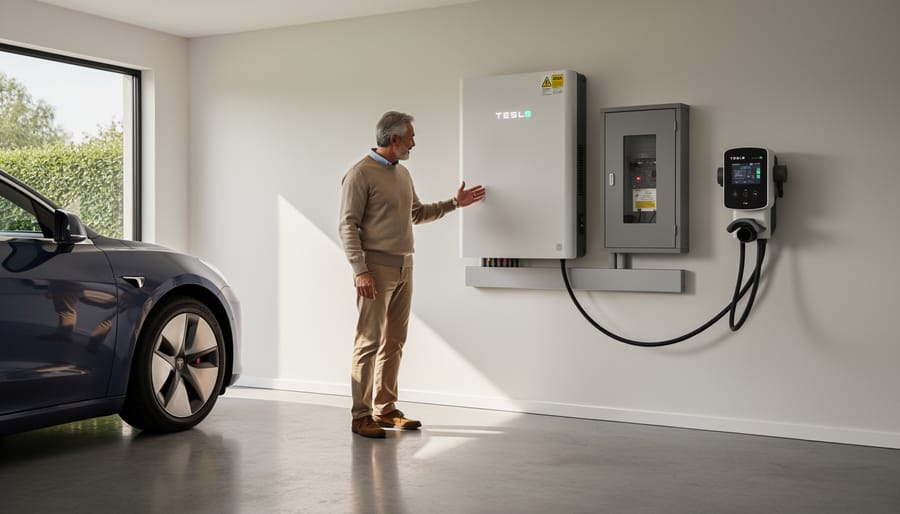
The Three Core Components You Should Know
Understanding your battery energy storage system doesn’t require an engineering degree. Think of it like getting to know the parts of your car – once you understand the basics, everything makes more sense.
The battery cells are the heart of your system, storing energy just like a rechargeable phone battery, but much larger. These cells work together in packs, similar to how individual eggs sit in a carton. When electricity flows in, they charge up. When you need power, they release it. Most home systems use lithium-ion cells, the same reliable technology in your laptop, just scaled up for your whole house.
The battery management system acts as your system’s brain and guardian. Imagine having a smart assistant that constantly monitors temperature, charging levels, and performance to keep everything running smoothly and safely. It prevents overcharging, manages how quickly energy flows, and ensures each cell works in harmony with the others. This component is why modern battery systems are so much safer and more reliable than you might think.
The inverter serves as the translator between your battery and home. Your battery stores energy as direct current, but your home runs on alternating current. The inverter seamlessly converts power back and forth, making sure your stored solar energy or off-peak electricity works perfectly with your appliances. It happens instantly and automatically, without you lifting a finger.
How These Parts Work Together
Think of your battery storage system as a well-choreographed team where each player has a specific role. The batteries store energy like a piggy bank saves coins. The inverter acts as a translator, converting stored power into the type your home appliances use. The management system serves as the brain, constantly monitoring everything to ensure safe, efficient operation.
When solar panels produce excess energy during sunny days, this teamwork really shines. The stored energy flows to your home when the sun sets or during power outages, keeping your lights on and bills down. Here’s the important part: every component depends on the others working properly. A dusty connection point or outdated software can disrupt the entire system, reducing your savings and potentially shortening your investment’s lifespan. That’s why regular attention to each part protects both your wallet and your energy independence.
Why Maintenance Actually Saves You Money
The Real Cost of Skipping Maintenance
Neglecting your battery storage system can turn your smart investment into an expensive headache. Real-world cases show that unmaintained systems often lose 20-30% of their capacity within just five years, compared to the typical 10-15% loss with proper care. That’s like watching thousands of dollars in stored energy simply disappear.
Consider what happens when connections corrode from lack of inspection. One homeowner faced a $3,500 repair bill after ignoring simple quarterly checks that would have caught the issue early. Software updates might seem optional, but skipping them can reduce charging efficiency by up to 15%, quietly adding hundreds to your annual energy bills.
Temperature monitoring is another area where neglect costs money. Batteries operating in poorly ventilated spaces degrade faster, potentially requiring replacement years earlier than expected. A new battery system typically costs $8,000-15,000, making protecting that investment through regular maintenance a clear financial win.
The good news? Most maintenance tasks take minutes and cost nothing. Spending 30 minutes quarterly on basic checks versus thousands on premature replacement makes the choice simple. Your battery system wants to work efficiently for 15-20 years, but it needs your help getting there.
Extended Lifespan Means Better ROI
Most battery systems come with a 10-year warranty, but here’s the good news: proper maintenance can push that lifespan to 15 years or beyond. That’s an extra five years of energy savings without purchasing a new system.
Let’s look at real numbers. A typical home battery system costs around $12,000 installed. Over 10 years, that’s $1,200 per year. Extend it to 15 years through regular maintenance, and your annual cost drops to just $800—saving you $400 yearly. Plus, you continue enjoying reduced electricity bills during those bonus years.
Simple steps like keeping your system clean, maintaining proper temperature, and monitoring performance help you maximize your energy storage ROI. Think of maintenance as a small investment that protects a much larger one—your battery system will thank you with years of reliable, cost-saving performance.
Simple Maintenance Tasks That Make the Biggest Difference
Monthly Check-Ins (5 Minutes or Less)
Good news: maintaining your battery storage system is surprisingly simple! Most modern systems do the heavy lifting for you with built-in monitoring, but a quick monthly check helps ensure everything runs smoothly.
Start with a visual walk-around of your system. Look for any obvious changes like new dents, corrosion, or loose connections. Check that indicator lights show their normal patterns—most systems have a green light when operating correctly. If you notice anything unusual, take a photo and contact your installer.
Next, listen and sniff. Yes, really! Stand near your battery for a moment. You shouldn’t hear loud humming, clicking, or buzzing sounds. There also shouldn’t be any unusual chemical smells or burning odors. A silent, odorless system is a happy system.
Finally, take two minutes to review your monitoring app. Most systems alert you automatically to issues, but a quick glance at recent performance data helps you spot gradual changes. Are your charge and discharge cycles looking normal? Is your system capturing the solar energy you expect?
These simple checks take less time than brewing your morning coffee and give you peace of mind that your investment is protected and working efficiently.
Quarterly Professional Inspections
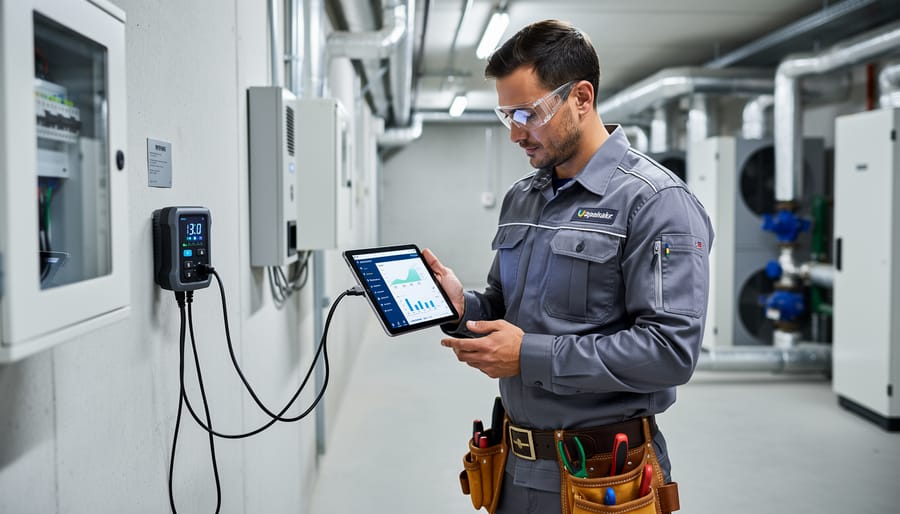
While your battery storage system is designed to operate independently most of the time, scheduling professional inspections every three to six months helps protect your investment and ensures optimal performance. Think of it like regular car maintenance – a small preventive step that saves you from bigger headaches down the road.
During these visits, certified technicians perform a comprehensive health check of your system. They’ll examine electrical connections for any signs of wear or corrosion, test voltage levels across battery cells to ensure balanced charging, and verify that cooling systems are functioning properly. They’ll also review your system’s performance data to identify any unusual patterns that might indicate developing issues before they become problems.
One of the most valuable aspects of professional inspections is software updates. Just like your smartphone, battery systems receive firmware upgrades that improve efficiency, add new features, or enhance safety protocols. Technicians ensure your system runs the latest software, which can actually increase your energy savings over time.
Expect these visits to last 30 to 60 minutes, depending on your system size. The technician will provide a detailed report of their findings and recommend any necessary adjustments. Most manufacturers require these professional checkups to maintain your warranty coverage, making them not just smart but essential.
The good news? Many solar installers include the first year or two of inspections in their service packages, and ongoing maintenance contracts typically cost between $150 to $300 annually – a small price for peace of mind and protecting a system that’s actively reducing your energy bills.
Annual Deep-Dive Maintenance
Once a year, your battery system deserves a thorough checkup from a certified technician. This comprehensive service goes beyond the basics to ensure your system operates at peak efficiency for years to come. Think of it as an annual physical for your energy storage investment.
During this visit, your technician will update your system’s software, similar to updating your smartphone. These updates often include performance improvements and new features that can boost your savings. They’ll also test all electrical connections to prevent any future issues and verify that your battery communicates properly with your solar panels and home electrical system.
The performance optimization portion is particularly valuable. Your technician will analyze how your system has performed over the past year and fine-tune settings to maximize your energy savings based on your actual usage patterns. They’ll also recalibrate monitoring systems to ensure you’re getting accurate data about your energy production and consumption.
This annual service typically costs between $150-$300, but it protects your investment and often pays for itself through improved efficiency. Most manufacturers require this annual maintenance to keep your warranty valid, making it essential rather than optional.
Keeping Your System Clean and Cool
Good news: keeping your battery system running efficiently is simpler than you might think. Your battery performs best in moderate temperatures, ideally between 50°F and 80°F. Extreme heat or cold can reduce performance and shorten lifespan, but don’t worry—most modern systems include built-in temperature management.
Install your battery in a well-ventilated area away from direct sunlight, whether that’s a garage, basement, or outdoor enclosure designed for the purpose. Leave at least a few inches of clearance around all sides for air circulation. Keep the area free from dust, debris, and clutter that could block airflow or trap heat.
A quick visual check every few months ensures vents remain clear and the surrounding space stays clean. If you live in an extremely hot or cold climate, consider discussing climate-appropriate installation options with your installer—they can recommend insulation or cooling solutions that protect your investment while maximizing efficiency and battery life.
Warning Signs Your Battery Needs Attention
Performance Changes to Monitor
As your battery system ages, you’ll notice some natural changes that are completely normal and easy to spot. The most common sign is reduced capacity—your battery simply won’t hold as much energy as it did when new. Think of it like your smartphone battery after a few years of use. Where your system once stored 10 kilowatt-hours, it might eventually hold 8 or 9. This doesn’t mean your system is broken; it’s just the natural result of hundreds of charge-discharge cycles.
You might also observe that charging takes a bit longer than it used to, especially when your battery is nearly full. The final 10-20% of charge naturally slows down to protect the battery’s health. Additionally, your system’s efficiency may dip slightly over time. If your system was 95% efficient when new, it might settle around 90% after several years—you’re still converting most of your solar energy into stored power.
The good news? Modern battery management systems automatically adjust to these changes, and you’ll likely still see significant savings on your energy bills. Most manufacturers guarantee at least 70-80% capacity after 10 years, meaning your investment continues paying dividends well into the future.
Physical and Digital Alerts
Your battery system communicates with you in two ways: through digital alerts on your monitoring app and physical signs you can see or hear. Modern systems send notifications directly to your smartphone when something needs attention, such as unusual power draw patterns, connectivity issues, or temperature fluctuations. These dashboard warnings are your first line of defense and shouldn’t be ignored, though most are routine and easily resolved.
Pay attention to physical changes too. While batteries naturally emit some warmth during charging and discharging, excessive heat or a burning smell requires immediate attention. Similarly, unusual sounds like clicking, buzzing, or hissing aren’t normal for properly functioning systems. Visible signs like moisture buildup, corrosion, or any physical damage to the unit also warrant professional inspection.
Don’t hesitate to contact a certified technician if you notice persistent error messages, the system frequently shutting down, or performance that’s significantly below expected levels. Your installer typically provides a helpline for such concerns. Remember, catching issues early protects your investment and ensures you continue enjoying those energy bill savings without interruption. Most problems are minor when addressed promptly.
Common Myths About Battery Storage Maintenance
Myth: Batteries Are Maintenance-Free
While modern battery energy storage systems are far more advanced than their predecessors, calling them completely maintenance-free is misleading. Think of your battery system like a smart appliance in your home. It won’t need constant attention, but periodic check-ins help ensure peak performance and longevity. Most systems require monitoring software updates, occasional inspection of connections, and keeping the unit clean and properly ventilated. Temperature management is particularly important, as batteries perform best within specific temperature ranges. The good news? Many systems now include smart monitoring that alerts you to potential issues before they become problems. Setting aside just a few minutes every few months for basic visual checks can protect your investment and maximize your energy savings. Regular maintenance isn’t a burden; it’s a simple way to ensure your system delivers reliable backup power and continues reducing your energy bills for years to come.
Myth: Maintenance Voids Your Warranty
Here’s the good news: performing regular maintenance won’t void your warranty. In fact, it’s quite the opposite. Most manufacturers require you to follow recommended maintenance schedules to keep your warranty valid. Think of it like your car – skipping oil changes can void your coverage, but doing them protects it. The same applies to your battery system. Your warranty documentation will clearly outline what maintenance is expected, typically including basic tasks like keeping the area clean and monitoring performance through your app. What actually voids warranties? Unauthorized modifications, using incompatible equipment, or neglecting obvious problems. By following the manufacturer’s simple maintenance guidelines, you’re not just protecting your warranty – you’re ensuring your system runs efficiently for years, maximizing your energy savings and return on investment.
Myth: All Batteries Age the Same Way
Not all batteries age at the same rate. How you use and care for your system makes a huge difference in its lifespan. Batteries that experience frequent deep discharges or extreme temperatures age faster than those kept at moderate charge levels and comfortable temperatures. Regular maintenance checks and keeping your system in a climate-controlled space can add years to its life, protecting your investment and maximizing your energy savings.
Making Maintenance Effortless With Modern Technology
Smartphone Apps That Do the Heavy Lifting
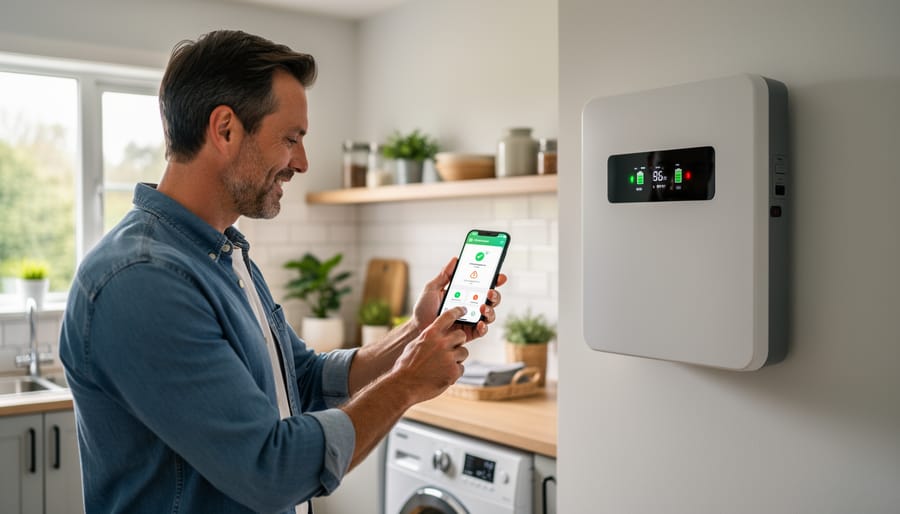
Modern smart home battery storage systems come with intuitive smartphone apps that act as your personal energy assistant. These apps continuously track your battery’s health, sending instant alerts if something seems off—like unusual temperature changes or charging irregularities. Think of it as having a mechanic who watches your system 24/7 and taps you on the shoulder before a minor issue becomes an expensive repair. You’ll receive friendly notifications about optimal charging times, potential savings opportunities, and maintenance reminders right on your phone. Most apps display easy-to-read graphs showing your energy usage patterns, helping you maximize your investment without needing a technical degree. The peace of mind alone is worth it—you can vacation knowing you’ll be notified immediately if your system needs attention.
Remote Diagnostics Save Time and Money
Modern battery systems come equipped with smart monitoring technology that connects to the internet, allowing technicians to check your system’s health without visiting your home. Think of it like your doctor reviewing test results remotely before deciding if you need an office visit. These remote diagnostics can identify most issues instantly, from minor software glitches to performance concerns, often resolving them with a simple software update pushed directly to your system. This means fewer service appointments, no time off work waiting for technicians, and lower maintenance costs since you only pay for in-person visits when truly necessary. Many manufacturers catch potential problems before you even notice them, sending alerts to service teams who can troubleshoot and fix issues remotely. This proactive approach not only saves you money on unnecessary service calls but also prevents small problems from becoming expensive repairs, keeping your system running efficiently and protecting your investment for years to come.
Taking care of your battery energy storage system doesn’t have to be complicated or time-consuming. As we’ve explored throughout this guide, maintaining your system involves simple tasks like keeping the area clean, monitoring performance through your smartphone app, and scheduling annual professional inspections. These straightforward steps protect what is likely one of your most significant investments in sustainable living.
The good news is that modern battery systems are designed with homeowners in mind. They’re remarkably low-maintenance compared to older technologies, and the time you invest in basic upkeep pays dividends in system longevity and performance. By staying proactive, you’re ensuring your battery continues delivering the energy independence and cost savings you purchased it for in the first place.
Think of maintenance as safeguarding your financial future. A well-maintained battery can last 10 to 15 years or more, maximizing your return on investment while reducing your carbon footprint. You’re not just protecting equipment; you’re preserving your energy security and environmental contribution for years to come.
Ready to give your system the care it deserves? Consider scheduling a professional maintenance visit today. Expert technicians can spot potential issues before they become problems, optimize your system’s settings for peak performance, and give you peace of mind knowing everything is running exactly as it should. Your future self will thank you for taking action now.