
Virginia’s coastal winds are powering a renewable energy revolution that’s reshaping how homeowners think about energy independence. The Commonwealth is rapidly expanding its offshore wind capacity, with the Coastal Virginia Offshore Wind project set to become one of America’s largest renewable energy installations by 2026, generating enough clean electricity to power 660,000 homes.
This massive shift affects you directly, even if wind turbines never spin on your property. As wind energy feeds more clean power into Virginia’s electrical grid, it stabilizes energy costs, reduces reliance on fossil fuels, and creates opportunities for residents to take control of their own energy future. The state’s commitment to 100% carbon-free electricity by 2050 means utilities are investing billions in renewable infrastructure, fundamentally changing how power reaches your home.
Understanding Virginia’s wind energy landscape helps you make smarter decisions about your household energy strategy. While offshore wind farms generate utility-scale power, homeowners can achieve true energy independence by combining this cleaner grid with rooftop solar panels, creating a powerful one-two punch against rising electricity costs. The question isn’t whether renewable energy will transform Virginia—it’s already happening. The real question is how you’ll position your household to benefit from this transition while reducing your monthly expenses and environmental impact.
Virginia’s Wind Energy Landscape: What Homeowners Need to Know
The Coastal Virginia Offshore Wind Project
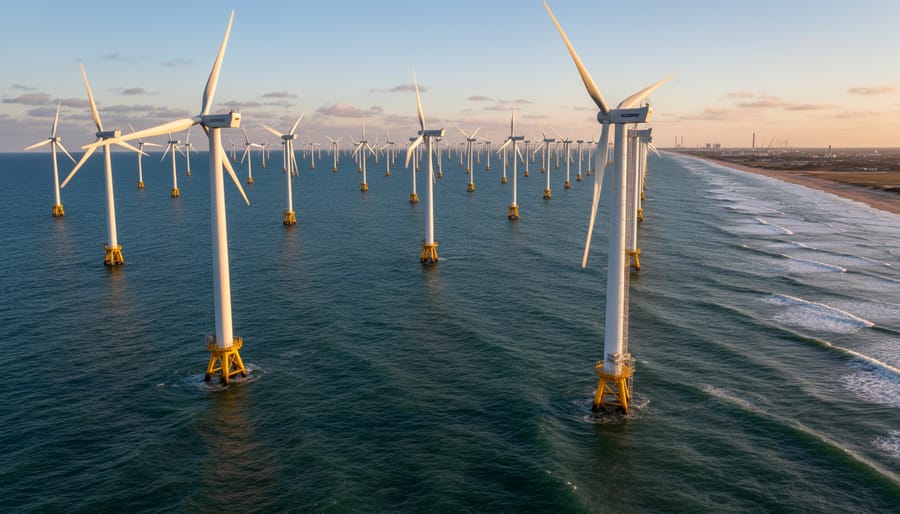
Virginia is making a bold commitment to clean energy with the Coastal Virginia Offshore Wind (CVOW) project, one of the largest offshore wind power developments in the United States. Located 27 miles off Virginia Beach, this ambitious initiative will feature 176 turbines capable of generating 2,600 megawatts of electricity when completed—enough to power approximately 660,000 homes.
For Virginia homeowners, this project brings promising implications. While initial infrastructure investments may cause modest rate adjustments, the long-term benefits include stabilized energy costs as wind power insulates residents from volatile fossil fuel prices. Wind energy produces no emissions and requires no fuel purchases, creating predictable pricing over decades.
The project also enhances grid reliability by diversifying Virginia’s energy sources. When combined with rooftop solar panels, homeowners can maximize their energy independence while supporting the state’s transition to 100 percent carbon-free electricity by 2040. The CVOW project demonstrates Virginia’s serious commitment to renewable energy, creating opportunities for residents to participate in a cleaner, more sustainable energy future while potentially lowering their long-term electricity expenses.
How Wind Complements Solar for Virginia Homes
Virginia’s climate creates a natural partnership between wind and solar energy that works in your favor. When the sun isn’t shining at full strength—during cloudy days, early mornings, or winter months—wind patterns often pick up the slack. This complementary relationship means you’re capturing renewable energy throughout different times of day and across changing seasons.
The real advantage comes from not putting all your eggs in one basket. While Virginia’s offshore wind farms are generating clean electricity for the grid, your rooftop solar panels are producing power right at home. This diversified approach to renewable energy strengthens the entire system’s reliability. When one source produces less energy, the other often compensates.
For homeowners, this synergy translates to more consistent renewable energy availability from the grid, reducing dependence on fossil fuels year-round. Even if you’re primarily focused on solar for your home, knowing that Virginia’s growing wind capacity supports the broader energy mix gives you additional peace of mind. Together, these renewable sources create a more resilient energy future that protects you from price volatility while supporting environmental goals.
Wind Energy Integration: Building Your Personal Energy Independence
Pairing Solar Panels with Wind-Powered Grid Energy
Virginia’s expanding wind energy infrastructure creates an exciting opportunity for homeowners to maximize their energy savings and reliability through solar-wind complementarity. While wind farms supply clean power to the grid, installing independent solar panels on your property works hand-in-hand with this development to give you greater control over your energy costs.
Here’s how the partnership works: solar panels generate the most electricity during sunny daylight hours, while wind energy production often peaks during evening hours and overnight when weather patterns shift. This natural timing difference means that when your solar panels aren’t producing power, wind energy is likely feeding clean electricity into Virginia’s grid at lower rates than traditional fossil fuel sources. The result is more consistent access to renewable energy throughout the day and night.
For homeowners, this combination translates to tangible benefits. Your solar installation covers daytime energy needs, reducing what you purchase from the grid. During times when you draw from the grid, an increasing portion comes from wind power, which helps stabilize electricity rates long-term as Virginia reduces dependence on volatile fossil fuel markets.
This solar-wind synergy also enhances reliability. On cloudy days when solar production dips, wind resources often compensate by generating more power. You’re essentially hedging your energy independence across multiple renewable sources, creating a more resilient and cost-effective energy strategy for your home.

Energy Storage: Your Bridge to True Independence
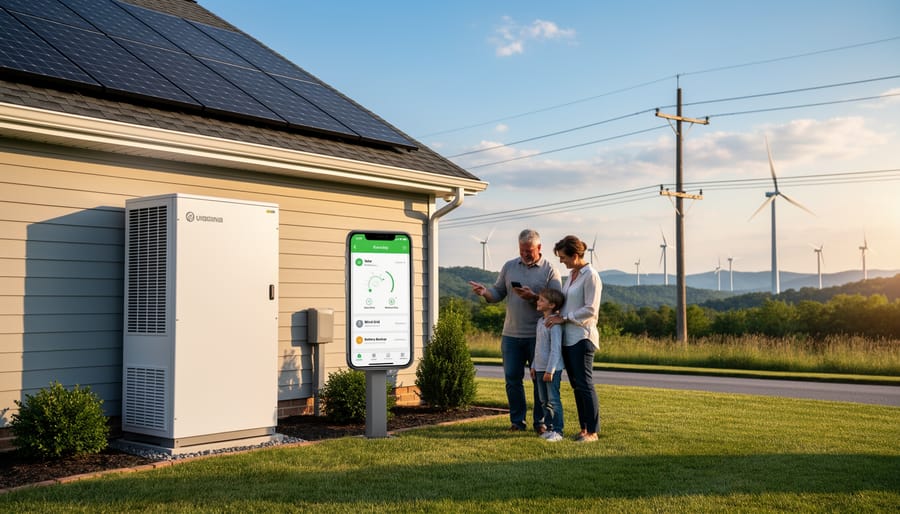
Virginia’s renewable energy revolution isn’t just about generating power—it’s about keeping it available when you need it most. Home battery storage systems act as your personal power bank, capturing excess electricity from both rooftop solar panels and Virginia’s growing offshore wind infrastructure when production is high and utility rates are low.
Here’s the beauty of battery storage: you’re no longer at the mercy of the grid’s schedule. During peak evening hours when electricity rates spike, you draw from your stored energy instead of paying premium prices. When storms knock out power lines, your home stays comfortable and functional. Modern battery systems automatically switch between grid power, stored energy, and real-time generation, managing everything seamlessly in the background.
For Virginia homeowners, this technology transforms renewable energy from an intermittent resource into a reliable foundation for independence. You’re essentially creating your own mini utility company, one that prioritizes your needs and budget over profit margins.
Net Metering and Wind Energy: What’s Changing
Virginia’s net metering program allows homeowners with renewable energy systems to receive credits for excess electricity they send back to the grid. As offshore wind farms add more clean energy to Virginia’s power mix, the grid becomes greener overall, which means your solar panels are working alongside an increasingly renewable energy infrastructure. This combination creates a cleaner, more reliable energy system for everyone.
Currently, net metering credits roll over month-to-month and expire annually, though policies continue evolving as renewable energy grows. The good news? As Virginia invests billions in wind energy, the state’s commitment to renewable infrastructure strengthens, potentially leading to more favorable policies for homeowners with solar installations. While you can’t install a personal wind turbine in most residential areas, pairing rooftop solar with Virginia’s expanding wind portfolio maximizes your contribution to energy independence while reducing your electricity bills through net metering credits.
The Financial Benefits of Virginia’s Wind Energy Growth
Lower Energy Rates Through Renewable Diversity
Virginia’s expanding wind energy portfolio offers a promising path toward more stable and affordable electricity costs for residents. By diversifying the state’s energy sources beyond traditional fossil fuels, wind power helps protect homeowners from the volatile price swings of natural gas and coal markets. When energy comes from multiple sources, utilities aren’t as vulnerable to sudden price spikes caused by fuel shortages or geopolitical tensions.
Wind energy’s greatest financial advantage lies in its predictability. Once turbines are installed, the “fuel” is free and unlimited. Unlike coal or natural gas plants that face ongoing fuel costs, wind farms operate with minimal expenses after construction. These savings typically translate into lower rates for consumers over time, especially as wind technology becomes more efficient and affordable.
Virginia’s commitment to offshore wind development positions the state to capture these benefits significantly. The massive Coastal Virginia Offshore Wind project will generate enough electricity to power hundreds of thousands of homes while creating competition in the energy market that naturally drives prices down. For homeowners already considering renewable options, this diversification makes the overall transition to clean energy more economically attractive and reinforces the value of personal investments in solar panels and energy efficiency improvements.
Protection from Energy Price Volatility
One of the most underappreciated benefits of wind energy is how it protects your wallet from the unpredictable swings in fossil fuel prices. Unlike natural gas and coal, which fluctuate based on global markets, supply disruptions, and geopolitical tensions, wind has no fuel cost. Once a turbine is installed, the electricity it generates comes at a stable, predictable price.
For Virginia homeowners, this matters more than you might think. Traditional electricity rates tied to fossil fuels can spike dramatically during extreme weather events, supply shortages, or international conflicts. Remember the price surges during recent winters? Those directly impacted your electric bill. As Virginia integrates more wind energy into its grid, a larger portion of your electricity comes from sources immune to these price shocks.
This stability translates to more predictable monthly energy budgets. When utilities purchase wind energy through long-term contracts, they lock in prices that don’t fluctuate with global oil markets. Those savings eventually reach consumers through more stable rate structures.
The protection becomes even stronger when you pair grid-based wind energy with home solar panels. By generating your own renewable electricity, you further insulate yourself from any utility rate increases while contributing to the same clean energy transition happening offshore. Think of it as a two-layer shield: Virginia’s growing wind infrastructure stabilizes grid prices, while your solar panels reduce how much grid electricity you need in the first place. Together, they create genuine energy independence and financial predictability for your household.
Common Myths About Wind Energy in Virginia
Myth: Wind Energy Isn’t Reliable Enough
Modern wind technology has transformed reliability concerns into outdated myths. Today’s wind turbines operate at over 95% availability, meaning they’re ready to generate power whenever the wind blows. Virginia’s offshore wind projects will connect to an advanced power grid that balances multiple energy sources seamlessly, ensuring your lights stay on regardless of wind conditions.
The key is energy storage and grid diversification. When wind farms produce excess energy, battery systems store it for later use. Plus, Virginia’s energy mix includes solar, natural gas, and other sources that work together like a well-coordinated team. For homeowners, this means wind energy contributes to a more stable, affordable grid without requiring you to worry about backup power. The integration of wind actually strengthens Virginia’s overall energy reliability while lowering costs over time.
Myth: Wind Energy Won’t Lower My Bills
Here’s the truth: renewable energy is driving down electricity costs across Virginia. According to the U.S. Energy Information Administration, states with significant renewable energy portfolios have seen more stable electricity rates compared to those relying solely on fossil fuels. Virginia’s commitment to wind energy, including the Coastal Virginia Offshore Wind project, will inject competition into the energy market, ultimately benefiting consumers.
While you can’t install a personal wind turbine in most residential areas, you absolutely benefit from wind energy expansion through your utility provider’s energy mix. As wind power becomes a larger portion of Virginia’s grid, the state reduces its dependence on expensive imported fuels, protecting you from price volatility. Better yet, pairing this cleaner grid with your own solar panels maximizes your savings potential. You’ll draw less from the grid overall, and when you do, an increasing portion comes from cost-effective renewable sources rather than fluctuating fossil fuel prices.
Myth: I Can’t Benefit Without My Own Wind Turbine
You don’t need a personal wind turbine to enjoy the benefits of wind energy in Virginia. When offshore wind farms generate electricity, that clean power flows directly into Virginia’s electrical grid—the same grid that powers your home. This means you’re already using wind energy whenever it’s available, helping reduce your carbon footprint without any extra effort.
The real opportunity lies in pairing grid-supplied wind power with your own rooftop solar panels. This combination creates a more balanced energy mix throughout the day and seasons. While solar panels generate electricity during sunny hours, wind energy often peaks at different times, providing complementary coverage. By installing solar panels, you take control of your energy production and costs, while still benefiting from Virginia’s growing wind energy infrastructure.
Smart energy strategies like net metering allow you to send excess solar power back to the grid and draw from it when needed—including wind-generated electricity. This partnership between personal solar investment and Virginia’s renewable grid creates the most practical path to energy independence for homeowners.
Taking Action: Your Path to Energy Independence in Virginia
Start with a Home Energy Assessment
Before jumping into wind or solar solutions, take a moment to understand where your energy dollars are actually going. A home energy assessment reveals how much electricity you’re using and identifies the biggest energy drains in your home. Think of it as a financial health check for your household—you can’t improve what you don’t measure. Many homeowners discover they’re losing energy through poor insulation, outdated appliances, or inefficient heating and cooling systems. By addressing these issues first, you’ll need less renewable energy overall, which means lower installation costs and faster payback periods. Some Virginia utility companies even offer free or discounted energy audits, making this an easy first step. Once you know your baseline consumption, you can right-size any renewable energy system to match your actual needs rather than overbuilding or underestimating.
Invest in Solar with Storage Capabilities
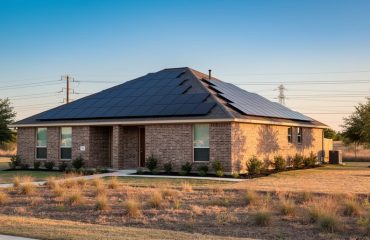
While Virginia’s wind energy expansion is exciting, homeowners looking to capture renewable energy benefits right now have an immediate solution: residential solar panels with battery storage. This combination puts you in control of your energy future, regardless of how quickly large-scale wind projects develop.
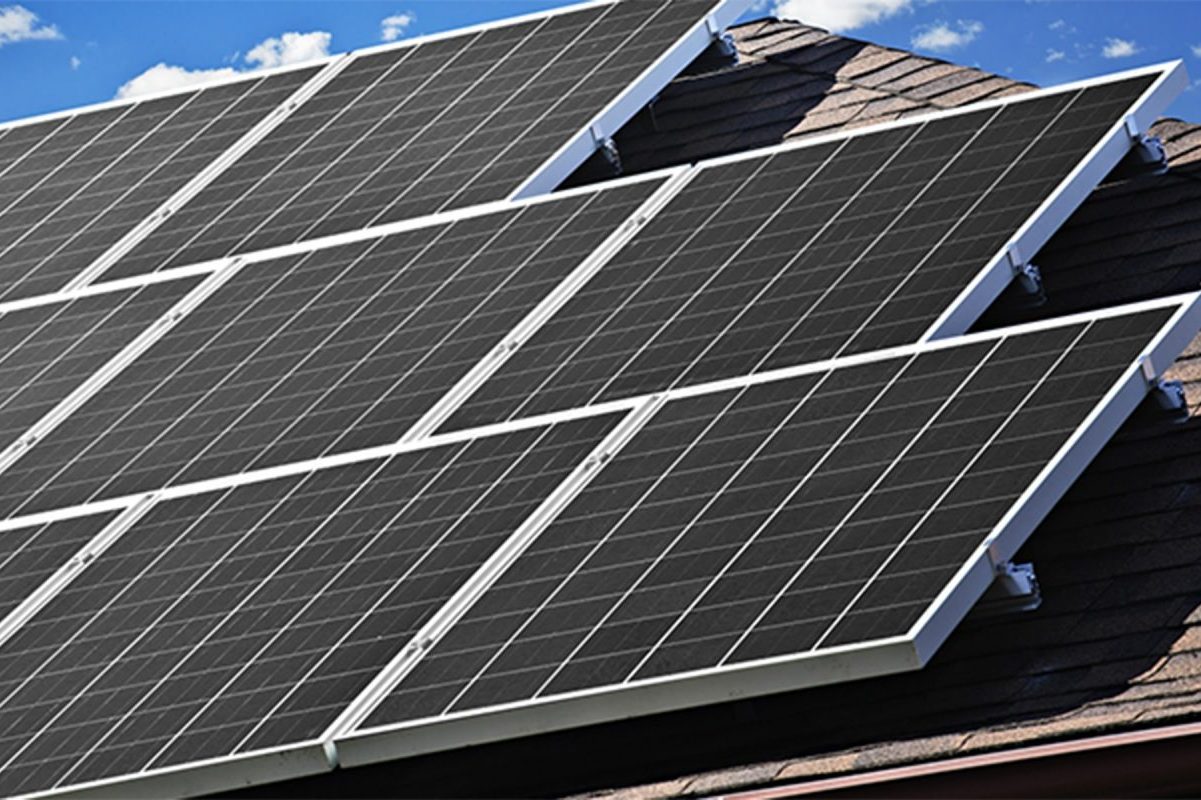
Solar panels with battery backup allow you to generate and store your own clean electricity, reducing your dependence on the grid while lowering your monthly bills. When your panels produce excess energy during sunny days, batteries store that power for use during evenings, cloudy days, or grid outages. This creates true energy resilience that complements Virginia’s growing renewable energy landscape.
As Virginia continues investing in wind and other renewables, the grid will increasingly support clean energy transmission. By adopting solar with storage now, you’re positioning yourself to benefit from future grid improvements while immediately enjoying lower electricity costs and backup power security. Plus, federal tax credits and Virginia’s solar incentives make installation more affordable than ever.
Ready to take control of your energy future? Explore proven energy independence strategies that can transform your home into a self-sufficient powerhouse while supporting Virginia’s renewable energy goals.
Virginia’s expanding wind energy infrastructure marks an exciting turning point for homeowners ready to take control of their energy future. While offshore wind farms strengthen the state’s renewable energy grid, the real power lies in your hands—literally on your rooftop. By combining Virginia’s cleaner grid with home solar panels and battery storage, you’re positioning yourself to slash energy bills, protect against rising utility costs, and reduce your environmental footprint all at once.
The momentum is clear: Virginia is committed to clean energy, and homeowners who act now will reap the greatest rewards. Solar technology has never been more affordable or efficient, and with various incentives still available, there’s no better time to make the switch. You don’t need to wait for offshore wind turbines to start spinning to begin saving money and contributing to a sustainable future.
Taking the first step is simpler than you think. By exploring solar options with battery backup today, you’re not just investing in your property—you’re investing in energy independence, financial savings, and a healthier planet for future generations. The question isn’t whether to embrace renewable energy; it’s how soon you’ll start enjoying the benefits.