Your monthly electric bill doesn’t have to be a mystery you can’t control. A residential energy management system puts you in the driver’s seat, transforming your home into an intelligent network that monitors every watt, optimizes when you use power, and maximizes savings from solar panels and battery storage. Think of it as the brain behind your home’s energy independence—automatically shifting heavy energy use to times when electricity is cheapest, storing excess solar power for evening use, and keeping your lights on during grid outages.
The financial case is straightforward: homeowners with these systems typically reduce energy costs by 20-40% while protecting themselves from rate hikes and blackouts. Unlike the bulky, complicated industrial systems of the past, today’s residential platforms are sleek, smartphone-friendly, and designed for people who want results without needing an engineering degree.
What makes these systems game-changing isn’t just the technology—it’s the control and peace of mind they deliver. You’ll see exactly where your energy goes, make informed decisions about consumption, and watch your investment pay for itself through lower bills and increased home value. Whether you already have solar panels or you’re starting from scratch, an energy management system turns your home from a passive energy consumer into an active, intelligent participant in your financial future. The question isn’t whether this technology works, but whether you’re ready to take control.
What a Home Energy Management System Actually Does
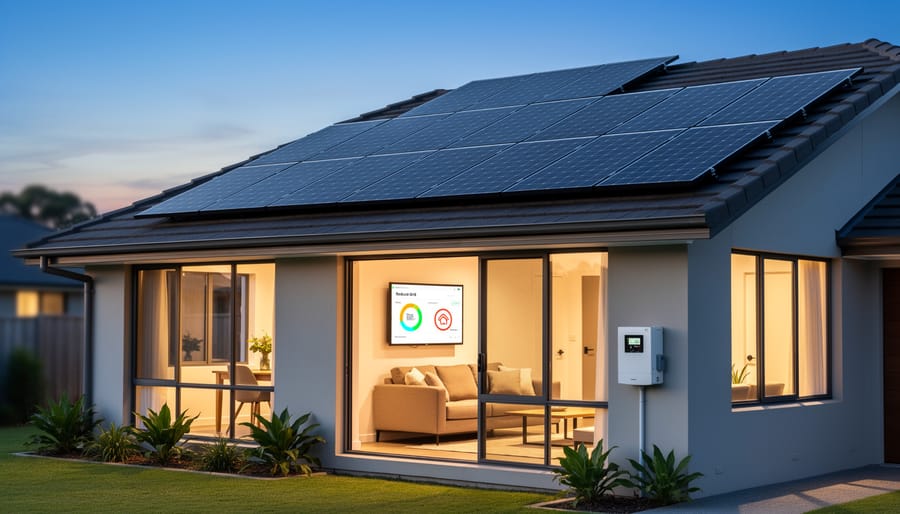
The Brain Behind Your Solar Panels
Think of a residential energy management system as the intelligent conductor of your home’s energy orchestra. While your solar panels generate power and your battery stores it, the management system decides where that energy goes and when—making split-second decisions that maximize your savings.
Here’s how it works in practice: On a sunny afternoon, your system directs excess solar energy to charge your battery rather than sending it back to the grid at minimal credit rates. Then, during expensive evening peak hours when your family is home cooking dinner and running appliances, it automatically draws from your battery instead of purchasing costly grid electricity. The system constantly monitors electricity rates, your household’s consumption patterns, and weather forecasts to make these smart decisions.
The real magic happens during grid outages. Unlike basic solar setups that shut down when the power goes out, an energy management system seamlessly switches to battery power, keeping your essential appliances running. You might not even notice the transition.
Best of all, this coordination happens automatically. You don’t need to flip switches or make calculations. The system learns your habits over time, becoming more efficient at predicting your needs and optimizing savings. Many homeowners report cutting their electricity bills by 70-90% once everything is working together intelligently.
Real-Time Energy Decisions You Don’t Have to Make
Your energy management system acts like a silent financial advisor for your home’s power use, constantly working to reduce your costs without requiring you to lift a finger. Throughout the day and night, it monitors electricity prices, weather patterns, and your household’s energy needs, making split-second decisions about when to draw from your solar panels, when to tap into stored battery power, and when to use grid electricity at its cheapest rates.
During peak hours when utility rates spike, the system automatically shifts your home to battery power, protecting you from those expensive charges. When electricity prices drop overnight or during off-peak times, it smartly recharges your batteries for future use. If a storm approaches, it can prioritize charging your battery to ensure backup power is ready when you need it most.
The beauty of this automation is that you enjoy the savings and reliability benefits without having to monitor energy markets, check weather forecasts, or make constant adjustments. The system learns your household patterns over time, becoming even more efficient at anticipating your needs and maximizing your investment.
Why Energy Independence Matters More Than Ever
The Real Cost of Grid Dependency
Most homeowners don’t realize how much their monthly energy bills quietly drain their budget over time. The average American household spends about $1,500 to $2,000 annually on electricity, and those costs typically rise 3-5% each year due to increasing utility rates. That means over a 25-year period, you could pay between $50,000 and $80,000 just to keep the lights on.
Here’s the challenging part: you have virtually no control over these rising costs. When your utility company increases rates, your bill goes up automatically. During peak hours, you pay premium prices whether you like it or not. And if there’s a grid outage in your area, you’re left waiting in the dark.
Think about what happened during the last major power outage in your neighborhood. Whether it lasted two hours or two days, you likely lost food in your refrigerator, missed work productivity, or simply felt uncomfortable in your own home. These hidden costs of complete grid dependency add up in ways your monthly bill never shows. The good news? You have more options now than ever before to take back control.
Your Home as Its Own Power Plant
Imagine waking up each morning knowing your home is generating its own clean electricity, storing excess energy for later use, and automatically optimizing every watt to save you money. This isn’t science fiction—it’s the reality that residential energy management systems create for homeowners today.
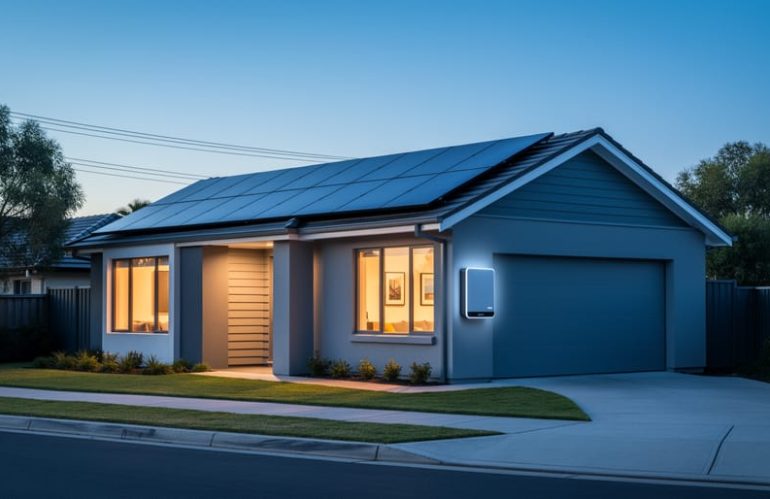
With the right setup, your home transforms from an energy consumer into a self-sufficient powerhouse. Modern microgrid systems allow you to produce, store, and manage your own electricity, dramatically reducing or even eliminating your monthly utility bills. Many homeowners see savings of 70-90% on their energy costs within the first year.
Beyond the financial benefits, energy independence means freedom from unpredictable rate hikes and protection during grid outages. Your lights stay on, your refrigerator keeps running, and your family stays comfortable regardless of what’s happening with the utility company. Long-term, these systems typically pay for themselves in 7-10 years, then continue delivering free electricity for decades—making your home more valuable while shrinking your carbon footprint.
The Key Components Working Together
Smart Monitoring That Tracks Every Watt
You can’t manage what you don’t measure. That’s where smart energy monitoring becomes your secret weapon for cutting costs. Today’s residential energy management systems give you real-time visibility into exactly where every dollar of your electricity bill goes, breaking down consumption by appliance, time of day, and even individual circuits.
Think of it as a fitness tracker for your home’s energy use. The system displays everything through a simple smartphone app or web dashboard, showing you which devices are energy hogs and when your home uses the most power. Many homeowners discover surprises—like an old refrigerator that’s quietly draining their wallet or phantom loads from devices in standby mode.
This visibility transforms how you use energy. You’ll spot patterns like peak-hour usage that costs more and shift activities to off-peak times. You’ll catch issues early, like a malfunctioning HVAC system consuming extra power. Most importantly, you’ll see the direct financial impact of small changes, which motivates smarter habits across your household. Studies show that simply having access to detailed energy data helps families reduce consumption by 10-15 percent without sacrificing comfort.

Battery Storage: Your Energy Safety Net
Think of battery storage as your home’s energy safety net. When paired with your energy management system, these batteries do much more than simply store excess solar power for later use.
Here’s how it works: during sunny days, your solar panels often produce more electricity than you need. Instead of sending that valuable energy back to the grid for minimal credit, your management system automatically directs it into your battery. Then, when the sun sets or during peak-rate evening hours when grid electricity costs the most, your system draws from this stored energy rather than expensive grid power.
The financial benefit is clear. You’re essentially buying electricity at the cheapest possible price (free sunshine) and using it during the most expensive times. Even better, during power outages, your battery keeps essential appliances running while your neighbors are in the dark.
Your energy management system constantly optimizes this process, learning your usage patterns and making smart decisions about when to store, use, or even sell energy back to the grid. It’s like having a financial advisor for your electricity, working around the clock to maximize your savings.
Intelligent Load Management
Think of intelligent load management as your home’s personal energy coordinator—it makes smart decisions about where electricity goes, so you don’t have to. During a power outage, the system automatically prioritizes essential appliances like your refrigerator, medical devices, and lights, while temporarily reducing power to less critical items like your pool pump. You maintain comfort and safety without manually flipping switches or worrying about draining your battery backup too quickly.
During normal operation, this feature works quietly in the background to optimize your energy use and maximize savings. It can shift high-energy tasks like running your dishwasher or charging your electric vehicle to times when electricity rates are lowest or when your solar panels are producing excess power. Some systems even learn your household patterns over time, getting smarter about managing your energy without any input from you.
The bottom line? Intelligent load management means you get the most value from every kilowatt-hour you produce or purchase, while enjoying uninterrupted power when you need it most. It’s like having an energy expert living in your home, making cost-saving decisions around the clock.
The Financial Benefits You’ll Actually See
Lower Bills Starting Day One
The moment you flip the switch on your residential energy management system, it starts finding ways to cut your costs. These smart systems work around the clock to optimize when and how your home uses electricity, targeting the most expensive energy periods first.
Your system automatically shifts power-hungry tasks like running your dishwasher, charging your electric vehicle, or heating your water to off-peak hours when electricity rates are lowest. This simple scheduling adjustment can trim 20-30% off your monthly bill without any change to your lifestyle.
If you have solar panels, the benefits multiply quickly. The system ensures you’re using your own free solar energy first, only pulling from the grid when absolutely necessary. Any excess solar power gets stored in your battery for evening use instead of selling it back to the utility at rock-bottom rates. This maximizes every ray of sunshine hitting your roof.
Home energy systems also identify energy waste in real-time, alerting you to appliances drawing phantom power or running inefficiently. These immediate savings add up fast, often covering a significant portion of your system’s monthly cost from day one.
Long-Term Savings That Add Up
While the upfront cost of a residential energy management system might seem significant, the financial picture becomes increasingly attractive when you look at the long-term numbers. Most homeowners see a return on their investment within 5 to 10 years through monthly electricity savings, with systems typically lasting 20 years or more. That means a decade or longer of pure savings in your pocket.
The benefits extend beyond your monthly bills. Homes equipped with energy management systems and solar installations consistently sell for more than comparable properties without them. Buyers increasingly value energy efficiency and lower operating costs, making your investment a smart addition to your home’s overall worth.
Consider the cumulative effect: saving $100 to $200 monthly adds up to $24,000 to $48,000 over 20 years. Factor in rising electricity rates, which historically increase 2-3% annually, and your savings grow even larger. Many homeowners find that their system essentially pays for itself while protecting them from unpredictable utility rate hikes. The earlier you invest, the more you benefit from these compounding savings and the satisfaction of reducing your environmental footprint.
Living With Energy Independence: What It Actually Feels Like
Picture this: It’s a sweltering summer afternoon, and your utility sends a text warning about rolling blackouts due to grid strain. While your neighbors scramble to move refrigerated food to coolers, you’re sitting comfortably in your air-conditioned home. Your energy management system automatically switched to battery power the moment the grid went down, and you didn’t even notice the transition.
This is what energy independence actually feels like in practice. During peak rate periods, typically between 4 PM and 9 PM when electricity costs the most, your system draws from stored solar energy instead of the expensive grid. You run the dishwasher, do laundry, and cook dinner without worrying about your bill skyrocketing. The system handles everything behind the scenes while you go about your evening routine.
On cloudy days, the system intelligently decides when to use stored battery power versus pulling from the grid based on current rates and weather forecasts. If a storm is predicted, it prioritizes keeping your batteries charged. When electricity prices drop overnight, it might even pull from the grid to top off your batteries for tomorrow.
The most surprising part for many homeowners isn’t the savings or backup power, though those are substantial. It’s the peace of mind. You stop checking the weather forecast with anxiety about outages. You don’t wince when turning on the air conditioning during peak hours. That constant background worry about energy costs simply fades away.
Your home becomes a self-sufficient energy hub that quietly manages itself, giving you both financial savings and genuine independence from grid uncertainties.

Common Myths That Stop Homeowners From Taking Control
Let’s clear up some common misconceptions that might be holding you back from enjoying the benefits of a residential energy management system.
One of the biggest myths is that these systems are impossibly complicated to use. In reality, today’s energy management platforms are designed with homeowners in mind, not engineers. Most feature intuitive smartphone apps with simple dashboards that show your energy use in plain language. You don’t need a technical background to understand how much solar power you’re generating or when your battery is charging. Think of it like using a banking app—you get clear information that helps you make smart decisions without needing to understand the complex systems running behind the scenes.
Another concern that stops many homeowners is the assumption that energy management systems cost a fortune. While there is an upfront investment, the landscape has changed dramatically. Federal tax credits can cover up to 30% of your system costs, and many states offer additional incentives. When you factor in the money you’ll save on electricity bills month after month, plus protection from rising utility rates, the math often works in your favor faster than you’d expect.
Many people also worry that these systems won’t work with their existing solar panels or home setup. The good news is that modern energy management systems are designed to integrate with most solar installations and can even coordinate with popular battery brands. If you already have solar, adding energy management capabilities is usually straightforward.
Finally, there’s the maintenance myth—the fear that you’ll be constantly troubleshooting or scheduling service calls. The truth is that these systems require minimal hands-on maintenance. Software updates happen automatically, just like on your smartphone, and most components come with substantial warranties. You can enjoy the benefits without becoming your home’s energy technician.
Is a Home Energy Management System Right for Your Home?
Not every home needs an energy management system right away, and that’s perfectly okay. The best approach is to honestly assess where you are in your energy journey and what matters most to you.
Home energy management systems deliver the greatest value if you already have or plan to install solar panels. If you’re generating your own electricity, these systems help you use more of what you produce instead of sending it back to the grid at lower rates. Homes with battery storage see even more benefits, as the system intelligently decides when to store energy and when to use it based on your needs and electricity prices.
Consider your current energy bills. If you’re spending over $150 monthly on electricity, you’ll likely notice meaningful savings from optimized energy use. Families with variable schedules or those who work from home also benefit significantly, as the system can adjust to your actual living patterns rather than generic assumptions.
Your local utility rates matter too. If your area has time-of-use pricing—where electricity costs more during peak hours—an energy management system can shift your usage to cheaper periods automatically. Some regions also offer rebates or incentives for installing these systems, improving your return on investment.
Think about your comfort with technology. Today’s systems are designed for everyday homeowners, not just tech enthusiasts. If you can use a smartphone app, you can manage these systems. The goal is simplification, not complication.
Finally, consider your timeline for creating an energy-independent home. If solar panels or battery backup are in your five-year plan, installing a management system now means you’ll be ready to maximize those investments when the time comes. The system grows with your needs.
Taking control of your home’s energy isn’t just an environmental choice—it’s a smart financial decision that puts money back in your pocket every month. A residential energy management system gives you the tools to monitor, optimize, and truly understand where your energy goes, transforming your home from a passive consumer into an active participant in your energy future. The technology is more accessible and affordable than ever, with systems designed specifically for everyday homeowners, not just tech enthusiasts.
Whether you’re already generating solar power or just starting to explore your options, an energy management system helps you maximize every kilowatt-hour and every dollar. The financial benefits are real and measurable: lower utility bills, protection from rising energy costs, and potential savings that often pay back your investment in just a few years.
Your path to energy independence starts with a single step—understanding your current energy use and exploring what’s possible. The future of home energy is brighter, cleaner, and more affordable than you might think, and it’s within reach today.