Imagine knowing exactly which of your solar customers needs help before they even pick up the phone. Predictive customer analytics transforms mountains of data—from installation dates and equipment performance to weather patterns and service histories—into actionable insights that let solar companies anticipate problems, personalize communications, and deliver support that feels almost telepathic. For homeowners, this means fewer system disruptions, faster resolutions when issues arise, and proactive guidance that maximizes your solar investment’s performance and longevity.
This technology isn’t about replacing human connection with algorithms. Instead, it empowers solar companies to allocate their expertise where it matters most by identifying patterns invisible to the human eye. When your solar provider notices that panels similar to yours typically need maintenance after specific weather events, they can reach out before your energy production dips. When usage data suggests you might benefit from battery storage, they can offer timely recommendations aligned with your actual consumption patterns.
The barrier to entry has dropped dramatically. Solar companies no longer need data science teams or massive IT budgets to start staying ahead of customer needs. Cloud-based analytics platforms now make these capabilities accessible to companies of all sizes, turning existing customer data into competitive advantages that benefit everyone involved. Understanding how predictive analytics works helps you recognize when your solar provider is truly invested in your long-term success.
What Predictive Customer Analytics Actually Means for Solar Companies
Think of predictive customer analytics as having a crystal ball for your solar business, except it’s powered by real data instead of magic. At its core, this approach takes information about what your customers have done in the past and uses it to anticipate what they’ll need in the future. It’s similar to how streaming services recommend shows you might enjoy based on your viewing history, but applied to solar customer service.
For residential solar companies, this technology opens up practical opportunities to serve homeowners better. Instead of waiting for a customer to call about a problem, predictive analytics can flag when a solar panel system might need maintenance based on performance patterns from thousands of similar installations. If data shows that panels in a certain zip code typically accumulate pollen buildup in April, your team can reach out proactively with cleaning tips or service offers.
The same principle applies to seasonal energy management. When historical data reveals that homeowners in your area typically see increased energy consumption during specific months, you can send timely advice about optimizing their solar production before questions arise. This proactive approach helps customers maximize their savings and feel confident they’re getting the most from their investment.
Perhaps most valuable is predicting common customer questions based on system age and performance trends. Just as digital tools transform customer experience across the solar industry, predictive analytics takes this further by anticipating needs before customers even realize they have them.
The bottom line? Predictive analytics isn’t about complicated algorithms or intimidating technology. It’s simply about using your existing customer data intelligently to provide better, faster, more personalized service that keeps homeowners happy and their solar systems running smoothly year-round.
The Data Your Solar Business Already Has (And How It Helps Customers)
Installation and System Performance Data
Your solar installation creates a detailed fingerprint of information that can predict future needs before problems arise. When your system goes in, installers record specifics like panel orientation, shading patterns, inverter models, and local weather conditions. This baseline data becomes incredibly valuable over time.
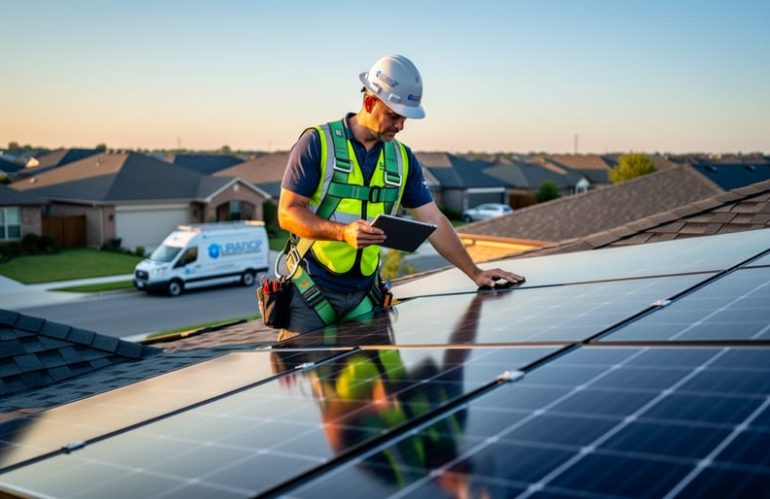
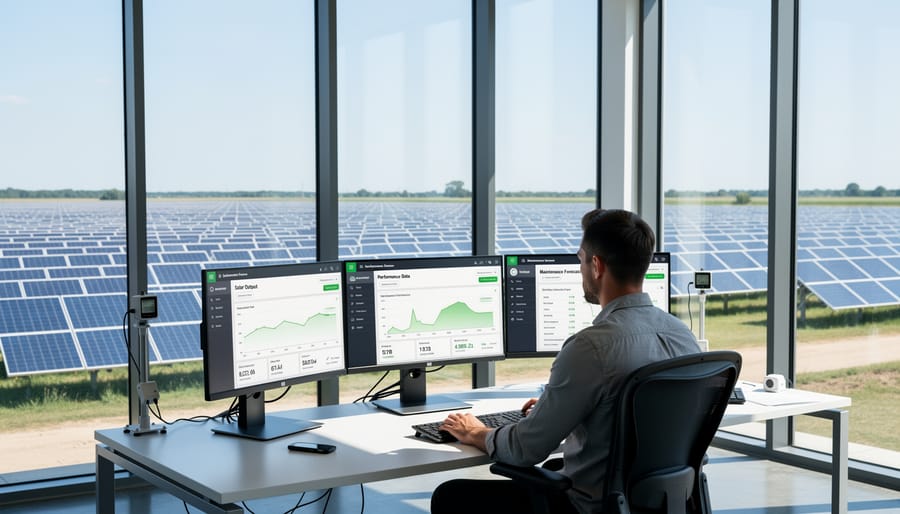
As your system operates, it continuously generates performance metrics showing how much energy you’re producing, when peak generation occurs, and how efficiently components are working. Smart solar companies track this information across thousands of homes, identifying patterns that signal when maintenance might be needed.
For example, if systems installed in similar conditions typically need inverter attention after five years, your provider can proactively schedule a checkup just before issues develop. Performance data also reveals seasonal trends, helping predict when your system might need panel cleaning or vegetation trimming to maintain optimal output.
This approach means you spend less time worrying about your investment and more time enjoying lower energy bills. Instead of waiting for your system to underperform, predictive monitoring catches small efficiency drops early, keeping your panels operating at peak capacity and maximizing your long-term savings.
Customer Interaction History
Your customer interaction history serves as a goldmine for understanding what homeowners need before they even ask. Think of it as learning from every conversation your solar company has ever had with customers.
When solar companies track support tickets and questions over time, clear patterns emerge. For example, many homeowners ask about panel cleaning in early spring when pollen counts rise, or inquire about snow coverage in late fall. These seasonal patterns help companies proactively send helpful tips before customers encounter issues, saving everyone time and reducing worry.
The types of questions people ask also reveal what matters most. If dozens of homeowners wonder whether solar panels work on cloudy days, that signals a need for better educational content upfront. When support teams notice repeated questions about monitoring apps, it might indicate the setup process needs simplification.
This historical insight benefits you directly as a homeowner. Companies can anticipate your needs based on your system’s age, local weather patterns, and common concerns from neighbors with similar setups. Instead of waiting until your energy production dips to get answers, you receive timely guidance that keeps your system running optimally.
The beauty of this approach is that it transforms reactive customer service into proactive support. Every interaction makes the experience better for future customers while helping current homeowners maximize their energy savings and system performance.
Real Ways Predictive Analytics Improves Your Customer Experience
Proactive Maintenance Alerts That Prevent Problems
Imagine receiving a friendly notification that your solar panel needs a quick cleaning before it impacts your energy production—before you even notice your electricity bill creeping up. That’s the power of proactive maintenance alerts.
Modern predictive systems continuously monitor your solar installation’s performance, comparing your output against expected levels based on weather conditions, seasonal patterns, and your system’s historical data. When the numbers don’t align, the system flags potential issues automatically. Maybe tree growth is creating new shade, or debris accumulation is reducing efficiency. Perhaps an inverter component is showing early signs of wear.
Instead of discovering problems months later when you review your energy bills, you get timely alerts that allow you to address small issues before they become expensive repairs. This preventive approach saves you money in two ways: you avoid lost energy production during downtime, and you catch minor problems before they escalate into major equipment failures.
Think of it as having a dedicated solar expert watching over your investment 24/7. The system does the monitoring work, so you don’t have to climb on your roof with a clipboard. You simply receive clear, actionable notifications when attention is needed, keeping your system running at peak efficiency year-round.
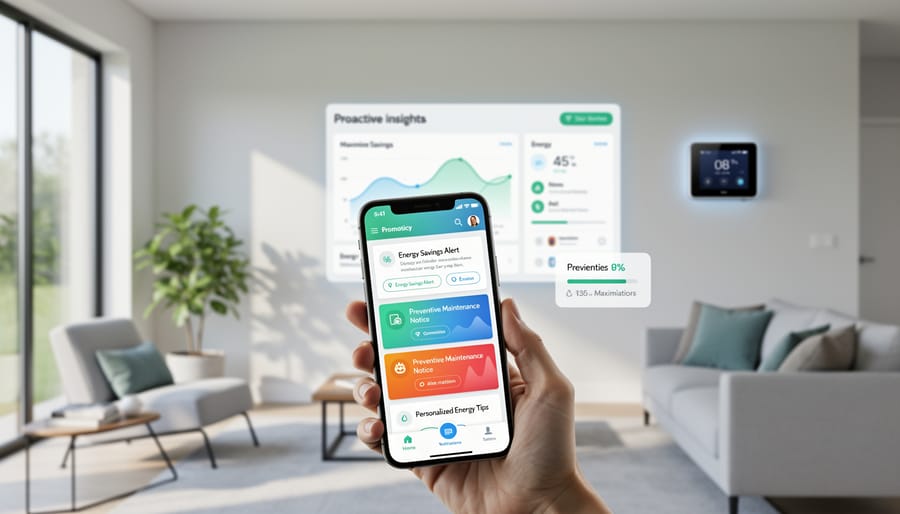
Personalized Energy Optimization Tips
Imagine receiving energy-saving suggestions tailored specifically to how your household uses power throughout the day. That’s exactly what predictive analytics makes possible. By examining your historical usage data alongside your solar system’s performance patterns, smart algorithms can identify opportunities you might never notice on your own.
These systems track when you use the most energy, how efficiently your panels generate power during different seasons, and even how local weather patterns affect your production. From this information, you’ll receive practical recommendations like shifting certain appliances to peak sunlight hours or identifying which energy-hungry devices are costing you money.
The beauty of this personalized solar experience is that suggestions become more accurate over time. Maybe your system notices you run the dishwasher every evening at 8 PM when you’re pulling from the grid. A simple tip to delay the cycle until morning could save you hundreds annually without changing your lifestyle.
These aren’t generic energy-saving tips you’d find anywhere online. They’re customized insights based on your actual home, your actual habits, and your actual solar setup, helping you squeeze every dollar of savings from your investment.
Faster, More Accurate Support Responses
Imagine calling your solar company with a question and having your answer ready before you even finish explaining the problem. That’s the power of predictive customer analytics in action. By analyzing patterns from thousands of customer interactions, solar companies can identify common questions before they’re asked and prepare solutions in advance.
When your support team knows that homeowners typically have questions about inverter performance during specific weather conditions or billing cycles, they can create quick-reference guides and train staff accordingly. This means faster support responses when you reach out, often resolving issues in a single conversation instead of multiple follow-ups.
Predictive insights also help support teams spot potential system issues before they become problems. If data shows your solar production declining slightly, the company can proactively reach out with solutions rather than waiting for you to notice and call frustrated. This forward-thinking approach reduces your downtime, protects your energy savings, and builds confidence that your solar investment is being monitored carefully. The result is less waiting, fewer callbacks, and more time enjoying the benefits of your solar system.

Getting Started: Simple Steps to Implement Predictive Support
Start With What You’re Already Tracking
Good news: you probably already have valuable customer information at your fingertips. Most solar companies track service calls, warranty claims, and system performance data as part of normal operations. These existing records are gold mines for predictive analytics.
Start by reviewing what you’re currently monitoring. Customer support tickets often reveal patterns about when homeowners typically need help or have questions. Installation records show which system configurations perform best in different conditions. Billing and energy production data highlight seasonal trends and common concerns.
You don’t need expensive new software or complicated systems to begin. Simple spreadsheets can organize this information in ways that reveal helpful insights. Look for recurring themes in customer questions, common times when people reach out for support, or specific weather conditions that trigger service requests.
The beauty of starting with existing data is that you’re already collecting it anyway. You’re simply learning to read it differently. Think of it like checking your home’s energy usage history before making efficiency upgrades. You wouldn’t ignore months of utility bills just because you didn’t have fancy analysis tools. The same principle applies here. Your current customer interactions tell a story about what homeowners need and when they need it, helping you serve them better while keeping costs manageable.
Choose User-Friendly Analytics Tools
The good news is you don’t need a data science degree to get started with predictive customer analytics. Today’s analytics platforms are designed with service businesses in mind, offering intuitive dashboards that present insights in plain language rather than complex code.
Look for customer relationship management (CRM) systems that include built-in predictive features. These platforms often use simple visual indicators, like color-coded alerts that flag when a customer might need follow-up or service reminders. Many display information through easy-to-read charts and graphs that show patterns at a glance, such as which seasons typically bring more service inquiries or which customer groups are most likely to request additional services.
The best tools for service businesses offer pre-built templates specifically designed for companies like solar installers. Rather than building analytics models from scratch, you can use ready-made frameworks that track common customer behaviors, like maintenance schedule preferences or energy savings milestones. These templates translate complex data into actionable recommendations, such as “Contact these 15 customers about their annual inspection” or “These homeowners are most interested in battery storage upgrades.”
Start with platforms that integrate smoothly with systems you already use, whether that’s your scheduling software, email marketing tool, or customer database. This connection allows information to flow automatically, reducing manual data entry and giving you a more complete picture of each customer’s journey.
Many analytics providers offer free trials or scaled pricing based on your customer base size, making it affordable to test what works best for your team without major upfront investment.
Why This Matters for Homeowners Who Choose Your Company
When you’re making the significant decision to invest in solar panels for your home, you’re not just buying equipment—you’re entering into a long-term relationship with your solar company. That’s where predictive customer analytics makes a meaningful difference in your experience.
Think of it this way: instead of waiting for something to go wrong with your solar system, your provider is already working behind the scenes to prevent problems before they affect you. This proactive approach means fewer surprise service calls, less downtime, and more consistent energy production from your panels. The result? You get the energy savings you signed up for without the frustration of unexpected issues.
The financial benefits extend beyond just avoiding repair costs. When your solar company can predict and address efficiency drops early, your panels continue generating maximum power output. This translates directly to lower electricity bills month after month. You’re protecting your investment and ensuring you reach your payback period as quickly as possible.
Perhaps most importantly, predictive support gives you genuine peace of mind. You won’t need to become a solar expert or constantly monitor your system’s performance. Your provider is doing that for you, using sophisticated tools to catch potential concerns early. If your system needs attention, you’ll know about it before it becomes a bigger problem.
This commitment to your long-term success demonstrates that your solar company views you as more than just a one-time sale. They’re invested in ensuring your solar panels deliver reliable, money-saving performance for decades to come. When you choose a company that uses predictive analytics, you’re choosing a partner who’s dedicated to making your solar experience as smooth and beneficial as possible.
At its heart, predictive customer analytics isn’t about complex algorithms or fancy dashboards. It’s about understanding what homeowners need before they even ask, then delivering that support at exactly the right moment. When solar companies use these insights thoughtfully, everyone wins. Homeowners enjoy smoother installations, clearer communication, and greater confidence in their investment. Meanwhile, companies build stronger relationships that turn satisfied customers into enthusiastic advocates for solar energy.
As more families consider making the switch to clean energy, this human-centered approach to data becomes increasingly valuable. Predictive analytics helps remove the uncertainty and frustration that sometimes accompanies the solar journey, replacing it with personalized guidance and proactive support. The result? More homeowners feel empowered to embrace sustainable living, knowing they’ll be supported every step of the way. That’s good for individual families, good for business, and ultimately, good for our collective environmental future.