You’ve probably seen names like Tesla, LG, and Enphase when researching solar battery storage, but understanding who actually develops these systems—and why it matters—could save you thousands of dollars and years of frustration.
Battery storage developers are the companies that design, engineer, and manufacture the systems that store excess solar energy for use when the sun isn’t shining. Think of them as the architects behind your energy independence. Unlike the solar installers who mount panels on your roof, developers create the actual technology that determines how much energy you can store, how long your system will last, and whether you’ll have power during an outage.
The developer you choose directly impacts your wallet and peace of mind. A well-engineered battery from an established developer typically comes with stronger warranties, better performance in extreme temperatures, and more reliable customer support when you need it. Lesser-known developers might offer attractive upfront pricing, but could disappear in five years, leaving you with a product nobody can service.
Here’s what most homeowners don’t realize: the battery market has consolidated significantly. Many brands you see advertised are actually manufactured by just a handful of major developers who’ve invested billions in research and safety testing. Understanding this landscape helps you cut through marketing hype and focus on what genuinely matters—proven performance, financial stability of the company, and real-world track records from homeowners like you who’ve lived with these systems through scorching summers and freezing winters.
What Battery Storage Developers Actually Do
From Lab to Your Garage
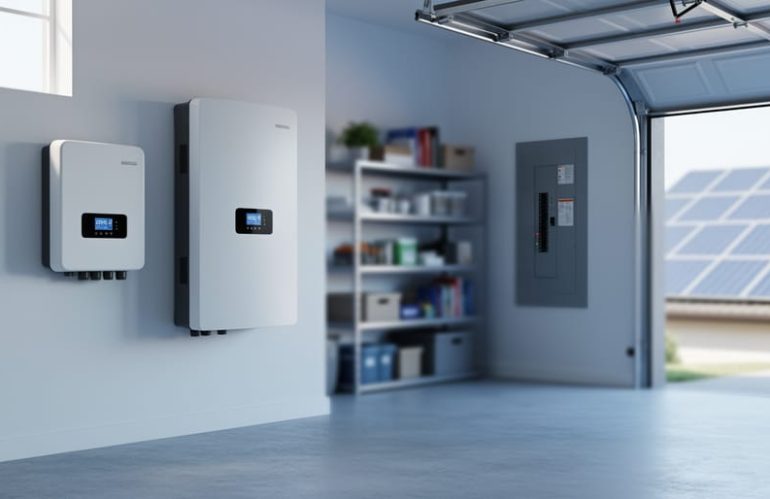
Battery storage developers bridge the gap between cutting-edge science and the system sitting in your garage. While researchers develop lithium battery technology in laboratories, developers transform those innovations into products that actually work in real homes, day after day.
This transformation involves rigorous safety testing. Developers subject batteries to extreme conditions—temperature swings, overcharging scenarios, and physical stress tests—to ensure they won’t fail when you need them most. Think of it as crash-testing for energy storage. Every system must pass multiple certification standards before reaching your home.
Efficiency optimization is equally critical. Developers fine-tune how batteries charge, discharge, and communicate with your solar panels. This means maximizing how much solar energy you actually store and use, rather than losing it to heat or inefficient conversion. Better optimization directly translates to lower electric bills and faster payback on your investment.
Real-world validation separates good developers from great ones. Leading companies install pilot systems in diverse climates and monitor performance for months or years. They track how batteries handle humid Florida summers, frozen Minnesota winters, and everything between. This data drives continuous improvements, ensuring the system you buy today benefits from thousands of real-world installations.
The result? A battery system engineered not just to work in theory, but to deliver reliable, money-saving performance in your specific home for decades.
The Integration Challenge
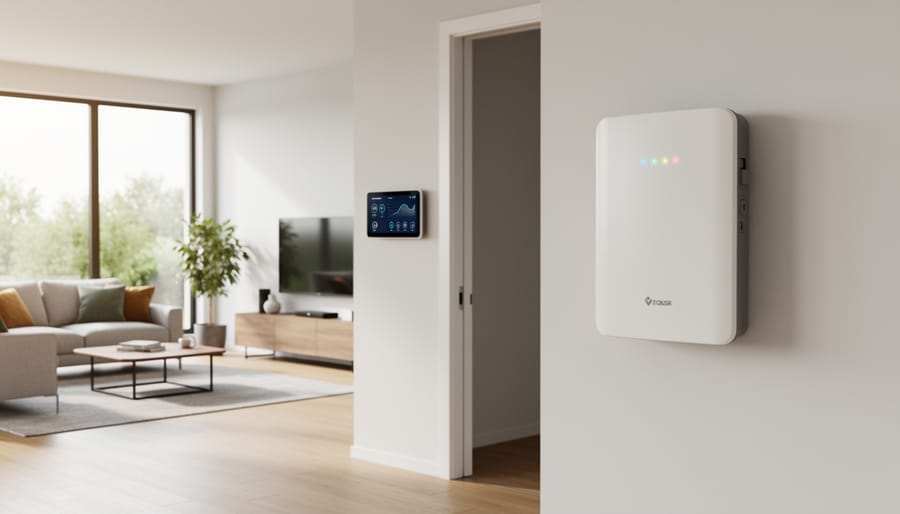
Installing a battery storage system isn’t simply about buying a box and plugging it in. These systems must communicate constantly with your solar panels and inverters, your home’s electrical panel, and often the utility grid itself. This three-way coordination requires sophisticated software and hardware integration that skilled developers have spent years perfecting.
Think of it like adding a smart thermostat to your home. It needs to understand your heating system, your preferences, and your schedule all at once. Battery systems face similar complexity, but with much higher stakes. They must decide in milliseconds whether to charge, discharge, or store energy based on your current usage, solar production, electricity rates, and grid conditions.
This is where developer expertise matters most. Well-designed systems handle these decisions automatically and safely, protecting your home from power surges while maximizing your savings. Poorly integrated systems can cause compatibility issues, reduced efficiency, or even safety concerns. Quality developers invest heavily in testing and certification to ensure their batteries work flawlessly within this complex ecosystem.
Leading Battery Storage Developers You Should Know
Tesla Energy
Tesla Energy leverages decades of electric vehicle battery innovation to create home storage solutions that feel more like consumer electronics than industrial equipment. Their Powerwall has become the most recognizable name in home batteries, partly due to Tesla’s marketing strength and partly because of genuine engineering advantages. The company’s massive manufacturing scale helps keep costs competitive, while their sleek design appeals to homeowners who want batteries that don’t look like garage clutter. Tesla’s integrated app makes monitoring your energy use surprisingly simple, showing real-time data about what you’re storing and saving. However, availability can be inconsistent depending on your location, and installation timelines sometimes stretch longer than competitors. Their automotive roots mean these batteries are built tough and tested extensively, which translates to reliable performance when the grid goes down or when you’re maximizing solar savings during peak rate hours.
LG Energy Solution and Enphase
LG Energy Solution and Enphase represent two different approaches to battery storage, each with distinct advantages for homeowners. LG Energy Solution, a powerhouse in consumer electronics, brings decades of battery manufacturing expertise to the residential market. Their RESU series batteries are known for reliability and straightforward performance, making them a popular choice for homeowners who want proven technology without complexity.
Enphase takes a different path by specializing in microinverter technology and creating modular battery systems that integrate seamlessly with their solar equipment. Their IQ Battery lineup offers flexibility—you can start small and add more capacity as your needs grow. This scalability is perfect if you’re cautious about upfront costs or want to expand your system over time.
The key difference comes down to integration style. LG focuses on robust, high-capacity units that work with various solar setups, while Enphase emphasizes seamless compatibility within their ecosystem. Both companies prioritize user-friendly monitoring apps that let you track energy usage from your phone. For homeowners, this means choosing between standalone battery excellence or an all-in-one solar and storage solution that works together from day one.
Emerging Developers
The battery storage market is buzzing with fresh faces that are shaking things up with clever innovations and wallet-friendly options. Companies like SimplipHi are making waves with streamlined designs that prioritize safety and easy installation, which can mean lower upfront costs for you. Another newcomer, Fortress Power, focuses on modular systems that let you start small and expand as your needs grow—perfect if you’re not ready to invest in a large system right away. These emerging developers often cut costs by rethinking manufacturing processes or using alternative materials without sacrificing quality. While they may lack the decades-long track record of industry giants, many offer competitive warranties and bring genuine enthusiasm for solving real homeowner problems. If you’re open to exploring less mainstream options, these innovators might deliver excellent value while pushing the entire industry toward better, more affordable solutions.
How Developer Choices Impact Your Daily Experience

Usable Capacity vs. Advertised Capacity
Here’s the truth that might surprise you: a battery advertised as 10 kWh won’t always deliver the full 10 kWh to power your home. Think of it like your phone battery—you never actually drain it to zero because that would damage it. The same principle applies to home batteries.
The difference between advertised and usable capacity depends on how each developer protects their battery’s long-term health. Some manufacturers reserve a larger buffer to prevent deep discharges that shorten lifespan, meaning you might only access 90% of the stated capacity. Others use advanced technology that safely maximizes what you can actually use without compromising durability.
This is why comparing battery systems solely by their advertised capacity can be misleading. A 10 kWh battery from one developer might deliver 9 kWh of usable power, while a competitor’s 10 kWh unit offers 9.5 kWh. Over months and years, that difference adds up in both backup power availability and electricity bill savings.
The good news? Reputable developers clearly state usable capacity in their specifications. When comparing options, always ask about the usable percentage rather than just the total number on the box.
Smart Features That Save You Money
The best battery storage developers go far beyond just storing energy—they’ve engineered systems that actively reduce your electricity bills through smart automation. These intelligent features work behind the scenes so you don’t have to think about them.
Time-of-use optimization is perhaps the biggest money-saver. Your battery learns when electricity rates are highest in your area (typically 4-9 PM) and automatically discharges stored energy during those expensive hours. Instead of buying power from the grid at peak prices, you’re using the energy you stored earlier when rates were lower. Many homeowners save 30-50% on their electric bills with this feature alone.
Advanced developers also include smart charging algorithms that predict weather patterns and your household’s energy usage. The system knows when to hold battery capacity in reserve for cloudy days versus when it’s safe to participate in grid services programs. These programs pay you for sharing a small portion of your stored energy during high-demand periods—essentially turning your battery into a revenue generator.
The difference between basic and advanced developers becomes clear here: sophisticated software transforms your battery from simple backup power into an around-the-clock money-saving assistant that optimizes every kilowatt-hour.
Warranty and Longevity Differences
When you’re investing in battery storage, you want to know it’ll work when you need it most. That’s where developer reputation makes a real difference. Established developers typically offer warranties ranging from 10 to 15 years, but here’s what many homeowners don’t realize: the warranty is only as good as the company backing it. A top-tier developer with solid engineering practices doesn’t just promise coverage, they have the financial stability and customer service infrastructure to honor it years down the line.
Quality engineering directly impacts your battery’s actual lifespan, which often extends beyond the warranty period. Well-designed systems from reputable developers can last 15 to 20 years with proper maintenance, while cheaper alternatives might degrade faster, leaving you with costly replacements. Better developers also offer clearer warranty terms covering both performance guarantees (like maintaining 70% capacity) and defect protection. Before choosing, compare what’s actually covered: some warranties exclude labor costs or require specific usage patterns. Reading the fine print now can save you thousands later and ensure your investment delivers savings for decades to come.
The Integration Service Side: Making It All Work Together
Certified Installers and Training Programs
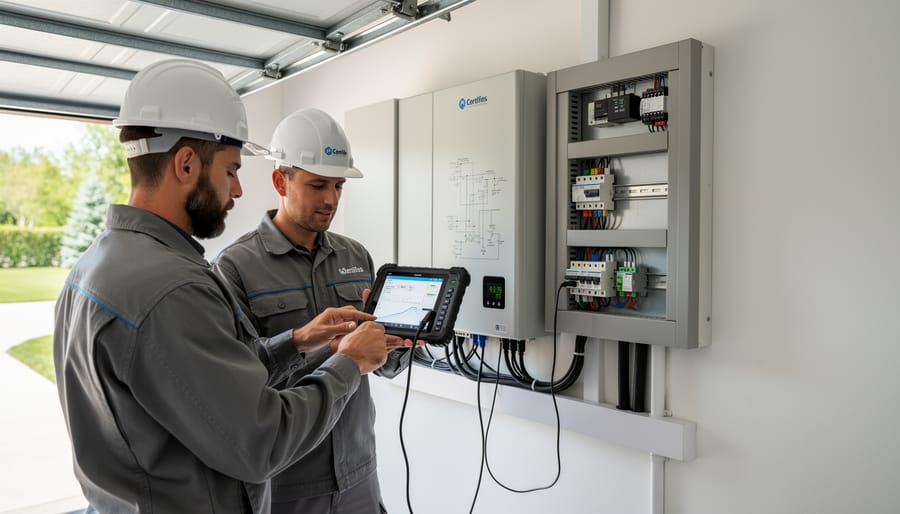
Leading battery storage developers invest heavily in installer certification programs because they know a quality product is only as good as its installation. Think of it this way: even the best battery system won’t perform properly if it’s installed incorrectly. That’s why companies like Tesla, LG, and Enphase require installers to complete rigorous training before they’re authorized to work with their products.
When you choose a certified installer, you’re getting someone who’s been trained on the specific quirks and requirements of your battery system. These professionals understand proper wiring, optimal placement, and how to configure your system for maximum efficiency. This directly translates to better performance and longer equipment life.
Here’s the financial benefit you should know: most manufacturer warranties require installation by certified professionals. Skip this step, and you could void your warranty entirely, leaving you responsible for expensive repairs. Certified installation also means fewer callbacks, better system monitoring, and peace of mind knowing your investment is protected. Simply put, certification programs exist to protect your wallet and ensure you get the full value from your battery storage system.
Software Updates and Remote Monitoring
Your battery’s relationship with its developer doesn’t end at installation. Quality developers continue supporting your system through regular software updates that improve performance, add new features, and optimize how your battery responds to your energy needs. Think of it like your smartphone getting better over time with each update.
Remote monitoring is another valuable service top developers provide. Through cloud-based platforms, they can track your battery’s health, diagnose potential issues before they become problems, and sometimes fix glitches remotely without requiring a service visit. This means fewer headaches for you and lower maintenance costs over your battery’s lifetime.
Many homeowners don’t realize these ongoing improvements are included with their system. For example, developers have pushed updates that enhance charging efficiency during peak solar hours or adjust discharge patterns based on seasonal energy trends. These refinements can translate to real savings on your electricity bills without any effort on your part.
When comparing developers, ask about their track record with software updates and what monitoring capabilities come standard. Companies committed to long-term support demonstrate they stand behind their products well beyond the sale.
What to Ask Before Choosing a Battery System
Before committing to a battery storage system, knowing the right questions to ask can save you thousands and ensure you get the performance you expect. Start by asking which battery developer manufactures the system and how long they’ve been in business. Companies with proven track records tend to offer more reliable support and honor warranties years down the line.
Next, inquire about the warranty details. What exactly does it cover, and for how many years? Some warranties only protect against complete failure, while better ones guarantee a certain percentage of capacity over time. Understanding these terms helps you compare apples to apples between different systems.
Ask about the expected lifespan and how many charge cycles the battery can handle before performance noticeably decreases. This directly impacts your long-term savings, so you’ll want realistic numbers, not just marketing claims.
Don’t forget to ask about integration services. Will the same company handle both installation and ongoing monitoring? Systems that work seamlessly with your existing solar panels and home energy setup deliver better results. Find out if the developer offers monitoring software that lets you track your battery’s performance from your phone.
Finally, request real-world examples of how the battery performs in your climate. Extreme temperatures can affect efficiency, and knowing what to expect ensures no surprises after installation. Ask if they have customers in your area who’ve been happy with their systems. A developer confident in their product will gladly share success stories and provide transparent answers to every question you raise.
Choosing the right battery storage system isn’t just about picking a brand name off a shelf. Understanding who develops these technologies and how they approach quality, innovation, and customer support makes a real difference in what you’ll experience over the next 10 to 15 years. When you know what sets leading developers apart—whether it’s their warranty coverage, proven track record, or commitment to safety standards—you’re empowered to make smarter decisions that protect your investment.
Working with qualified integration partners who understand different developers’ strengths ensures your system is properly matched to your home’s unique energy needs. These professionals can help you avoid common pitfalls and maximize the financial benefits of your solar battery investment. They’ll consider factors like your local climate, energy usage patterns, and long-term goals to recommend the developer whose technology aligns best with your situation.
The bottom line is simple: informed homeowners get better performance, greater savings, and genuine peace of mind. By taking time to understand the landscape of battery storage developers, you’re not just buying equipment—you’re investing in energy independence and a more sustainable future. Don’t hesitate to ask questions, compare options, and seek out installers who prioritize transparency and education throughout your journey toward clean, reliable home energy.