
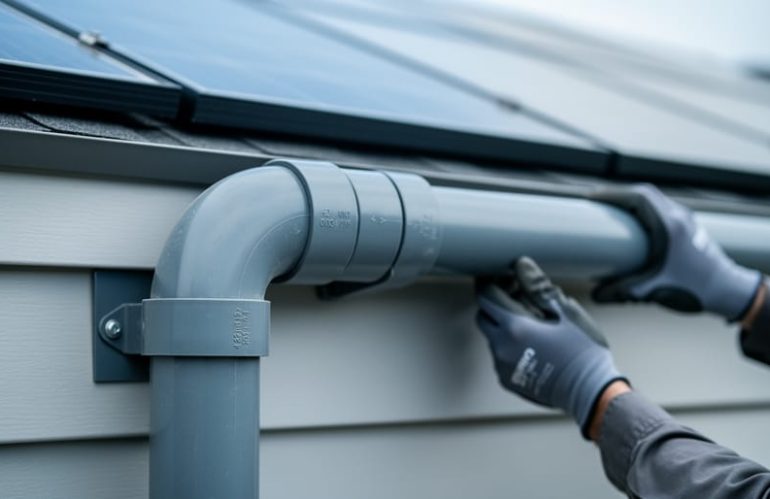
When planning your solar installation, you’ll likely encounter 4-inch PVC electrical conduit on project quotes and code requirement documents. This larger-diameter pipe protects the wiring that connects your solar panels to your home’s electrical system, and understanding when you actually need it can save you from unnecessary expenses while ensuring your system meets safety standards.
Most residential solar installations use 2-inch or 3-inch conduit, but 4-inch becomes necessary when you’re running multiple wire sets or installing larger systems that generate substantial power. The National Electrical Code …
Category: System Enhancement and Upgrades
Opportunities and strategies for improving existing solar installations
Your Solar Panels Could Be Working Harder (Here’s How to Make Them)
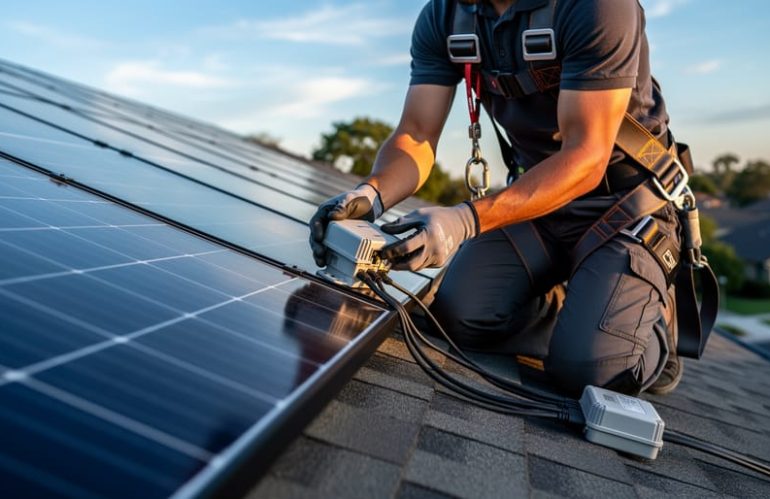
Your solar panels may be underperforming right now, but you don’t need to replace your entire system to fix it. Module-level power electronics (MLPEs) like microinverters and power optimizers can breathe new life into aging solar arrays, boosting energy production by 10-25% without the cost and disruption of a complete overhaul.
These smart upgrades attach to individual panels, eliminating the weak-link problem that plagues traditional string inverters. When one panel underperforms due to shade, debris, or age, it no longer drags down your entire system’s output. Instead, each panel operates independently at peak …
When Your Solar Panels Are Costing You Money (It’s Time to Repower)
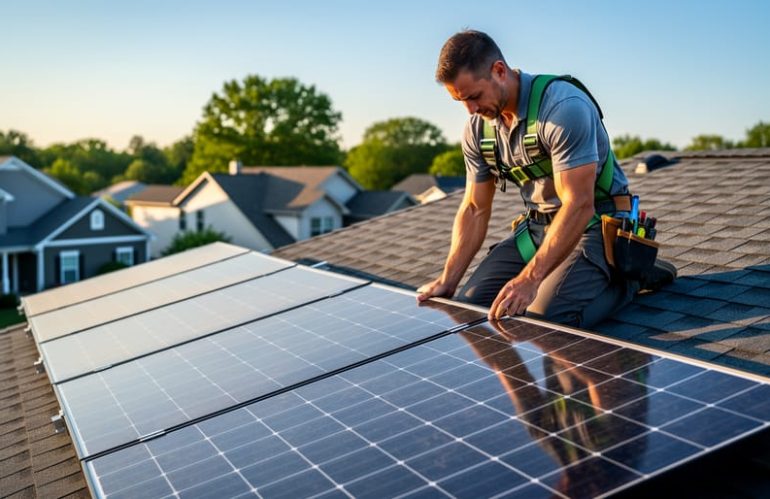
Your solar panels won’t last forever, but you don’t need to panic when they start showing their age. Most residential solar systems begin losing efficiency after 15-20 years, producing 10-20% less electricity than when they were new. If your energy bills have been creeping up or your system isn’t generating what it used to, upgrading might save you more money than you think.
The good news? Modern solar technology has improved dramatically since you first went solar. Today’s panels are more efficient, durable, and affordable than ever before. You have real options beyond replacing everything from scratch, and …
Why Your Solar Installation Could Be Stuck in Line for Years (And What You Can Do About It)
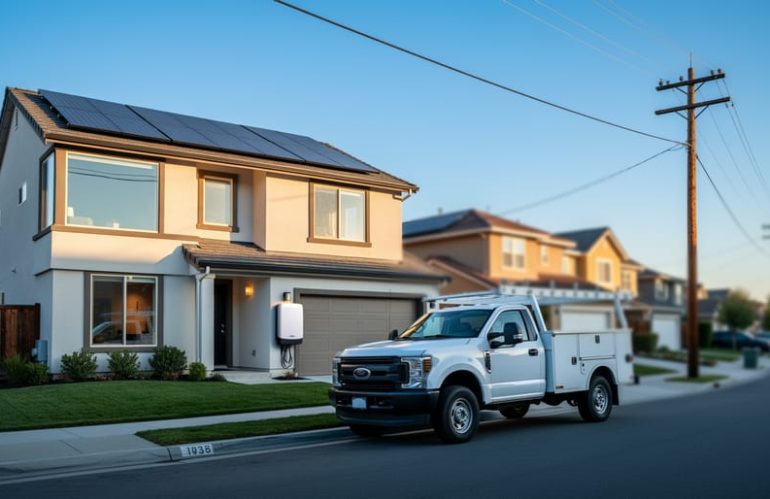
You’ve decided to go solar, submitted your application, and then heard those unexpected words: “You’re in the interconnection queue.” For thousands of homeowners across America, this utility backlog has become the surprising roadblock between signing contracts and flipping the switch on clean energy savings.
The grid interconnection queue is essentially a waiting list maintained by your utility company to review and approve new solar systems connecting to the electrical grid. What once took weeks now stretches into months—sometimes over a year in congested markets—as utilities struggle with unprecedented …
Hackers Are Targeting Your Solar Panels (Here’s How to Stop Them)
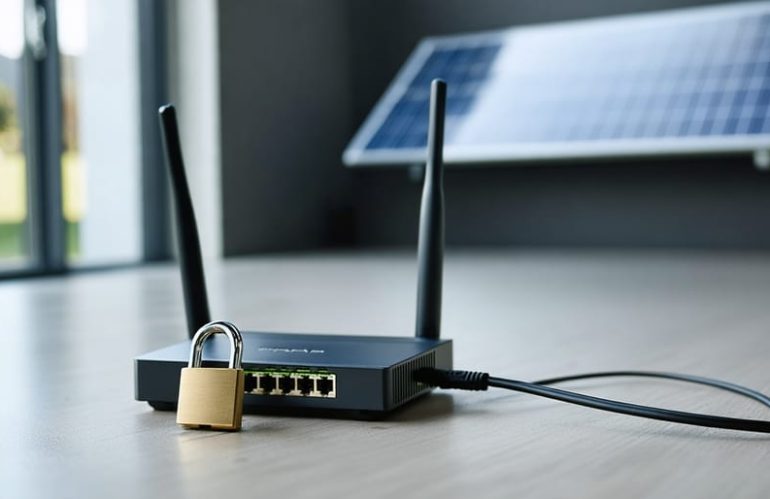
Your solar panels generate clean energy and savings—but they also create a digital doorway into your home. Modern solar systems connect to the internet, allowing you to monitor energy production from your phone and enabling utilities to balance the grid. This connectivity brings incredible convenience, yet it also means your solar investment could become a target for cyber threats if left unprotected.
Cybersecurity hardening transforms your solar system from vulnerable to virtually impenetrable. Think of it as installing deadbolts and security cameras for your digital infrastructure—simple upgrades that dramatically reduce risk…
Smart Buildings That Talk Back: How Grid Interactive Homes Save You Money
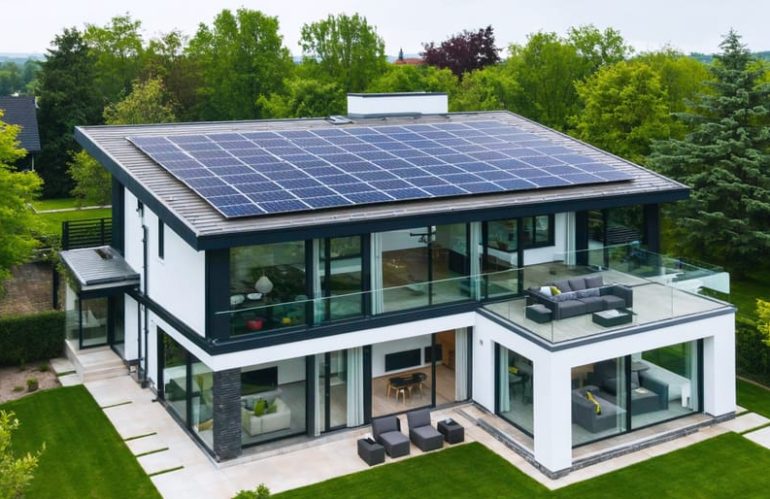
Imagine your building as an active participant in the future of energy – not just consuming power, but dynamically interacting with the electrical grid to create a more sustainable and cost-effective energy system. Grid interactive buildings represent the next evolution in smart architecture, combining advanced automation, renewable energy systems, and real-time grid communication to optimize energy use and reduce costs.
These intelligent structures automatically adjust their energy consumption based on grid conditions, electricity prices, and weather patterns. During peak demand periods, they can reduce their power draw or …
How 3-Hybrid Distance Technology Makes Your Solar System More Reliable
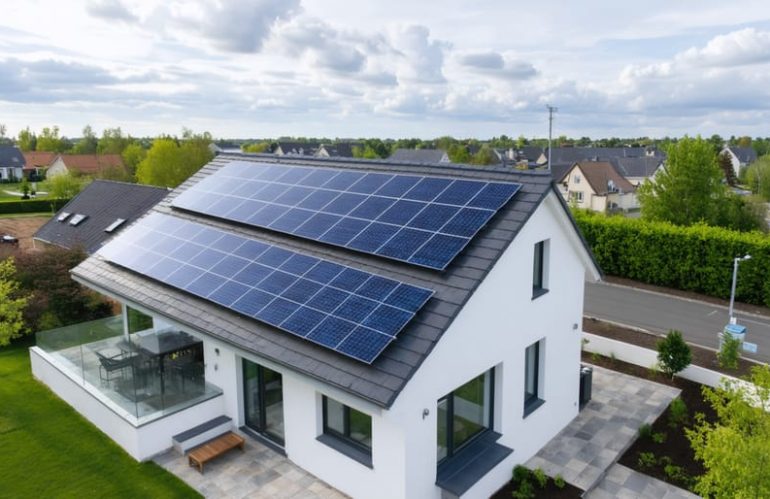
The 3-hybrid distance revolutionizes how homeowners harness and manage solar energy, bridging the gap between traditional grid systems and modern renewable solutions. By combining three distinct power sources – solar panels, battery storage, and grid connectivity – this innovative approach delivers unprecedented reliability and efficiency for residential energy systems. Unlike conventional setups that rely solely on one or two power sources, the 3-hybrid configuration creates a resilient energy triangle that automatically adapts to changing conditions, weather patterns, and household demands.
For homeowners investing in …
Smart Grid Revolution: How Quantum Technology Makes Solar Power More Reliable
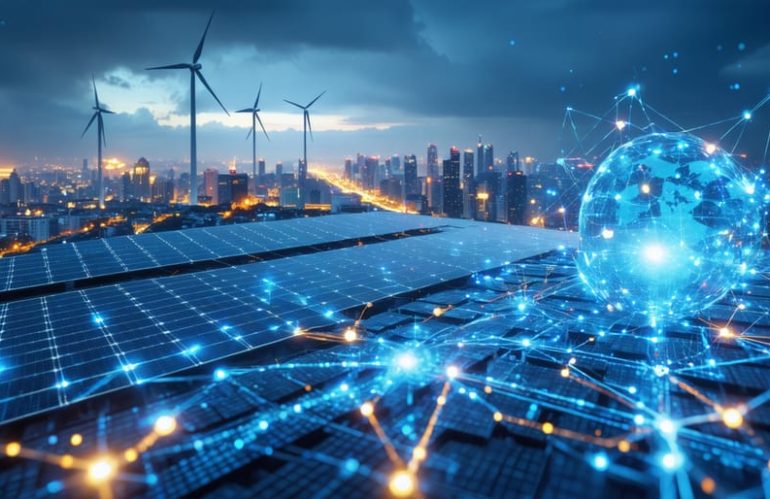
Imagine a power grid that thinks, adapts, and optimizes itself in real-time, operating at the cutting edge of quantum computing and renewable energy. The quantum grid represents the next evolutionary leap in how we distribute, manage, and consume electricity. By harnessing the principles of quantum mechanics, this revolutionary technology promises to transform our aging electrical infrastructure into a highly efficient, self-healing network that can instantly respond to changes in energy demand and supply.
Unlike traditional power grids, quantum grids leverage quantum computing algorithms to process vast amounts of data …
How Hybrid Integrated Circuits Are Revolutionizing Home Solar Systems
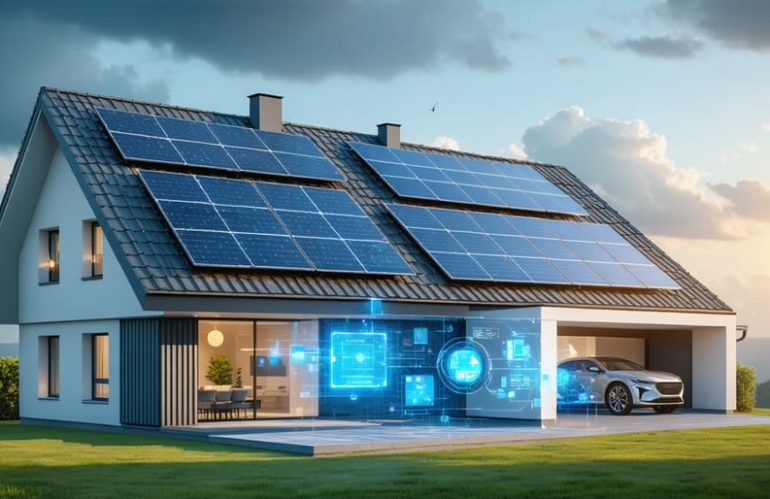
Hybrid integrated circuits represent a groundbreaking fusion of traditional solar technology and smart power management, offering homeowners a more efficient and cost-effective way to harness solar energy. These innovative systems combine the best features of string inverters and microinverters, delivering superior performance while maintaining the reliability that modern households demand.
Unlike conventional solar setups, hybrid integrated circuits enable your solar panels to operate independently while working together as a unified system. This means even if one panel’s performance is compromised by shade or debris, the …
How Microgrid Interconnect Devices Make Your Home Solar System Smarter and More Reliable
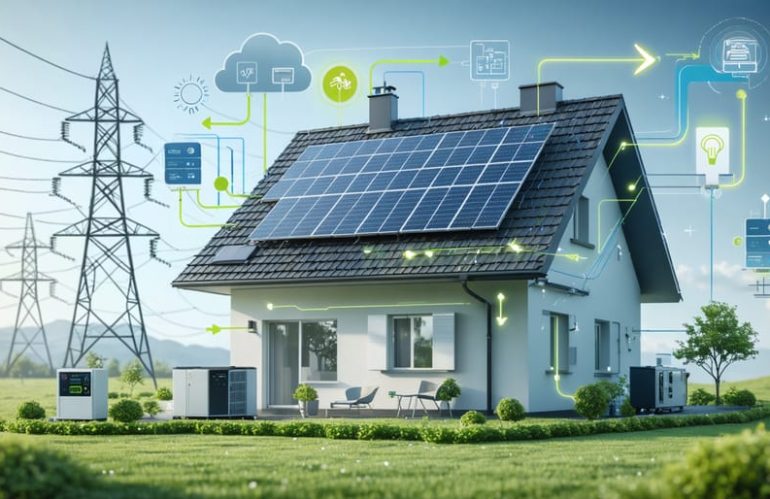
Transform your home’s energy independence with a microgrid interconnect device – the intelligent bridge between your solar power system and the traditional electrical grid. This innovative technology acts as your home’s energy traffic controller, seamlessly managing power flow between your solar panels, battery storage, and utility connection while providing critical backup power during outages. Unlike standard solar inverters, these sophisticated devices enable your home to operate as a self-sufficient power island when needed, while still maintaining the security of grid connection. By automatically optimizing power …