
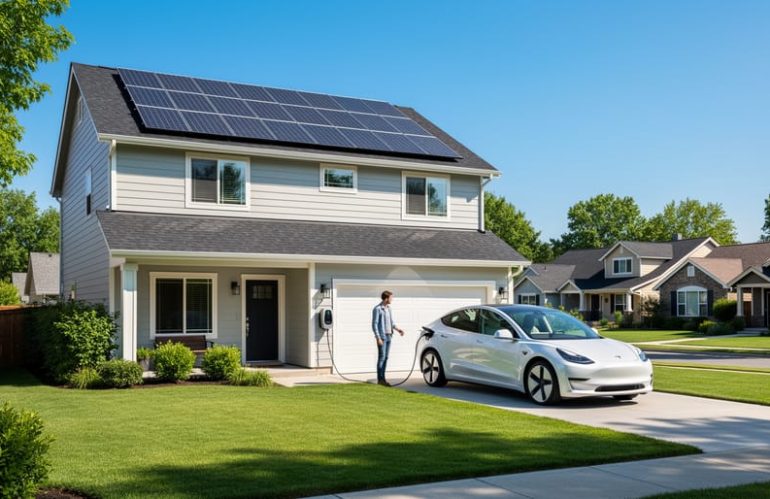
Your solar panels are already generating clean energy, but without proper optimization, you’re likely leaving 15-30% of potential savings on the table. Most homeowners don’t realize their system’s full potential simply because they’re not tracking the right data or adjusting their energy habits accordingly.
Monitor your system’s production patterns during different times of day to identify your peak generation windows—typically 10 AM to 3 PM—then shift high-energy activities like running dishwashers, washing machines, and electric vehicle charging to these hours. This simple timing adjustment means …
Author: richard
Moving With Solar Panels? Here’s What Homeowners Really Need to Know

Moving to a new home doesn’t mean abandoning your solar investment. Review your solar contract immediately to understand whether you have a lease, loan, or own the system outright—this determines your available options. Contact your solar provider at least 60-90 days before listing your property, as most companies offer dedicated transfer departments to facilitate the process smoothly. Request a solar assessment report documenting your system’s performance history, which becomes a valuable selling point that can increase your home’s market value by an average of 4%.
Three primary pathways exist for homeowners …
How Digital Twin Technology Slashes Your Solar Panel Maintenance Bills
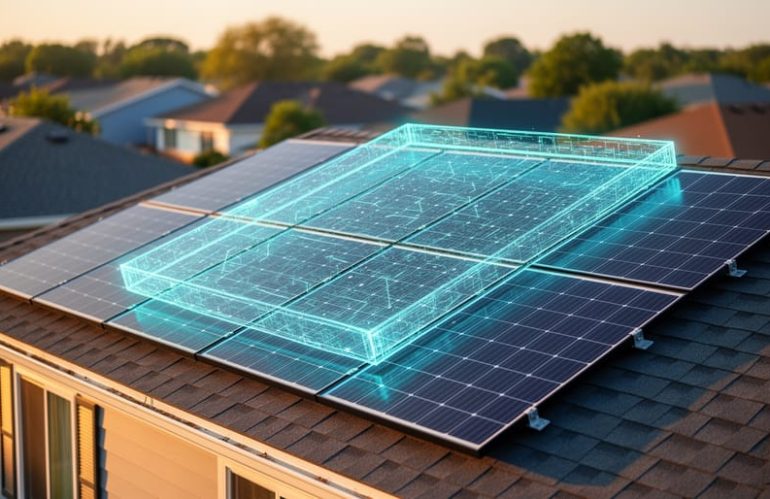
Your solar panels work hard every day generating clean energy and savings, but what if they could tell you exactly when they need attention before problems become expensive repairs? Digital twin technology creates a virtual replica of your solar system that monitors performance in real-time, predicts maintenance needs, and helps you avoid costly breakdowns—potentially saving thousands of dollars over your system’s lifetime.
Think of a digital twin as a health tracker for your solar panels. Just as a fitness watch alerts you to potential health issues before they become serious, a digital twin continuously analyzes your …
How to Pay for Solar Panels in Florida Without Draining Your Savings
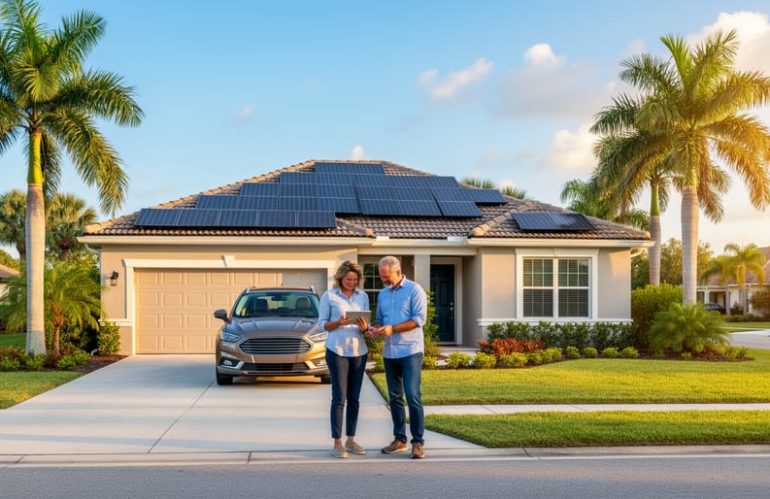
Explore zero-down payment options through solar loans that let you start saving on electricity bills immediately while spreading installation costs over 10-25 years at competitive interest rates. Lock in Florida’s generous net metering program, which credits your account for excess energy your panels produce, effectively turning your electric meter backward during peak sunlight hours. Take advantage of the federal Solar Investment Tax Credit (ITC), which returns 30% of your total installation costs as a direct tax credit—meaning a $20,000 system costs you just $14,000 after your tax refund.
Compare solar leases and Power …
How Community Solar Brings Rooftop Benefits to Homeowners Without the Rooftop

Community solar lets you tap into clean energy without installing a single panel on your roof. Instead of navigating the complexities of rooftop installation, you simply subscribe to a portion of a larger solar array built in your area—often in a nearby field or on a commercial building. Your share of the electricity generated flows directly to your utility bill as credits, typically saving you 5-15% on energy costs each month.
This arrangement solves a frustrating problem: nearly half of American homeowners can’t install traditional rooftop solar due to shading, roof age, rental situations, or homeowner association …
Net Metering Explained: How Your Solar Panels Can Run Your Electric Meter Backwards
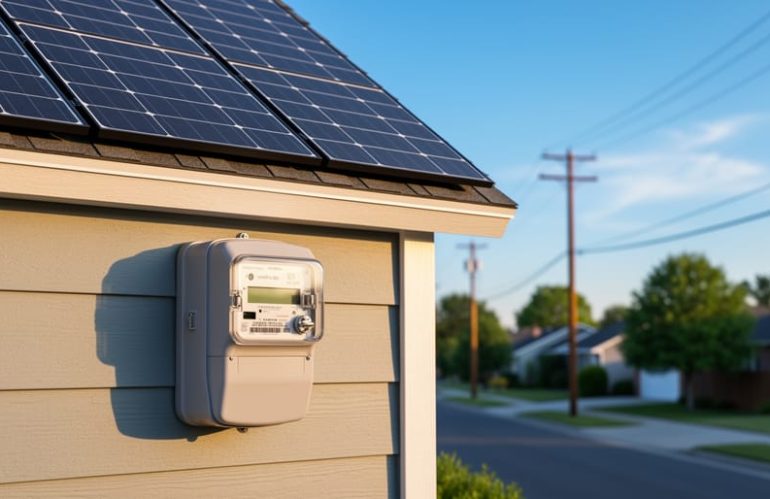
Imagine your electric meter spinning backward on sunny days, crediting your account for the excess solar energy your panels produce. That’s net metering in action—a billing mechanism that transforms your home into a mini power plant while slashing your energy costs. When your solar panels generate more electricity than you use, the surplus flows back to the grid, and your utility company credits your account at the retail rate you normally pay. During evenings or cloudy days when your panels produce less, you draw from these banked credits instead of paying full price for grid electricity. This straightforward exchange means your …
How Smart Monitoring Prevents Home Battery Fires Before They Start
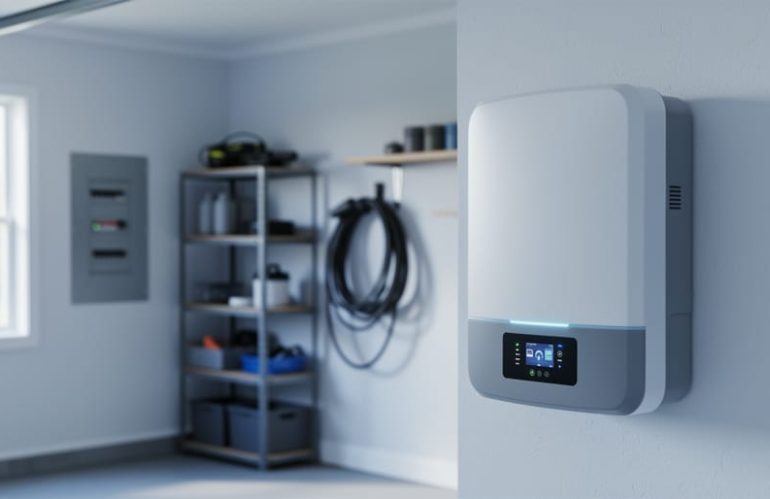
Your home battery system is safer than the smartphone in your pocket. Modern energy storage has evolved light-years beyond the early safety concerns that still dominate online discussions, yet misconceptions persist. If you’ve hesitated to install a battery system because you’ve heard warnings about fire risks or explosions, you’re basing decisions on outdated information that doesn’t reflect today’s technology.
The truth is that contemporary battery systems include multiple layers of protection that continuously monitor temperature, voltage, and performance. These intelligent safeguards detect …
Why Your Solar Customers Leave (And How to Keep Them for Life)
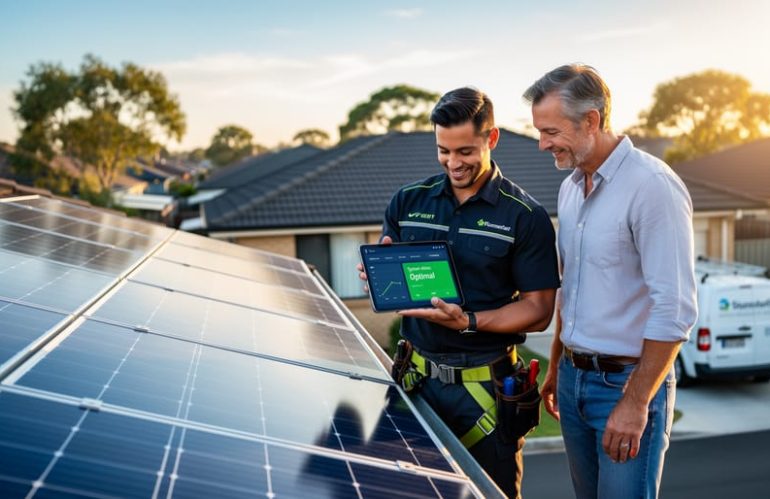
Your solar company’s customer retention program reveals everything about the quality of service you’ll receive—not just during installation, but for the 25+ years your panels will generate power. Companies investing in keeping customers happy typically offer responsive maintenance support, proactive system monitoring, and clear communication about performance and savings. These programs directly impact your wallet: retained customers report 30% fewer system issues and faster resolution times when problems arise.
A strong retention program means your solar provider stays invested in your success long after installation …
How Solar Panels Are Built Into Your Home’s Structure (And Why It Matters)
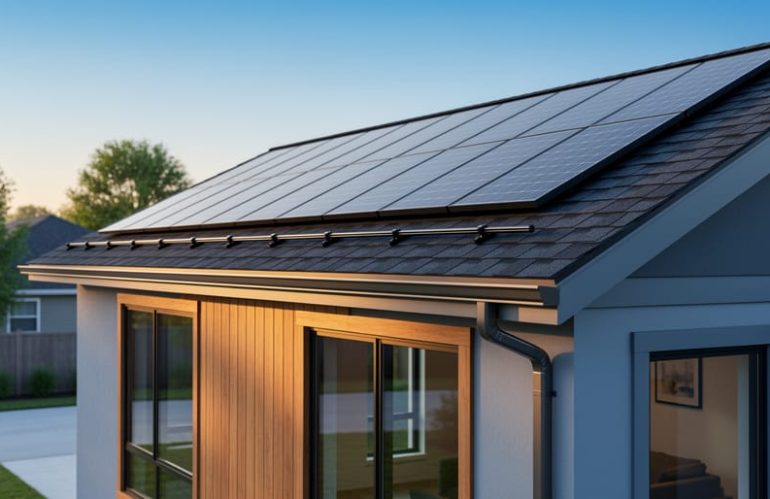
Solar panels transform sunlight into electricity through layers of silicon cells, metal conductors, and protective glass—a surprisingly straightforward construction that’s revolutionizing how American homes generate power. Whether you’re considering a rooftop installation, exploring do-it-yourself options, or evaluating solar-integrated building materials for new construction, understanding how these systems are built demystifies the technology and empowers smarter investment decisions.
Modern solar panel construction has evolved far beyond clunky, inefficient designs. Today’s photovoltaic modules are engineered …
Your Electric Vehicle Can Now Power Your Home (Here’s What You Need to Know)
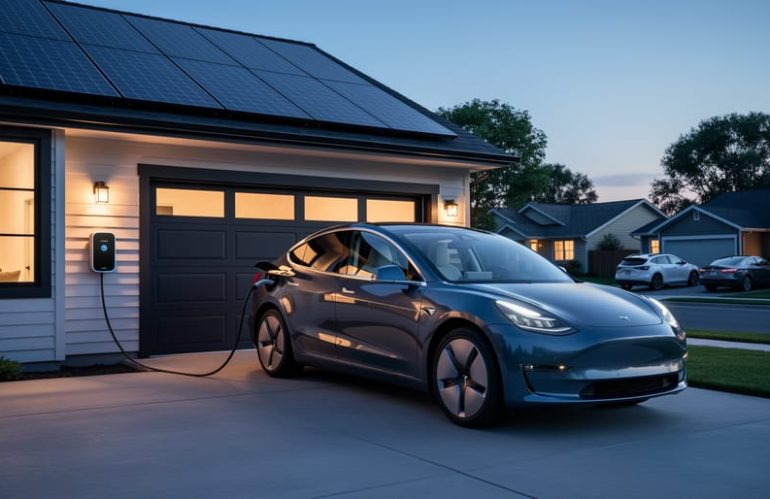
Your electric vehicle can do far more than transport you from place to place—it can become a powerful energy storage system for your entire home. By integrating your EV with your household electrical system, you unlock the ability to draw power from your car’s battery during peak electricity rates, store excess energy from residential solar systems, and keep essential appliances running during outages without investing in expensive standalone battery systems.
Connect your EV to a bidirectional …