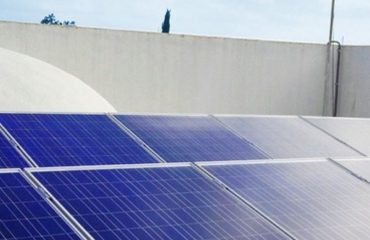
Low-angle close-up of a large-format 72-cell quantum dot-enhanced solar panel array on a suburban rooftop at golden hour, with a subtle iridescent sheen on the cells and blurred rooftops, trees, and clouds behind.

What You Need to Know Before Buying a 72-Cell Quantum Dot Solar Panel

Expect 72-cell solar panels to generate between 350 and 450 watts under standard conditions, with quantum dot-enhanced versions pushing the upper limits of this range. These larger panels pack more power than their 60-cell counterparts, making them ideal for maximizing energy production when roof space isn’t a constraint.

Quantum dot technology represents a genuine leap forward in solar efficiency, not just marketing hype. Traditional silicon panels convert sunlight into electricity at roughly 15-20% efficiency, while quantum dot layers capture previously wasted light wavelengths, boosting output by 5-15% without requiring you to understand complex physics. Think of quantum dots as tiny light catchers that squeeze more energy from every ray of sunshine hitting your roof.

The real question isn’t whether this technology works—it does—but whether the price premium justifies your investment. For most homeowners, the answer depends on three factors: your current electricity costs, available roof area, and local solar incentives. Higher wattage means fewer panels needed to meet your energy goals, potentially reducing installation costs and simplifying your system design.

What makes 72-cell panels particularly attractive is their sweet spot between residential and commercial applications. You get commercial-grade power output scaled for home use, translating to faster payback periods and greater long-term savings. The quantum dot enhancement accelerates these benefits further, capturing energy during cloudy conditions and early morning hours when traditional panels underperform.

Understanding these wattage capabilities empowers you to make informed decisions about your solar investment, cutting through sales pitches to focus on actual financial returns.

What Makes Quantum Dot Solar Cells Different from Traditional Panels

The Nano-Power Advantage in Your Backyard

Think of traditional solar panels like a fishing net with large holes—they catch some of the sun’s energy, but plenty slips right through. Quantum dot technology is like switching to a net with adjustable mesh sizes that can capture fish of all different shapes and sizes. These microscopic particles, called quantum dots, can be tuned to absorb different wavelengths of light that regular silicon cells miss entirely.

Here’s what that means for your home: a standard 72-cell panel typically produces between 350-400 watts. Quantum dot-enhanced panels can boost that output by 15-30%, potentially reaching 450-520 watts from the same physical footprint. That’s like getting an extra panel’s worth of power without using any additional roof space.

The beauty of this technology lies in its simplicity. Quantum dots work like tiny energy converters, taking light that would normally turn into wasted heat and transforming it into usable electricity instead. They’re particularly effective during cloudy days and early morning or late afternoon hours when traditional panels struggle.

For your wallet, this efficiency gain translates directly into savings. If you need 10 kilowatts of power, you might install 28 quantum dot panels instead of 33 traditional ones. That’s fewer panels to buy, less installation labor, and more available roof space for future expansion or other uses. Over a 25-year lifespan, that efficiency boost can mean thousands of dollars in additional energy bill savings—all while taking up less of your roof.

Close-up of quantum dot solar panel cells showing iridescent coating
Quantum dot solar cells feature advanced nano-particle coatings that capture more light spectrum than traditional panels.

72-Cell Solar Panel Wattage: What the Numbers Really Mean

Breaking Down the Power Output

Modern 72-cell solar panels equipped with quantum dot technology typically produce between 380 and 450 watts of power under ideal conditions. This represents a significant jump from older panel generations, which often maxed out around 350 watts. The extra power per panel means you’ll need fewer panels on your roof to meet your energy goals, saving both space and installation costs.

Several factors influence how much electricity your panels will actually generate. The amount of direct sunlight your roof receives is the biggest player. Homes in sunny states like Arizona or California will see higher output than those in cloudier regions. The angle and direction of your roof matter too. South-facing roofs at the optimal tilt squeeze the most power from each panel. Temperature also plays a role, though this surprises many homeowners. Solar panels actually perform slightly better on cool, sunny days than scorching hot ones.

Shading is another consideration. Even partial shade from a tree or chimney can reduce output, though modern systems often include optimizers to minimize this impact.

Calculating your panel needs is simpler than you might think. Start by checking your electric bill to find your average monthly kilowatt-hour usage. Most American homes use between 800 and 1,000 kilowatt-hours per month. Divide this number by 30 to get your daily usage, then divide again by the peak sun hours your location receives, typically 4 to 6 hours depending on where you live. Finally, divide that result by your panel’s wattage (let’s say 400 watts, or 0.4 kilowatts).

For example, if you use 900 kilowatt-hours monthly in an area with 5 peak sun hours, you’d need approximately 15 panels. The higher wattage of quantum dot panels means you’ll likely need fewer panels than your neighbor who installed traditional technology just a few years ago.

Why 72-Cell Quantum Dot Panels Might Be Perfect for Your Home

More Power, Less Space on Your Roof

Here’s the good news: when your solar panels generate more power per panel, you need fewer of them to meet your energy needs. This is one of the biggest advantages of high-wattage 72-cell panels, especially those enhanced with quantum dot technology.

Think about it this way. A standard 72-cell panel might produce 350 watts, while a quantum dot-enhanced version could generate 400 watts or more from the same physical footprint. That 50-watt difference might not sound like much, but it adds up quickly. If you need 7,000 watts of solar capacity for your home, you’d need 20 standard panels versus just 17 or 18 quantum dot panels. That’s two to three fewer panels taking up valuable roof space.

This matters for several practical reasons. First, not every home has unlimited south-facing roof area. Maybe you have skylights, chimneys, or vents that limit installation space. Higher efficiency panels let you maximize the space you do have available. Second, fewer panels often mean lower installation costs since there’s less hardware, mounting equipment, and labor involved. Third, many homeowners simply prefer a cleaner, less cluttered roofline.

The aesthetic benefit shouldn’t be overlooked either. A streamlined solar array with fewer panels looks more integrated into your home’s design rather than dominating the entire roof. You’re still getting the power you need while maintaining your home’s curb appeal. It’s a win-win that makes going solar even more attractive for homeowners who’ve been on the fence about aesthetics.

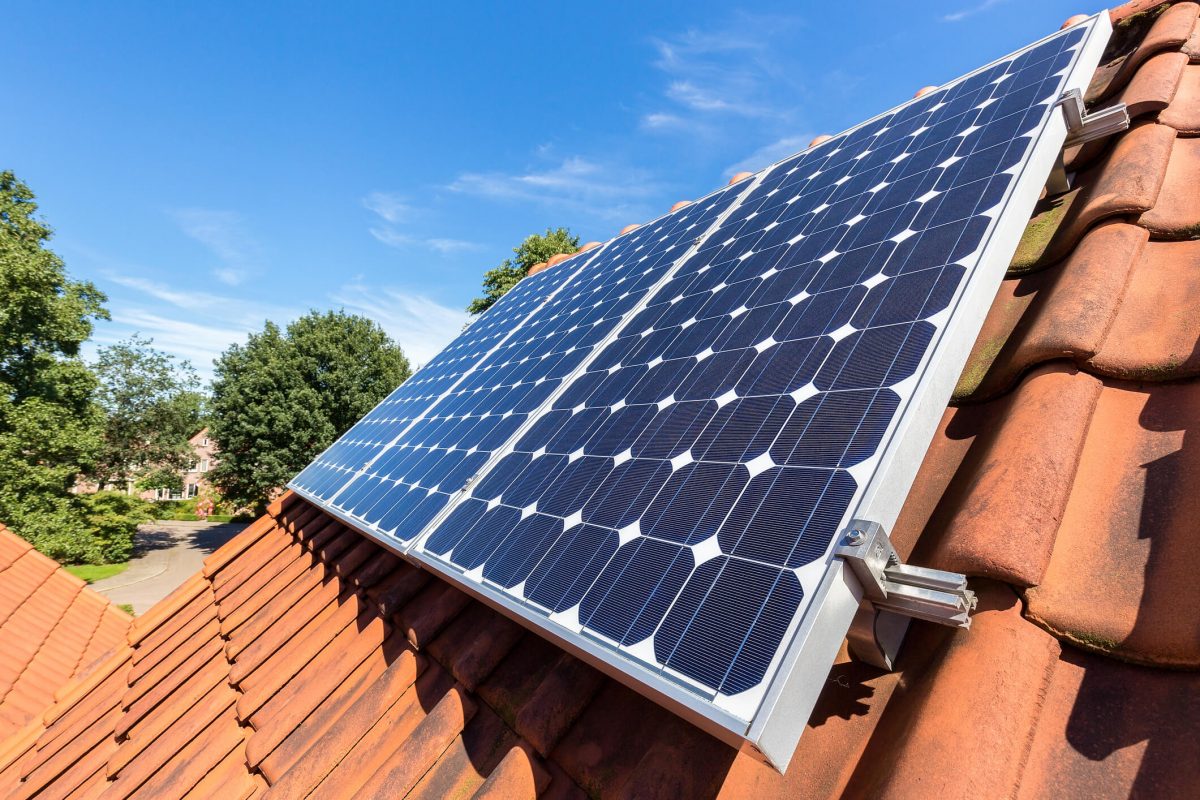
Aerial view of suburban home with solar panels installed on residential roof
A typical residential installation with 72-cell panels demonstrates efficient roof space utilization for maximum energy production.

Performance That Pays Off Year After Year

When you invest in 72-cell quantum dot solar panels, you’re not just buying energy for today—you’re securing decades of reliable performance. These panels excel where traditional silicon struggles, particularly in real-world conditions that affect your daily electricity production.

One standout advantage is low-light performance. Cloudy mornings and overcast afternoons don’t halt energy generation like they might with conventional panels. Quantum dot technology captures a broader spectrum of light, meaning you’ll generate meaningful power even when the sun isn’t shining at full strength. This translates to more kilowatt-hours accumulated over each billing cycle.

Temperature tolerance is another game-changer. Traditional solar panels lose efficiency as they heat up on scorching summer days—sometimes dropping 10-15% below their rated capacity. Quantum dot panels maintain more consistent output in high temperatures, protecting your investment during peak energy demand periods when electricity rates climb highest.

Perhaps most impressive is the degradation rate. While standard panels lose approximately 0.5-0.8% efficiency annually, quantum dot panels demonstrate slower degradation patterns. Over a 25-year lifespan, this difference compounds significantly. You could retain 90% or more of original capacity when conventional panels might drop to 80-85%.

These advanced efficiency innovations mean predictable savings year after year. Your payback period remains stable, and your return on investment keeps growing. Better performance today equals bigger financial benefits tomorrow—a straightforward equation that makes sense for your wallet and the environment.

The Real Cost vs. Savings Equation

What to Expect in Your Wallet

Let’s talk real numbers, because your solar investment should make sense for your budget. A typical 72-cell solar panel system for an average home (around 20-25 panels) costs between $15,000 and $25,000 before incentives. Yes, that’s a significant upfront investment, but here’s where it gets interesting.

The federal solar tax credit currently covers 30% of your installation costs. On a $20,000 system, that’s $6,000 back in your pocket come tax time. Many states offer additional rebates and incentives that can reduce your costs by another $1,000 to $3,000. Some utility companies even provide performance-based incentives that pay you for the energy your panels produce.

Now for the monthly savings. A typical household using 72-cell panels generating 350-400 watts each can expect to offset 70-100% of their electricity bill. If you’re currently paying $150 per month for electricity, that translates to $1,800 annually. Over the 25-year lifespan of your panels, you’re looking at $45,000 in savings, and that’s assuming energy prices stay flat (spoiler: they won’t).

Most homeowners see their system pay for itself in 6-10 years. After that breakeven point, you’re essentially generating free electricity for the next 15-19 years. Think of it like prepaying your electric bill for 25 years at today’s rates while everyone else deals with annual price increases.

Plus, studies show that solar panels increase home values by an average of $15,000. You’re not just saving money; you’re building equity in your home while doing something good for the planet.

Homeowner couple standing proudly in front of their solar-powered home
Homeowners who invest in quantum dot solar technology often see significant long-term energy savings and increased property value.

Common Myths About Quantum Dot Solar Panels

Despite the exciting potential of quantum dot technology in 72-cell solar panels, several misconceptions may hold homeowners back from considering this option. Let’s clear up the most common myths with facts that reflect real-world performance and experiences.

Myth 1: Quantum dot panels are too experimental for home use. Reality check: while quantum dot technology is among the emerging solar technologies, it has already undergone rigorous testing and certification. Current installations show reliability rates comparable to traditional panels, with warranties typically matching or exceeding standard 25-year guarantees. Homeowners in test markets report consistent performance even after several years of operation.

Myth 2: The cost is prohibitively high. While quantum dot panels initially carried a premium price tag, manufacturing improvements have significantly reduced costs. Many homeowners find that the higher efficiency means they need fewer panels to meet their energy needs, which can offset the price difference. Federal tax credits and state incentives apply equally to quantum dot systems, making them more accessible than many people realize.

Myth 3: They won’t work in typical home conditions. Quantum dot panels actually perform better than conventional panels in less-than-ideal situations. They capture a broader spectrum of light, meaning they generate more power on cloudy days and in low-light conditions. Homeowners in northern climates and areas with frequent overcast weather often see particular benefits.

Myth 4: Installation and maintenance are complicated. The truth is refreshingly simple: quantum dot panels install exactly like traditional panels using standard mounting systems. Your existing roof structure likely needs no modifications, and maintenance requirements remain minimal—occasional cleaning and annual inspections, just like any solar installation. Local solar installers are increasingly familiar with this technology, making professional support readily available.

72-cell quantum dot solar panels represent an exciting step forward in home energy solutions, offering enhanced wattage output that translates directly into greater savings on your electricity bills. With typical wattages ranging from 350 to 450 watts per panel, these advanced systems can generate more power from the same rooftop space compared to traditional panels. The quantum dot technology works quietly behind the scenes, capturing a broader spectrum of sunlight to maximize your energy production throughout the day.

For homeowners committed to sustainable living, this technology offers a practical path toward energy independence without requiring a complete lifestyle overhaul. The improved efficiency means you can potentially achieve your energy goals with fewer panels, and the long-term financial benefits make the initial investment increasingly worthwhile as utility rates continue to rise.

Ready to explore whether quantum dot solar panels are the right fit for your home? The best next step is scheduling a personalized solar assessment. A qualified installer can evaluate your roof’s potential, calculate your specific savings, and design a system tailored to your household’s energy needs and budget. Taking action today puts you one step closer to cleaner energy and meaningful cost savings for years to come.

You may also like...

Popular Posts

Leave a Reply

Your email address will not be published. Required fields are marked *