No, lead-acid and lithium batteries are completely different technologies, and understanding the distinction could save you thousands of dollars while helping you choose the right energy storage solution for your home.
Lead-acid batteries, the century-old technology found in most cars, use lead plates submerged in sulfuric acid to store electricity. Lithium batteries, the newer technology powering everything from smartphones to electric vehicles, rely on lithium-ion chemistry to store energy more efficiently in a lighter, more compact package.
The confusion is understandable since both can power your home’s solar energy system, but they perform very differently. Lead-acid batteries typically cost less upfront, ranging from $200 to $800 per kilowatt-hour, making them attractive for budget-conscious homeowners. However, lithium batteries deliver three to five times longer lifespan, often lasting 10-15 years compared to lead-acid’s 3-5 years, ultimately providing better long-term value despite higher initial costs of $400 to $1,200 per kilowatt-hour.
For homeowners evaluating solar storage options, the choice between these technologies impacts your electricity bills, maintenance requirements, available space, and environmental footprint. Lithium batteries offer 95% efficiency and require virtually no maintenance, while lead-acid batteries deliver only 80-85% efficiency and need regular water top-ups and ventilation. Understanding these practical differences empowers you to make an informed decision aligned with your financial goals and sustainability values.
Understanding the Two Battery Types: Lead-Acid vs. Lithium
What Lead-Acid Batteries Really Are
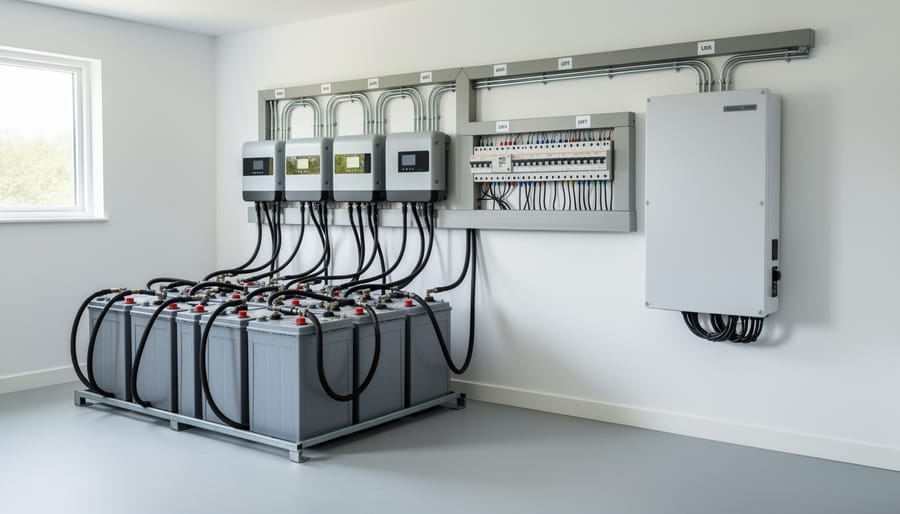
Lead-acid batteries have been the workhorse of energy storage for over 160 years, making them one of the oldest rechargeable battery technologies still in use today. These batteries work through a straightforward chemical reaction between lead plates and sulfuric acid to store and release electricity. You’ll find them in most car engines, where they provide that essential starting power, as well as in golf carts, backup power systems, and some older solar setups. Their long history means the technology is well-understood, widely available, and initially affordable. However, being an older technology also means lead-acid batteries come with limitations that newer options have addressed. They’re heavier, require regular maintenance in many cases, and don’t last as long through repeated charging cycles compared to modern alternatives. While they’ve served us reliably for generations, understanding what they are helps you see why homeowners exploring energy storage today often consider newer technologies for their homes.
What Lithium Batteries Bring to the Table
Lithium batteries have become the go-to choice for modern home solar systems, and for good reason. Unlike their lead-acid predecessors, lithium batteries pack more energy into a smaller, lighter package. They charge faster, work efficiently in various temperatures, and don’t require the regular maintenance that lead-acid batteries need. You won’t find yourself checking water levels or worrying about ventilation issues. Most homeowners appreciate that lithium batteries can use up to 90% of their stored energy, compared to just 50% with lead-acid options. This means you’re getting nearly double the usable power from the same battery capacity. Different lithium battery types offer various benefits, but they all share these core advantages that make home solar storage more practical and reliable than ever before.
The Real Cost Comparison: Initial Investment vs. Long-Term Value
What You’ll Pay Upfront
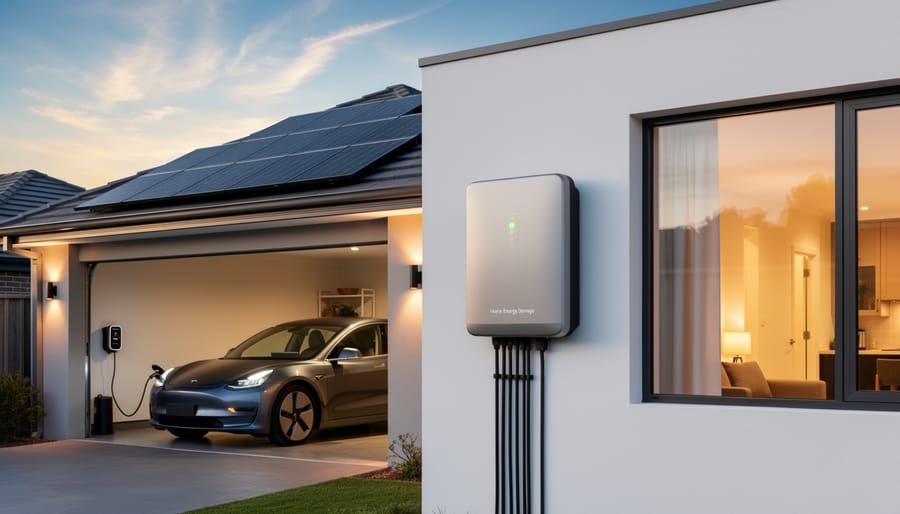
Let’s talk dollars and cents. When you’re shopping for battery storage, you’ll notice lead-acid batteries appear significantly cheaper at checkout. A typical lead-acid battery system might cost you $200-$400 per kilowatt-hour of storage capacity, while lithium batteries run $500-$1,000 per kilowatt-hour. That’s why lithium batteries cost more initially, sometimes two to three times as much.
Here’s the thing: upfront sticker price doesn’t tell the whole story. Installation complexity matters too. Lead-acid batteries often require ventilation systems and more robust mounting because they’re heavier. This can add to your solar installation costs. Lithium batteries are lighter and more compact, sometimes offsetting their higher price tag with simpler installation.
Think of it like buying a car. The base model costs less upfront, but the premium model with better fuel efficiency might save you more over time. We’ll explore those long-term savings next.
The Lifetime Math That Changes Everything
Here’s where the numbers get really interesting. A typical lead-acid battery lasts 3-5 years with regular use, while a lithium battery can power through 10-15 years or even longer. That difference completely changes your financial picture.
Let’s break down what this means for your wallet. Say you invest in a lead-acid system for $3,000. Sounds reasonable, right? But over 15 years, you’ll likely replace those batteries three to four times. That’s $9,000 to $12,000 in total battery costs, plus installation fees each time.
Now compare that to a lithium system that might cost $7,000 upfront. It seems pricier initially, but that same battery could last the entire 15-year period without replacement. You save thousands over time and avoid the hassle of multiple installations.
The math gets even better when you factor in efficiency. Lithium batteries charge and discharge more effectively, meaning you get more usable energy from the same system size. Over a decade, that efficiency translates to lower electricity bills and greater energy independence.
Think of it like buying a quality appliance. You can purchase a cheap refrigerator every few years, or invest in a reliable one that lasts decades. The upfront cost stings less when you realize you’re done spending.
For most homeowners planning to stay in their homes long-term, lithium batteries deliver significantly better value. The initial investment pays for itself through longevity, reduced maintenance, and better performance, making it the smarter financial choice for sustainable living.
Performance That Affects Your Daily Life
How Much Energy You Can Actually Use
Think of your battery capacity like a fuel tank. With lead-acid batteries, you can only safely use about half of what’s stored before needing to recharge. If you have a 10 kWh lead-acid battery, you’re really only working with 5 kWh of usable power for your home.
Lithium batteries change this game completely. You can tap into 80-90% of their stored energy without causing damage. That same 10 kWh lithium battery gives you 8-9 kWh of actual power to run your appliances, lights, and devices.
Here’s what this means in real terms: a lithium battery can power your refrigerator, TV, and lights through an evening blackout, while a lead-acid battery of the same size might only keep your essentials running for a couple hours. This difference isn’t about fancy technology, it’s about getting the energy you paid for when you need it most. You’re essentially getting nearly twice the practical storage capacity from lithium, which translates directly into more backup power during outages and better value for your investment in home energy independence.
Charging Speed and Efficiency
Lithium batteries charge significantly faster than lead-acid batteries, typically reaching full capacity in 2-4 hours compared to 8-12 hours for lead-acid. This speed advantage means your battery can capture more solar energy during peak sunlight hours and recharge quickly after overnight use. For homeowners, this translates to better preparedness during cloudy stretches when sunlight is limited.
Lithium batteries also maintain higher charging efficiency, storing 95-98% of incoming solar energy versus 80-85% for lead-acid. You’ll capture nearly every ray of sunshine rather than losing precious energy as heat. This efficiency becomes crucial during winter months or extended overcast periods when every bit of solar production counts.
When it comes to battery system configurations, faster charging means lithium batteries can cycle multiple times per day if needed, making them ideal for backup power situations. Lead-acid batteries require longer rest periods between charges, potentially leaving you vulnerable during emergencies.
Space Requirements in Your Home
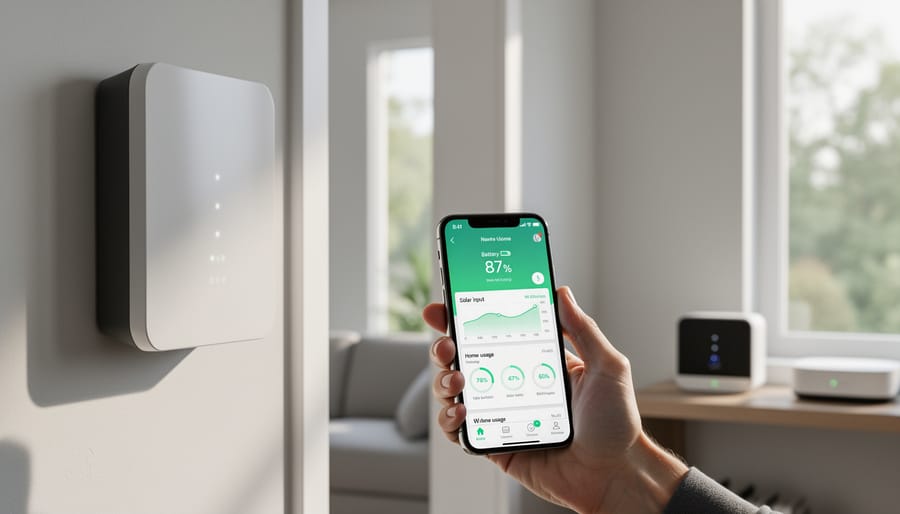
Here’s some good news if you’re tight on space: lithium batteries are significantly more compact than their lead-acid counterparts. A lithium battery can be up to 60% smaller and lighter while storing the same amount of energy. This size difference is a game-changer for homeowners.
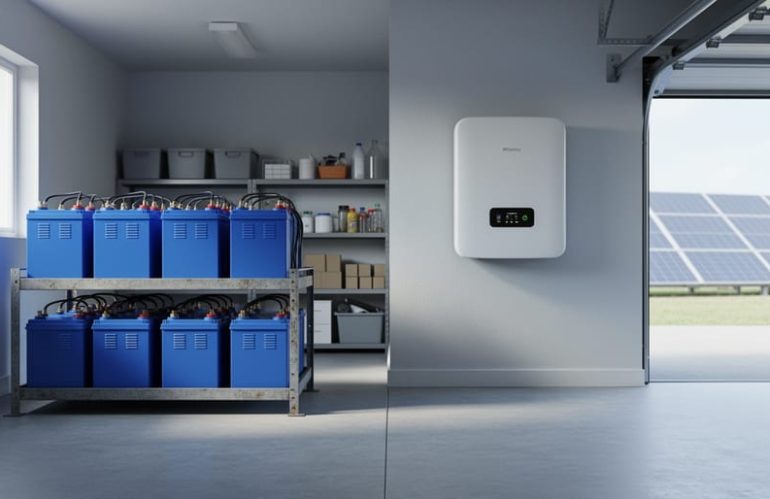
In practical terms, a typical home energy storage system using lead-acid batteries might require a dedicated corner of your garage or a substantial wall-mounted setup in your basement. The same capacity in lithium batteries could fit in a much smaller footprint, perhaps freeing up valuable storage space for your tools or holiday decorations.
For outdoor installations, the smaller lithium footprint means easier mounting options and less visual impact on your home’s exterior. Lead-acid batteries also need proper ventilation due to gas emissions during charging, which can complicate indoor placement. Lithium batteries don’t have this issue, giving you more flexibility in where you install them. If you’re working with limited square footage or want to keep your living spaces uncluttered, lithium’s compact design offers a clear advantage without sacrificing the power you need.
Lifespan and Maintenance: What You’re Actually Signing Up For
Expected Years of Service
When comparing how long these batteries will serve you, lithium comes out significantly ahead. Think of it like comparing a disposable camera to a digital one – both take pictures, but one keeps going much longer.
Lead-acid batteries typically last 3-5 years with proper maintenance. They can handle about 500-1,000 charge cycles (a cycle means charging up and draining down). If you use your battery backup daily, that translates to roughly 1-3 years of reliable service. Beyond that, their performance drops noticeably, and you’ll need a replacement.
Lithium batteries, on the other hand, are built for the long haul. Most quality lithium systems last 10-15 years and can handle 3,000-5,000 cycles or more. Some newer models even push beyond 6,000 cycles. For daily use, this means a decade or more of dependable power storage.
Here’s the practical takeaway: while you might buy three or four lead-acid batteries over fifteen years, you’d likely only need one lithium system for that same period. This longevity difference dramatically changes the cost picture over time, often making lithium the more economical choice despite its higher upfront price. Plus, you’ll save yourself the hassle of multiple replacements and disposal headaches.
The Maintenance Reality
Here’s the reality: lead-acid batteries need regular attention, while lithium batteries pretty much take care of themselves.
If you choose lead-acid, plan to check water levels every one to three months, especially in warmer climates where evaporation happens faster. You’ll need to add distilled water when levels drop, and keep the terminals clean to prevent corrosion buildup. Think of it like checking your car’s oil—not difficult, but easy to forget. They also need proper ventilation since they release hydrogen gas during charging, which means you can’t just stick them anywhere.
Lithium batteries are the set-it-and-forget-it option. They’re sealed units that don’t require water checks, terminal cleaning, or special ventilation. Your battery management system handles everything electronically, monitoring performance and protecting against overcharging without any effort on your part.
The practical difference? Lead-acid demands about an hour of your time every few months, while lithium needs essentially zero maintenance for its entire lifespan. For busy homeowners, that maintenance-free operation translates to real peace of mind and one less thing on your to-do list.
Environmental Impact: Walking the Talk on Sustainability
If you’re committed to reducing your environmental footprint, the battery technology you choose matters more than you might think. Let’s clear up a common misconception: while neither battery type is perfect, lithium and lead-acid batteries have vastly different environmental profiles.
Lead-acid batteries have been around for over 160 years, and the industry has developed robust recycling infrastructure. In fact, they’re one of the most recycled products globally, with recycling rates exceeding 95% in many countries. That’s the good news. The challenge? Manufacturing lead-acid batteries requires significant amounts of lead and sulfuric acid, both of which carry environmental and health concerns. Additionally, their lower efficiency means more energy gets wasted as heat during charging and discharging cycles.
Lithium batteries shine when it comes to operational efficiency. They convert and store energy more effectively, meaning less waste during daily use. Over their lifetime, this efficiency translates to a smaller overall carbon footprint despite the energy-intensive mining required for lithium, cobalt, and other materials. The typical lithium battery lasts two to three times longer than lead-acid, which means fewer replacements and less manufacturing impact over time.
The recycling story for lithium batteries is still being written. While programs are developing rapidly, current recycling rates lag behind lead-acid. However, as adoption increases, so does investment in recycling infrastructure.
Here’s the bottom line for eco-conscious homeowners: lithium batteries generally offer better long-term environmental benefits through superior efficiency and longevity, despite current recycling challenges. When paired with solar panels, you’re maximizing clean energy use while minimizing waste. Consider it an investment in both your home’s energy independence and the planet’s future.
Which Battery Makes Sense for Your Home?
Choosing the right battery comes down to four key factors that matter most to your home and wallet.
Start with your budget. If upfront cost is your main concern and you need basic backup power occasionally, lead-acid might work for now. You’ll find reliable systems starting around $200-300 per kilowatt-hour. However, if you can stretch your budget to $400-600 per kilowatt-hour upfront, lithium batteries actually cost less over time because they last three times longer and require virtually no maintenance.
Next, consider your energy needs. Do you want to power your entire home during outages or just keep the essentials running? Lithium batteries deliver more usable energy from a smaller package, making them ideal if you need substantial power or have ambitious energy goals. Lead-acid works fine for lighter, intermittent use like occasional backup power.
Space matters too. Lithium batteries take up about half the space of lead-acid systems with the same capacity. If your garage, basement, or utility area is tight, this difference becomes significant.
Think about your long-term plans. Staying in your home for ten-plus years? Lithium batteries pay for themselves through longevity and efficiency, typically lasting 10-15 years versus 3-5 years for lead-acid. Planning to move sooner? Lithium systems add more resale value since buyers appreciate modern, low-maintenance technology.
The truth is, most homeowners today find lithium batteries the smarter investment despite higher initial costs. They’re simply more practical for daily solar energy storage, require less babysitting, and deliver better long-term value. Lead-acid makes sense primarily when budget constraints are absolute or your needs are genuinely minimal and temporary.
To wrap things up, lead-acid and lithium batteries are fundamentally different technologies, each with its own strengths and considerations. Lead-acid batteries offer a lower upfront cost and familiarity, making them attractive if you’re working with a tight initial budget. Lithium batteries, while more expensive at the start, deliver better performance, longer lifespan, and lower maintenance requirements that often result in greater savings over time.
Your decision should reflect what matters most to you. If minimizing your initial investment is the priority, lead-acid might be the right fit. If you’re looking at the bigger picture with long-term savings, efficiency, and environmental benefits in mind, lithium batteries typically deliver more value. Consider your energy needs, available space, budget flexibility, and how long you plan to stay in your home.
The good news is that both options can support your journey toward energy independence and lower electricity bills. By understanding these key differences, you’re empowered to choose the battery technology that truly aligns with your financial goals and sustainability values. Take your time, compare the total cost of ownership, and select the solution that works best for your unique situation.