Imagine your solar panels continuing to power your home even when your traditional inverter fails—that’s the promise of wireless power inverter technology. Unlike conventional inverters that require hardwired connections to transfer electricity from your solar panels to your home, wireless systems use advanced electromagnetic coupling to transmit power without physical cables. This breakthrough isn’t science fiction; it’s already transforming how homeowners approach energy resilience during grid outages and equipment failures.
The technology works by converting DC power from your solar panels into AC electricity through contactless energy transfer, similar to how your smartphone charges wirelessly but on a much larger scale. For homeowners worried about inverter replacement costs or system downtime, wireless inverters offer a compelling advantage: fewer connection points mean fewer potential failure spots. Early adopters report faster installation times and reduced maintenance needs compared to traditional wired systems.
While wireless power inverters currently cost 15-20% more upfront than standard models, they’re proving valuable for homes in areas prone to severe weather or those seeking maximum system reliability. Understanding whether this emerging technology fits your specific energy goals and budget requires looking beyond the initial price tag to consider long-term resilience benefits and potential savings from reduced service calls.
What Is a Wireless Power Inverter?
Breaking Down the Technology (Without the Tech Talk)
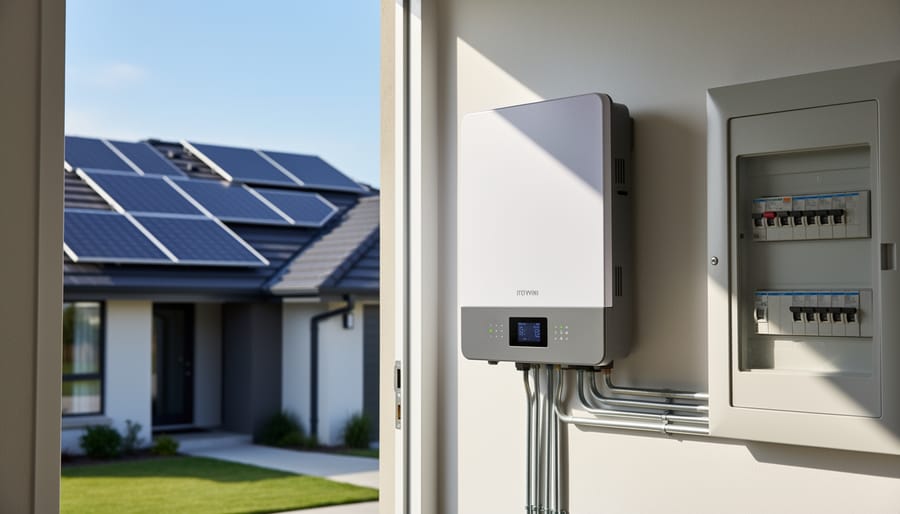
Think of wireless power transfer like your home’s Wi-Fi router, but instead of sending internet signals, it transmits electricity. A wireless power inverter takes the direct current (DC) electricity from your solar panels and converts it to the alternating current (AC) your home uses, just like traditional inverters. The wireless part means it can communicate and coordinate with other system components without physical wiring connections.
Here’s a simple way to picture it: imagine your solar system as a smart orchestra. The wireless inverter is the conductor, coordinating all the instruments (your panels, batteries, and home appliances) through invisible signals rather than needing to physically touch each musician. This wireless communication allows your system to respond instantly to changes, like when clouds pass overhead or when you suddenly turn on your air conditioner.
The technology uses radio frequency signals or other wireless protocols to monitor performance and optimize energy flow throughout your home, making your solar system more responsive and efficient without the complexity of running additional cables everywhere.
How It Differs From Your Standard Inverter
Unlike traditional inverters that require hardwired connections between your solar panels and home electrical system, wireless power inverters eliminate most physical cabling. Standard inverters need extensive conduit runs and multiple connection points that can fail over time, especially during extreme weather. With wireless technology, each solar panel operates independently, communicating through secure signals rather than vulnerable wires.
Maintenance becomes simpler too. Traditional systems require technicians to trace problems through complex wiring, while wireless setups pinpoint issues panel-by-panel through remote monitoring. You’ll also notice faster installation since electricians spend less time running cables through your attic or walls.
The biggest practical difference? When one panel underperforms in a standard system, it can drag down your entire array’s output. Wireless inverters prevent this domino effect, ensuring your high-performance solar system design delivers maximum energy even when some panels face shade or debris. This means more consistent electricity generation and better returns on your investment without the headaches of traditional troubleshooting.
Why Resilience Matters for Your Home Solar System
What Happens When Traditional Inverters Fail
Traditional inverters, while reliable workhorses in most solar systems, have vulnerabilities that can disrupt your energy resilience when you need it most. The most common issue involves physical connection points where wires meet components. Over time, these connections can corrode, loosen, or degrade due to weather exposure and temperature fluctuations, leading to reduced efficiency or complete system failure.
When an inverter fails, the impact is immediate. Your solar panels may still be generating electricity, but without a functioning inverter to convert that power, you’re back to drawing exclusively from the grid. This means higher electricity bills and lost savings during the repair period, which can take days or even weeks depending on parts availability and technician scheduling.
Wire damage from rodents, storms, or simple wear and tear creates another failure point. A single compromised wire can shut down your entire system. For homeowners counting on solar to reduce monthly expenses, unexpected repair costs averaging between 500 and 2,000 dollars represent a significant financial setback that undermines the predictability solar energy promises.
The Cost of Downtime You’re Not Thinking About
When your inverter fails, the financial impact goes beyond just repair bills. Every hour your system sits idle means lost energy production that you could be using to power your home or sell back to the grid. For a typical home solar setup, this could mean $5 to $15 in lost savings per day, adding up quickly if parts take weeks to arrive.
Traditional inverter repairs often cost between $1,000 and $2,500, not counting the opportunity cost of downtime. What many homeowners don’t realize is that these failures frequently happen during peak production seasons when you’d benefit most from your system.
Wireless power inverters help minimize these hidden costs through better monitoring and faster problem detection. Because they communicate system health data in real-time, you can often address small issues before they become expensive failures. Some systems even continue partial operation if one component fails, rather than shutting down completely.
The good news? Modern warranties and proactive maintenance can protect you from most of these unexpected expenses. Think of inverter reliability as insurance for your energy independence, where a small upfront investment in quality technology pays dividends through consistent, worry-free performance.
How Wireless Inverters Adapt to Your Changing Needs
Easy System Expansion Without Rewiring Your Home
One of the biggest advantages of wireless power inverters is how simple they make system expansion. If you decide to add more solar panels down the road—maybe to power a new electric vehicle or handle increased household needs—traditional wired systems often require costly electrical work and extensive rewiring throughout your home.
Wireless technology eliminates this hassle. Because components communicate without physical cables, adding capacity becomes remarkably straightforward. You can integrate additional panels or upgrade inverter capacity without tearing into walls or running new conduit. This flexibility means your solar system can grow alongside your changing energy needs without the expense and disruption of major electrical renovations.
This scalability also protects your initial investment. Rather than replacing your entire system when your needs increase, you can expand incrementally. Start with what fits your current budget and energy requirements, then add on later without penalty. For homeowners planning long-term, this adaptability offers peace of mind—your solar system won’t become obsolete or require a complete overhaul as technology improves or your household energy demands evolve. It’s sustainable living that adapts to your life, not the other way around.
Seamless Integration With Energy Storage
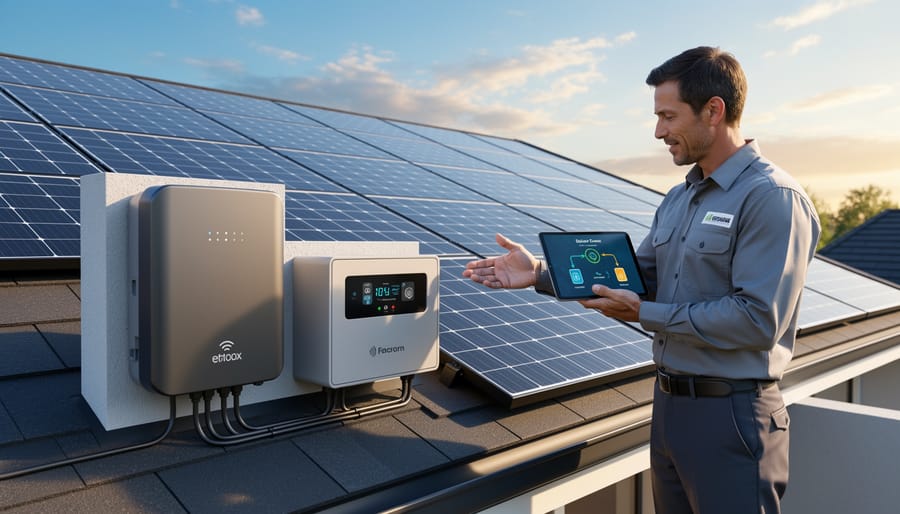
Adding battery storage to your solar setup used to mean a complicated, expensive retrofit—but wireless power inverters have changed the game completely. These modern systems make it remarkably easy to incorporate battery backup systems into existing solar installations, often without major rewiring or structural modifications.
The beauty of wireless technology lies in its flexibility. Traditional inverters require direct physical connections between your solar panels, batteries, and home electrical system. Wireless inverters communicate digitally with battery units, which means you can add energy storage whenever it makes sense for your budget—no need to invest in everything at once. This modular approach allows you to start with a basic solar setup and expand to include backup power as your needs or finances evolve.
Installation is typically faster and less invasive too. Your solar technician can position battery units in optimal locations without worrying about running extensive new wiring through your walls or attic. This saves both time and money while giving you more control over where equipment gets placed.
For homeowners concerned about power outages or wanting to maximize their energy independence, wireless inverters remove the technical barriers that once made battery integration feel overwhelming. You get the peace of mind of backup power without the headache of a complex installation process.
The Real-World Benefits for Your Home and Wallet
Lower Installation and Maintenance Costs
One of the most appealing advantages of wireless power inverters is the money you’ll save right from installation day. Traditional solar setups require extensive wiring between panels, inverters, and your home’s electrical system. Each wire means more labor hours, more materials to purchase, and more complexity during installation. Wireless systems significantly reduce these requirements, cutting your upfront installation costs by eliminating much of this expensive wiring work.
The financial benefits don’t stop after installation. When maintenance is needed, technicians can access and service wireless components much more easily than systems buried behind walls or tangled in cable management. This simpler access translates to shorter service visits and lower labor charges. You won’t be paying for hours of troubleshooting through complicated wire networks.
Additionally, wireless inverters make future system expansions more affordable. Want to add more solar panels down the road? The reduced wiring needs mean less disruption to your property and lower costs for scaling up. For homeowners planning long-term solar investments, these savings compound over the system’s 25-plus year lifespan, putting more money back in your pocket while supporting your sustainable living goals.
Fewer Points of Failure Mean Better Long-Term Value
Traditional solar inverters rely on multiple physical connections—wires, plugs, and junction points—that can wear out over time. Each connection represents a potential weak spot where corrosion, loose fittings, or weather damage can occur. Wireless power inverters eliminate many of these vulnerable points, creating a more durable system that requires less hands-on maintenance.
Think of it like the difference between corded and wireless headphones. Without cables to fray or connectors to break, there’s simply less that can go wrong. For your solar system, this translates into fewer service calls, reduced replacement costs, and more consistent energy production over the decades you’ll own your panels.
The financial benefit adds up quickly. Homeowners typically spend less on maintenance visits and part replacements throughout the system’s 25-year lifespan. You’ll also avoid the frustration and lost energy production that comes with tracking down connection problems. While wireless inverters may cost slightly more upfront, the reduced long-term maintenance often balances out, giving you better overall value and peace of mind knowing your investment is protected against common wear-and-tear issues.
Smart Monitoring That Actually Helps You
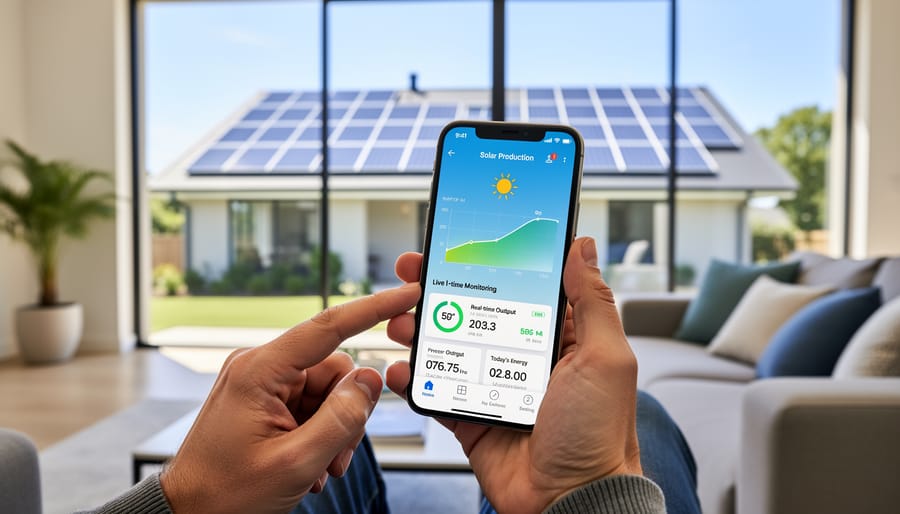
Wireless connectivity transforms your inverter into a helpful assistant that keeps you informed without complicated setups. With smart inverter technology, you can check your system’s performance from your phone or computer anytime. See exactly how much energy you’re producing, spot potential issues before they become expensive problems, and understand your savings in real-time. This means less guesswork about whether your system is working properly and faster troubleshooting when something needs attention. Many homeowners discover they catch small problems early, avoiding costly repairs down the road. You’ll also gain insights into your energy patterns, helping you make smarter decisions about when to run appliances or store power. The best part? This information comes to you in plain language, not technical codes that require an engineering degree to understand.
Debunking Common Concerns About Wireless Power Technology
Is Wireless Really as Efficient?
Let’s clear the air: wireless power inverters are impressively efficient, though they work differently than traditional models. Current wireless technology achieves efficiency rates between 85-95%, which is comparable to many standard wired inverters. The slight energy loss occurs during the wireless transfer process, but modern systems minimize this through advanced resonance technology.
Here’s the good news: any minor efficiency difference is often offset by practical benefits. Wireless systems eliminate connection points where traditional setups can lose power through corroded or loose wiring. They also reduce installation complexity, meaning fewer potential failure points in your solar array.
For most homeowners, the efficiency question comes down to real-world performance rather than laboratory percentages. Wireless inverters consistently deliver reliable power conversion without the maintenance headaches of physical connections. As the technology continues advancing, efficiency gaps are shrinking rapidly. The bottom line? Today’s wireless power inverters provide more than adequate efficiency for residential solar systems while offering flexibility and reliability that traditional setups struggle to match.
Safety Questions Answered
Let’s clear up common concerns about wireless power inverters. Many homeowners worry about electromagnetic fields, but modern wireless charging systems operate at power levels far below safety thresholds established by health organizations. These systems use the same basic technology as your smartphone’s wireless charger, just scaled for larger applications.
You won’t experience any health risks from having a wireless power inverter in your home. The technology transfers energy over very short distances, typically just a few inches, and the electromagnetic fields don’t extend into living spaces. Think of it like your WiFi router – it’s working constantly without any safety concerns.
Another myth worth addressing: wireless inverters don’t interfere with medical devices or home electronics. They’re designed with shielding and operate on specific frequencies that prevent cross-interference. Your pacemaker, hearing aids, and smart home devices will all function normally.
The bottom line? Wireless power inverters are safe for families, pets, and everyday home life. They’ve undergone rigorous testing and meet strict safety standards before reaching the market. You can enjoy the convenience and efficiency benefits without worrying about safety trade-offs.
Is a Wireless Power Inverter Right for Your Home?
Wondering if wireless power inverter technology makes sense for your situation? The good news is that it’s becoming more accessible and practical for everyday homeowners, though it’s not necessarily the right fit for everyone just yet.
This technology shines brightest if you’re planning a new solar installation or considering a major upgrade to your existing system. If your current inverter is nearing the end of its lifespan (typically 10-15 years), wireless inverters represent an excellent forward-thinking replacement option that can improve your system’s resilience and reduce maintenance headaches down the road.
Your home is also a strong candidate if you experience frequent power outages or live in an area prone to extreme weather. The enhanced reliability and faster recovery times that wireless systems offer can provide genuine peace of mind during storms or grid disruptions.
However, if you have a relatively new traditional inverter that’s working well, there’s usually no urgent need to switch immediately. The financial benefits come over time through reduced maintenance costs and improved system monitoring, not overnight savings.
Consider your long-term plans too. Are you thinking about adding battery storage or expanding your solar array in the next few years? Wireless inverter systems often integrate more seamlessly with these upgrades, making future expansion simpler and more cost-effective.
The best approach is to consult with a qualified solar installer who can assess your specific setup, energy goals, and budget to determine if wireless technology aligns with your needs today or makes more sense as a future consideration.
Wireless power inverters represent a meaningful step forward in making home solar systems more resilient and adaptable to your changing needs. By eliminating physical connections between panels and central equipment, these systems offer superior flexibility during installations, easier troubleshooting, and better performance when conditions aren’t perfect. Whether you’re planning a new solar installation or considering an upgrade to your existing system, wireless inverter technology deserves serious consideration alongside traditional options.
The future of residential solar looks brighter than ever, with innovations like wireless power management making clean energy more accessible and user-friendly for everyday homeowners. As these technologies continue to mature and costs become more competitive, more families will enjoy the financial savings and peace of mind that come with a truly resilient home energy system. If you’re ready to explore whether wireless inverters are right for your home, reach out to qualified solar professionals in your area who can assess your specific situation and help you make an informed choice.