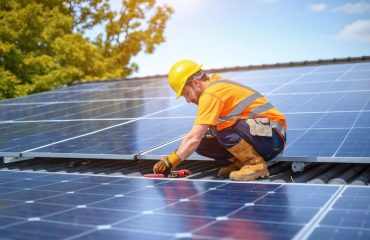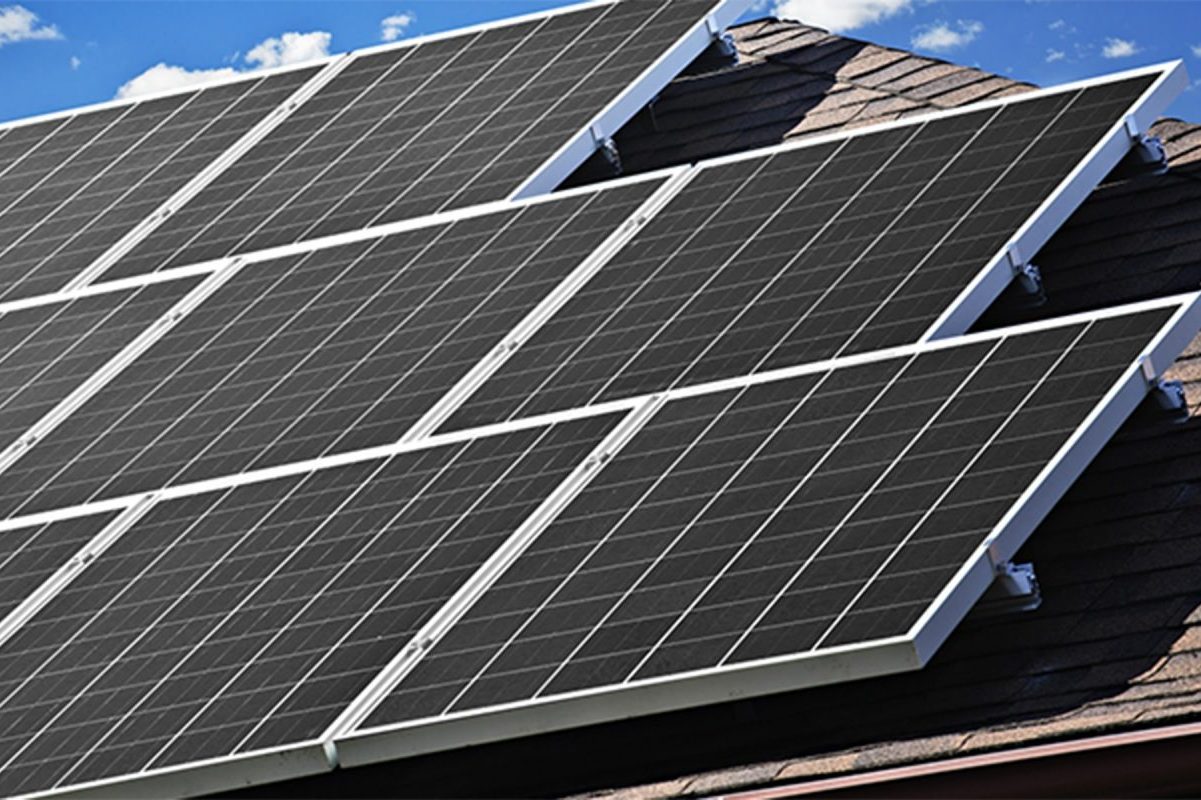
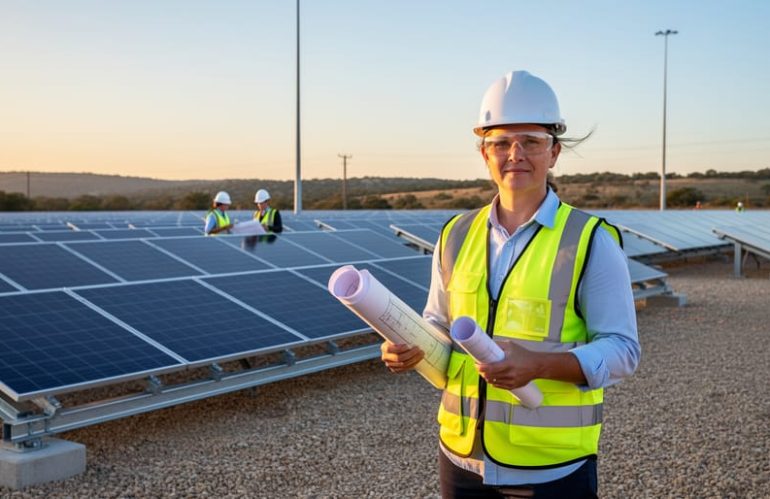
Solar project developers are the visionary professionals who transform empty rooftops and open land into clean energy powerhouses. These specialists orchestrate every phase of solar installations—from initial site evaluation and permit acquisition to coordinating construction crews and connecting systems to the power grid. Think of them as project managers with a green mission, combining technical knowledge, business savvy, and problem-solving skills to bring renewable energy projects to life.
The role demands expertise in solar technology, local regulations, financial modeling, and stakeholder communication. Developers assess whether your property is suitable for solar, design systems that maximize energy production, navigate complex permitting processes, and ensure projects stay on budget and schedule. As the bridge between homeowners, utilities, contractors, and financial institutions, they make solar adoption accessible and affordable.
With solar industry careers experiencing unprecedented growth, project developers are increasingly in demand. This profession offers competitive salaries, meaningful work combating climate change, and opportunities to directly impact your community’s energy future—making it an attractive path for those seeking both professional success and environmental impact.
What a Solar Project Developer Really Does
From Empty Space to Power Generation
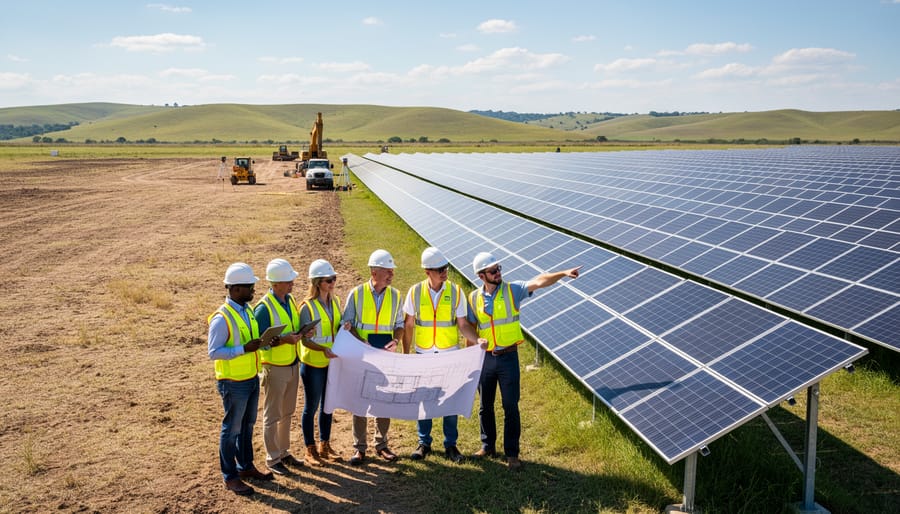
Think of a solar project developer as a creative problem-solver who transforms underutilized land into clean energy hubs. Their journey begins with site hunting, where they scout locations with strong sun exposure and good grid connections. This might be a flat rooftop on a warehouse, an unused agricultural field, or even a former industrial site ready for new purpose.
Once they’ve identified a promising location, developers roll up their sleeves for the groundwork. They assess whether the land can handle the weight of panels, check local zoning rules, and crunch numbers to ensure the project makes financial sense. This phase involves coordinating with landowners, utility companies, and local officials to secure necessary approvals and permits.
Next comes the design phase, where developers map out exactly where each panel will sit to maximize energy capture. They work with engineers to plan the electrical systems and determine how the solar farm will connect to the power grid. Think of it as creating a blueprint for a mini power plant.
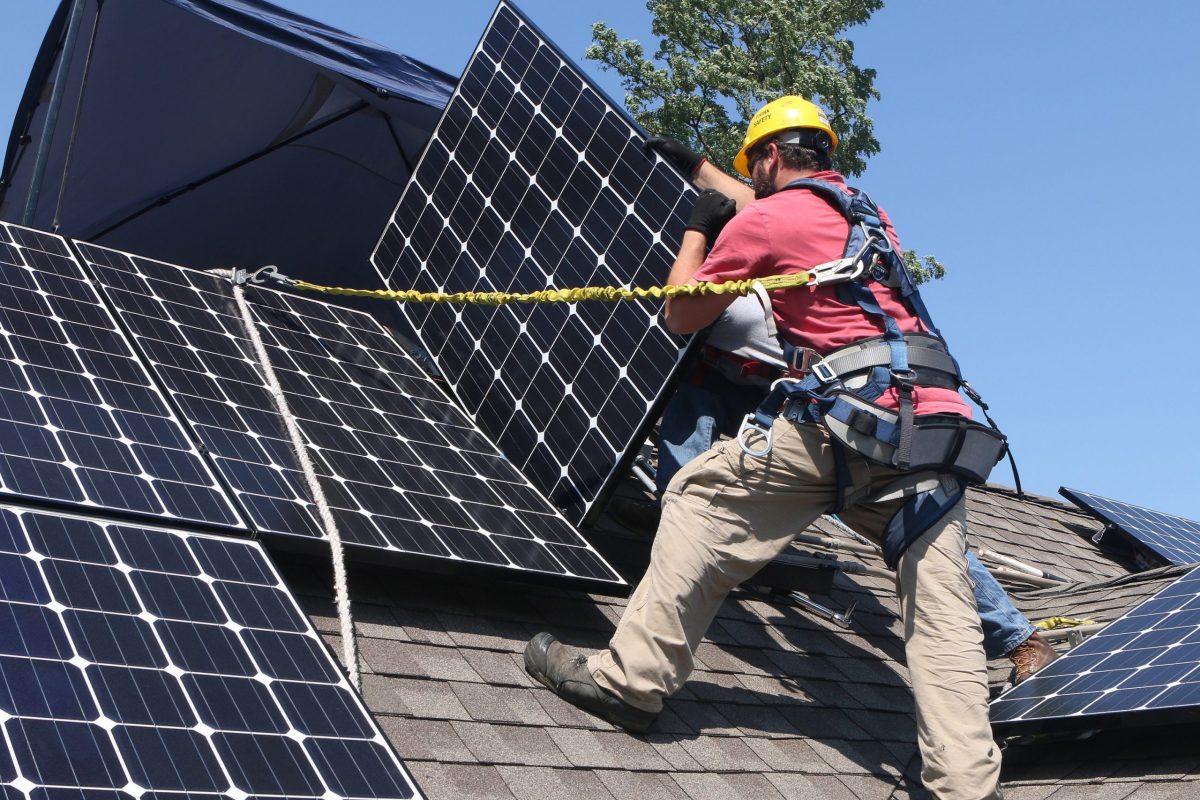
The construction phase brings the vision to life. Developers oversee contractors as they install mounting structures, position thousands of solar panels, and wire everything together. Finally comes the most rewarding moment: flipping the switch and watching sunlight transform into electricity for the first time. What started as empty space now generates clean power for homes and businesses, reducing carbon emissions and energy costs for years to come.
The People Side of Solar Projects
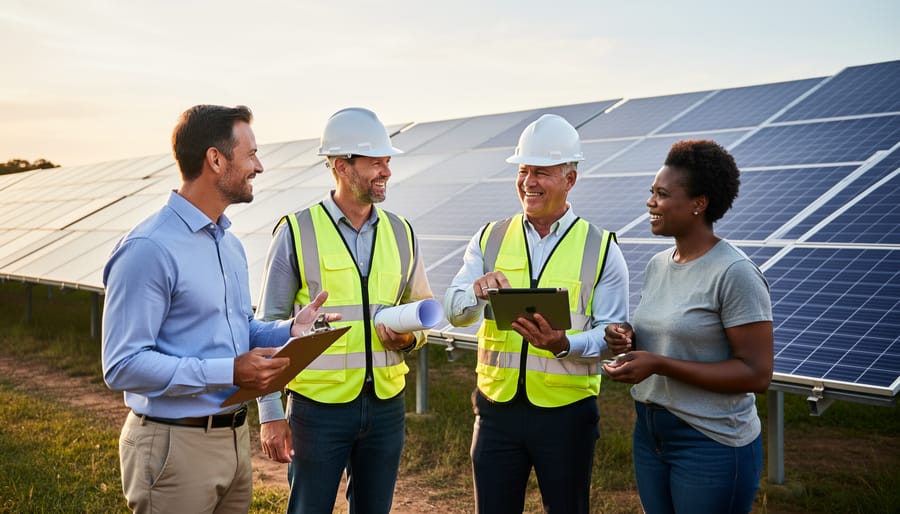
Solar project developers are relationship builders who bring together everyone needed to make clean energy happen in your neighborhood. They work closely with homeowners like you, guiding you through the decision-making process and answering questions about costs, savings, and installation timelines. These professionals also collaborate with local communities to address concerns, secure necessary permits, and ensure projects benefit the area.
Developers coordinate with utility companies to connect solar systems to the grid seamlessly, navigating technical requirements and staying current with solar policy developments that affect installations. They manage teams of contractors, electricians, and installers to keep your project on schedule and within budget.
Think of solar project developers as your advocate and project manager rolled into one. They translate complex regulations into simple next steps, making the switch to solar as smooth as possible. Their people skills are just as important as their technical knowledge, ensuring everyone from homeowners to local officials feels heard and informed throughout the process.
The Skills That Matter Most in This Career
Technical Know-How You’ll Need
Becoming a solar project developer doesn’t require an engineering degree, though understanding the basics helps tremendously. You’ll need to grasp how solar panels convert sunlight into electricity—think of them as quiet, maintenance-free power plants on rooftops. Familiarity with energy consumption patterns helps you design systems that actually meet people’s needs, ensuring homeowners get the savings they expect.
Project planning skills are equally important. This means coordinating timelines, managing budgets, and understanding local building codes and permits. You’ll also need to know about grid connections—how solar systems tie into existing electrical infrastructure—and energy storage options like batteries that store excess power for cloudy days.
The good news? Most of this knowledge comes through on-the-job training and industry certifications rather than years of formal education. Many successful developers start with basic renewable energy courses and build expertise over time. You’ll learn to assess roof conditions, calculate energy production estimates, and identify potential shading issues. Financial modeling skills help too, as you’ll show homeowners their long-term savings and return on investment. The role blends technical understanding with practical problem-solving—making clean energy accessible to everyday people.
The Soft Skills Nobody Talks About
While technical expertise matters, the most successful solar project developers excel because of skills you won’t find in textbooks. Communication tops the list—these professionals translate complex solar concepts into everyday language that homeowners actually understand. They listen carefully to your concerns about costs, installation timelines, and energy savings, then provide clear, honest answers without overwhelming you with jargon.
Problem-solving separates exceptional developers from average ones. Every project presents unique challenges, whether it’s an unusual roof angle, local permitting requirements, or coordinating multiple contractors. Great developers stay calm under pressure and find creative solutions that keep your project moving forward smoothly.
Relationship-building might be the most underrated skill of all. Top developers build trust with homeowners by being responsive, transparent, and genuinely invested in your satisfaction. They maintain strong networks with installers, inspectors, and financing partners, which directly benefits you through faster approvals and better service. They also know that your positive experience leads to referrals within your community, creating a ripple effect that expands solar adoption. These human-centered abilities transform solar developers from simple service providers into trusted advisors who guide you confidently through your clean energy journey.
How to Break Into Solar Project Development
Education and Training Paths
Becoming a solar project developer typically requires a bachelor’s degree in engineering, environmental science, business, or a related field. Most programs take four years and cost between $40,000 to $120,000 at public universities, though financial aid can significantly reduce expenses. The good news is that many professionals transition into this role from other industries, bringing valuable experience in construction, real estate, or energy management.
While formal education provides a foundation, specialized certifications boost your credentials and earning potential. The NABCEP PV Technical Sales certification costs around $500 and demonstrates solar expertise to employers and clients. Project management certifications like the PMP add credibility and typically cost $400-600. These certifications can be completed in 3-6 months of focused study.
Community colleges and online platforms offer affordable entry points, with solar technology programs ranging from $3,000 to $15,000. These condensed programs take 6-18 months and provide hands-on training that employers value. Many solar companies also offer apprenticeships or entry-level positions where you learn while earning a salary.
The investment in education pays dividends quickly in this growing field. Entry-level positions often start at $50,000-65,000 annually, with experienced developers earning $80,000-120,000 or more. Professional development continues throughout your career as solar technology evolves, keeping the work engaging and future-focused. The combination of classroom learning and real-world experience creates a clear pathway into this rewarding career.
Starting Without a Solar Background
The good news is that solar project developers come from remarkably diverse backgrounds. You don’t need a solar engineering degree to break into this field. Many successful developers started their careers in construction management, real estate development, finance, or even teaching. What matters most is your ability to coordinate projects, communicate with different stakeholders, and learn quickly.
If you’re coming from construction or architecture, you already understand permits, site assessments, and contractor relationships. Those skills translate directly into solar development. Financial professionals bring valuable expertise in analyzing project costs and securing funding. Even marketing backgrounds prove useful when presenting proposals to clients and communities.
The transition typically starts with self-education. Free online resources, solar industry webinars, and certification programs can build your foundational knowledge without going back to school. Many people begin by working in related positions like operations and maintenance careers or sales roles, gaining hands-on exposure to how solar projects actually work.
Networking plays a crucial role too. Joining solar industry associations, attending local renewable energy events, and connecting with professionals on LinkedIn opens doors you didn’t know existed. Many companies value transferable skills and enthusiasm for clean energy over specific solar experience, especially for entry-level development positions. Your existing professional strengths combined with genuine interest in renewable energy create a compelling foundation for this rewarding career path.
What You Can Expect to Earn
Solar project developers enjoy competitive compensation that reflects the growing demand for renewable energy expertise. Entry-level positions typically start between $50,000 and $65,000 annually, while experienced developers can earn $80,000 to $120,000 or more, depending on location and project scope. Senior-level professionals managing large commercial or utility-scale projects often exceed $150,000 in total compensation.
The financial outlook for this career path is particularly promising. As solar energy continues expanding, developers with proven track records command premium salaries. Many positions also include performance bonuses tied to successful project completion, which can add 10-20% to base pay. Benefits packages frequently feature health insurance, retirement contributions, and sometimes profit-sharing arrangements.
Geographic location significantly impacts earnings. Solar hotspots like California, Texas, and the Northeast corridor typically offer higher salaries to match both demand and cost of living. Remote work options have become more common, allowing developers to access competitive rates regardless of location.
Career growth potential extends beyond project development itself. Many professionals transition into solar finance roles, consulting, or executive leadership positions, further increasing earning potential. The combination of stable income, growth opportunities, and the satisfaction of advancing clean energy makes this career financially rewarding on multiple levels. With the solar industry projected to grow substantially over the next decade, compensation trends continue moving upward.
The Real Career Growth Opportunities
Starting as a solar project developer opens doors to an exciting career path with genuine growth potential. As you gain experience managing solar installations from concept to completion, you’ll develop valuable skills that position you for advancement in this rapidly expanding industry.
Many developers begin by managing smaller residential or commercial projects, then progress to overseeing larger-scale solar farms and utility projects worth millions of dollars. With a few years of experience, you might advance to senior project developer roles, where you’ll handle multiple projects simultaneously and mentor newer team members.
The career ladder doesn’t stop there. Experienced developers often move into program management positions, overseeing entire portfolios of solar projects across regions. Others transition into executive roles like Director of Development or Vice President of Project Development, shaping company strategy and leading teams of developers.
Some professionals leverage their project development expertise to branch into related fields. You might move into solar financing, helping structure deals that make projects financially viable. Others shift to policy and regulatory affairs, working to remove barriers that slow solar adoption. Sales and business development roles also welcome experienced developers who understand project feasibility inside and out.
The timing couldn’t be better for this career transition. Solar energy continues breaking installation records year after year, with governments and corporations committing to ambitious clean energy targets. This growth translates to sustained demand for skilled project developers who can turn solar ambitions into reality.
What makes this career particularly appealing is the combination of professional advancement and meaningful impact. You’re not just climbing a career ladder—you’re helping communities reduce energy costs, creating local jobs, and contributing to a cleaner environment. That sense of purpose, paired with strong earning potential and job security, makes solar project development a career worth considering.
Why This Career Matters Now More Than Ever
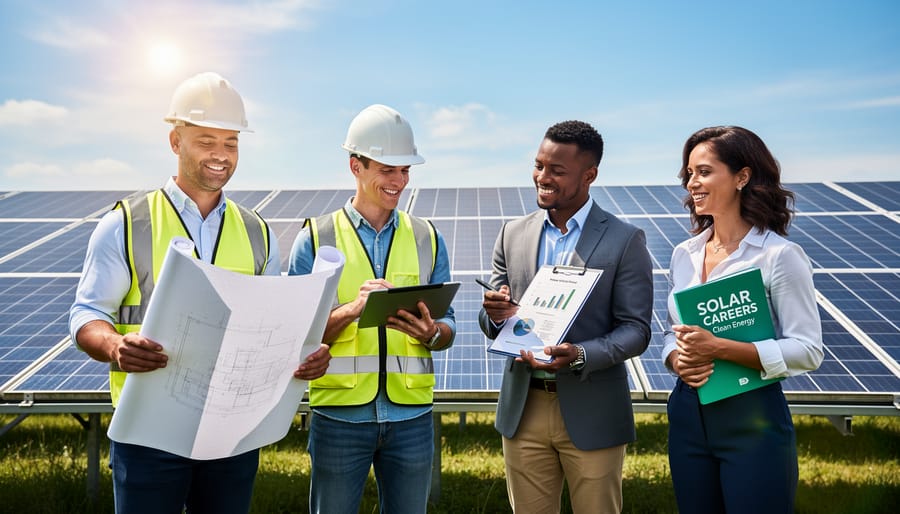
The demand for solar project developers has never been stronger, and the outlook for this career path is remarkably bright. As communities nationwide embrace clean energy solutions, these professionals are at the forefront of a movement that’s transforming how we power our lives. Every solar installation they facilitate represents real progress toward a healthier planet and more resilient energy future.
What makes this career particularly meaningful right now is its direct connection to solving pressing environmental challenges while creating tangible benefits for families and communities. Solar project developers help homeowners take control of their energy costs while reducing their carbon footprint. They’re not just building infrastructure; they’re empowering people to make choices that align with their values.
The job market reflects this growing importance. Industry projections show continued expansion in solar careers through the next decade, driven by falling technology costs and increasing awareness of clean energy benefits. For those seeking purposeful work that combines financial stability with environmental impact, solar project development offers a rare opportunity to build a rewarding career while contributing to meaningful change. This field welcomes diverse backgrounds and provides clear pathways for professional growth in an industry that’s just getting started.
When you flip the switch in your solar-powered home, there’s a good chance a solar project developer played a crucial role in making that clean energy possible. These professionals are the architects behind the residential solar revolution—transforming rooftops across neighborhoods into personal power plants while helping families save money and reduce their carbon footprint.
For those considering this career path, the opportunity is bright and growing. You’d be entering a field where your workday involves solving real problems for real people, whether that’s helping a young family reduce their electricity bills or enabling retirees to lock in predictable energy costs. It’s a career that offers genuine financial stability—with competitive salaries and strong job security—while knowing you’re contributing to a cleaner planet for future generations.
The beauty of becoming a solar project developer is that you don’t need to choose between doing good and doing well. You get both. Every project you complete represents a family taking control of their energy future and reducing their environmental impact. If you’re detail-oriented, enjoy problem-solving, and want meaningful work in a rapidly expanding industry, this could be your path forward.