Understanding Wisconsin’s community solar landscape starts with knowing that current state legislation doesn’t support traditional community solar programs like neighboring states. Wisconsin utilities are not required to offer shared solar subscriptions, meaning you can’t simply buy into a local solar farm and receive credits on your electric bill. However, that doesn’t mean you’re out of options.
The Wisconsin Public Service Commission has approved limited pilot programs through some utilities, allowing small-scale shared renewable projects in specific service territories. Focus Public Service Corporation and Madison Gas & Electric have launched modest initiatives, though availability remains restricted and waitlists fill quickly. Check directly with your utility provider to determine if any community solar basics programs exist in your area.
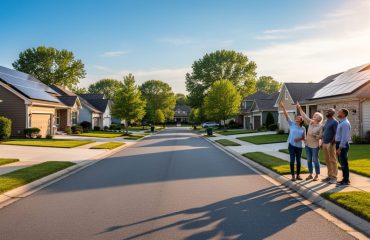
Meanwhile, community acceptance plays a surprisingly large role in expanding solar access statewide. Local zoning boards, neighborhood associations, and municipal governments often determine whether solar projects get approved, even when state law remains neutral. Your voice matters in these discussions, and understanding the facts helps you advocate effectively for clean energy options in your community.
This guide breaks down Wisconsin’s solar legislation in plain language, explains how community support influences project development, and compares your alternatives so you can make the best energy decision for your household. Whether you pursue rooftop panels or advocate for expanded community solar access, you’ll gain clarity on navigating Wisconsin’s unique renewable energy landscape.
What Wisconsin’s Community Solar Legislation Actually Means for Homeowners
The Current Legal Landscape
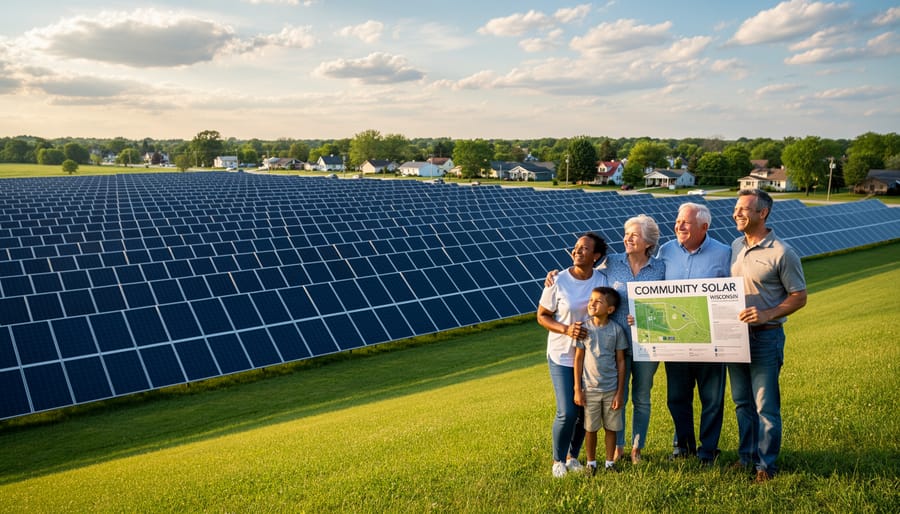
Wisconsin’s path toward community solar has been slower compared to neighboring states, but there’s reason for optimism. Currently, the state lacks a comprehensive community solar program like those in Minnesota or Illinois. However, Wisconsin does allow shared renewable energy projects through its “shared renewables” rules established by the Public Service Commission.
Under current regulations, utility companies can offer community solar programs on a voluntary basis. This means availability varies significantly depending on where you live and which utility serves your area. Some utilities have launched pilot programs, while others haven’t yet embraced the concept.
The good news? There’s growing momentum for change. Recent legislative proposals have aimed to expand community solar access statewide, making it easier for homeowners who can’t install rooftop panels to participate. These proposals focus on removing barriers and creating standardized rules that would give all Wisconsin residents equal opportunities to benefit from solar energy.
While we wait for broader legislation, it’s worth checking with your local utility to see what community solar options currently exist in your area. The landscape is evolving, and more opportunities are emerging as renewable energy gains support across the state.
How It Affects Your Solar Options
Wisconsin’s community solar legislation opens up solar access to homeowners who might otherwise miss out. If your roof isn’t suitable due to shading, age, or orientation, community solar subscriptions let you benefit from solar energy without installing panels on your property. You simply subscribe to a portion of a nearby solar farm and receive credits on your electric bill for the energy produced.
For homeowners with good roof conditions, you’ll need to weigh the options. Home installations typically offer more control and potentially greater long-term savings, but they require upfront investment and ongoing maintenance. Community solar requires no installation costs, no roof work, and no maintenance responsibilities on your part. You can also move without losing your solar investment, making it ideal if you’re not planning to stay in your home long-term.
The current legislation ensures that community solar projects must meet local approval standards, which means projects in your area should align with community values. This framework helps you feel confident that participating in community solar supports responsibly developed clean energy while reducing your monthly electricity costs.
Why Your Neighbors’ Opinions Shape Solar Projects in Wisconsin
What Community Acceptance Really Means
Community acceptance, often called “social license,” is simply the support and trust your neighbors and local community have for a solar project. Think of it as a collective thumbs-up that goes beyond legal permits and paperwork. In Wisconsin, where community solar is gaining momentum, this local buy-in can make or break a project.
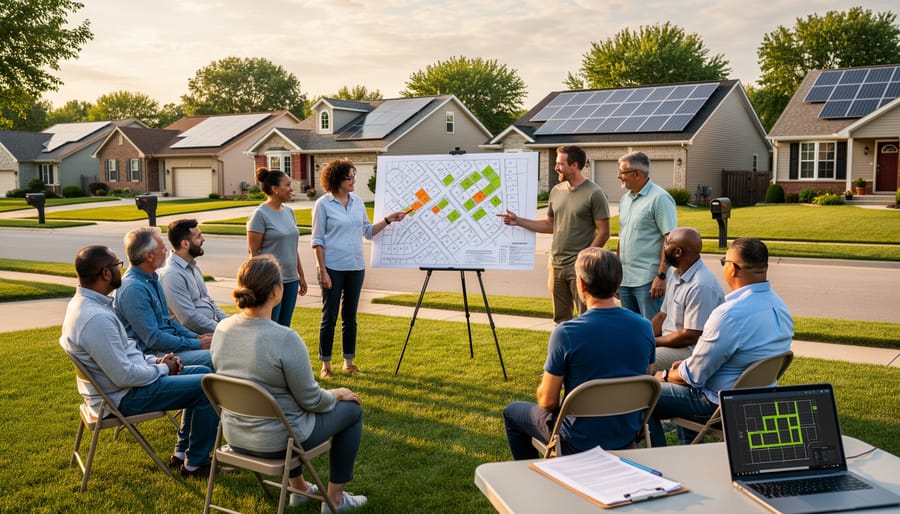
Here’s what really matters: Wisconsin solar developers must listen to residents’ concerns about everything from where panels will be located to how the project might affect property values or local landscapes. When developers engage early with homeowners, address questions transparently, and adapt plans based on feedback, projects move forward smoothly. When they don’t, even legally approved projects can face delays or opposition.
This means good news for you as a potential community solar subscriber. Projects that earn strong community acceptance tend to be better designed, more thoughtfully placed, and operated by companies committed to long-term relationships with local residents. You’re not just signing up for clean energy; you’re supporting projects that your neighbors have helped shape. This collaborative approach ensures community solar installations respect local character while delivering the financial savings and environmental benefits you’re looking for, without the hassle of rooftop installation.
Common Concerns Wisconsin Communities Raise
When community solar projects are proposed in Wisconsin neighborhoods, residents often share similar concerns that deserve thoughtful consideration. Let’s address the most common worries with facts.
Land use questions typically top the list. Many homeowners wonder if solar farms will take over valuable agricultural land or green spaces. The reality is that solar installations often use marginal farmland unsuitable for crops, and farmers can continue grazing livestock beneath panels. Wisconsin’s solar farm zoning regulations ensure projects fit within community development plans.
Property value concerns are understandable but largely unfounded. Studies show that well-designed solar farms typically have neutral to positive effects on nearby home values. In fact, proximity to clean energy infrastructure increasingly appeals to environmentally-conscious buyers.
Aesthetic worries about appearance can be addressed through screening requirements, setback distances, and thoughtful site design. Modern solar installations are lower-profile than you might imagine, and many communities require landscaping buffers that actually enhance visual appeal.
The bottom line? Most concerns stem from unfamiliarity rather than actual problems. Communities with existing solar projects report that initial worries fade quickly once installations are operational, especially when residents enjoy lower electricity bills through participation.
The Real Benefits Community Solar Brings to Wisconsin Neighborhoods
Financial Perks Without the Upfront Investment
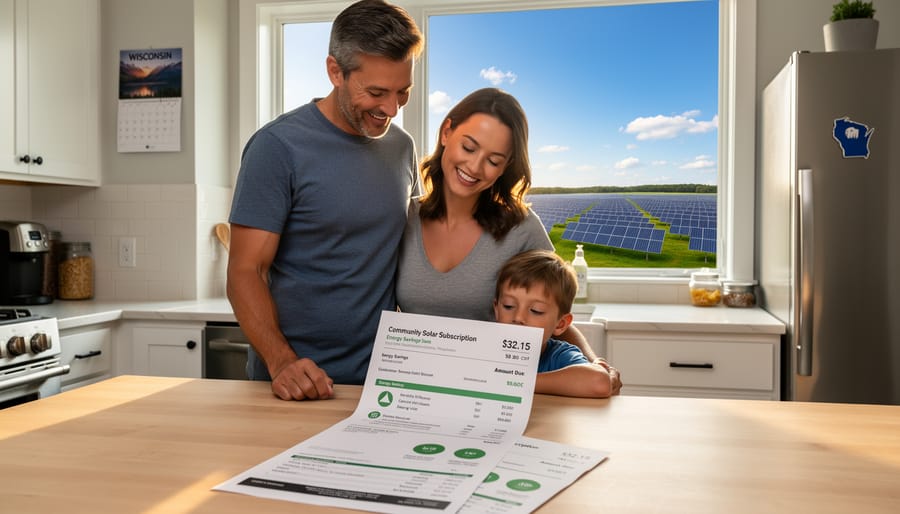
One of the biggest barriers to rooftop solar is the upfront cost, which can reach tens of thousands of dollars. Community solar programs remove this obstacle entirely. Instead of purchasing and installing panels on your property, you subscribe to a portion of a shared solar farm and receive credits on your monthly electricity bill.
Here’s how it works: You sign up for a subscription based on your household’s energy needs. The solar farm generates clean electricity, and you receive credits that offset your utility charges. Most subscribers save between 5% and 15% on their energy bills compared to traditional electricity rates, with no equipment to buy or maintain.
The subscription model means no loans, no installation crews, and no roof repairs. You can start benefiting from solar energy immediately, often with month-to-month flexibility that lets you adjust or cancel without penalty. This makes community solar ideal for renters, condo owners, or anyone with shaded roofs or older homes where traditional panels aren’t practical.
Even better, community solar eliminates the worry about system maintenance, inverter replacements, or panel degradation. The solar farm operator handles everything while you simply enjoy lower bills and the satisfaction of supporting renewable energy. It’s solar power without the commitment or complexity, making clean energy accessible to virtually every Wisconsin household.
Environmental Impact That Stays Local
Community solar projects offer Wisconsin homeowners a practical way to support clean energy without installing panels on their own roofs. These solar farms directly reduce the state’s reliance on fossil fuels, cutting greenhouse gas emissions where you live and work. Every kilowatt-hour generated from community solar is one less kilowatt-hour produced by coal or natural gas plants, making an immediate positive impact on local air quality.
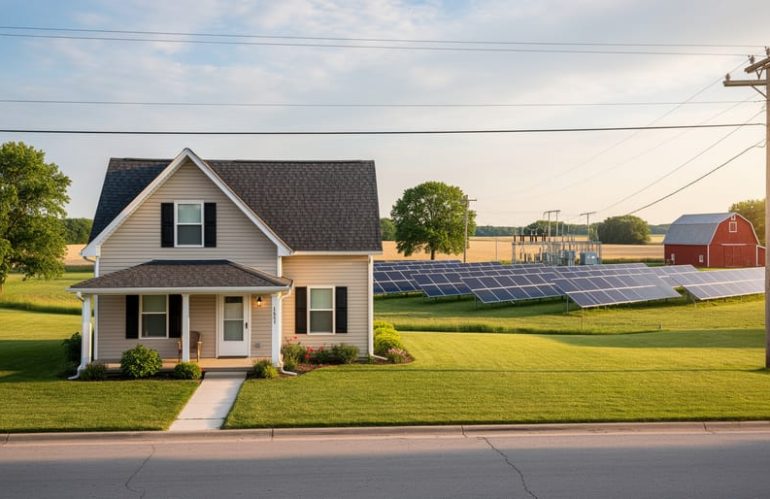
What makes this approach particularly effective is how it keeps environmental benefits right in your backyard. Unlike distant renewable projects, community solar installations are typically located within your utility’s service area. This means the clean electricity generated is feeding directly into your local grid, reducing transmission losses and supporting Wisconsin’s transition to sustainable energy sources.
The ripple effects extend beyond emissions reductions. Community solar projects often incorporate native plantings around panel arrays, creating pollinator habitats that support local ecosystems. These green spaces can help manage stormwater runoff and provide wildlife corridors in areas that might otherwise remain unused farmland or empty lots.
For homeowners concerned about climate change but unsure where to start, community solar offers measurable impact. By subscribing to a local solar farm, you’re contributing to Wisconsin’s clean energy goals while reducing your carbon footprint. It’s environmental action that produces tangible results in your community, not just somewhere far away. Plus, you’re helping demonstrate demand for renewable energy, encouraging further investment in sustainable infrastructure across the state.
How Wisconsin Communities Are Making Solar Projects Work
Successful Projects Across the State
Wisconsin communities are proving that involving residents early in the solar planning process creates stronger, more successful projects. In La Crosse County, developers hosted neighborhood meetings before breaking ground on a 5-megawatt community solar farm, addressing concerns about land use and inviting local input on landscaping. The result? The project launched six months ahead of schedule with overwhelming community support, and subscribers filled available slots within weeks.
Similarly, a community solar initiative in Eau Claire partnered with local schools to create educational programs about renewable energy. This approach transformed potential skepticism into enthusiasm, with parents and teachers becoming project advocates. Residents appreciated understanding exactly how their participation would lower their monthly electric bills without installing anything on their roofs.
In rural Dodge County, farmers worried about losing agricultural land found common ground when developers agreed to use pollinator-friendly plantings around solar panels. This compromise actually enhanced the local ecosystem while generating clean energy. The collaborative approach meant the project gained approval without lengthy delays or opposition.
These examples demonstrate a clear pattern: when communities have a genuine voice in solar projects, everyone benefits. Residents get affordable clean energy, developers avoid costly conflicts, and Wisconsin moves closer to its renewable energy goals. The key is simply starting the conversation early and listening.
Best Practices for Community Engagement
Successful community solar programs in Wisconsin thrive when developers prioritize transparency and genuine partnership with local residents from day one. The most effective approach involves hosting informational meetings early in the planning process, where community members can ask questions and voice concerns in a welcoming environment. Developers who share clear timelines, project details, and environmental impact assessments build trust that smooths the path forward.
When launching community solar projects, the best outcomes happen when local voices help shape decisions about site selection and design. This collaborative approach often leads to creative solutions that benefit everyone, like incorporating pollinator-friendly plantings around solar arrays or prioritizing subscription access for lower-income households. Regular communication throughout construction and operation keeps neighbors informed and engaged, transforming potential skeptics into project champions who appreciate both the environmental benefits and the opportunity to reduce their energy costs without installing rooftop panels.
Should You Choose Community Solar or Rooftop Panels for Your Home?
Choosing between community solar and rooftop panels depends on your home, finances, and lifestyle. The good news? Both options help Wisconsin move toward cleaner energy, so there’s no wrong choice.
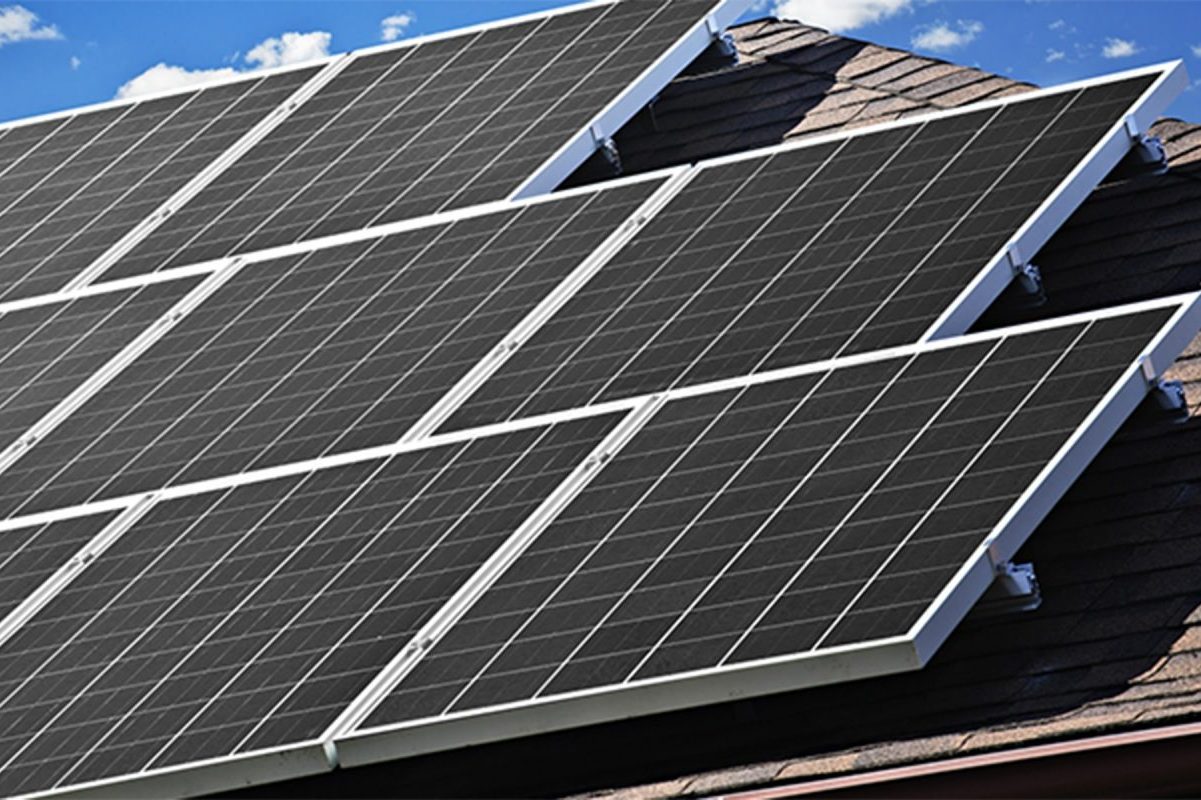
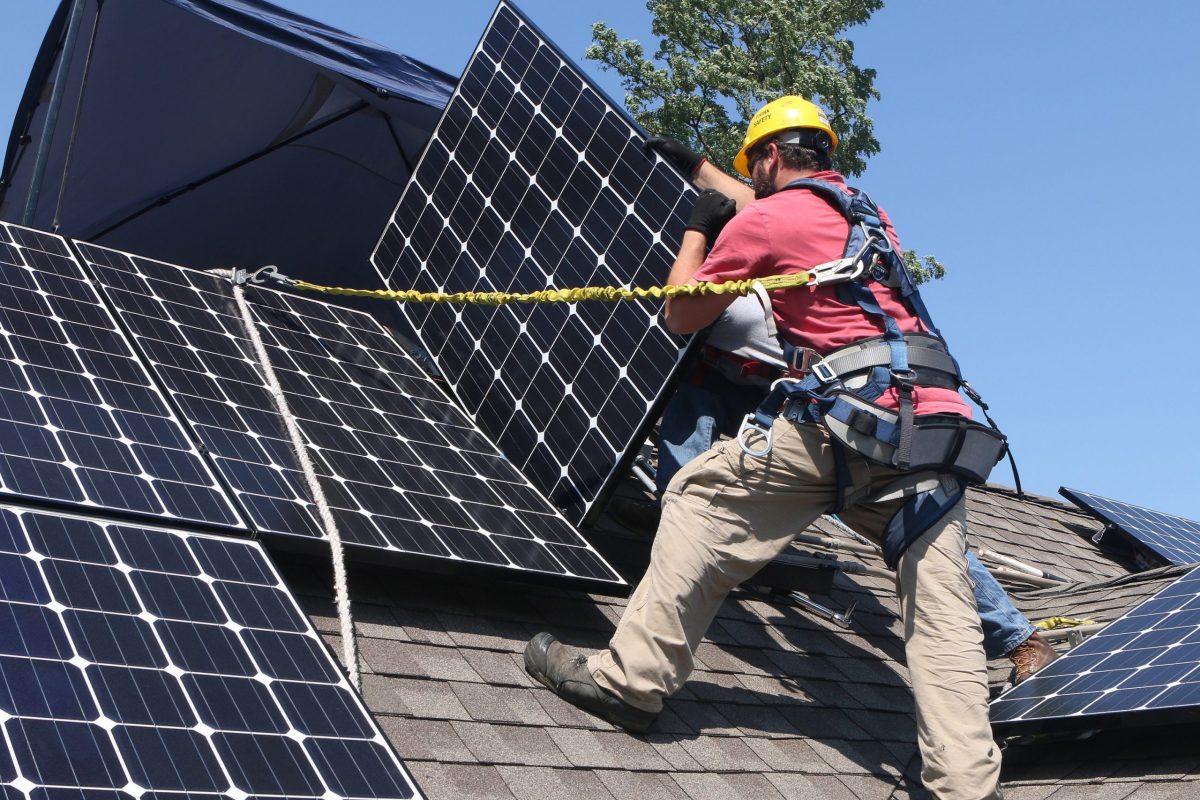
Rooftop solar makes sense if you own your home, have a suitable roof with good sun exposure, and plan to stay put for several years. You’ll benefit from federal tax credits, potentially increase your property value, and enjoy the satisfaction of generating your own clean electricity. However, you’ll need upfront capital or financing, and you’re responsible for system maintenance over its 25-year lifespan.
Community solar shines for renters, condo owners, or homeowners with shaded roofs, older roofs needing replacement soon, or those who prefer a simpler approach. There’s no installation on your property, no maintenance headaches, and you can typically cancel your subscription if you move. You’ll still save money on your electricity bills through credits, though savings may be slightly lower than owning rooftop panels outright.
Budget considerations matter too. Rooftop solar requires significant upfront investment, even with financing options, while community solar usually works on a straightforward subscription model with little to no money down.
Think about your timeline as well. If you’re planning to move within five years, community solar offers flexibility without worrying about transferring system ownership. Staying long-term? Rooftop panels might deliver greater lifetime savings.
The important takeaway is that both options reduce your carbon footprint and support renewable energy growth in Wisconsin. Consider your roof condition, homeownership status, budget, and how long you plan to stay in your current home. Either path puts you on the right side of the clean energy transition.
Wisconsin’s community solar landscape is evolving through a combination of supportive legislation, growing neighborhood acceptance, and informed homeowner decisions. The state’s framework creates genuine opportunities for residents who want clean energy without the commitment of rooftop panels. When communities understand the benefits—lower energy bills, local job creation, and environmental improvements—opposition typically gives way to enthusiasm.
For homeowners, the path forward is clearer than ever. Community solar offers a practical entry point, especially if your roof isn’t ideal for panels or you’re renting. Meanwhile, those with suitable properties can explore rooftop installations that provide maximum long-term savings. The key is understanding what works for your specific situation.
The momentum is undeniably positive. As more Wisconsin communities see successful solar projects in action, acceptance grows organically. Legislators continue refining policies to remove barriers, and utilities are adapting to renewable energy integration. This convergence of policy support, community buy-in, and accessible technology creates a genuine opportunity for everyday homeowners to participate in Wisconsin’s clean energy transition.
Ready to take the next step? Start by checking if community solar programs are available in your area, or request quotes from local installers to compare your options. Look into current incentives and financing programs that can reduce upfront costs. Whether you choose community solar or rooftop panels, you’re contributing to a cleaner Wisconsin while enjoying real financial benefits. The best time to explore your solar options is now.