Living in an apartment doesn’t mean you have to give up on solar energy. Three practical pathways exist for apartment dwellers ready to harness the sun’s power: portable solar panels that sit on balconies or patios, community solar programs that let you buy into shared solar farms without installing anything on your property, and plug-and-play solar kits that generate electricity through standard outlets. Renters can explore these apartment solar solutions without drilling holes or modifying building structures, while condo owners have additional options like rooftop arrays through HOA agreements.
The biggest myth holding apartment residents back is believing solar requires owning a house with a south-facing roof. Modern technology has shattered this limitation. Balcony-mounted panels can reduce your electric bill by 10-30%, community solar subscriptions offer savings without upfront costs, and portable systems provide energy independence whether you stay or move. Your living situation is no longer a barrier to enjoying lower energy costs and reducing your carbon footprint. The question isn’t whether apartment solar works, it’s which option fits your specific space, budget, and lease terms.
Why Apartment Solar Looks Different (But Still Works)
Installing solar panels in an apartment does come with unique considerations, but here’s the good news: none of them are insurmountable obstacles. Understanding these differences helps you choose the right approach for your situation.
The biggest difference is property ownership. Unlike homeowners who can make roof decisions independently, apartment dwellers typically share roof space with neighbors and need landlord or property management approval for installations. This doesn’t mean solar is off the table—it just means your approach needs to account for these relationships. Many landlords are increasingly open to solar because it can increase property value and attract eco-conscious tenants.
If you’re part of a homeowners association or condo board, you’ll need to navigate their approval process. The silver lining? Many states now have “solar access laws” that prevent HOAs from unreasonably blocking solar installations. These legal protections are on your side.
Shared roof space presents another consideration. Your portion of the roof might be smaller or positioned less optimally than a standalone home. However, community solar programs were created specifically to address this challenge, allowing you to benefit from solar panels installed elsewhere without needing your own roof space at all.
Renting adds another layer since you likely won’t invest thousands in permanent installations on property you don’t own. This is where portable solar solutions shine—balcony panels and window-mounted options give you solar benefits without permanent modifications, and you can take them with you when you move.
The key insight? Apartment solar isn’t impossible—it’s just personalized. Your solution might look different from a suburban homeowner’s rooftop array, but the financial savings and environmental benefits remain very real.

Four Real Ways to Get Solar Power in Your Apartment
Building-Wide Solar Installation
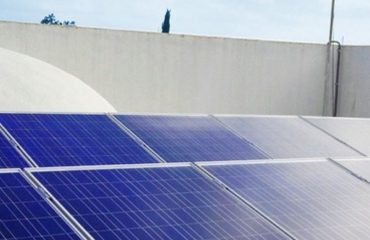
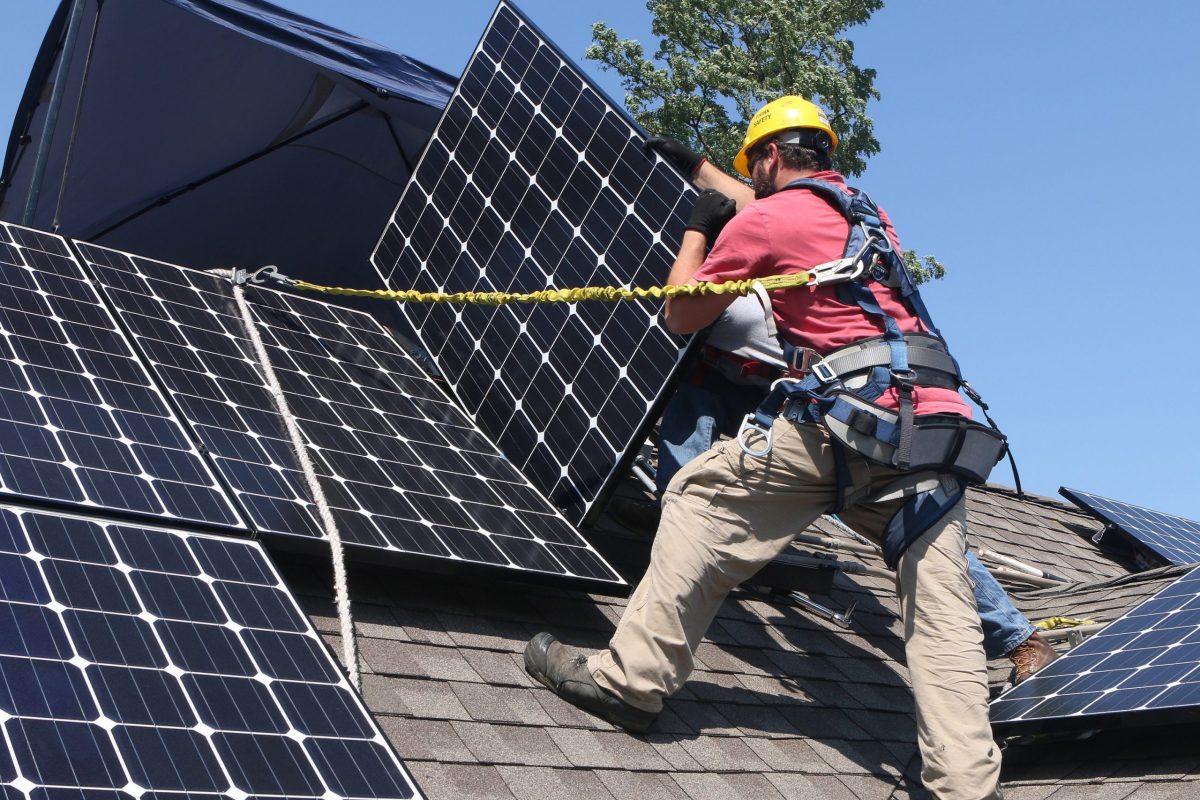
Building-wide solar installations represent the most powerful option for apartment dwellers who want to embrace renewable energy. In this scenario, solar panels are installed on the building’s roof, and the energy produced is shared among residents or used to power common areas like hallways, elevators, and outdoor lighting.
Who initiates these projects? Typically, it’s the building owner, property management company, or homeowners association that takes the lead. However, residents can absolutely be the spark that gets the conversation started. If you’re interested in bringing solar to your building, begin by gathering support from your neighbors and presenting the idea to your property manager or HOA board. The more residents who express interest, the stronger your case becomes.
The financial benefits of a shared system can be substantial. Property owners often use solar to reduce operating costs, which can translate to lower utility bills or reduced common area fees for residents. Some buildings divide the solar energy production proportionally based on unit size or equally among all residents. Others use the energy exclusively for shared spaces, which still reduces everyone’s monthly fees.
Understanding how costs are distributed is crucial before moving forward. Some buildings finance installations through special assessments paid by all unit owners, while others secure loans that are repaid through energy savings over time. Rental buildings may absorb the upfront costs themselves, viewing solar as a long-term investment that increases property value and attracts environmentally-conscious tenants.
When approaching your property manager, come prepared with specific questions: What is the building’s current energy expenditure? Has a solar feasibility study been conducted? Would residents share in the energy savings? What financing options exist? By framing solar as a financial advantage rather than just an environmental choice, you’ll make a more compelling case. Remember that designing a solar system for multi-unit buildings requires professional assessment, but the rewards benefit everyone under one roof.
Community Solar Programs
If installing panels on your apartment isn’t possible, community solar programs offer an excellent alternative that requires absolutely no installation, no roof access, and no permission from your landlord. These programs let you enjoy the financial benefits of solar energy without any physical equipment at your location.
Here’s how it works: a solar farm is built at an off-site location, typically in a sunny, open area outside the city. You subscribe to a portion of that solar farm’s energy production, and the electricity it generates gets credited to your utility bill. Think of it like a community garden, but for solar power. The solar farm produces clean energy that feeds into the grid, and you receive credits based on your share of that production.
The best part? You’ll typically save between 5% and 15% on your monthly electricity bills compared to standard utility rates. These savings happen automatically through billing credits, with no upfront costs or equipment purchases required. Most programs offer month-to-month subscriptions, making them perfect for renters who might move.
Finding a community solar program in your area is straightforward. Start by visiting communitysolaraccess.org or energysage.com, which maintain databases of available programs by zip code. You can also contact your utility company directly, as many now offer or partner with community solar initiatives. Some programs have waiting lists in popular areas, so it’s worth signing up early.
The subscription process is simple and usually takes less than ten minutes online. You’ll need your utility account information and proof of residence. There are no credit checks for most programs, and you can cancel when you move. This flexibility makes community solar ideal for apartment dwellers who want to support renewable energy and save money without the commitment or complications of traditional solar panel installation. You’re essentially outsourcing your solar panels to a shared facility while keeping all the financial benefits.

Balcony and Window Solar Panels
Good news for apartment dwellers: you don’t need roof access to start generating solar power. Balcony and window solar panels offer a practical entry point into renewable energy, even if you’re renting.
These compact systems typically range from 100 to 400 watts and mount easily on balcony railings or window sills using clamps or suction cups. Most require no drilling or permanent modifications, making them perfect for renters. You can set up a basic system in an afternoon, and take it with you when you move.
Let’s set realistic expectations about what these panels can power. A 300-watt balcony setup might generate 1-1.5 kilowatt-hours daily in sunny conditions, enough to run your laptop, charge multiple devices, power LED lighting, or keep a mini-fridge running. They won’t power your entire apartment, but they can meaningfully reduce your electricity bill by 10-20 dollars monthly while covering your work-from-home energy needs.
When choosing a system, look for plug-and-play kits that include the essential solar components: the panel itself, a micro-inverter to convert DC power to usable AC electricity, and weatherproof cables. Many units plug directly into standard outlets, making installation remarkably simple.
Before purchasing, check your lease agreement and verify that your balcony or window receives at least four hours of direct sunlight daily. South-facing exposure works best in the Northern Hemisphere. Also confirm your building allows external installations, even temporary ones.
While these systems won’t eliminate your electric bill, they provide genuine savings, reduce your carbon footprint, and give you hands-on experience with solar energy without major commitment or expense.
Portable Solar Solutions
If permanent installation isn’t an option for you, portable solar solutions offer an incredibly flexible alternative that requires absolutely no installation permits or landlord approval. These plug-and-play systems have revolutionized solar access for apartment dwellers, proving that you don’t need to own your home to harness the sun’s energy.
Portable solar generators combine solar panels with battery storage in one convenient package. Simply unfold the panels on your balcony or patio, let them charge throughout the day, and plug your devices directly into the battery unit. These systems are perfect for powering laptops, phones, small appliances, and even emergency backup power during outages. Most units produce between 100 to 400 watts, enough to make a noticeable dent in your electricity bills while keeping your essential devices running.
The key advantage here is mobility. When you move apartments, your solar investment moves with you. There’s no deinstallation hassle, no damage deposits at risk, and no abandoned equipment. You simply pack it up like any other belonging.
However, it’s important to understand the trade-offs. Portable systems won’t power your entire apartment like a rooftop installation would. They’re best suited for targeted uses like charging stations, outdoor entertaining, or offsetting specific appliances. Think of them as a starting point for your solar journey rather than a complete energy solution. The good news? Many apartment dwellers find that even partial solar coverage meaningfully reduces their monthly bills while giving them energy independence and peace of mind.
Getting Your Landlord or HOA on Board
Getting your landlord or HOA on board with solar might feel intimidating, but remember: you’re proposing something that benefits them too. The key is framing your request around their interests, not just your environmental goals.
Start by doing your homework. Research local solar incentives, tax credits, and property value studies. Properties with solar installations typically see a 3-4% increase in value, and buildings with green features attract quality tenants who stay longer. These are compelling points for any property owner concerned about their investment.
When you approach your landlord or HOA, keep your proposal professional and solution-focused. Submit a written request that outlines the benefits: reduced common area electricity costs, enhanced property appeal, potential tax deductions, and improved tenant satisfaction. If you’re considering solar panel integration for shared spaces, emphasize how multiple residents could benefit.
Address common concerns proactively. Many landlords worry about roof damage, installation costs, or aesthetic impacts. Counter these by offering to handle research on reputable installers who provide warranties, suggesting low-profile panel options, or proposing a pilot program with portable systems first.
Consider offering compromises. Perhaps you’ll cover installation costs in exchange for reduced rent, or you’ll commit to a longer lease term. For HOAs, propose forming a green energy committee to explore community solar options that benefit all residents.
If you face resistance, don’t give up immediately. Sometimes decision-makers need time to warm up to new ideas. Share success stories from similar properties, or connect them with solar companies that offer free consultations. You might also explore whether your state has solar access laws that protect your right to install renewable energy systems.
Remember, persistence and positivity go further than pressure. You’re advocating for a win-win solution that benefits everyone involved.
What It Actually Costs (And What You’ll Save)
The good news? Apartment solar solutions fit almost any budget, and you’ll start seeing savings faster than you might think.
Portable solar panels offer the most affordable entry point, with quality kits ranging from $200 to $800. A 200-watt portable system can reduce your electricity bill by $15 to $30 monthly, meaning you’ll break even in roughly two to three years. After that, it’s pure savings for the life of the equipment, typically 20-25 years.
Balcony solar installations run between $500 and $2,000 depending on system size. These setups can trim $30 to $70 off your monthly energy costs. While renters might hesitate at the upfront expense, remember you can take these systems with you when you move, making them a long-term investment in your energy independence.
Community solar programs require zero upfront costs in most cases. You simply subscribe to a local solar farm and receive 5-15% discounts on your electricity bill immediately. There’s no installation, no equipment to buy, and you can cancel if you relocate.
Here’s where it gets exciting: the federal Investment Tax Credit currently covers 30% of solar equipment costs for qualifying installations. Some states and municipalities offer additional rebates that can slash your investment by another 10-25%. Even portable systems may qualify for these incentives, so check your local programs before purchasing.
If your building is considering shared rooftop solar or has solar-ready infrastructure, costs get distributed among multiple units, dramatically lowering individual investment while maximizing savings. These arrangements often pay for themselves within five to seven years.
The bottom line? Apartment solar isn’t just possible—it’s genuinely affordable, with most options delivering positive returns well before your next lease renewal.

Your Next Steps Based on Your Situation
Your path forward depends entirely on your living situation, but everyone has options worth exploring. If you’re a renter, start by having a conversation with your landlord about portable solar panels or balcony-mounted systems. Present it as a win-win: you’ll handle the costs, and they’ll gain a property upgrade that appeals to eco-conscious tenants. Even if they say no to installations, you can still invest in plug-and-play solar devices that you can take with you when you move.
For apartment owners, your first step is reviewing your condo association rules or HOA guidelines. Many buildings are becoming solar-friendly, especially with the growing demand for sustainable living. If regulations seem restrictive, consider proposing a building-wide solar project at your next association meeting. Collective installations often reduce individual costs and increase negotiating power with installers.
If you’re part of a multi-unit building without installation rights, research community solar programs in your area this week. These subscriptions require zero installation and can start reducing your energy bills within 30 days of signing up.
Whatever your situation, don’t let apartment living stop you from going solar. The biggest mistake is assuming you have no options. Start with one actionable step today: measure your balcony space, call your property manager, or search for community solar providers in your zip code. Small actions lead to real savings and environmental impact.
Living in an apartment doesn’t mean putting your sustainability goals on hold. Whether you start with portable solar panels on your balcony, join a community solar program, or convince your landlord to consider a building-wide installation, you have more options than you might think. The solar landscape is changing rapidly, with new technologies and programs emerging specifically designed for renters and apartment dwellers. Start wherever you are right now. Even a small solar charger for your devices is a step toward cleaner energy and lower bills. As solar becomes increasingly accessible and affordable, the barrier between apartment living and renewable energy continues to shrink. Your living situation is just one factor in your sustainability journey, not a roadblock. Take that first step today, and you’ll be surprised how much impact you can make from your apartment.