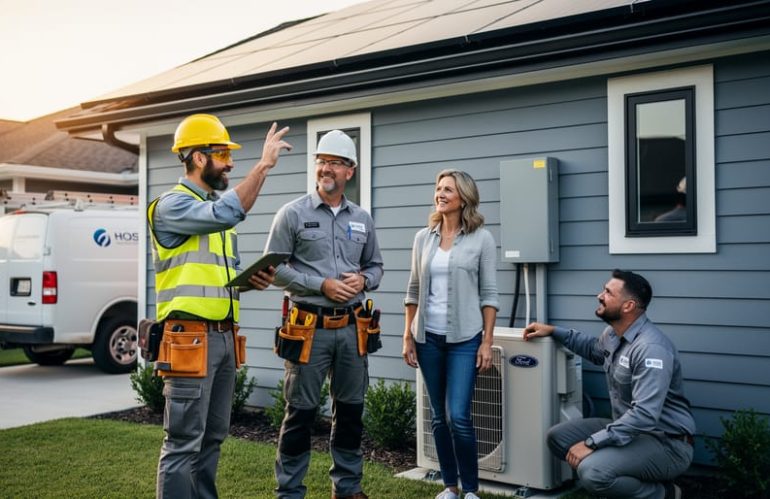
Start by identifying your electrification team: a qualified solar installer, a licensed electrician familiar with panel upgrades, an HVAC technician experienced in heat pump installations, and potentially a financial advisor who understands clean energy incentives. These professionals form your gas transition allies—the experts who transform your home from fossil fuel dependence to efficient, all-electric living.
Connect with your local utility company early in the planning process. They’ll assess your electrical capacity, identify necessary infrastructure upgrades, and explain available rebate programs. Many utilities now offer dedicated clean energy transition specialists who coordinate with contractors to streamline permitting and inspections, saving you time and reducing stress.
Request a comprehensive home energy audit before making any changes. This assessment reveals which gas appliances to prioritize replacing first—typically your water heater and heating system consume the most energy—and helps sequence upgrades for maximum financial benefit. Your audit results become a roadmap that prevents costly mistakes and ensures your electrical panel can handle new loads.
Schedule consultations with at least three contractors for each major upgrade. Compare not just pricing, but their experience with whole-home electrification projects and their willingness to coordinate with your other allies. The best contractors communicate seamlessly with each other, understand how solar production aligns with your new electrical loads, and help you capture every available tax credit and rebate—often saving homeowners $10,000 to $30,000 on their transition costs.
What Gas Transition Allies Actually Do for Your Home
The Bridge Between Your Old System and Clean Energy
Making the switch from gas to electric doesn’t happen overnight, and that’s where gas transition allies become invaluable. These specialists coordinate the entire journey, helping you replace gas heating with heat pumps, swap gas stoves for efficient induction cooktops, and upgrade to electric water heaters—all powered by your solar panels.
Think of them as project managers for your home’s energy transformation. They assess which appliances need replacing first, connect you with qualified installers, and ensure everything integrates smoothly with your solar system. This coordination saves you from juggling multiple contractors and prevents costly missteps like undersizing your solar array or choosing incompatible equipment.
Thanks to recent solar energy breakthroughs, today’s systems generate enough power to handle your entire home—including what used to run on gas. Your transition ally helps you tap into available rebates and incentives that can offset upgrade costs, often by thousands of dollars. They create a realistic timeline that fits your budget, whether you transition room by room or tackle everything at once. The result? A fully electric home that’s cheaper to run, better for the environment, and finally free from monthly gas bills.
Planning That Saves You Money and Headaches
One of the biggest advantages of working with gas transition specialists is avoiding expensive do-overs. When you plan your solar installation with your eventual full electrification in mind, you size your system correctly from the start. Installing solar panels that only cover your current electricity use might seem cost-effective today, but if you later switch to an electric heat pump or induction stove, you’ll need to expand your system—which means additional installation costs, more permitting, and disruption to your property.
Your transition allies help you map out your electrification timeline, even if you’re phasing changes over several years. They’ll calculate your future energy needs based on the gas appliances you plan to replace, ensuring your solar array can handle everything. This forward-thinking approach prevents undersized systems that leave you buying expensive grid electricity after you’ve gone electric.
Additionally, proper planning helps you stack incentives effectively. Federal tax credits, state rebates, and utility programs often have timing requirements or limited funding. Your transition team knows how to sequence your upgrades to maximize these savings, potentially saving you thousands of dollars compared to a haphazard approach.

Who Should Be on Your Gas Transition Team
Your Solar Installation Expert
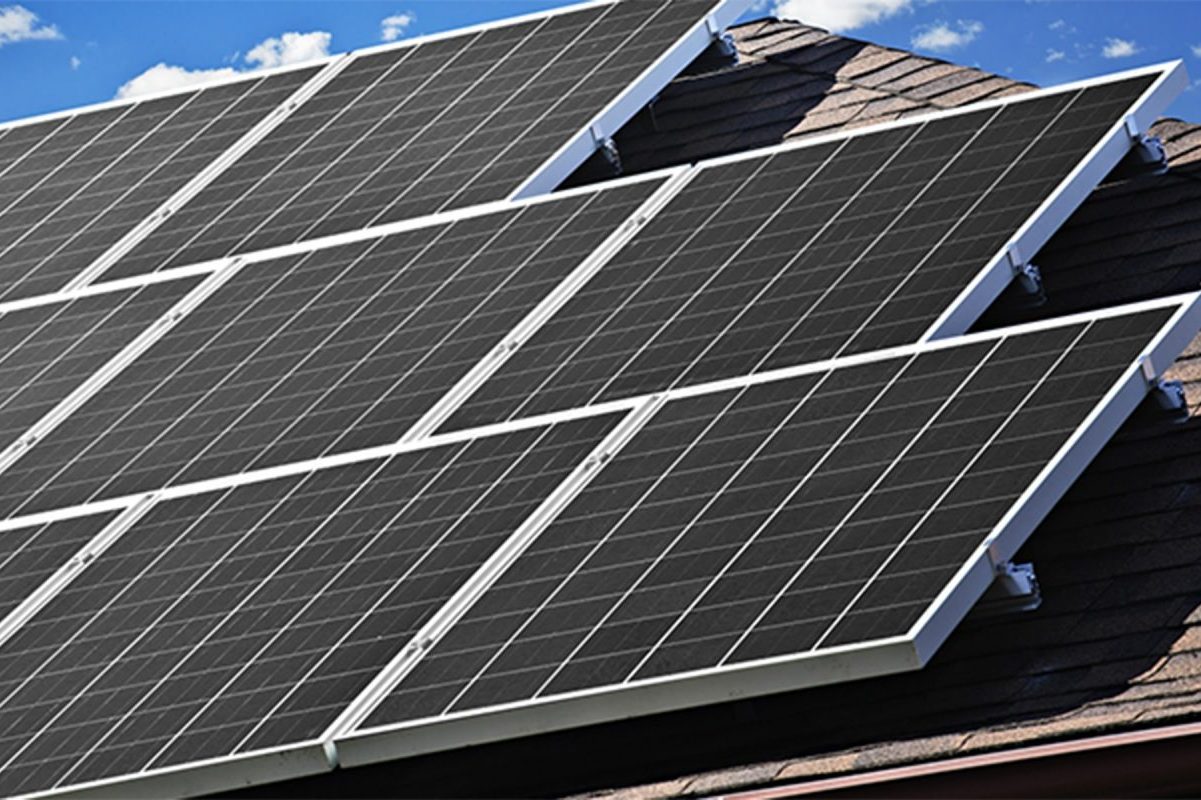
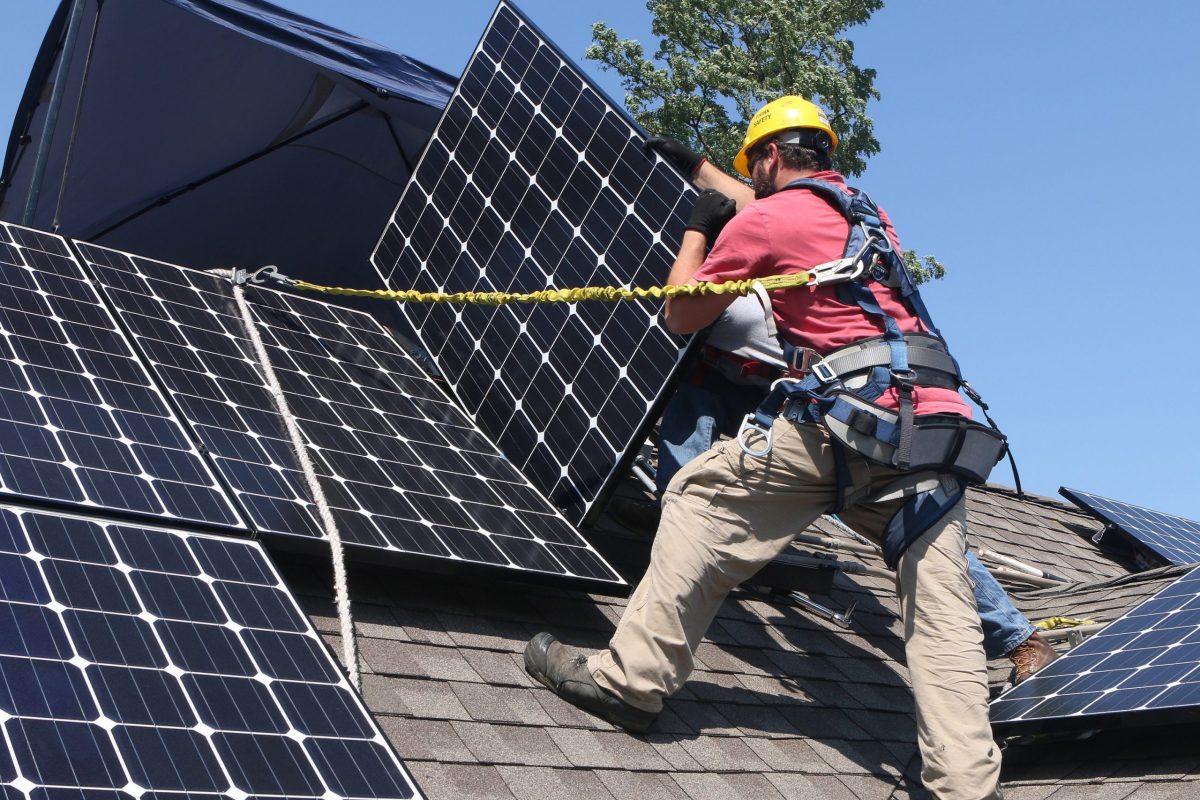
Not all solar installers are created equal. When you’re planning to move away from gas, you want a solar company that sees beyond just putting panels on your roof. The best partners understand how solar fits into your complete home electrification journey—from heat pumps to electric water heaters and EV chargers.
A knowledgeable solar installer will help you size your system correctly for your future electric appliances, not just your current usage. They’ll coordinate timing with your other upgrades and may even connect you with trusted contractors for those gas-to-electric switches. This holistic approach saves you from costly system upgrades down the road and ensures everything works together seamlessly from day one.
Look for solar companies that ask about your full electrification plans during consultations. Their expertise in the bigger picture means fewer headaches, better coordination, and a smoother path to a fully electric, money-saving home.
Electricians Who Understand Modern Energy Systems
When you’re adding solar panels and switching to electric appliances, your home’s electrical system needs an upgrade to handle the increased load. Licensed electricians specializing in modern energy systems become essential partners in this transition. They’ll assess your current electrical panel to determine if it can support your new solar-powered appliances, or if you need an upgrade to a larger capacity panel.
These professionals understand how solar energy flows into your home and can install the necessary connections between your solar system and electrical panel. They’ll ensure your home meets current building codes and safety standards, which is especially important since older homes may have outdated wiring that can’t safely handle modern energy demands.
The good news? Many electrical upgrades qualify for rebates and tax incentives, reducing your upfront costs. Your electrician can guide you on what work is eligible for these savings. They’ll also coordinate with your solar installer to ensure everything works seamlessly together, eliminating the headache of managing multiple contractors who aren’t communicating effectively.
HVAC Specialists for Heat Pump Installation
HVAC specialists are your go-to partners for swapping out that old gas furnace for a modern electric heat pump. These professionals assess your home’s heating and cooling needs, recommend the right-sized system, and handle the complete installation. Today’s heat pumps work efficiently even in cold climates, providing both heating and cooling from a single system. Your HVAC expert will remove the gas equipment, install the new heat pump, and ensure everything runs smoothly. Many homeowners discover that heat pumps dramatically lower their energy bills while eliminating gas line concerns. The best part? These specialists often work directly with your utility company to help you access available rebates and incentives, making the switch more affordable than you might expect.
Local Energy Programs and Incentive Coordinators
Making the switch from gas to electric doesn’t have to break the bank. Local energy program coordinators and incentive specialists know exactly which rebates you qualify for and can walk you through the application process. Many utilities offer substantial cash rebates for upgrading to electric heat pumps, induction stoves, and water heaters—sometimes covering 50% or more of the equipment cost. These coordinators stay current on federal tax credits, state programs, and utility incentives that change frequently. They’ll help you stack multiple rebates together to maximize your savings and ensure you don’t miss out on money that’s already earmarked for homeowners like you. The best part? Many of these coordination services are free or included with contractor partnerships.
The Step-by-Step Transition Process
Assessing Your Current Energy Use
Your gas transition ally begins by conducting a thorough evaluation of your home’s current energy use. They’ll review your utility bills from the past year to understand your gas consumption patterns and identify seasonal peaks. This assessment helps pinpoint which appliances consume the most gas—typically water heaters, furnaces, and stoves.
During a home walkthrough, they’ll inspect the age and efficiency of each gas appliance, noting which ones are nearing replacement anyway. This timing matters because replacing an appliance at the end of its lifespan is more cost-effective than switching prematurely. Your ally will prioritize systems based on potential energy savings, available rebates, and your budget. For example, an old gas water heater might be first on the list if it’s inefficient and qualifies for substantial incentives. The goal is creating a strategic roadmap that maximizes your savings while minimizing disruption to your daily life.
Right-Sizing Your Solar System for the Future
When installing solar panels, it’s smart to think beyond your current electricity needs. If you’re planning to replace gas appliances with electric alternatives like heat pumps, induction cooktops, or electric water heaters, your home’s electricity consumption will increase—sometimes significantly.
A quality solar installer will help you calculate the additional capacity needed to power these future upgrades. This forward-thinking approach, often part of transition zone planning, ensures you won’t need to expand your system later, which can be more costly and complicated.
The good news? Sizing up your solar installation now typically adds minimal extra cost compared to installing additional panels down the road. You’ll avoid duplicate installation fees and maximize your return on investment from day one. Many homeowners find that a slightly larger system pays for itself faster once they eliminate gas bills entirely, especially with current federal tax credits covering 30 percent of solar installation costs.

Timing Your Upgrades Strategically
You don’t need to overhaul your entire home at once. The smartest approach involves prioritizing upgrades based on your appliance replacement timeline and available incentives. Start with equipment that’s already nearing the end of its lifespan—there’s no need to replace a functioning water heater just because you’re going electric.
Consider tackling your transition in stages: perhaps solar panels first to establish clean energy generation, followed by your heating system during off-season when contractors offer better rates, then kitchen appliances as they naturally need replacement. This phased strategy keeps your out-of-pocket costs manageable while you take advantage of federal tax credits and local rebates as they become available.
Many homeowners find spring and fall ideal for major installations, avoiding the rush during extreme weather seasons. Your energy advisor can help you create a personalized timeline that maximizes financial incentives, coordinates smoothly with your household schedule, and ensures you’re never left without essential services during the transition.
Integrating Energy Storage
When your home runs entirely on electricity, a battery backup system becomes your safety net during power outages. Unlike homes with gas appliances that can sometimes function when the grid goes down, an all-electric home needs stored energy to keep essentials running. Modern battery systems work seamlessly with your solar panels, storing excess energy during sunny days and automatically switching on when needed. This means your refrigerator stays cold, your heat pump keeps working, and you maintain comfort without interruption. Beyond emergency backup, batteries also help you use more of your own solar energy instead of sending it back to the grid, maximizing your investment and reducing monthly bills even further.
Busting Common Myths About Gas-to-Solar Transitions
“It’s Too Expensive to Replace Everything at Once”
Nobody expects you to swap out your gas furnace, water heater, and stove all at once. That’s one of the biggest misconceptions about home electrification. The reality is far more manageable: you replace appliances as they reach the end of their natural lifespan, not before. This is exactly why neighbors are switching at their own pace without breaking the bank.
Your transition allies help you create a personalized roadmap that spreads costs over several years. They’ll assess which equipment might need replacement soon anyway and prioritize accordingly. Meanwhile, you start capturing energy savings immediately with each upgrade. For example, replacing just your water heater could cut that portion of your energy bill by half right away. Your allies also identify rebates and incentives that can cover 30-50% of equipment costs, making each phase surprisingly affordable while you build toward complete independence from gas.
“Electric Heat Doesn’t Work in Cold Climates”
Good news for those in chilly regions: modern heat pumps work brilliantly even when temperatures drop below freezing. Today’s cold-climate heat pumps efficiently heat homes in temperatures as low as -13°F, with some models performing well down to -25°F. Unlike older systems, these advanced heat pumps use improved refrigerants and compressor technology that maintain heating capacity when you need it most. Scandinavian countries have successfully relied on heat pumps for decades, proving their effectiveness in harsh winters. Plus, heat pumps cost less to operate than gas furnaces in most climates, saving you money while keeping your home cozy. The technology has evolved dramatically, making electric heating a smart, reliable choice regardless of where you live.
“I’ll Lose My Gas Stove”
Good news: modern induction cooktops actually outperform gas stoves in nearly every way. They heat faster, give you more precise temperature control, and make your kitchen safer by eliminating open flames and harmful indoor air pollutants. Many professional chefs are making the switch after experiencing induction’s superior performance.
The adjustment period is surprisingly short. Most people adapt within a week and wonder why they didn’t switch sooner. Induction cooktops stay cool to the touch except where the pan sits, making them easier to clean and safer for families with children. They’re also more energy-efficient since heat goes directly into your cookware rather than warming your entire kitchen.
Your existing pots and pans will likely work fine—if a magnet sticks to the bottom, they’re induction-ready. Financial incentives and rebates often cover a significant portion of the upgrade cost, making this transition more affordable than you might expect.
Real Financial Benefits of Working With Transition Allies

Maximizing Available Rebates and Tax Credits
Navigating the maze of rebates, tax credits, and incentives can feel overwhelming, but this is where your transition allies truly shine. Experienced professionals stay current on every available program—federal tax credits, state rebates, utility company incentives, and local grants—and know exactly which combinations you qualify for.
Here’s the real benefit: these experts handle the paperwork. They’ll ensure your installations meet all eligibility requirements, submit documentation correctly, and time your upgrades strategically to maximize savings. Many homeowners miss out on thousands of dollars simply because they weren’t aware of available programs or didn’t complete applications properly.
Your allies also understand how different incentives stack together. For example, you might combine a federal solar tax credit with a state heat pump rebate and a local utility efficiency bonus. They’ll create a financial roadmap showing you exactly what you’ll receive and when, turning what seems like complex bureaucracy into straightforward savings. With their guidance, you’re not leaving money on the table.
Long-Term Energy Bill Reductions
Let’s talk real dollars and cents. The average American household spending around $120 monthly on natural gas can eliminate that entire bill by switching to electric appliances powered by solar panels. That’s $1,440 back in your pocket every year.
When you combine this gas bill elimination with solar energy covering your electric needs, many homeowners see total energy costs drop by 70-90%. A typical family paying $250 combined for gas and electricity might reduce their monthly energy expenses to just $25-50, primarily covering minimal grid connection fees or financing costs that decrease over time.
The numbers get even better long-term. Solar panels typically last 25-30 years with minimal maintenance. After paying off your system—usually within 7-10 years through financing or tax incentives—you’re essentially getting free energy for the remaining lifespan. That’s potentially two decades of near-zero energy bills.
These savings compound year after year, especially as traditional energy costs continue rising. While your neighbors face 3-5% annual utility increases, your costs remain stable and predictable. Over a 20-year period, eliminating gas and switching to solar can save homeowners between $30,000 and $60,000, depending on local energy rates and household consumption.
Making the switch from gas to solar doesn’t have to feel overwhelming when you have the right team by your side. Your gas transition allies—from solar installers and HVAC specialists to electricians and energy auditors—each play a vital role in creating a seamless, successful energy transformation for your home.
Think of your energy transition as a collaborative effort rather than a solo journey. When these professionals work together, they ensure nothing falls through the cracks. Your solar system gets sized correctly for your actual needs, your heating and cooling solutions integrate smoothly, and your electrical panel can handle everything safely. This coordinated approach saves you time, reduces stress, and often uncovers cost savings you might have missed working with disconnected contractors.
The beauty of having dedicated gas transition allies is that they transform what seems like a complex project into manageable steps. They handle the technical details, navigate the permit processes, and maximize your available incentives—all while keeping your comfort and budget front and center. With the right partners guiding you, going solar becomes more than just installing panels; it becomes a comprehensive upgrade that makes your home more efficient, sustainable, and valuable for years to come.