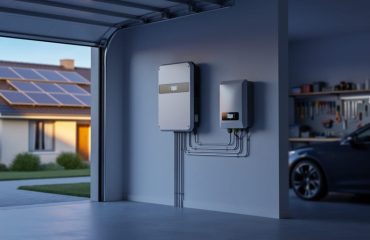
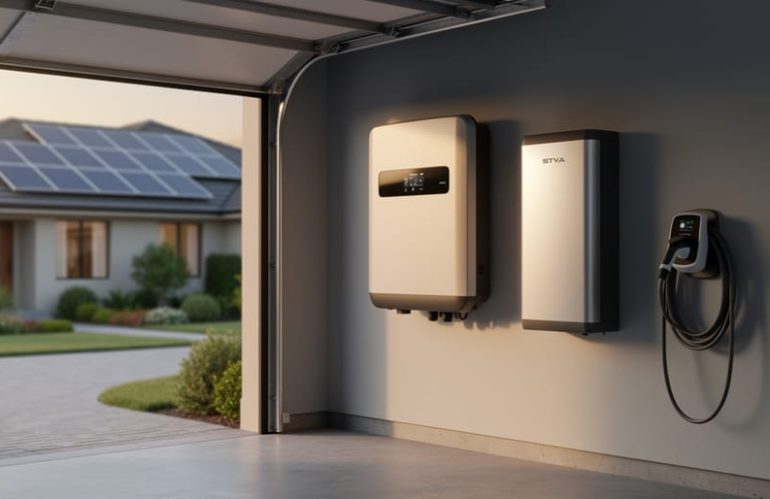
Your solar panels generate electricity, but your inverter determines whether that power simply keeps your lights on or transforms your entire home into an intelligent energy hub. Smart inverters go far beyond converting DC to AC power—they communicate with your home automation system, optimize energy use based on your habits, and can even sell excess power back to the grid at premium rates.
The difference is profound: traditional inverters are one-way devices that convert power and stop there. Smart inverters monitor every watt flowing through your system, adjust performance in real-time based on weather and demand, and integrate seamlessly with devices like Nest thermostats, electric vehicle chargers, and battery storage systems. This means your solar system actively responds to your lifestyle rather than passively generating power.
The practical impact shows up in three areas that directly affect your wallet and daily convenience. First, smart inverters identify system issues before they become expensive problems, often alerting you to maintenance needs through your smartphone. Second, they enable time-of-use optimization, automatically storing power when electricity rates are low and deploying it when rates peak. Third, they provide granular data about your energy consumption patterns, revealing exactly which appliances drain the most power and when.
For homeowners who’ve invested thousands in solar, the incremental cost of smart inverter technology typically pays for itself within two to three years through improved efficiency and grid incentives. The question isn’t whether smart inverters are worth it, but whether you can afford to miss their benefits.
What Makes an Inverter “Smart” (And Why It Matters for Your Home)
Think of a traditional inverter as a one-way street. It converts the energy from your solar panels into usable electricity for your home, and that’s it. A smart inverter does the same job, but it’s more like an intelligent traffic controller that constantly communicates, adjusts, and optimizes everything happening on that street.
The key difference is connectivity. Smart inverters can “talk” to your home’s devices, the electrical grid, your smartphone, and even your battery storage system. This two-way communication opens up possibilities that weren’t available before.
Here’s what this means for your daily life: Instead of wondering whether your solar system is working properly, you can check its performance from your phone while sitting on your couch or even at work. If something isn’t quite right, you’ll know immediately rather than discovering it months later when your electric bill arrives.
Smart inverters also make automatic adjustments based on real-time conditions. When clouds roll in, they optimize energy flow. If your neighborhood experiences voltage fluctuations, they respond instantly to keep your home protected. During peak energy hours when electricity costs more, they can prioritize using your stored solar energy instead of pulling from the grid.
Perhaps most importantly, smart inverters play well with others. They integrate seamlessly with your home battery, electric vehicle charger, smart thermostat, and other connected devices. This creates an ecosystem where everything works together to maximize your savings and minimize your reliance on the grid.
The bottom line? Traditional inverters simply convert power. Smart inverters manage, optimize, and give you control over your entire energy system. They transform solar panels from a passive installation on your roof into an active, responsive part of your home that adapts to your needs and helps you save money every single day.
The Real-World Benefits of Smart Inverter Technology
See Your Energy Production and Usage in Real Time
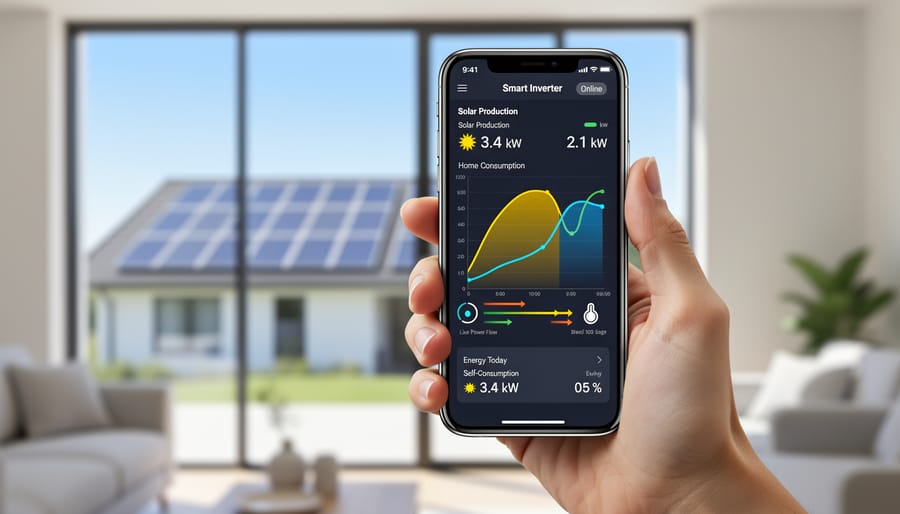
Gone are the days of waiting for your monthly utility bill to understand your energy usage. Smart inverters connect directly to your smartphone, giving you a live window into your home’s energy production and consumption. Think of it as a fitness tracker for your house—you’ll see exactly how much solar power you’re generating, what you’re using, and how much you’re sending back to the grid, all updated in real time.
This instant visibility transforms how you use energy. You’ll quickly spot energy-hungry appliances and learn to shift activities like running the dishwasher or charging your electric vehicle to peak solar production hours. Many homeowners report feeling more in control of their energy bills within the first week of using these apps.
The data appears in simple, colorful graphs that anyone can understand—no engineering degree required. You’ll get daily summaries, weekly trends, and monthly comparisons that help you track your savings over time. Some apps even send helpful notifications, like alerting you when your panels need cleaning or if production drops unexpectedly. This level of transparency empowers you to maximize your solar investment and reduce your carbon footprint simultaneously.
Automatically Optimize Your Energy Use
Think of your smart inverter as the conductor of your home energy orchestra, coordinating when different appliances run to match when your solar panels produce the most power. Rather than running your dishwasher or charging your electric vehicle at random times throughout the day, your smart inverter can communicate with compatible appliances and systems to schedule energy-intensive tasks during peak sunlight hours.
This intelligent timing means you’re using more of your own solar energy instead of pulling from the grid, which translates directly to lower electricity bills. For example, your smart inverter might delay starting your pool pump until mid-morning when your panels hit full production, or signal your water heater to heat up while the sun is strongest.
The best part? Once you set your preferences, this all happens automatically in the background. You won’t need to constantly monitor your system or manually adjust schedules. Your smart inverter learns your household patterns and solar production cycles, then optimizes energy use accordingly. This maximizes what’s called “self-consumption,” meaning you’re getting the most value from every ray of sunshine hitting your roof while reducing your dependence on grid electricity when rates are highest.
Protect Your Investment with Remote Diagnostics
Think of your smart inverter as having a built-in health monitoring system for your entire solar setup. Unlike traditional inverters that only signal problems when something has already gone wrong, smart inverters constantly check your system’s performance and can spot potential issues before they become expensive headaches.
Here’s where the real value kicks in: when your smart inverter detects something unusual, like a slight drop in panel performance or an irregular voltage pattern, it immediately alerts both you and your solar installer. This means your installer can often diagnose problems remotely without scheduling a site visit. They can log into your system, review the data, and determine whether the issue needs hands-on attention or can be resolved with a simple adjustment.
This remote monitoring capability saves you money in several ways. First, you catch problems early when they’re easier and cheaper to fix. A minor wiring issue identified today won’t turn into a major system failure next month. Second, you reduce unnecessary service calls and the associated trip fees. Your installer only visits when truly needed, and they arrive knowing exactly what to fix, bringing the right parts and tools.
Many homeowners report that their installers proactively reach out about potential issues before they even notice a problem. This preventive approach to inverter maintenance keeps your system running at peak efficiency and extends its lifespan, protecting your solar investment for decades to come.
Smart Inverters + Smart Home: Creating Your Energy Command Center
Voice Control and Virtual Assistants
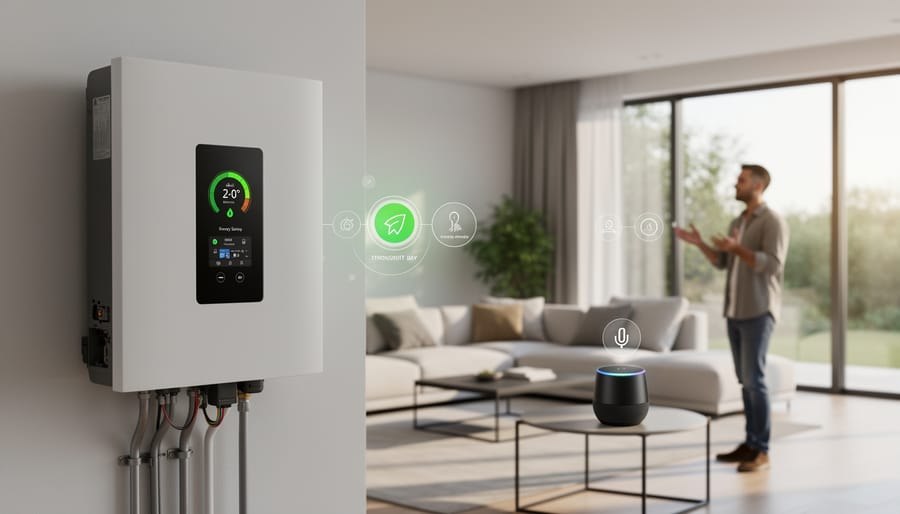
Managing your solar-powered smart home is easier than ever with voice control integration. Modern smart inverters connect seamlessly with popular virtual assistants like Amazon Alexa, Google Home, and Apple HomeKit, putting energy management at your fingertips—or rather, at the tip of your tongue.
Simply ask your virtual assistant how much energy your solar panels are generating, check your battery storage levels, or find out how much money you’ve saved this month. You can even set up custom voice commands to switch between energy modes or activate backup power during peak pricing hours.
This hands-free approach makes monitoring your system effortless, whether you’re cooking dinner, working from home, or just curious about your energy production. There’s no need to open apps or navigate through menus. The technology removes barriers between you and your energy data, making sustainable living feel natural and convenient. For families, it means everyone can stay informed about household energy use without technical expertise, turning solar monitoring into a simple part of daily life.
Smart Thermostats and Climate Control
Your smart inverter can communicate directly with popular smart thermostats like Nest and Ecobee to create a powerful money-saving partnership. Here’s how it works: when your solar panels are producing the most electricity during midday hours, your smart inverter signals your thermostat to pre-cool or pre-heat your home. This means you’re using free solar energy to condition your home instead of paying for expensive grid electricity during evening peak hours.
Think of it as banking comfort for later. Your home becomes a thermal battery, staying cool through the afternoon heat or warm on chilly mornings, all while your panels are cranking out power. Many homeowners report cutting their heating and cooling costs by 20-30% with this simple coordination.
The setup is surprisingly straightforward. Most modern thermostats connect through your home Wi-Fi network and can be programmed to respond to solar production signals. You’ll set your preferences once, and the system handles the rest automatically. No manual adjustments needed, just consistent savings month after month while maximizing every watt your panels produce.
EV Charging Integration
If you own an electric vehicle, your smart inverter becomes even more valuable by coordinating your car charging with peak solar production hours. Instead of charging overnight when you’re pulling expensive grid power, your smart inverter can automatically schedule charging sessions for midday when your panels are generating the most electricity. This timing optimization can reduce your EV charging costs by 70% or more compared to standard grid rates.
The technology works seamlessly in the background. You simply plug in your vehicle whenever you arrive home, and the smart inverter calculates the optimal charging schedule based on your driving needs and tomorrow’s solar forecast. If you need a full charge immediately, you can override the system with a simple tap on your phone. For most homeowners, this intelligent coordination means powering both your home and transportation from sunshine, maximizing your solar investment while dramatically cutting your monthly fuel expenses.
Battery Storage and Backup Power
Think of a smart inverter as the brain that makes your battery storage systems truly intelligent. Instead of you manually deciding when to charge or discharge your battery, the smart inverter handles everything automatically based on your needs and energy costs.
Here’s how it works: During sunny afternoons when your panels produce excess energy, your smart inverter stores that power in your battery for later use. When evening arrives and electricity rates spike, it automatically switches to battery power instead of pulling from the expensive grid. If a storm knocks out power, the inverter seamlessly transitions to backup mode within milliseconds, keeping your lights on and refrigerator running.
The real magic happens with grid interaction. When your battery is full and you’re producing more solar energy than needed, the inverter can sell that excess power back to your utility company, turning your home into a mini power plant that actually earns you money while maximizing your energy independence.
Debunking Common Myths About Smart Inverter Technology
“Smart Inverters Are Too Complicated to Use”
This concern made sense a decade ago, but today’s smart inverters are built with you in mind, not electrical engineers. Most systems come with smartphone apps that look and feel like the other apps you use daily. You’ll see simple, colorful dashboards showing how much energy you’re producing, using, and saving in real dollars and cents.
Setting up monitoring typically takes just minutes. Scan a QR code, connect to your home WiFi, and you’re done. From there, you can check your system’s performance while drinking your morning coffee or troubleshoot issues with a few taps. Many homeowners report that their kids can easily understand the displays.
If you ever do need help, modern systems include helpful tutorials, customer support chat features, and automated alerts that explain problems in plain English. The technology handles the complex calculations behind the scenes so you only see what matters: Is my system working? Am I saving money? The answer is usually a satisfying yes on both counts.
“They’re Just a Marketing Gimmick”
Far from being just hype, smart inverters deliver real, measurable advantages over traditional models. The numbers speak for themselves: homeowners typically see 5-20% more energy production thanks to advanced features like module-level monitoring and rapid shutdown capabilities that minimize power loss. This translates directly to your wallet—an extra $150-400 annually for an average residential system.
Smart inverters also dramatically reduce service costs. When issues arise, their diagnostic capabilities pinpoint problems instantly, eliminating costly troubleshooting visits. Many homeowners report saving $200-500 per service call compared to traditional inverters that require technicians to manually test each component.
Perhaps the biggest financial win comes from grid services. In participating markets, your smart inverter can earn credits by helping stabilize the local power grid during peak demand, adding another revenue stream to your solar investment. These aren’t theoretical benefits—they’re proven returns that make smart inverters a practical upgrade, not just a flashy add-on.
“Smart Features Will Become Outdated Quickly”
Unlike smartphones that become obsolete in a few years, smart inverters are built for the long haul. Most manufacturers regularly release software updates that add new features and improve performance, much like your computer or tablet receives updates. These updates happen remotely, often automatically, keeping your system current without requiring new hardware.
Modern smart inverters are designed with open standards and flexible communication protocols, ensuring they work with emerging smart home technologies as they develop. Think of it as future-proofing your investment. The monitoring and control capabilities that make an inverter “smart” today will continue evolving through updates, meaning your system gets better over time rather than falling behind. Most quality smart inverters come with 10-15 year warranties and are designed to adapt to new grid requirements and home energy standards throughout their lifespan.
What to Look for When Choosing a Smart Inverter
Choosing the right smart inverter doesn’t require an engineering degree, but a few key considerations will help you make a confident decision that pays off for years to come.
Start with compatibility. Your smart inverter needs to work seamlessly with your solar panels and home electrical system. Most manufacturers clearly specify which panel types and sizes their inverters support, so check these details before buying. If you’re planning other smart solar upgrades, verify that your inverter can integrate with battery storage systems and home energy management platforms.
Focus on monitoring features that actually matter to you. The best smart inverter provides real-time energy production data through an easy-to-use app that shows how much electricity you’re generating, using, and potentially sending back to the grid. Look for systems that send alerts when performance dips, helping you address issues before they impact your savings.
Grid support capabilities are increasingly important. Many utility companies now require or incentivize inverters with advanced grid support functions. These features not only help stabilize the electrical grid but may qualify you for rebates or better net metering rates. Your solar installer can explain what your local utility requires or rewards.
Consider warranty length and manufacturer reputation. Since your inverter works hard every sunny day, a solid 10 to 25-year warranty protects your investment. Research customer reviews focusing on real-world reliability and customer service responsiveness.
Future-proofing matters too. Even if you’re not adding battery storage today, choosing an inverter that supports it means you won’t need a costly replacement later. The same applies to smart home integration capabilities. Spending slightly more upfront for expandable features often saves money down the road and maximizes your solar system’s potential as technology evolves.
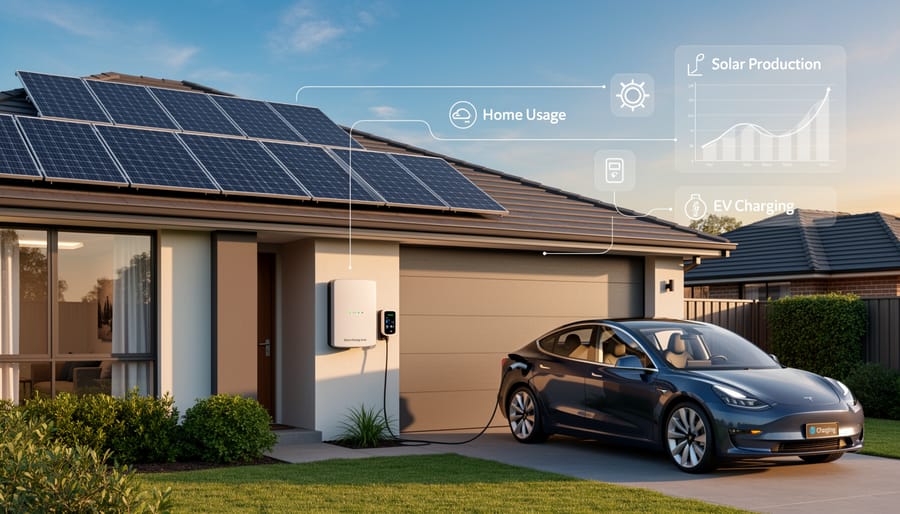
Smart inverters represent more than just an upgrade to your solar system—they’re the natural evolution of how we power our homes. By transforming your solar panels from a simple energy generator into an intelligent, responsive part of your household, smart inverters unlock tremendous value that traditional systems simply can’t match. You gain real-time visibility into your energy production and consumption, the ability to maximize your solar investment through smart energy management, and seamless integration with the smart home devices you already use.
The financial benefits speak for themselves: reduced electricity bills through optimized energy use, potential earnings from grid services programs, and increased home value from a modern, connected energy system. Meanwhile, the user-friendly apps and automation features make managing your solar system effortless rather than complicated.
If you’re considering solar panels or looking to upgrade your existing system, smart inverters should be your foundation. They future-proof your investment, ensuring your home stays compatible with emerging technologies and energy programs. From the solar installation process through decades of operation, smart inverters deliver ongoing value that compounds over time.
Ready to explore how smart inverters can transform your home’s energy management? Connect with qualified solar professionals who can assess your specific needs and design a system that works hardest for your household. Your journey toward a truly smart, energy-efficient home starts with the right inverter choice.