Going solar requires navigating a complex patchwork of state regulations, but understanding your specific requirements upfront can save you thousands of dollars and months of delays. While federal tax incentives apply nationwide, each state maintains distinct licensing rules for solar installers, ranging from straightforward contractor licenses to specialized photovoltaic certifications.
The licensing landscape varies dramatically. Some states like Arizona and Florida mandate specific solar contractor licenses with rigorous testing requirements, while others like Indiana allow general contractors to perform solar installations without additional credentials. California operates under a tiered system where the size and complexity of your system determines which licensed professional you need. Understanding these differences matters because hiring an improperly licensed contractor can void warranties, jeopardize insurance coverage, and leave you personally liable for system failures.
Beyond formal licensing, successful solar installations also depend on securing proper permits and navigating local approval processes. Most jurisdictions require building permits, electrical permits, and utility interconnection agreements before your system can go live. Homeowners associations add another layer, sometimes imposing aesthetic restrictions or placement requirements that affect system efficiency.
This guide breaks down licensing requirements state-by-state, helping you verify your installer’s credentials, understand what permits you’ll need, and anticipate potential approval challenges. Whether you’re comparing quotes or already working with a contractor, knowing your state’s specific requirements protects your investment and ensures your solar journey stays on track from planning through activation.
The Two Types of Approval Every Solar Project Needs
What State Licensing Actually Covers
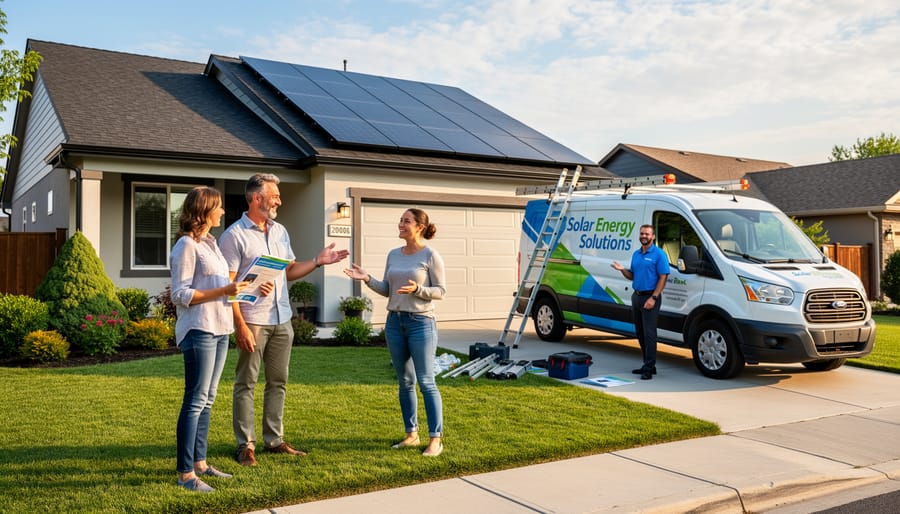
State licensing requirements exist primarily to protect you and your home. When your state requires solar installers to hold specific licenses, they’re ensuring these professionals meet essential safety standards and have demonstrated competence in their field.
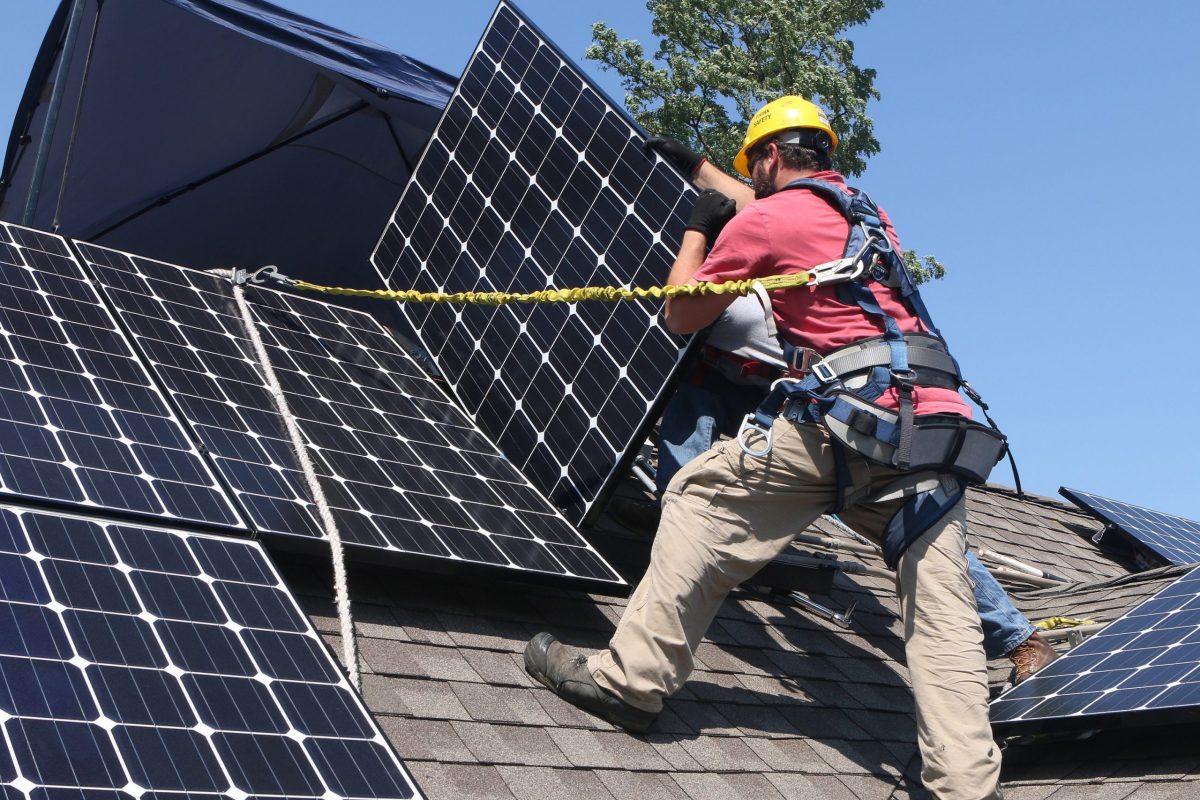
Most state licensing covers four key areas. First, electrical safety standards ensure your solar system connects properly to your home’s power grid without creating fire hazards or electrical issues. Second, building codes verify that panels are structurally sound and won’t damage your roof or property during storms. Third, contractor qualifications confirm that installers have the necessary training and experience to do the job right. Finally, many states require proper insurance and bonding to protect homeowners if something goes wrong.
Think of licensing as your first line of defense against poor workmanship. Licensed contractors have passed exams, maintained insurance, and agreed to follow established safety protocols. While this might seem like red tape, it actually works in your favor by weeding out unqualified installers before they can compromise your investment or your home’s safety. Understanding these requirements helps you verify that your chosen installer meets professional standards, giving you peace of mind throughout your solar journey.
What Community Acceptance Really Means
Beyond official permits and licenses, community acceptance plays a surprisingly important role in your solar journey. Think of it as your “social license” – the unofficial green light from your neighborhood, homeowners association, and local community.
Community acceptance includes three key elements. First, there’s neighborhood goodwill – ensuring your neighbors understand and support your installation. Second, if you live in an HOA community, you’ll need their formal approval, though many states now protect your right to install solar. Third, local cultural attitudes toward renewable energy can affect everything from installer availability to how quickly your project moves forward.
Why does this matter? A supportive community makes installation smoother and helps avoid disputes that could delay your project or create lasting tension. When neighbors increase solar value through their own adoptions, you benefit too. Plus, positive relationships with neighbors mean you’re more likely to enjoy long-term satisfaction with your solar investment without uncomfortable conflicts over aesthetics or property lines. Taking time to communicate your plans and address concerns upfront creates a win-win situation for everyone involved.
How State Regulations Shape Community Attitudes
States Leading in Solar-Friendly Policies
Several states have taken the lead in making solar installations smoother and more widely accepted by simplifying the licensing process and offering robust incentive programs. These forward-thinking policies not only reduce red tape but also help normalize solar energy in neighborhoods, making it easier for homeowners to gain community support.
California stands at the forefront with its Solar Rights Act, which prevents homeowners associations from blocking solar installations. The state’s streamlined permitting process means most residential projects get approved quickly, often within days rather than weeks. This efficiency has made solar panels a common sight across California neighborhoods, reducing the novelty factor that sometimes concerns neighbors.
Massachusetts has pioneered a model of simplified interconnection rules that make connecting your solar system to the grid remarkably straightforward. The state’s SMART program provides clear financial incentives while maintaining accessible licensing requirements. When your neighbors see how simple the process has become, they’re more likely to view solar as a practical home improvement rather than a complicated experiment.
New York’s NY-Sun initiative combines financial incentives with standardized permit applications across municipalities. This consistency means installers and homeowners face fewer surprises, and the predictable process has helped solar become mainstream in many communities. When installations proceed smoothly without prolonged construction periods or permit disputes, neighbors experience minimal disruption.
Other states like New Jersey, Colorado, and Arizona have followed suit with progressive policies that balance safety requirements with practical accessibility. These states demonstrate that when governments make solar licensing straightforward and transparent, community acceptance naturally follows. Neighbors are far more receptive when they see installations happening efficiently and professionally throughout their area.
States Where You’ll Need Extra Community Groundwork
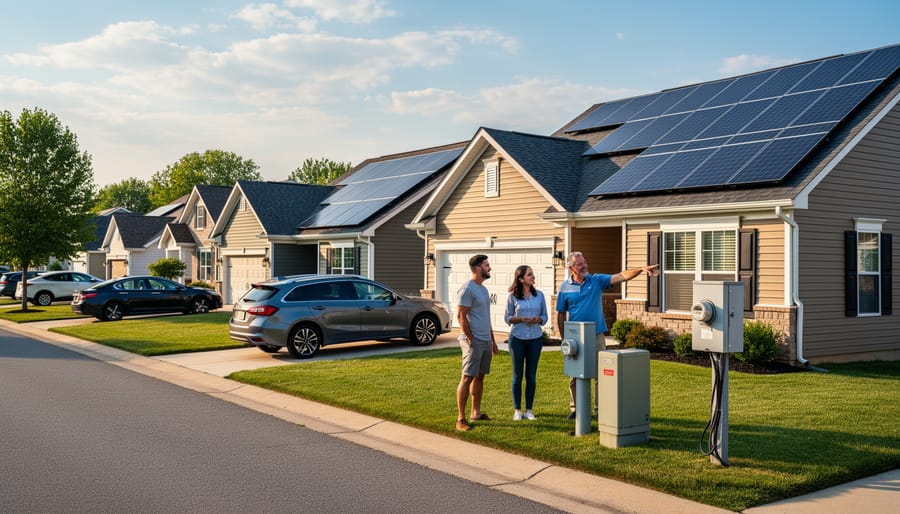
Some states are just beginning their solar journey, which means you might be one of the pioneers in your neighborhood. States like West Virginia, Alabama, and Mississippi have smaller solar markets, not because of restrictions, but simply because the programs are newer and fewer neighbors have made the switch yet.
Think of this as an opportunity rather than a roadblock. You’ll likely need to spend extra time explaining the benefits to your homeowners association or neighbors who haven’t seen solar panels up close. The good news? community education programs are expanding into these areas, making your job easier.
Your installer will still handle all the licensing requirements, but budget additional time for conversations with your community. Bring your utility savings projections to HOA meetings, share information about how modern panels actually increase property values, and be ready to answer basic questions about how the system works.
The licensing process itself isn’t harder in these states, you’ll just be doing more groundwork to help your community understand this smart financial decision.
The Ripple Effect of Net Metering Laws
State net metering laws create a powerful ripple effect that extends beyond individual homeowners to shape entire neighborhood attitudes toward solar energy. When states establish clear net metering policies that allow homeowners to receive credits for excess electricity sent back to the grid, the financial benefits become tangible and easy to understand. Neighbors take notice when they see actual savings on monthly bills, transforming solar panels from an abstract environmental choice into a practical financial decision. This clarity helps overcome skepticism and resistance. Communities in states with strong net metering policies often experience faster solar adoption rates because residents can point to specific dollar amounts rather than vague promises. Your neighbors are more likely to support your solar installation when they understand it’s backed by state law guaranteeing measurable returns. As more homes in a neighborhood go solar under favorable net metering rules, it normalizes the technology and creates positive peer pressure, making future installations easier to accept and even celebrated.
Common Community Concerns About Residential Solar (And How State Rules Address Them)
Property Values and Aesthetic Concerns
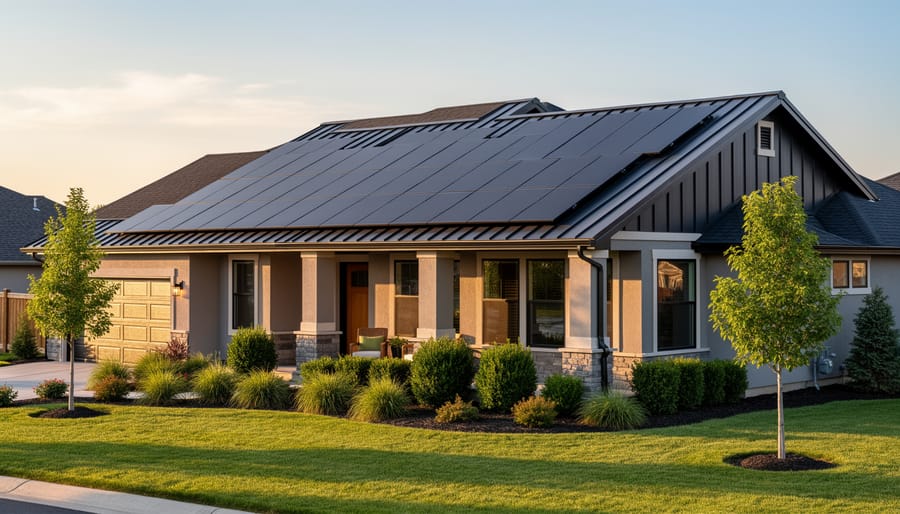
Let’s clear up a common misconception: solar panels actually boost your home’s value, not diminish it. Multiple studies, including research from Zillow, show homes with solar installations sell for an average of 4.1% more than comparable homes without them. The key to capturing this value increase is ensuring your installation meets professional standards, which is exactly what state licensing requirements protect.
When you hire a state-licensed solar installer, you’re guaranteeing that your system meets building codes, safety standards, and quality benchmarks. These licensed professionals understand local regulations and deliver installations that potential buyers will view as assets rather than liabilities. An unlicensed installation can become a red flag during home inspections, potentially scaring off buyers or requiring expensive corrections.
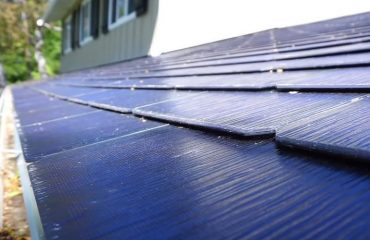
Worried about how panels will look on your roof? Today’s solar technology has come a long way from the bulky blue panels of the past. Modern options include sleek all-black panels, low-profile mounting systems, and even solar shingles that blend seamlessly with traditional roofing. Licensed installers stay current with these aesthetic innovations and can recommend solutions that complement your home’s architecture while maximizing energy production. Quality installation by licensed professionals ensures panels are mounted flush and aligned properly, creating a clean, intentional appearance that enhances rather than detracts from your home’s curb appeal.
Safety and Fire Code Worries
You might worry that state licensing requirements are just red tape, but they’re actually working in your favor. These regulations ensure that your solar installation meets critical safety standards that protect your home and family. Licensed professionals must follow specific electrical codes that prevent fire hazards, ensure proper grounding, and guarantee that your system won’t overload your home’s electrical capacity.
State requirements also address fire department access concerns by mandating proper panel placement and roof clearances. This means firefighters can safely navigate your roof in an emergency, something you definitely want if you ever need them. These setback requirements and access pathways are carefully designed to balance solar efficiency with emergency response needs.
The bottom line? Licensing requirements mean you’re getting qualified professionals who understand both the technical aspects and safety protocols. Rather than seeing these regulations as obstacles, think of them as a seal of approval that your solar investment is being handled correctly. You’re not just getting a solar system—you’re getting peace of mind that everything meets building codes, electrical standards, and fire safety requirements that have been refined over years of real-world experience.
Glare and Environmental Impact Questions
Concerned neighbors sometimes worry about glare from solar panels, but this rarely becomes an issue with modern technology. Today’s panels are designed with anti-reflective coatings that actually absorb light rather than bounce it back. In fact, solar panels typically reflect less light than standard windows or even a glossy car in your driveway.
State installation standards help ensure proper panel placement and angle to minimize any potential glare concerns. Licensed installers follow these guidelines as part of the permitting process, positioning panels to maximize energy production while considering sight lines to neighboring properties. Many states require installers to address glare assessments during the approval phase, giving neighbors peace of mind before installation begins.
The environmental benefits of solar energy extend far beyond your property line. Every solar installation reduces the community’s reliance on fossil fuels, improves local air quality, and decreases the strain on the electrical grid during peak demand times. When you go solar, you’re not just lowering your own energy bills—you’re contributing to cleaner air and a more resilient energy system for everyone in your neighborhood.
By understanding your state’s licensing requirements and working with certified professionals, you can confidently address any glare concerns while highlighting the positive environmental impact your solar system brings to the entire community.
Working With HOAs: Where State Law Meets Local Rules
Solar Access Laws That Protect Your Rights
Good news for homeowners: you have more power than you might think when it comes to installing solar panels. Many states have enacted solar access laws that specifically protect your right to harness clean energy, even if you live in a community with a homeowners association.
Currently, over 20 states have laws preventing HOAs from outright banning solar installations. These protections recognize that access to renewable energy is increasingly important for both environmental sustainability and personal financial savings. While HOAs may still have some say in placement or appearance, they cannot completely deny your request to go solar.
These laws typically allow HOAs to impose reasonable restrictions, such as requiring panels to be less visible from the street or maintaining a certain aesthetic standard. However, any restrictions must not significantly increase your costs or decrease your system’s efficiency by more than 10-20 percent, depending on your state.
California, Florida, Texas, and Arizona are among the states with the strongest solar access protections. If you’re facing resistance from your HOA, it’s worth researching your specific state’s laws. Many homeowners have successfully installed solar panels by simply informing their HOA of these legal protections. Understanding your rights puts you in a stronger negotiating position and helps ensure your path to clean, affordable energy remains clear.
Finding the Win-Win With Your HOA
Working with your HOA doesn’t have to be an uphill battle. The key is approaching the conversation as partners rather than adversaries. Most HOA boards genuinely care about property values and community aesthetics, so frame your solar project in those terms.
Start by doing your homework. Review your HOA’s architectural guidelines and understand your state’s solar access laws. Many states have legislation that limits an HOA’s ability to prohibit solar installations, though they can often regulate placement and appearance. Come to your first meeting armed with both your rights and a willingness to compromise.
Present your solar plans visually. Show mockups or photos of similar installations that blend seamlessly with neighborhood aesthetics. Highlight low-profile panels, color-matched mounting systems, or strategic placement on less visible roof sections. The goal is demonstrating that going solar doesn’t mean sacrificing curb appeal.
Consider offering concessions that matter to your HOA while protecting what matters most to you. Perhaps you can use black-on-black panels instead of standard silver frames, or position arrays away from street view. These small adjustments often satisfy aesthetic concerns while maintaining your system’s efficiency.
Emphasize the benefits to the community. Solar installations can increase property values and demonstrate the neighborhood’s commitment to innovation and sustainability. Some homeowners have found success bringing documentation about how solar has positively impacted similar communities.
If you hit resistance, stay calm and constructive. Request specific concerns in writing, then address each one systematically. Remember, persistence combined with flexibility usually leads to approval, creating a situation where everyone feels heard and respected.
Building Community Support Before Installation Day
Having the Conversation Early
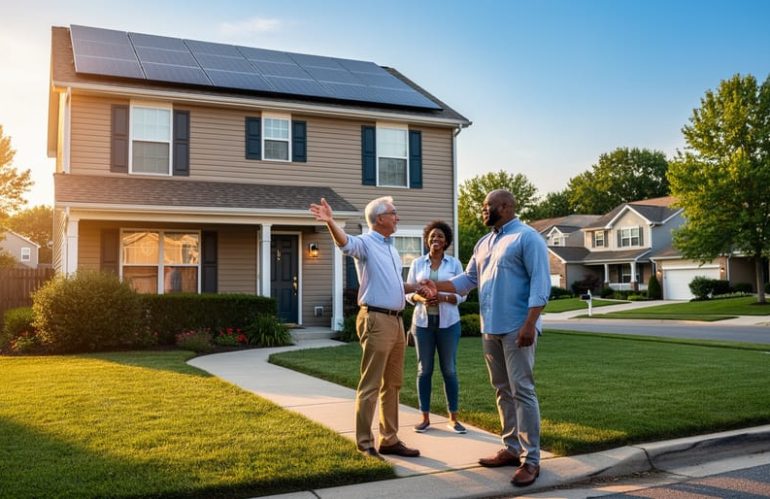
Before you submit your solar permit application, consider having friendly conversations with your immediate neighbors about your plans. This proactive approach helps prevent misunderstandings and demonstrates respect for your community. Many homeowners worry that neighbors might object to solar panels, but most concerns evaporate once people understand the benefits.
Start by explaining how solar panels can increase property values in the neighborhood, not just for your home. Share that modern panels are sleek and unobtrusive, far different from the bulky models of decades past. Address common concerns head-on: panels don’t produce noise, won’t cause glare issues that affect neighbors, and are designed to blend with your roofline.
Emphasize the environmental benefits you’re all creating together by reducing carbon emissions in your community. Some neighbors might even become interested in going solar themselves once they see your positive experience. building community support for renewable energy starts with open, honest dialogue. Most importantly, listen to any concerns and respond with patience and facts, turning potential skeptics into supporters of your clean energy investment.
Choosing an Installer Who Understands Community Relations
When you choose a licensed, experienced solar installer, you’re not just getting technical expertise—you’re also gaining a partner who understands how to work respectfully within your neighborhood. Professional installers who maintain proper licensing credentials typically have established track records of completing projects that satisfy both homeowners and their communities.
Licensed installers bring valuable experience in minimizing disruption during installation. They know how to schedule work during reasonable hours, keep noise levels manageable, and maintain a clean, organized work site. This attention to community impact makes a real difference in how your neighbors perceive your solar project. Nobody wants to wake up to jackhammers at dawn or see construction debris scattered across lawns, and reputable installers recognize this.
The visual outcome matters too. Experienced professionals understand proper mounting techniques and positioning that create sleek, attractive installations rather than awkward, haphazard arrays. A well-designed system enhances your property’s appearance and sets a positive example for neighbors considering their own solar investments. Poor installations, by contrast, can fuel negative perceptions about solar technology in general.
Licensed installers also carry proper insurance and follow safety protocols that protect everyone involved. When something goes wrong with an unlicensed installer, your neighbors might witness dangerous situations or property damage that reflect poorly on solar energy adoption overall.
By selecting a properly licensed installer with strong community references, you’re making an investment in smooth neighborhood relations. Ask potential installers about their approach to minimizing disruption, view photos of completed projects in residential settings, and check reviews that specifically mention professionalism and consideration for surrounding properties. This due diligence pays dividends in community acceptance.
The Financial Benefits That Change Community Minds
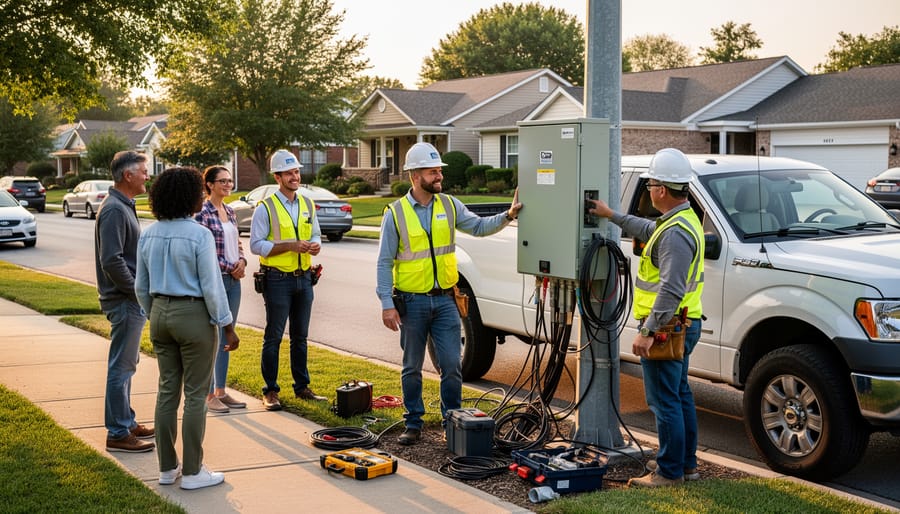
When Neighbors See Your Savings, Attitudes Shift
There’s something powerful about seeing your neighbor’s electric bill drop by $150 each month. When homeowners share their real savings and positive experiences, it creates a ripple effect throughout the community. Studies show that solar installations increase by 50% in neighborhoods where at least one household already has panels.
The social proof effect works because potential adopters can see tangible results rather than just marketing promises. Your neighbor isn’t trying to sell you anything—they’re simply sharing how their investment paid off. This authentic word-of-mouth carries more weight than any advertisement.
Many homeowners report that skeptical neighbors changed their tune after witnessing the first year’s energy savings. Questions shift from “Does it really work?” to “Who did you use for installation?” This natural curiosity often leads to informal neighborhood information sessions where early adopters share their experiences with licensing, permits, and actual cost savings.
The financial transparency breaks down barriers. When people see that solar isn’t just an environmental statement but a smart money move, objections fade. Communities that initially resisted installations often become solar-friendly once the first few households demonstrate clear financial benefits and smooth approval processes.
State Incentives That Make Solar Undeniable
Here’s the truth that solar opponents rarely mention: financial incentives have transformed solar from a luxury investment into one of the smartest money moves homeowners can make. When your neighbors see real savings backed by legitimate government programs, skepticism naturally fades.
Most states offer substantial state incentives and grants that dramatically reduce upfront costs. The federal solar tax credit alone covers 30% of installation expenses, while many states add rebates ranging from $1,000 to $5,000. Some utility companies even pay you for excess energy your panels generate.
These programs exist because governments recognize solar’s benefits for grid stability and environmental health. For you, they mean faster payback periods and immediate savings on monthly bills.
The financial case becomes even more compelling in states with net metering policies, where your electric meter literally runs backward when you produce excess power. This visible proof of savings speaks louder than any sales pitch when addressing community concerns about solar value.
Successfully installing solar panels isn’t just about checking boxes on a permit application. It’s about creating a foundation of legal compliance while building genuine community support. When you meet licensing requirements and earn your neighbors’ trust, you’re setting yourself up for a smooth installation and years of hassle-free clean energy.
The good news? Solar is becoming more accepted every day. What once raised eyebrows in many neighborhoods is now celebrated as a smart financial move and environmental win. Communities across the country are embracing renewable energy, and homeowners like you are leading the charge. By approaching your solar project thoughtfully, addressing concerns proactively, and following proper procedures, you become a positive ambassador for sustainable living.
Your success story can inspire others in your community to consider solar too. When neighbors see your professionalism in handling permits and your willingness to address their questions, they’re more likely to view solar panels as a neighborhood asset rather than a concern.
Ready to move forward with your solar installation? Work with licensed professionals who understand both the legal landscape and community dynamics in your state. The right solar company will guide you through permitting requirements while helping you maintain positive neighbor relationships. This dual approach ensures your transition to solar energy is as smooth and rewarding as possible. Your investment in clean energy deserves both legal protection and community support, and with the right preparation, you’ll have both.