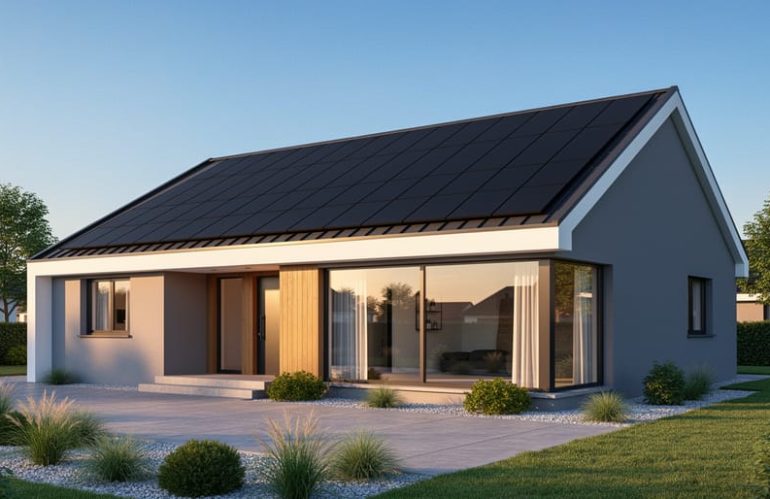
Solar panels are no longer a purely technical upgrade. In contemporary home design, they are becoming part of the architectural language itself. Homeowners now expect clean rooflines, intentional placement, and systems that enhance both performance and appearance. When planned correctly, solar can reinforce modern design principles, efficiency, simplicity, and honesty in materials. This guide explains how to integrate solar panels into contemporary homes without compromising aesthetics, from early planning and system selection to layout, detailing, and code coordination.
Why Solar Belongs in Contemporary Design
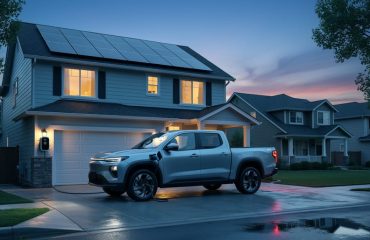
Modern residential architecture firms in South Florida increasingly treat solar as a design feature, not an afterthought. Contemporary homes prioritize efficiency, restraint, and purposeful expression, and solar aligns naturally with those values. A well-integrated array signals long term thinking and environmental responsibility without visual clutter. Instead of hiding panels, good design makes them feel intentional, aligned with roof geometry and proportional to the façade. Solar also supports resilience, lowering operating costs and providing backup potential. When architecture and energy strategy are developed together, the result is cleaner, quieter, and more durable.
Start With the Architecture, Roof Form, Orientation, and Shading
The success of any solar installation begins with the building itself. Roof form determines how easily panels can be placed in clean, continuous fields. Simple planes outperform complex rooflines. Orientation matters just as much. South facing surfaces with minimal shading produce the best results, while dormers, chimneys, and trees can reduce output and complicate layout. Designing for solar from the start allows architects to adjust slope, overhangs, and massing before construction begins. This avoids awkward arrays and improves both performance and appearance.
Choosing the Right System, Standard Panels vs All Black, Building Integrated Options
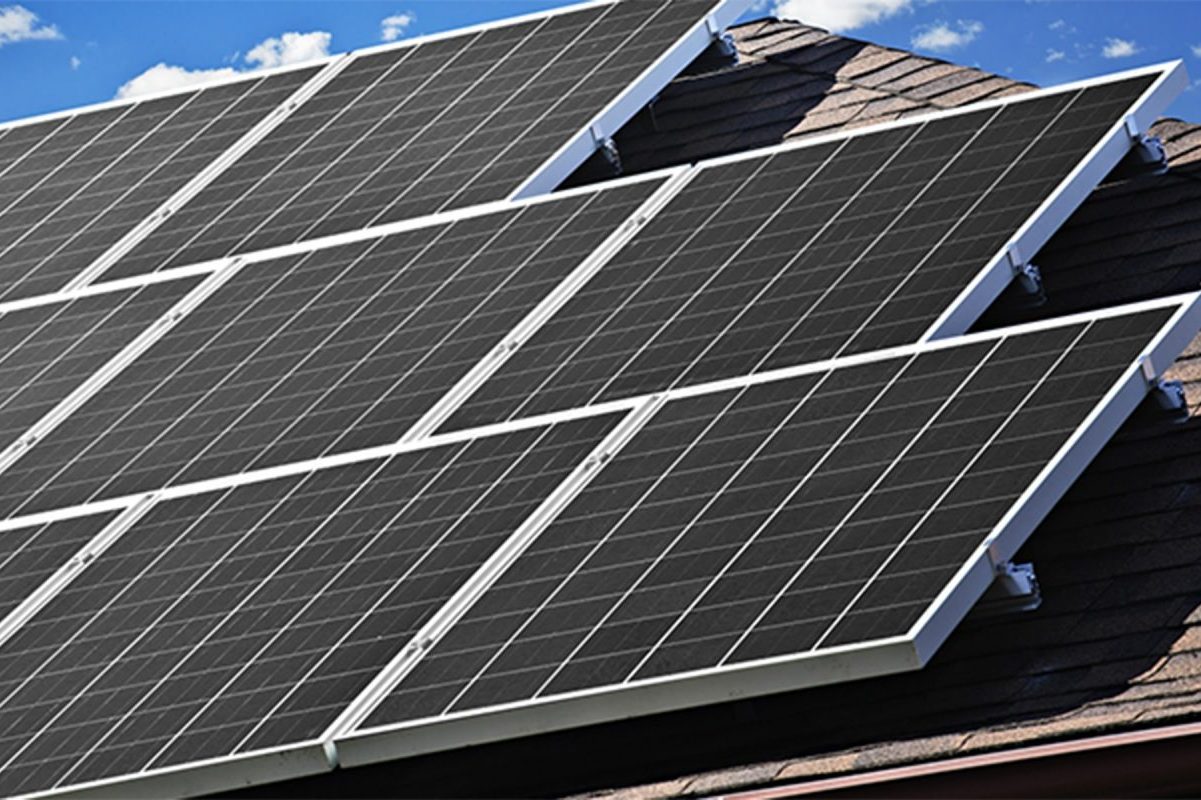
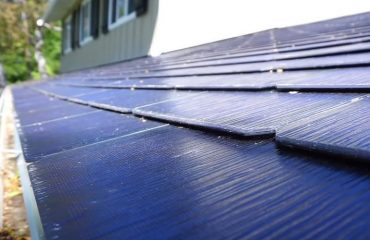
System selection affects both efficiency and visual impact. Standard panels remain cost effective, but all black modules reduce contrast and read more quietly on dark roofs. Building integrated systems, such as solar shingles or integrated photovoltaic panels, offer a more seamless appearance but often cost more and deliver slightly lower efficiency. Homeowners must balance budget, aesthetics, service access, and long term maintenance. The right choice depends on how visible the array will be and how strongly the design prioritizes visual continuity.
Clean Lines Matter, Layout, Symmetry, and Panel Grouping
Panel layout determines whether a roof looks intentional or improvised. Arrays should align with roof edges and major architectural lines. Scattered groupings weaken the composition. Symmetry is not always possible, but visual balance is essential. Consistent spacing between panels improves rhythm and legibility. Conduits and junction boxes should be concealed whenever possible. A disciplined layout reinforces the modern principle that every element has a clear place and purpose.
Materials and Details That Help Solar Look Intentional
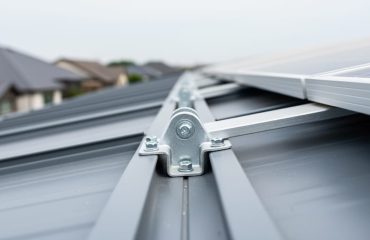
Integration depends on details. Low profile racking reduces shadow lines. Mounting hardware should match the roof color and finish. Vent pipes, skylights, and drains should be coordinated early to avoid conflicts. Roofing materials must be compatible with penetrations and flashing systems. Gutters, parapets, and soffits should preserve the roof silhouette. These small decisions prevent solar from reading as an add on and instead make it part of the original design language.
Electrical Planning, Inverters, Battery Storage, and Where Everything Goes
Electrical equipment shapes both performance and interior planning. Microinverters offer flexibility, while string inverters simplify maintenance. Battery storage adds resilience but requires space, ventilation, and thermal control. Equipment should be located where noise, heat, and visual impact are minimized. Garages, utility rooms, and screened exterior walls are common solutions. Clear access for service protects long term reliability. Good electrical planning avoids clutter and preserves clean interior architecture.
Code, Permitting, HOA Rules, and Design Documentation
Solar integration is constrained by regulation as much as by design. Fire setbacks, structural engineering requirements, and utility interconnection rules shape layout. Homeowners’ associations often impose aesthetic guidelines. Early documentation prevents redesigns and delays. Architects coordinate structural loads, attachment details, and clearances in the construction set. When code and design are aligned from the beginning, approval is faster and the final result is cleaner.
Practical Tips for a Seamless Final Result
Plan solar at schematic design, not after construction. Keep arrays simple and consolidated. Coordinate roof elements early. Hide hardware and conduits. Choose finishes that minimize contrast. Document every penetration and attachment. Most importantly, treat solar as architecture, not equipment. When integration is intentional, solar panels reinforce the contemporary goal of efficiency with clarity, creating homes that perform well and look timeless.