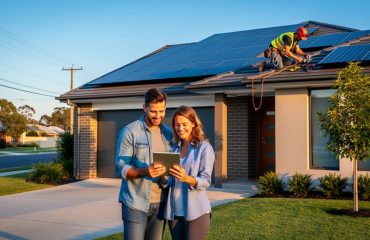
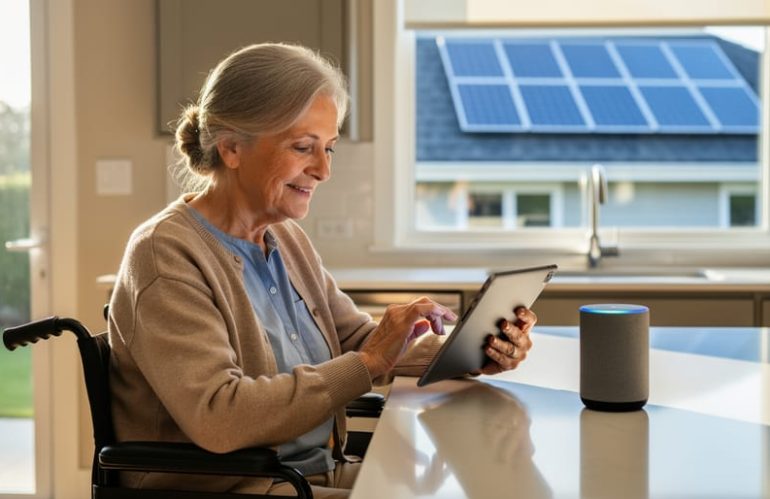
Solar energy shouldn’t require perfect vision, full mobility, or tech expertise to manage effectively. Yet most solar monitoring apps and home energy systems overlook the 61 million Americans living with disabilities—creating unnecessary barriers between homeowners and their clean energy savings.
Accessible solar design means everyone can check their system’s performance, adjust settings, and maximize their investment independently. This includes features like screen reader compatibility for visually impaired users, simplified interfaces for those with cognitive differences, voice-activated controls for mobility limitations, and high-contrast displays for aging eyes. These aren’t luxury add-ons—they’re essential design elements that benefit all users, from busy parents checking production on-the-go to older adults managing their energy bills with confidence.
The financial case is equally compelling. When you can easily monitor and optimize your solar system regardless of physical ability, you’re more likely to catch issues early, understand your energy patterns, and maximize your return on investment. Accessible design doesn’t cost more or compromise aesthetics—it simply means thoughtful development that serves real people in real homes. Forward-thinking solar companies now recognize that inclusive technology isn’t just ethically sound; it expands their market while delivering better outcomes for every homeowner who chooses clean energy.
What Accessible Solar Design Actually Means
Beyond Wheelchair Ramps: The Full Picture
When most people think about accessibility, wheelchair ramps and wide doorways come to mind. But truly accessible solar technology goes much further. Think about your neighbor who struggles to read small print, your parent who finds complex apps confusing, or even yourself recovering from an injury that makes climbing onto the roof impossible.
Visual impairments affect millions of homeowners who want to go solar. Tiny text on monitoring apps, low-contrast displays, and graphics-only interfaces can make tracking your energy savings frustrating or impossible. The good news? Simple design choices like larger fonts, voice commands, and high-contrast color schemes solve these challenges without adding costs.
Cognitive differences matter too. Not everyone processes information the same way. Solar systems with overly complicated dashboards, buried settings, and technical jargon create unnecessary barriers. Clear language, intuitive layouts, and straightforward instructions make solar accessible to everyone—regardless of how their brain works.
Age-related changes are another reality. As we get older, arthritis might make small touchscreens difficult, or memory changes might complicate multi-step processes. Systems designed with these considerations help older homeowners confidently manage their solar investment.
Don’t forget temporary disabilities. A broken arm, recent surgery, or even pregnancy can temporarily limit mobility and dexterity. Accessible design benefits everyone at some point in their lives.
The bottom line: accessible solar design isn’t about special accommodations. It’s about creating technology that works for real people in real situations—making clean energy truly available to all homeowners.
Where Solar Systems Fall Short on Accessibility
Monitoring Apps That Exclude Users
Many homeowners eager to track their solar savings face an unexpected hurdle: solar monitoring apps and web portals that simply aren’t designed for everyone. The good news? Recognizing these barriers is the first step toward fixing them.
Common accessibility problems include text sizes too small for users with vision impairments to read comfortably, even when zooming in. Complex navigation structures can confuse anyone, but especially those with cognitive differences or limited tech experience. Many platforms lack voice control options, making them nearly impossible for users with mobility challenges to operate independently. Data displays filled with technical charts and graphs often present information in ways that exclude colorblind users or those who process information differently.
These design oversights mean some homeowners can’t fully enjoy the financial benefits they’ve invested in. They miss out on understanding their energy production, identifying savings opportunities, or catching system issues early. The frustrating part? These problems are entirely preventable with thoughtful, inclusive design choices that actually improve the experience for everyone.
Physical Installation Challenges
Good news: solar installation can be adapted to work for nearly every home situation, including households with mobility considerations. The key is working with installers who understand that one-size-fits-all approaches don’t serve everyone equally.
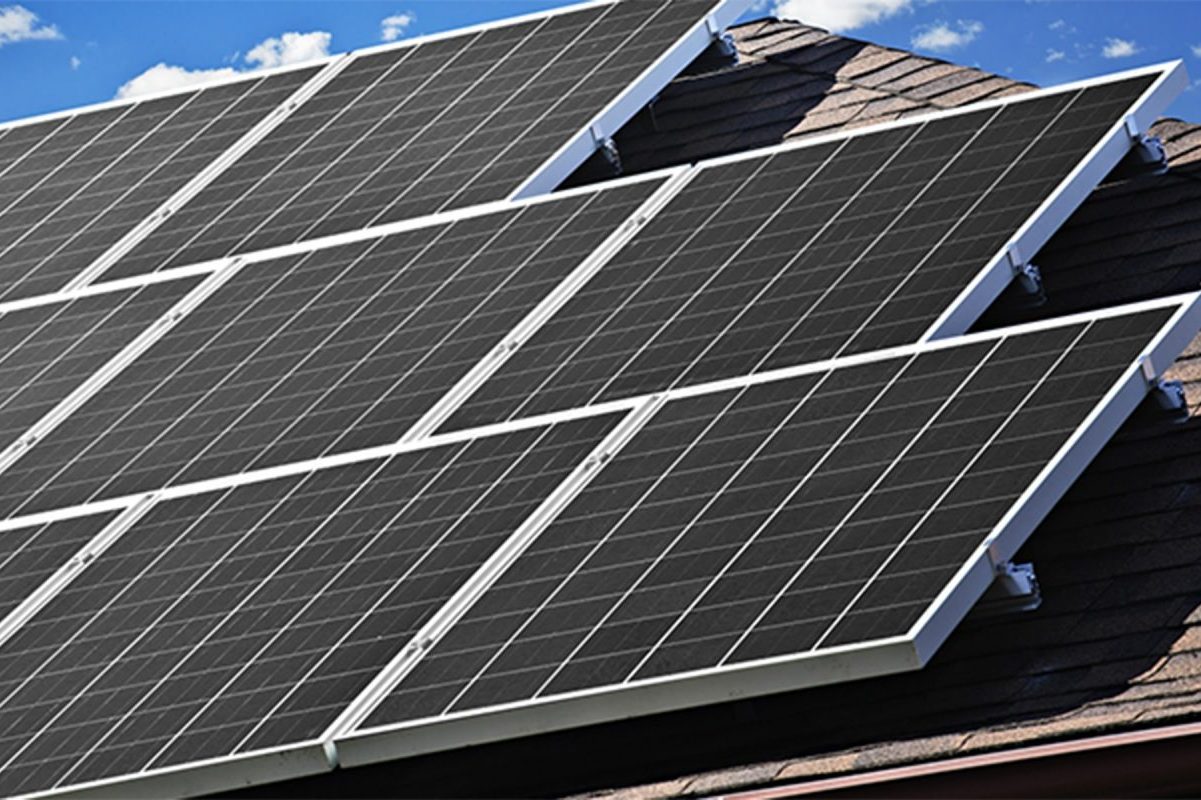
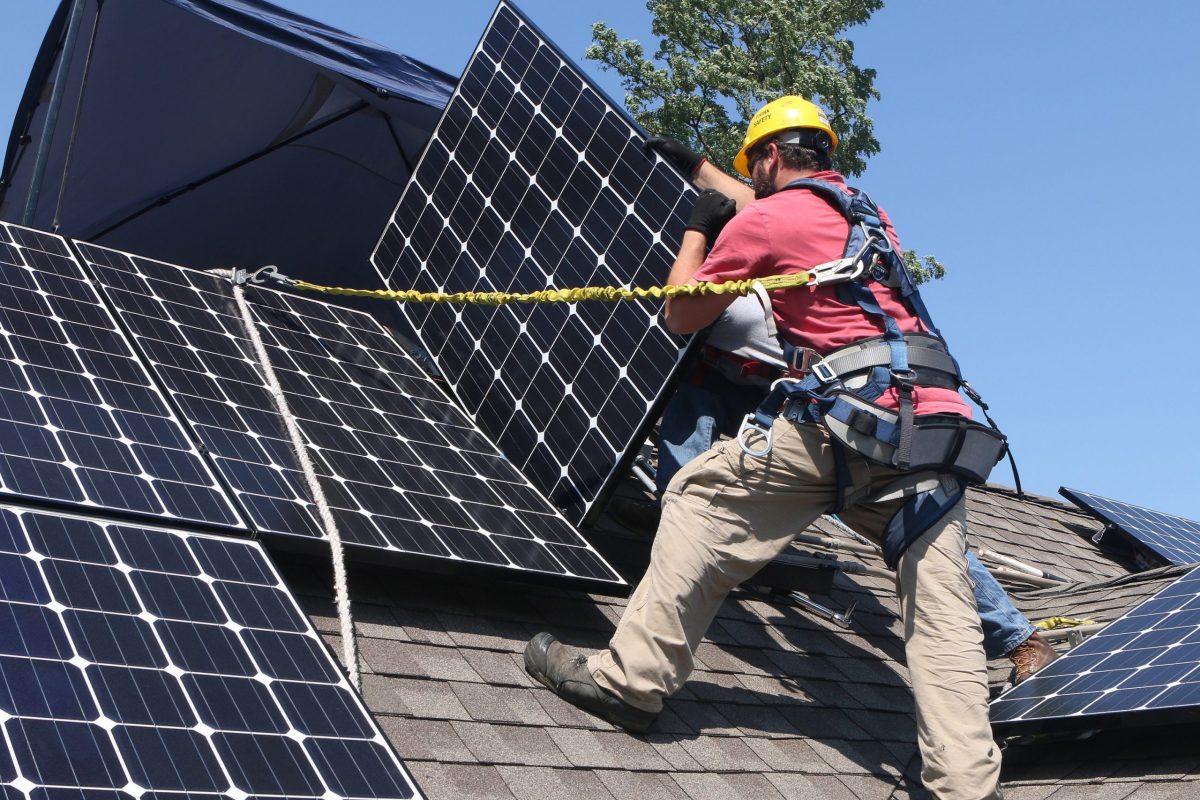
For homeowners with mobility limitations, ground-mounted solar panels offer an excellent alternative to rooftop systems. These installations place panels at an accessible height in your yard, making routine inspections and snow removal much easier without climbing ladders or navigating rooftops. They’re particularly beneficial if you use a wheelchair or walker.
Inverter placement deserves special attention during planning. Rather than tucking equipment in hard-to-reach basements or attics, ask your installer to position inverters in accessible locations like your garage or a main-floor utility area. This simple adjustment makes monitoring and maintenance straightforward for years to come.
Remote monitoring systems eliminate the need for physical access altogether. Modern solar setups let you check system performance from your smartphone or computer, sending alerts if something needs attention. You’ll know your system is working optimally without climbing, reaching, or straining.
When choosing an installer, communicate your specific needs upfront. Reputable companies will work with you to design a system that matches your home and abilities, ensuring your solar investment serves you comfortably for decades.
Information Overload During the Buying Process
The solar buying process often overwhelms homeowners with dense contracts filled with terms like “power purchase agreements,” “interconnection procedures,” and “net metering tariffs.” When proposals arrive packed with technical specifications and legal language, many people feel lost rather than empowered. This information overload disproportionately affects those who already face barriers—whether due to visual impairments making tiny print unreadable, cognitive differences making complex terms harder to process, or simply limited time to decode industry speak. The good news is that forward-thinking solar providers now offer simplified summaries, plain-language explanations, and visual guides that break down costs and savings clearly. By requesting straightforward documentation and asking providers to explain terms in everyday language, you can cut through the confusion and make confident decisions that benefit both your budget and the environment.
Simple Changes That Make Solar Work for Everyone
User-Friendly Monitoring Solutions
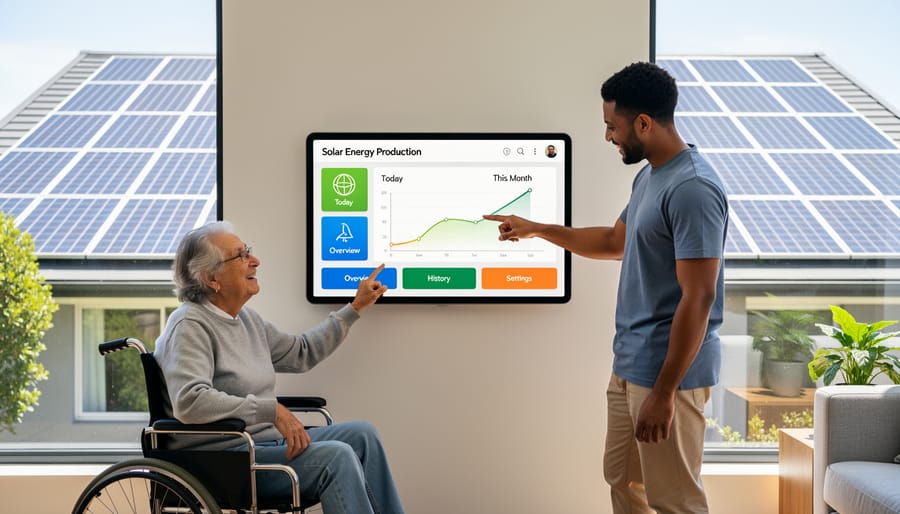
Modern solar monitoring apps are breaking down barriers with features designed for everyone. Today’s user-friendly interfaces put you in control, regardless of your tech experience or physical abilities.
Adjustable text sizes mean you can enlarge information to a comfortable reading level without squinting at tiny numbers. Voice command options let you check your system’s performance hands-free—just ask how much energy you produced today or whether everything’s running smoothly. No need to navigate through multiple screens when a simple voice request does the trick.
Simplified dashboards strip away complexity, showing you what truly matters: how much money you’re saving, how much clean energy you’re generating, and whether your system needs attention. Think of it as your solar system speaking your language, not asking you to learn a new one.
Color-blind friendly displays use patterns and labels alongside colors, ensuring everyone can read their energy data accurately. High-contrast options help those with visual impairments distinguish between different information at a glance.
Perhaps most valuable are automated alerts written in plain English. Instead of cryptic error codes, you’ll receive clear messages like “Your system produced 15% less energy today due to cloud cover—no action needed” or “A panel may need cleaning—schedule a quick check when convenient.” These straightforward notifications mean you’re always informed without feeling overwhelmed, making solar management genuinely accessible for every homeowner.
Thoughtful Physical Design
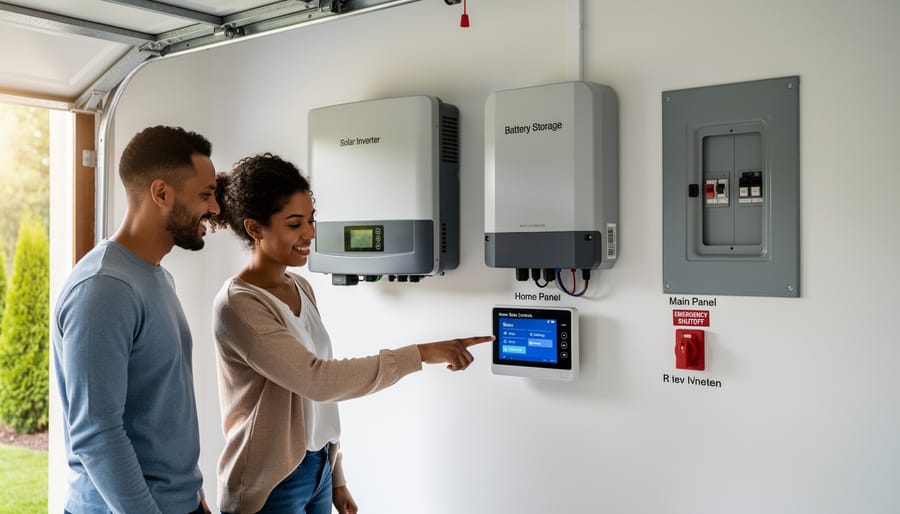
Thoughtful physical design ensures everyone can safely operate and maintain their solar system, regardless of mobility or strength limitations. Start with strategic placement—position inverters and battery systems at comfortable heights between 36 and 48 inches from the floor, allowing wheelchair users and those with limited reach to access controls without strain.
Easy-access shut-off switches should be clearly visible and require minimal force to operate. Consider installing larger paddle-style switches instead of small toggle switches, which can be difficult for people with arthritis or limited hand mobility. Place these critical safety switches within arm’s reach and ensure they’re unobstructed by furniture or equipment.
Clear labeling makes a significant difference. Use high-contrast text with large, readable fonts (at least 18-point) and include tactile elements like raised lettering or braille. Color-coding different system components helps everyone quickly identify connections and functions, reducing confusion during routine checks or emergencies.
Maintenance accessibility matters too. Choose ground-mounted or low-slope roof installations when possible, minimizing the need for ladder access. If roof mounting is necessary, ensure monitoring systems provide comprehensive performance data remotely, so you can track your system’s health from your smartphone without physical inspection. This design-forward approach means safer, more independent solar ownership for everyone.
Clear Communication from Day One
From your very first conversation with a solar provider, clear communication sets the foundation for a positive experience. The best solar companies skip the technical jargon and explain concepts in everyday language—so you understand exactly what you’re getting and how it benefits your home.
Look for providers who offer consultations using visual aids like simple diagrams, videos, and infographics that illustrate how solar works and what your system will look like. These tools make complex information digestible for everyone, regardless of technical background or learning preferences.
Documentation should come in multiple formats: large-print brochures, digital PDFs with screen-reader compatibility, and even recorded video explanations. This flexibility ensures you can review important details in whatever way works best for you.
Patient, responsive customer support is equally essential. Whether you prefer phone calls, email, text messages, or live chat, accessible solar companies meet you where you are. Representatives should take time answering questions without rushing, explaining financial benefits like reduced energy bills and available incentives in straightforward terms. This approach demystifies solar, making the transition feel manageable and exciting rather than overwhelming.
The Hidden Benefits of Accessible Solar Design
Better Usability Means Better Savings
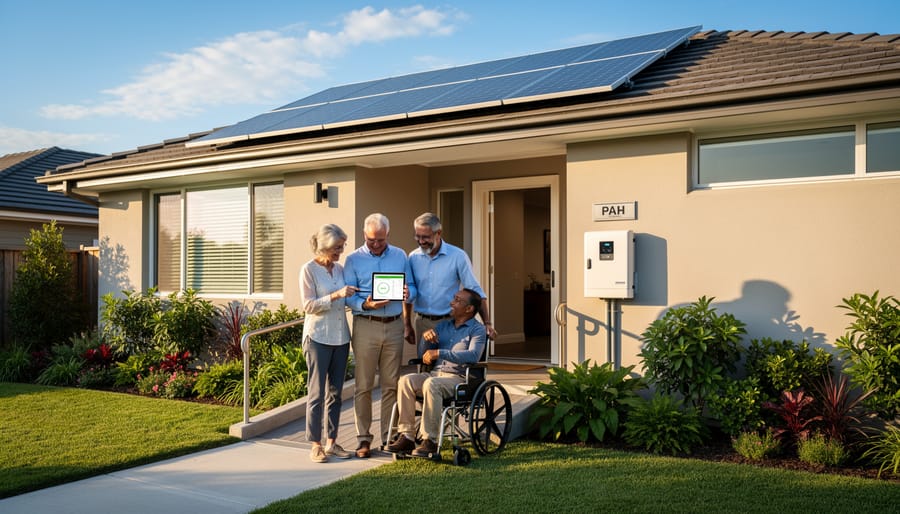
When your solar monitoring system is easy to understand and navigate, you’re more likely to check it regularly—and that’s where the real savings begin. Think of it like having a clear dashboard in your car: when you can easily see what’s happening, you can make smarter decisions about your energy use.
Accessible designs help you quickly spot when something’s not quite right with your system. Maybe a panel needs cleaning, or there’s a minor issue affecting performance. The sooner you catch these problems, the less money you lose in reduced energy production. No complicated graphs or confusing terminology means you can take action immediately instead of waiting for your next utility bill surprise.
This ease of use directly impacts your return on investment. Homeowners who regularly monitor their systems through user-friendly interfaces typically see 10-15% better performance simply because they stay engaged. You’re not leaving money on the table because the system was too difficult to understand. Whether you’re managing your solar setup from a smartphone, tablet, or computer, intuitive design ensures you’re getting every dollar’s worth from your investment—today and for decades to come.
Future-Proofing Your Home Investment
Choosing accessible solar design isn’t just the right thing to do—it’s a smart financial decision that protects your investment for decades to come. Homes with universal design features consistently command higher resale values, as they appeal to a broader range of buyers including aging populations and multigenerational families.
When you install solar with accessibility in mind from the start, you avoid costly retrofits down the road. Simple features like smartphone app controls, voice-activated monitoring, and easy-to-read displays add minimal upfront costs but deliver tremendous long-term value. As your needs evolve—whether due to aging, injury, or simply wanting more convenience—your solar system continues working seamlessly for you.
The financial benefits extend beyond resale value. Accessible systems are typically easier to maintain and troubleshoot, reducing service calls and frustration. Plus, as universal design becomes standard rather than exceptional, homes without these features may actually decrease in desirability.
Think of accessible solar design as future-proofing your entire home. You’re not just installing panels—you’re creating an energy solution that grows with you, maintains its value, and ensures energy independence remains accessible throughout all life stages.
Questions to Ask Your Solar Installer
When meeting with potential solar installers, asking the right questions ensures your system works for everyone in your household. Start by asking, “Can you describe how I’ll monitor and control my solar system daily?” This reveals whether they’re offering truly user-friendly options or expecting you to navigate complex technical interfaces.
Next, inquire about physical accessibility: “Where will the monitoring equipment be installed, and can it be placed at a height that works for me?” Don’t assume installers automatically consider wheelchair users, people with limited mobility, or shorter family members who need to access controls comfortably.
Ask about alternative interfaces beyond smartphone apps: “Do you offer voice-activated controls, large-display monitors, or web-based dashboards I can access from my computer?” Many people prefer options beyond tiny phone screens, and you deserve choices that match your lifestyle.
Question the installer about emergency procedures: “If there’s a system issue, can I quickly shut it down without navigating multiple screens or climbing onto my roof?” Safety should never require technical expertise or physical agility.
Finally, request demonstrations: “Can you show me exactly how I’ll perform routine checks and adjustments?” A quality installer will happily walk you through everything and adjust their approach based on your feedback.
Remember, you’re the customer investing thousands of dollars in your home’s future. Any installer who dismisses accessibility concerns or suggests you’ll “figure it out eventually” isn’t the right partner. Choose someone who listens, adapts, and genuinely wants your solar experience to be empowering rather than frustrating.
At its heart, accessible solar design isn’t a special category or premium feature—it’s simply good design. When solar systems are easy to understand, simple to monitor, and straightforward to maintain, everyone benefits. Whether you’re managing mobility challenges, vision limitations, or simply prefer technology that doesn’t require an engineering degree to operate, these inclusive design principles create better experiences across the board.
As you explore solar options for your home, prioritize usability right alongside efficiency and cost savings. Ask potential installers about interface options, physical accessibility of components, and what support systems they offer. The best solar investment is one you can confidently use and maintain for decades to come.
The future of home solar is bright, and it’s becoming more inclusive every day. As more homeowners demand systems that work for their real lives—not just idealized scenarios—the industry continues to innovate. These changes benefit everyone, from first-time solar users to experienced enthusiasts. When we design with accessibility in mind from the start, we create solar solutions that are more intuitive, more reliable, and ultimately more successful at delivering the energy independence and cost savings you’re looking for.