Aerial oblique view of a house roof with dark-blue photovoltaic panels next to a flat-plate solar thermal collector and compact rooftop hot-water tank, lit by warm evening light, with neighboring homes and trees softly blurred in the background.

Solar Thermal vs Solar Panels: Which System Actually Saves You More Money?

Wondering if you need a solar thermal system for your rooftop panels? You probably don’t. Solar thermal systems use the sun’s heat to warm water for household use, circulating fluid through collectors mounted on your roof to heat tanks for showers and faucets. This technology differs completely from solar photovoltaic (PV) panels, which convert sunlight directly into electricity to power your home and appliances.

Most homeowners researching solar energy actually want PV panels, not solar thermal systems. If you’re looking to reduce your electricity bills and power your home with clean energy, photovoltaic technology is your answer. Solar thermal only heats water and won’t run your refrigerator or charge your phone.

That said, heat does matter for solar panels, just not in the way you might think. PV panels actually lose efficiency when they get too hot, which means proper thermal management helps your investment perform better. Understanding how temperature affects your panels’ electricity production matters more than confusing solar thermal water heaters with the solar panels designed to power your home. The good news? Modern solar installations account for heat factors automatically, ensuring you get maximum energy production and savings without additional systems.

What Is a Solar Thermal System?

How Solar Thermal Collectors Work

Solar thermal collectors work on a beautifully simple principle: they absorb heat from the sun and transfer it directly to water or air, rather than converting sunlight into electricity. Think of it like leaving a garden hose in the sun on a summer day—the water inside gets warm naturally.

Here’s the basic process: solar thermal panels contain a dark-colored absorber plate or tubes that soak up heat from sunlight. This heated surface then warms up a fluid (usually water mixed with antifreeze) flowing through pipes inside the collector. The hot fluid travels to a storage tank where it either heats your household water directly or transfers its warmth through a heat exchanger.

The beauty of this system lies in its efficiency for heating purposes. Since solar thermal collectors skip the step of converting light to electricity and then back to heat, they can be remarkably effective at warming water—sometimes reaching efficiencies of 70-80% on sunny days.

Two main types exist: flat-plate collectors, which look like shallow boxes with glass covers, and evacuated tube collectors, which resemble rows of glass tubes. Both do the same job but work slightly differently in various weather conditions.

This straightforward heating approach makes solar thermal systems ideal for hot water needs, pool heating, and space heating—completely different applications than solar panels that generate electricity for your home.

Common Uses in Homes

Solar thermal systems have three main household applications that help reduce energy costs. The most popular is domestic hot water heating, where rooftop collectors heat water for showers, laundry, and dishes. This typically covers 60-80% of a household’s hot water needs year-round, slashing water heating bills significantly.

Pool heating is another practical use, extending your swimming season by several months without the expense of traditional pool heaters. Solar thermal collectors can maintain comfortable pool temperatures from early spring through late fall in most climates.

Space heating represents the third application, though it’s less common in residential settings. Some homeowners use solar thermal systems to warm their homes through radiant floor heating or baseboard radiators, particularly effective in sunny climates with moderate heating needs.

It’s worth noting that if you’re researching solar thermal because you’re interested in rooftop solar panels for electricity generation, you’re likely looking for photovoltaic (PV) systems instead. Solar thermal captures heat, while solar PV panels convert sunlight directly into electricity to power your home. Most homeowners choose solar PV for their energy independence goals, though both technologies offer meaningful utility bill savings and environmental benefits.

Side-by-side comparison of solar thermal water heating collectors and photovoltaic panels on residential roof
Solar thermal collectors (with visible tubes and pipes) serve a different purpose than photovoltaic solar panels, though both can be installed on residential roofs.

Solar Thermal vs Solar Photovoltaic Panels: The Key Differences

Energy Output: Heat vs Electricity

The fundamental difference between these two technologies comes down to what they deliver to your home. Solar thermal systems capture the sun’s warmth and convert it directly into heat, which is then used for specific purposes like warming water for showers or heating spaces. Think of it like a garden hose sitting in the sun—the water inside gets hot naturally.

Solar panels, on the other hand, convert sunlight into electricity through photovoltaic cells. This electricity is incredibly versatile, powering everything in your home from your refrigerator and air conditioning to your lights and electronics. Rather than being limited to heating applications, solar panels give you the flexibility to run your entire household.

For most homeowners looking to reduce energy bills and embrace sustainable living, solar panels offer a more comprehensive solution. They generate clean electricity that offsets your utility costs across all your energy needs, not just heating. Plus, any excess electricity you produce can often be sold back to the grid, creating additional savings. While solar thermal has its niche applications, solar panels deliver the broad energy independence that homeowners typically seek.

Installation and Cost Considerations

Let’s talk dollars and cents. Solar thermal systems typically cost between $5,000 and $10,000 for a residential installation, depending on system size and complexity. Traditional solar panels run $15,000 to $25,000 for a full home system. While solar thermal appears cheaper upfront, remember it only heats water, whereas solar panels generate electricity for your entire home.

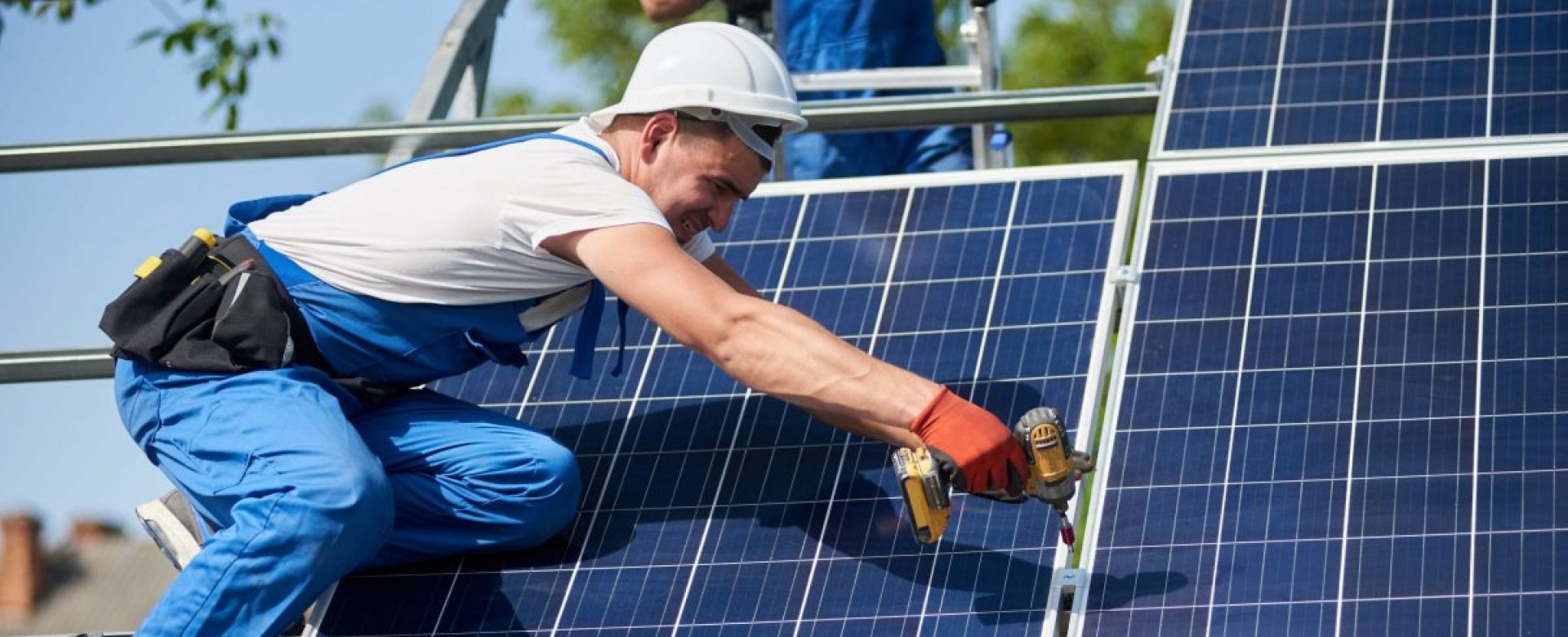
Installation complexity differs significantly. Solar thermal systems require plumbing work, storage tanks, and integration with your existing water heater, which can complicate the process. Solar panels need electrical work and roof mounting, but the installation process is now quite standardized. Most solar panel installations take one to three days, while solar thermal can take several days depending on your home’s plumbing configuration.

Here’s the financial reality homeowners should consider: solar panels typically pay for themselves in 6 to 12 years through electric bill savings and available tax credits. The federal solar tax credit currently covers 30% of installation costs. Solar thermal systems have a similar payback period but only reduce your water heating costs, which represent just 15-20% of most households’ energy bills.

The long-term value equation favors solar panels for most homeowners. When sizing your solar system correctly, you address your entire energy footprint. Solar thermal makes sense primarily if you have extremely high hot water needs or limited roof space for panels.

Why Thermal Management Matters for Solar Panel Systems

Heat Is Your Solar Panel’s Enemy

Here’s a surprising fact that catches many homeowners off guard: solar panels actually work better on cool, sunny days than scorching hot ones. While it seems counterintuitive, excessive heat reduces solar panel efficiency and your electricity production along with it.

Think of it like your smartphone overheating on a hot day and slowing down. Solar panels experience something similar. For every degree above their ideal operating temperature (typically around 77°F), most panels lose about 0.5% of their efficiency. On a blazing 95°F summer day, that can translate to a 10-15% drop in power output compared to what you’d see on a mild spring afternoon with the same sunlight.

This efficiency loss directly impacts your wallet. Lower output means less electricity generated, which reduces your energy bill savings and extends the payback period on your solar investment. The good news? Modern solar panels are designed with this challenge in mind, and proper installation techniques ensure adequate airflow to keep temperatures manageable year-round.

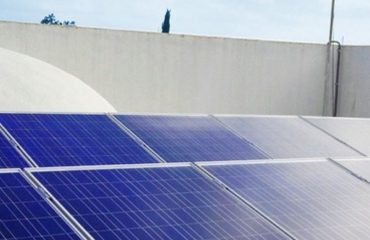
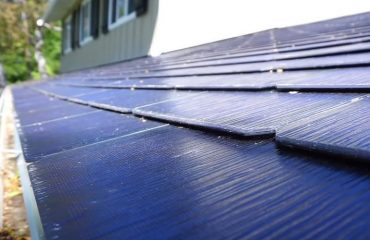
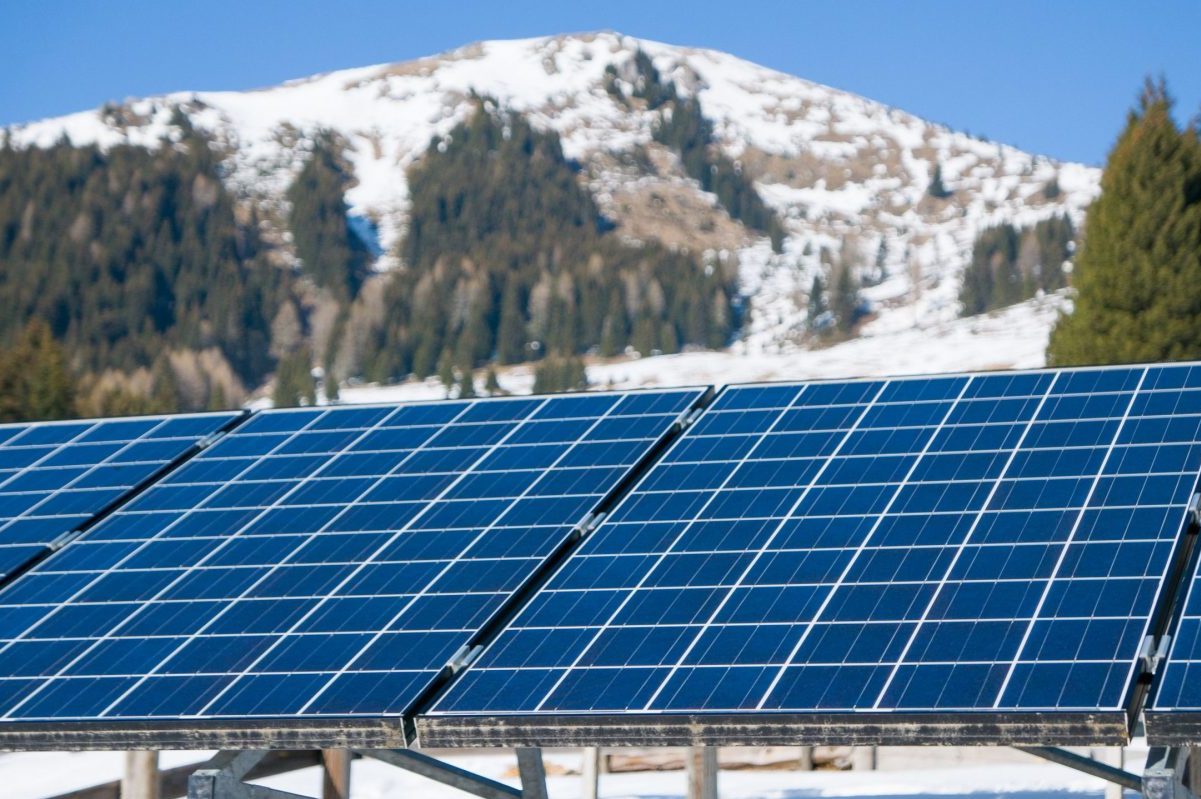
Close-up of solar panel surface showing heat effects during peak sunlight hours
Excessive heat buildup on solar panels reduces their electricity production efficiency, making thermal management crucial for performance.

How Modern Solar Panels Stay Cool

Modern solar panels are engineered with smart features that naturally prevent overheating without any extra equipment. Here’s how they stay cool and maintain peak performance.

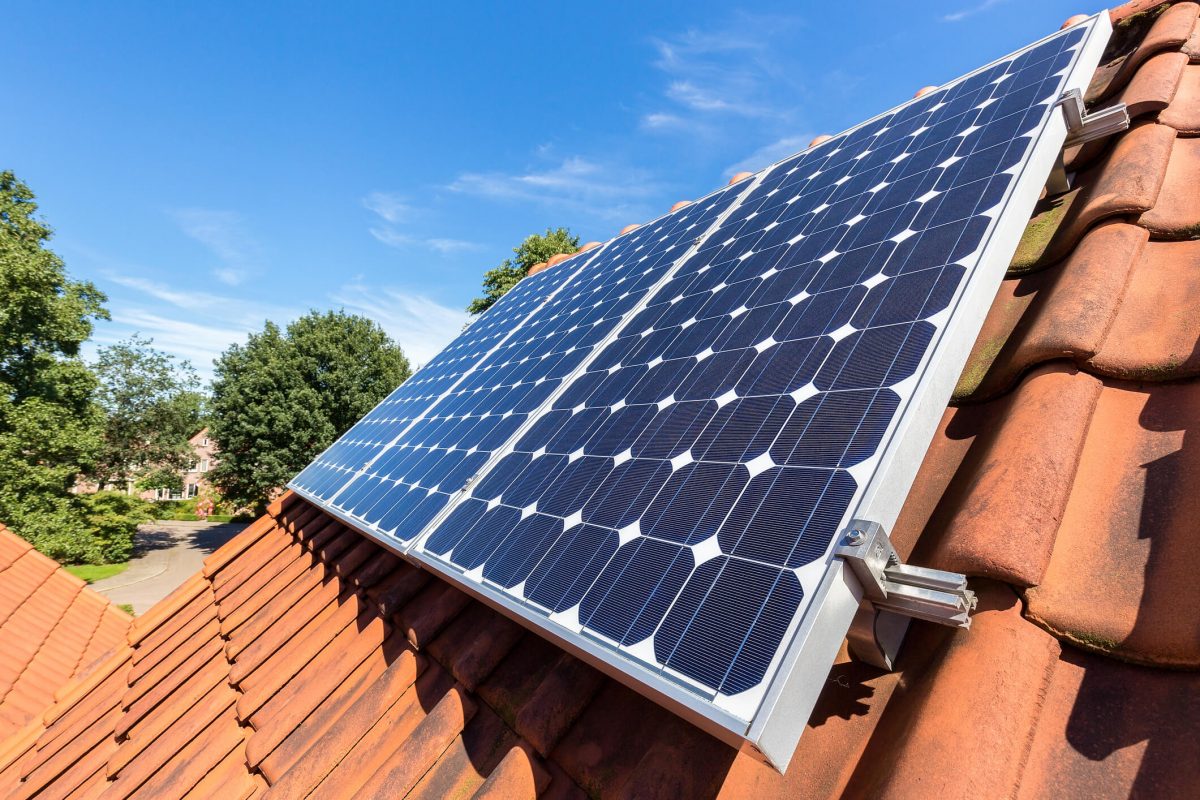
Most panels today incorporate passive cooling through their basic design. The aluminum frames and tempered glass surfaces naturally dissipate heat into the air. The space between the panel and your roof—typically 4-6 inches—creates an airflow channel that whisks away warmth, working like a chimney effect. This simple gap makes a surprising difference in keeping temperatures manageable.

Panel manufacturers also use specialized materials in their construction. Anti-reflective coatings on the glass surface reduce heat absorption while still capturing sunlight for electricity generation. The backing sheets are designed with materials that release heat efficiently rather than trapping it.

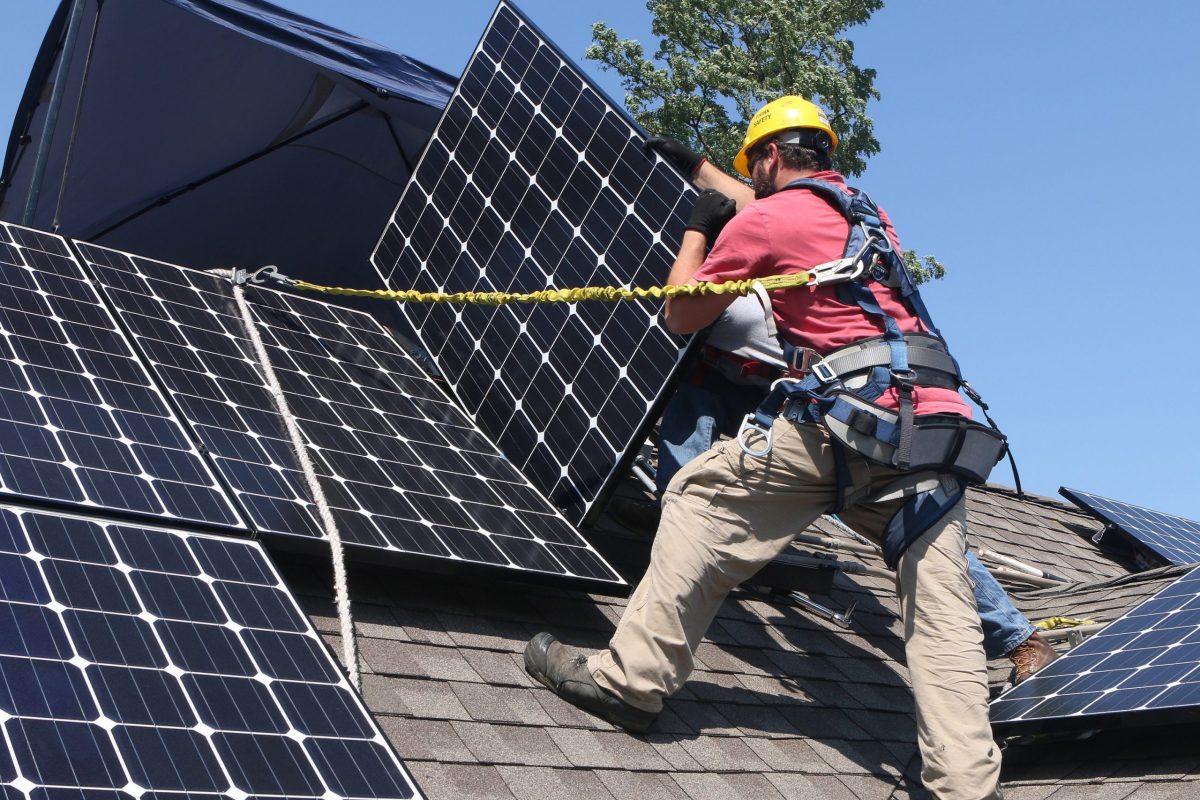
Installation technique plays a crucial role too. Professional installers position panels to maximize air circulation underneath and around the edges. Tilted installations naturally promote better airflow than flat mounting, which is one reason rooftop systems often outperform ground-level setups in hot climates.

Some homeowners explore PV thermal panels, which actively capture and use the heat for household purposes, but standard solar panels manage their temperature perfectly well through these built-in passive methods.

The good news? You don’t need to worry about adding cooling systems or special equipment. Quality panels and proper installation handle thermal management automatically, protecting your investment while maximizing your energy savings.

Should You Consider Solar Thermal for Your Home?

When Solar Thermal Makes Sense

Solar thermal water heating shines in specific situations where you use lots of hot water consistently. If you have a swimming pool, solar thermal can be a smart investment—heating pools traditionally costs a fortune, and solar thermal systems can extend your swimming season while slashing those energy bills dramatically. They’re also excellent for larger households with high daily hot water demands, like families of five or more who run multiple showers, dishwashers, and laundry loads regularly.

Consider solar thermal if you live in a sunny climate with year-round warmth, where the system can operate efficiently throughout the seasons. It’s also worth exploring if you currently heat water with expensive propane or electric resistance heaters—the savings potential is significantly higher compared to switching from natural gas.

However, if you’re mainly interested in powering your home with solar energy, traditional solar panels (photovoltaic systems) will likely serve you better. They generate electricity for all your household needs, including an electric water heater, while providing greater flexibility and typically better return on investment for most homeowners.

Hot water flowing from kitchen faucet with visible steam showing domestic water heating application
Solar thermal systems excel at heating domestic water for homes with high hot water usage needs.

Why Most Homeowners Choose Solar Panels Instead

While solar thermal systems have their niche applications, the overwhelming majority of homeowners today opt for photovoltaic solar panels instead. The reasons are compelling and straightforward.

First, solar panels offer remarkable versatility. Unlike solar thermal systems that only heat water, photovoltaic panels generate electricity that powers everything in your home—from lights and appliances to heating and cooling systems. You’re not locked into a single function, which means greater long-term value for your investment.

The financial incentives make the choice even clearer. Solar panel installations qualify for the federal solar tax credit, which can reduce your costs by 30%. Many states and utilities offer additional rebates and incentives specifically for photovoltaic systems. These financial benefits typically aren’t available for solar thermal installations, making the upfront cost difference much smaller than you might expect.

Return on investment is another game-changer. Solar panels eliminate or dramatically reduce your monthly electricity bills, and in many areas, you can even sell excess power back to the grid through net metering programs. These savings accumulate year after year, often paying back your initial investment within 7-10 years while the system continues producing for 25-30 years or more.

Additionally, modern most efficient solar panels have become increasingly affordable and effective, making them the practical choice for most residential applications. The technology is proven, widely supported by installers, and backed by strong warranties that protect your investment.

Now that you understand the key differences between solar thermal and solar photovoltaic systems, you can make informed decisions about your home’s energy future. For most homeowners, solar panels are the clear winner, offering greater flexibility, impressive financial returns, and the ability to power your entire home while reducing your carbon footprint.

The good news is that modern solar panel technology has come a long way. While heat does affect performance slightly, quality installations are designed to manage thermal issues effectively through proper mounting, ventilation, and panel selection. You don’t need to worry about choosing between solar thermal and solar PV, focus instead on working with experienced installers who understand how to optimize your system’s performance year-round.

Your path to energy independence is clearer than you might think. By investing in well-designed solar panels that account for thermal management, you’ll enjoy decades of reliable, clean energy production and significant savings on your electricity bills. The technology is proven, the benefits are real, and the time to go solar is now.

You may also like...

Popular Posts

Leave a Reply

Your email address will not be published. Required fields are marked *