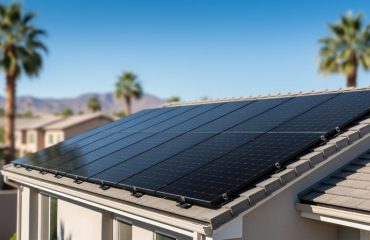
Your solar panel investment hinges on one often-overlooked factor: the materials inside those blue rectangles on your roof. While most manufacturers offer 25-year warranties, the actual lifespan and performance of your system depend heavily on whether you’re getting monocrystalline silicon, polycrystalline alternatives, or thin-film technology—and the quality of the protective glass, backsheet materials, and frame construction that shield them from weather extremes.
The good news? Understanding these material differences doesn’t require an engineering degree, and the right choice can mean the difference between a system that pays for itself in seven years versus one that underperforms within a decade. Material selection directly impacts three factors that matter to your wallet: degradation rate (how much efficiency you lose annually), weather resistance (especially in humid, hot, or coastal environments), and actual productive lifespan beyond warranty periods.
This guide cuts through the marketing hype to show you exactly how different solar panel materials affect your long-term returns. You’ll discover which material combinations deliver the best performance per dollar in your specific climate, what warning signs indicate cheaply-made components that won’t last, and how to evaluate manufacturer claims about durability. Most importantly, you’ll learn why paying slightly more upfront for superior materials often slashes your cost per kilowatt-hour over the system’s lifetime—turning a good investment into an exceptional one.
What’s Actually Inside Your Solar Panels (And Why It Matters)
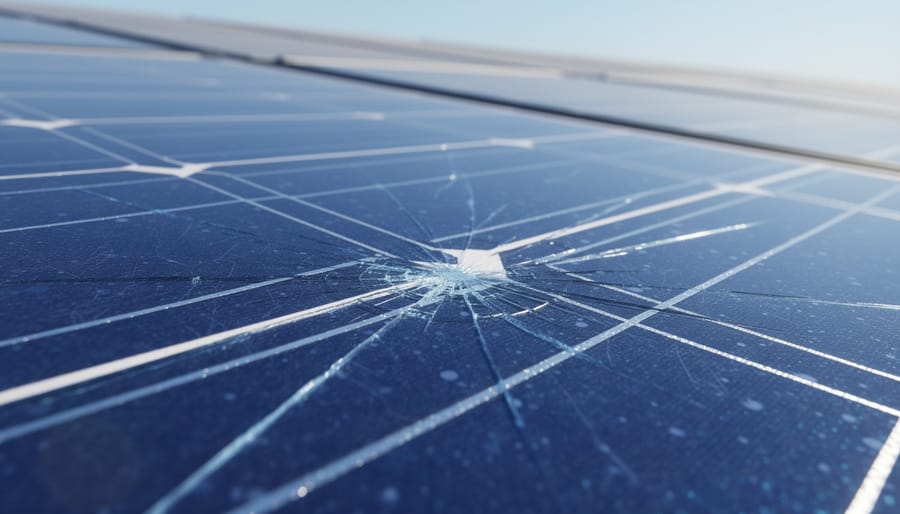
The Three Main Materials That Determine Panel Life
When you’re investing in solar panels, the material they’re made from directly affects how well they’ll perform over the next 25 years. Let’s break down the three main types and what they mean for your wallet and peace of mind.
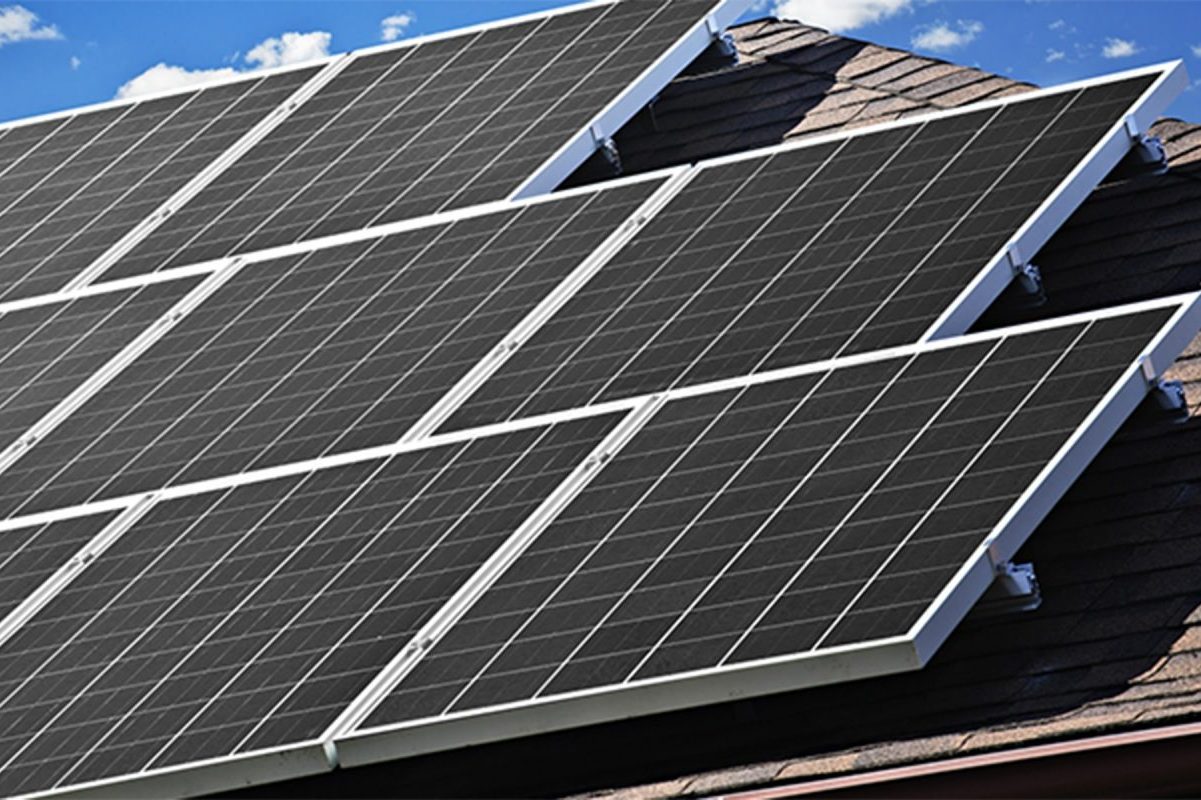
Monocrystalline silicon panels are the premium option, and for good reason. Made from single-crystal silicon, they’re the most efficient at converting sunlight to electricity, typically achieving 18-24% efficiency. More importantly for your investment, they degrade the slowest—usually less than 0.5% per year. This means after 25 years, they’ll still operate at around 85-90% of their original capacity. While they cost slightly more upfront, their longevity and consistent performance make them the go-to choice for homeowners who plan to stay in their homes long-term.
Polycrystalline silicon panels offer a budget-friendly alternative without sacrificing reliability. These panels are made from multiple silicon crystals melted together, which makes them less expensive to produce. They’re slightly less efficient (15-20%) and degrade a bit faster than monocrystalline options—around 0.6-0.8% annually. Don’t let this deter you, though. After 25 years, quality polycrystalline panels still retain about 80-85% of their original output, which is excellent value for the lower initial investment.
Thin-film panels represent the newest technology category. Made from materials like cadmium telluride or amorphous silicon, they’re lightweight and flexible. However, they degrade faster than crystalline options—typically 1% or more per year—and start with lower efficiency. They’re best suited for specific applications where weight or flexibility matters, but for most residential rooftops, crystalline options deliver better long-term returns.
The bottom line? Material choice impacts your system’s performance three decades from now, making it worth understanding before you sign any contracts.
How Solar Cell Materials Break Down Over Time
The Real Numbers Behind Panel Degradation
Let’s clear up a common misconception: solar panels don’t suddenly stop working after a few years. The reality is far more reassuring. Modern solar panels experience a gradual efficiency loss of just 0.5-1% annually, depending on the materials used.
Here’s what that actually means for your home. If you install panels that produce 10,000 kilowatt-hours in year one, you’ll still get approximately 9,500-9,750 kWh in year ten. After 25 years, your panels will likely operate at 75-87.5% of their original capacity. That’s decades of reliable energy production.
Different materials show varying degradation rates. Monocrystalline silicon panels typically degrade at the slower end of this range, around 0.5% per year, while some thin-film technologies might reach 1% annually. Premium manufacturers often guarantee less than 0.6% annual degradation.
For your wallet, this translates to predictable savings. Even with gradual degradation factored in, most homeowners still recover their investment within 7-10 years and enjoy 15-18 additional years of nearly free electricity. The key takeaway? Don’t let degradation fears hold you back. Modern solar technology delivers consistent, long-term performance that makes financial sense, even accounting for the natural, minimal decline in output over time.
Weather, UV Exposure, and Material Resilience
Your solar panels will spend decades outdoors facing whatever nature throws at them, so understanding how different materials handle these challenges helps you choose panels that truly last.
Modern solar panels must withstand intense heat, freezing temperatures, heavy rain, and constant UV bombardment. The good news? Today’s materials are specifically engineered for this punishment. Silicon solar cells themselves are remarkably stable, but the protective layers around them make the real difference in longevity.
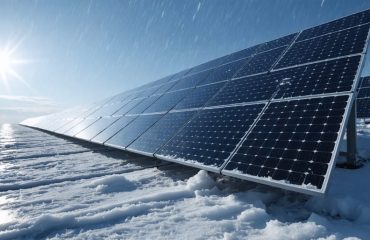
Tempered glass covers shield your panels from hail and debris while allowing sunlight through. This glass is treated to handle temperature swings from below freezing to over 150°F without cracking. The encapsulant materials—typically EVA or newer polymers—seal cells from moisture while resisting UV degradation that causes yellowing and efficiency loss.
Here’s where material resilience directly impacts your wallet: premium panels use advanced backsheets and frames that prevent moisture infiltration and corrosion. Cheaper panels might save you money upfront but often use materials that deteriorate faster, leading to reduced output and earlier replacement.
The backsheet deserves special attention. Quality fluoropolymer or composite backsheets resist cracking from UV exposure far better than budget alternatives. When backsheets fail, moisture seeps in, corroding connections and dramatically reducing efficiency.
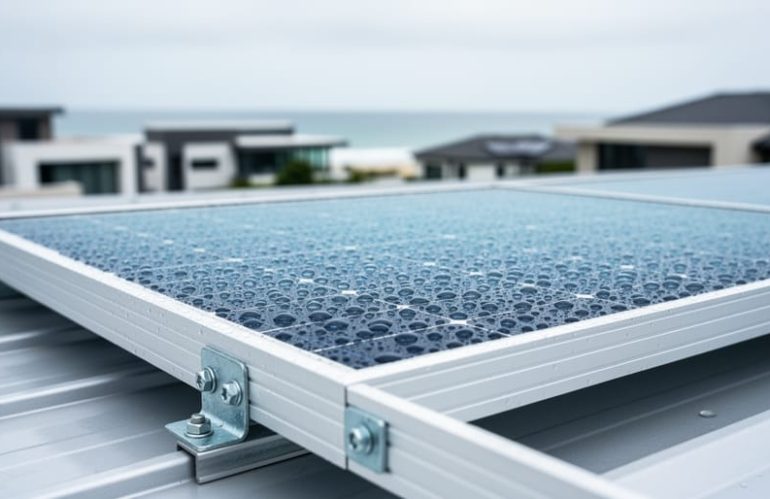
Aluminum frames also vary in quality. Marine-grade aluminum resists corrosion in humid or coastal environments, while standard aluminum may pit and weaken over time.
Bottom line: panels using superior materials maintain efficiency longer, maximizing your return on investment across their 25-30 year lifespan.

Monocrystalline vs. Polycrystalline: The Longevity Showdown
Why Premium Materials Pay Off Over 25 Years
Let’s look at the actual numbers behind material quality to help you make the smartest investment. Consider two homeowners: one chooses budget-grade panels at $2.50 per watt, while another invests in premium panels at $3.00 per watt. For a typical 6-kilowatt system, that’s a $3,000 upfront difference.
Here’s where it gets interesting. Premium panels with superior materials typically maintain 90% efficiency after 25 years, while economy panels often drop to 75-80%. That difference means premium panels generate roughly 2,500 more kilowatt-hours annually in year 20 compared to budget options. At average electricity rates, that’s an extra $300-400 saved each year as the panels age.
Over the full 25-year lifespan, premium materials deliver approximately $5,000-7,000 more in energy savings. That completely offsets the initial $3,000 premium and puts you ahead by thousands. And that’s before factoring in replacement costs. Budget panels degrading faster may need earlier replacement, while quality panels often continue producing well beyond their warranty period.
The calculation becomes even more favorable when you consider fewer service calls and repairs. Better materials mean better weather resistance, less corrosion, and fewer stress-related failures. Think of it like buying quality tires for your car: the upfront cost stings less when you’re not replacing them twice as often. Premium solar materials aren’t an expense; they’re a down payment on decades of reliable savings.
The Supporting Cast: How Other Materials Affect System Life
When most people think about solar panel longevity, they focus on the solar cells themselves. That makes sense—after all, those are the components actually converting sunlight into electricity. But here’s something that might surprise you: even premium solar cells can fail prematurely if the supporting materials around them aren’t up to par. Think of it like buying a luxury car with a powerful engine but cheap tires—you won’t get the performance you paid for.
The backsheet is essentially your panel’s protective rear layer, shielding those expensive cells from moisture and environmental damage. When backsheets crack or delaminate over time, moisture seeps in and causes corrosion. This is one of the most common reasons panels underperform before their expected 25-year lifespan. Quality backsheets made from durable polymers can prevent this issue entirely, which is why reputable manufacturers invest in premium materials here.
Encapsulants are the transparent layers that seal your solar cells in place, protecting them while allowing sunlight through. Low-quality encapsulants can yellow or become cloudy after years of UV exposure, reducing your energy production by blocking light. They can also lose their adhesive properties, leading to delamination where components separate and fail. This directly impacts your energy savings and return on investment.
Junction boxes and frames might seem like minor details, but they’re critical for long-term performance. The junction box houses electrical connections that can corrode if not properly sealed. Frames made from low-grade aluminum can weaken over time, compromising your panel’s structural integrity during storms or high winds.
The good news? Established solar manufacturers understand these vulnerabilities and use tested, high-quality supporting materials throughout their panels. When shopping for solar, ask about these components—not just the cells. A warranty covering the entire panel system, not just individual parts, is your best indicator that all materials meet high standards for longevity.
Debunking the Myths About Solar Panel Lifespan
Let’s clear up some widespread misunderstandings that might be holding you back from making a smart solar investment.
The biggest myth? That solar panels “die” after 25 years. This simply isn’t true. The 25-year mark refers to warranty periods and performance guarantees, not an expiration date. Most panels continue producing electricity well beyond 30 years. They don’t suddenly stop working—they just produce slightly less energy than when they were brand new. Think of it like a car that still runs great after the warranty expires.
Another common misconception is that all solar panels are created equal. In reality, panel quality varies significantly based on materials and manufacturing processes. Premium panels with better silicon purity and robust protective materials can maintain over 90% of their original efficiency after 25 years, while lower-quality options might drop to 80%. This difference directly impacts your energy savings over time, making material quality a crucial consideration for your return on investment.
Perhaps the most damaging myth is equating efficiency loss with failure. Yes, panels gradually produce less energy—typically losing about 0.5% to 0.8% efficiency per year. But losing 10-15% efficiency over 25 years doesn’t mean your panels are broken or need replacement. They’re still generating substantial electricity and saving you money. A panel operating at 85% efficiency after two decades is still slashing your utility bills and reducing your carbon footprint.
Understanding these facts helps you see solar panels for what they truly are: a long-term investment that keeps delivering value far beyond common expectations.
What to Ask Your Installer About Materials
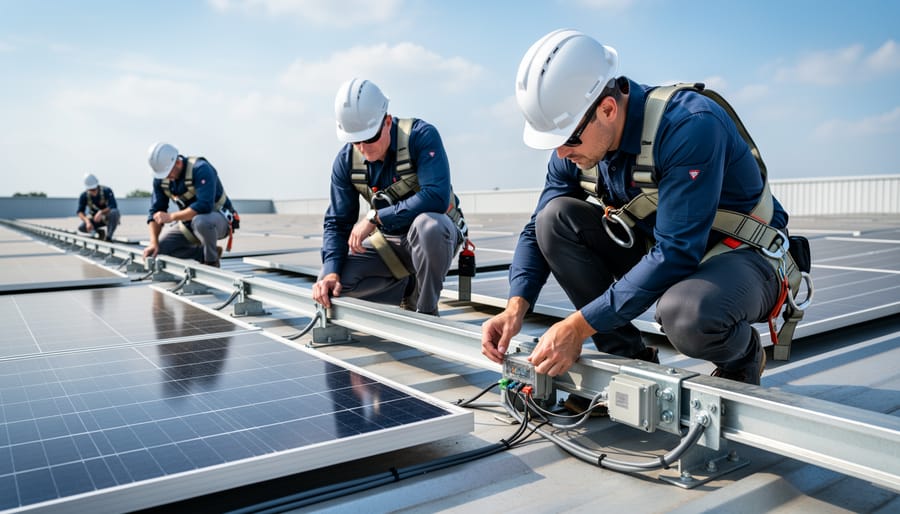
When interviewing installation companies, asking the right questions ensures you’re getting quality materials that will protect your investment for decades. Start by asking which panel manufacturer they recommend and why. A reputable installer should explain their reasoning based on performance data, not just price. Request specifics about the manufacturer’s track record—how long have they been in business, and do they have a history of honoring warranties?
Next, inquire about the degradation rate of the panels they’re proposing. Quality panels typically degrade less than 0.5% annually, meaning you’ll still have over 85% efficiency after 25 years. Ask your installer to show you the manufacturer’s performance guarantee in writing. What efficiency level do they promise after 10, 20, and 25 years?
Don’t forget to ask about the materials used in the mounting hardware and inverters. These components are just as important as the panels themselves. What materials are the racking systems made from? Are they designed to withstand your local weather conditions, including high winds or heavy snow loads?
Request information about the panel’s certifications. Quality panels should meet IEC standards and be tested for real-world conditions like temperature cycling, humidity, and mechanical stress. Ask if the panels have been independently verified by organizations like DNV GL or TUV Rheinland.
Finally, inquire about real-world performance data from local installations. Can they share examples of similar systems in your area and their actual energy production over time? A confident installer will gladly provide references and demonstrate their panels’ proven longevity in conditions similar to yours. These questions help you move beyond marketing claims to understand the genuine quality and expected lifespan of your solar investment.
When you choose solar panels, you’re not just buying equipment—you’re making a decades-long commitment to clean, affordable energy. The quality of materials inside those panels determines whether you’ll enjoy 25 to 30 years of steady electricity production or face disappointing performance and costly repairs down the road. By understanding how silicon purity, protective glass, and durable frames work together, you’ve taken the most important step toward a smart solar investment.
High-quality materials might cost slightly more upfront, but they deliver extraordinary value over time. Panels built with premium components resist weather damage, maintain their efficiency through decades of use, and require minimal maintenance. That translates directly to lower energy bills, predictable savings, and peace of mind knowing your system will perform reliably year after year.
The environmental benefits extend far beyond your own home. Every kilowatt-hour your well-made panels generate reduces reliance on fossil fuels, cuts carbon emissions, and contributes to a cleaner future for your community and the planet. When those panels continue producing clean energy for three decades instead of failing after ten years, your positive impact multiplies significantly.
The solar industry has matured tremendously, offering homeowners proven technology backed by solid warranties and impressive performance data. By choosing quality materials today, you’re securing energy independence, protecting your finances against rising utility costs, and joining millions who’ve discovered that solar power isn’t just good for the environment—it’s one of the smartest investments you can make for your home’s future.