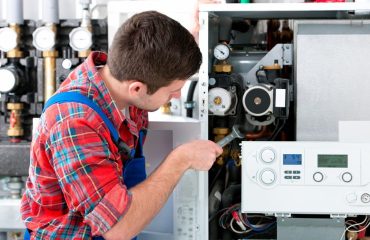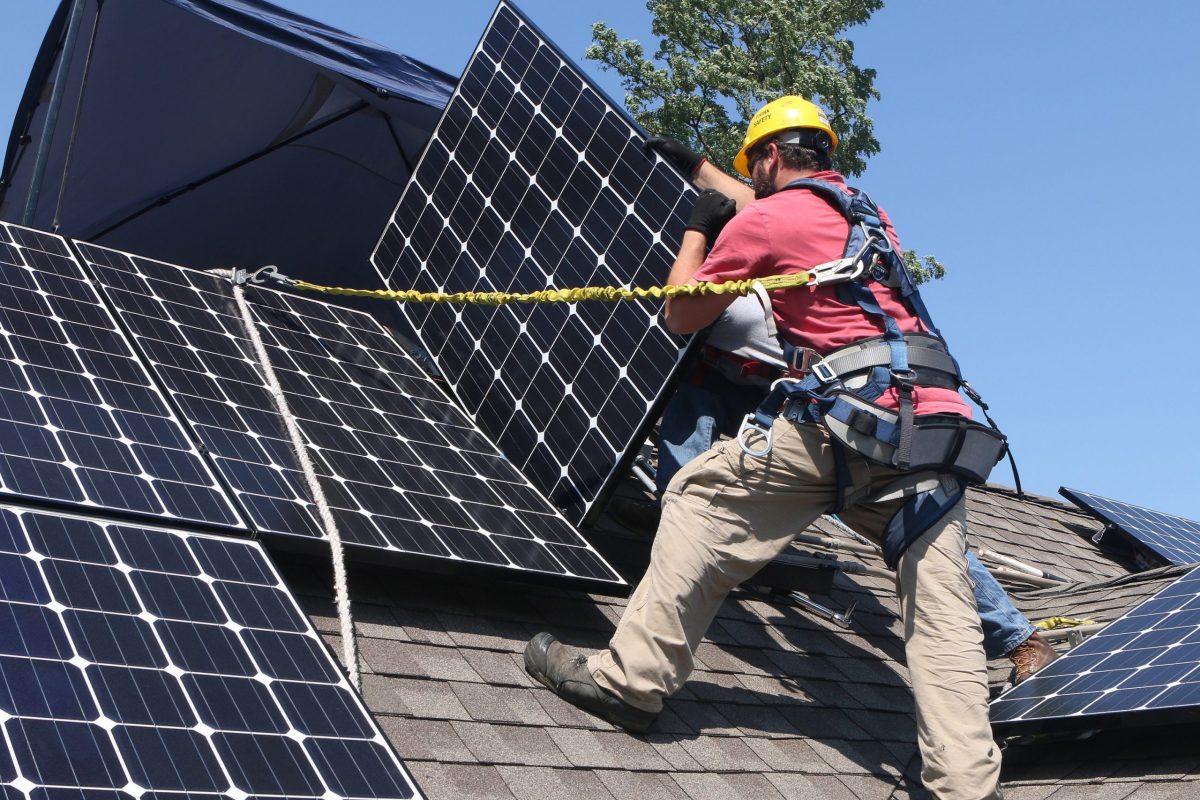
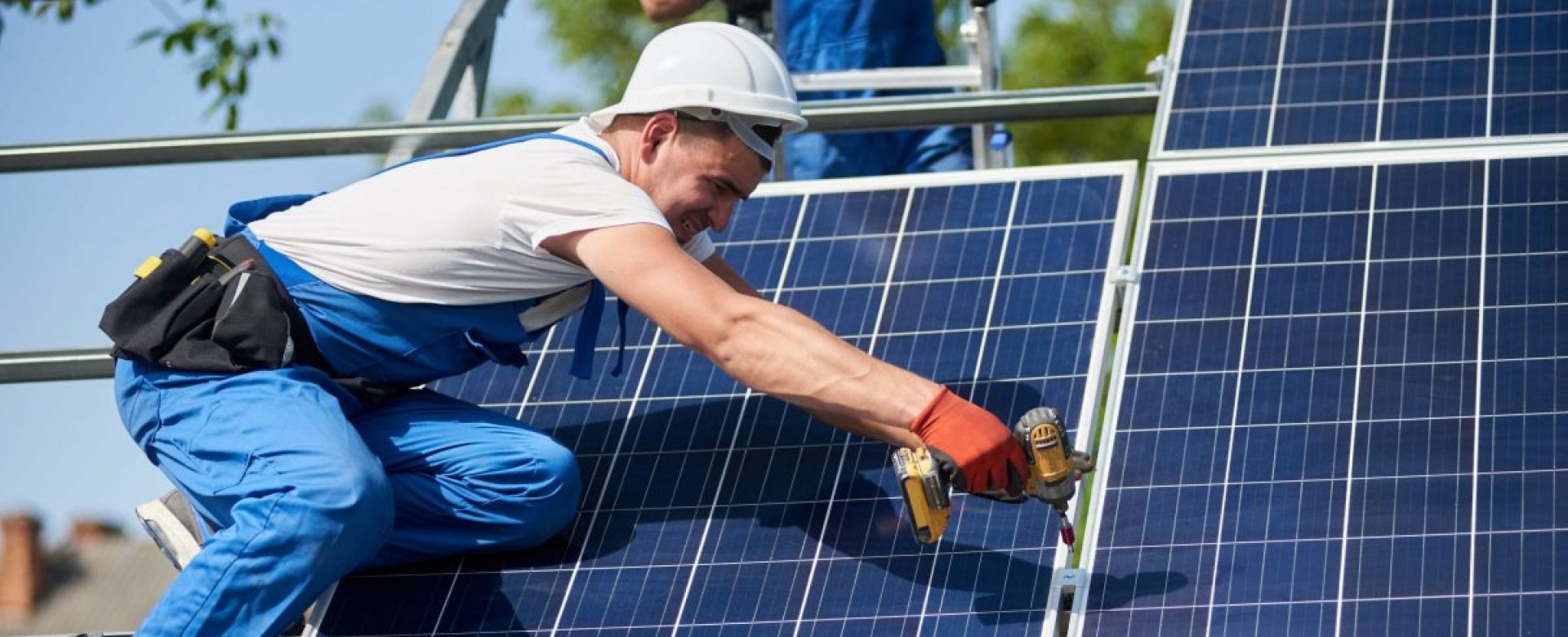
Technician installing refurbished EV battery modules into a home energy storage cabinet in a modern garage, with rooftop solar panels visible outside.

Why Second-Life Batteries Could Cut Your Home Energy Storage Costs in Half

Your old electric vehicle batteries aren’t destined for the landfill—they’re getting a second career powering homes, and they might be exactly what your solar setup needs. These retired EV batteries typically retain 70-80% of their original capacity when they leave the road, which is more than enough to store your rooftop solar energy and slash your electricity bills by hundreds of dollars annually.

The safety question stops many homeowners in their tracks, but here’s what the experts know: second-life batteries undergo rigorous testing and certification before entering home energy systems. They’re professionally refurbished, equipped with modern battery management systems, and must meet the same safety standards as brand-new units. The myth that used means dangerous simply doesn’t hold up against the data—these batteries have already proven their reliability through years of demanding automotive use.

The financial case is even more compelling. Second-life battery systems cost 30-50% less than new lithium-ion batteries while delivering comparable performance for home storage applications. You’re essentially getting premium energy storage at a fraction of the price, turning what was once automotive waste into your personal power bank. For homeowners watching energy costs climb and considering solar investments, second-life batteries represent the sweet spot where environmental responsibility meets smart economics.

What Exactly Is a Second-Life Battery?

EV battery module being installed into home energy storage system by technician
Second-life EV batteries being repurposed for residential energy storage systems offer homeowners significant cost savings while extending the useful life of these components.

From Electric Car to Home Power

When an electric vehicle battery drops below 70-80% of its original capacity, it’s no longer ideal for powering cars—but it still has plenty of life left for your home. Here’s how the transformation happens.

First, retired EV batteries are collected and thoroughly tested to verify their remaining capacity and performance. Think of it like a health checkup that confirms the battery can still do the job, just at a different pace. Engineers then reconfigure these batteries specifically for battery energy storage systems, adding new safety controls and management software designed for home use.

The repurposed batteries are packaged into units that can store solar energy during the day and power your home at night or during outages. Because they don’t need to handle the rapid charging and temperature extremes of highway driving, these batteries work beautifully in the more stable home environment.

The entire process is standardized and regulated, ensuring each second-life battery meets strict safety and performance standards before reaching your garage or basement. You’re essentially getting proven technology at a fraction of the cost of new batteries.

How Much Life Is Left?

When EV batteries retire from the road, they typically retain 70-80% of their original capacity. That’s actually excellent news for home energy storage. While this reduced capacity isn’t enough for the demanding needs of an electric vehicle, it’s more than sufficient to power your home during peak hours or store solar energy overnight.

Think of it this way: a battery at 75% capacity can still hold thousands of watts of electricity, enough to run your refrigerator, lights, and electronics for hours. For residential use, these batteries can reliably serve another 5-10 years, sometimes longer. The slower charge and discharge cycles in home applications are much gentler than the stop-and-go demands of driving, which actually helps extend their second-life lifespan. You’re getting proven performance at a fraction of the cost of new batteries, making sustainable energy storage accessible and affordable.

The Safety Question Every Homeowner Asks

Rigorous Testing Before They Reach Your Home

Before a second-life battery makes it to your home, it goes through extensive testing that would make any new product jealous. Think of it as a comprehensive health checkup, but for batteries.

First, each battery module undergoes diagnostic testing to measure its remaining capacity, performance under various conditions, and overall health. Reputable suppliers only select batteries that retain at least 70-80% of their original capacity, ensuring you get reliable performance for years to come.

These batteries must also meet strict safety certifications, including UL standards in the United States and similar international requirements. Testing includes thermal management verification, electrical safety checks, and structural integrity assessments. Any battery with signs of damage, degradation beyond acceptable limits, or safety concerns gets rejected outright.

Quality control doesn’t stop there. Many second-life battery systems come with updated Battery Management Systems that monitor performance in real-time, automatically shutting down if any issues arise. This is actually more advanced monitoring than many brand-new batteries receive.

The certification process is so thorough that second-life batteries often exceed the safety standards of cheaper new batteries. You’re getting proven technology that’s already demonstrated its durability in demanding automotive environments, now verified through rigorous testing protocols designed specifically for home energy storage applications.

Built-In Safety Features That Protect Your Family

Modern second-life batteries come equipped with sophisticated safety systems that constantly monitor and protect your home. The battery management system, or BMS, acts like a smart guardian—tracking each cell’s health, temperature, and charge level thousands of times per second. If anything looks unusual, it automatically adjusts or shuts down to prevent problems before they start.

Temperature control is another critical safety layer. These systems include built-in cooling mechanisms and thermal sensors that maintain optimal operating conditions. If temperatures rise beyond safe levels, the system reduces charging speed or pauses operations entirely until things cool down.

Multiple fail-safes provide additional peace of mind. Circuit breakers prevent electrical overloads, while fire-resistant enclosures contain any rare issues. Many units also include automatic disconnection features that isolate the battery from your home’s electrical system if needed.

The reality? Second-life batteries undergo rigorous safety testing and certification before reaching your home. They’re required to meet the same strict standards as brand-new systems. Companies thoroughly test and certify each battery, ensuring worn-out cells are replaced and only reliable components make it into your storage system. These aren’t just “used batteries”—they’re professionally refurbished energy solutions with proven safety records.

Close-up of battery management system circuit board showing safety monitoring components
Advanced battery management systems with thermal controls and safety sensors continuously monitor second-life batteries to ensure safe operation in residential settings.

The Track Record Speaks for Itself

The numbers tell a reassuring story. According to industry research, second-life batteries in stationary storage applications have demonstrated safety performance comparable to new batteries. Major automotive manufacturers like Nissan, BMW, and Renault have deployed thousands of repurposed EV batteries in grid-storage projects worldwide, with excellent safety records spanning multiple years.

Here’s what makes this possible: these batteries have already proven their durability through rigorous real-world testing during their automotive life. They’ve survived daily charging cycles, temperature fluctuations, and constant monitoring systems. The batteries selected for second-life use have passed extensive diagnostics showing they retain 70-80% capacity with healthy cell structure.

Studies show failure rates for properly tested second-life batteries match those of new battery installations when appropriate management systems are in place. The key difference? You’re getting proven performance at a fraction of the cost, backed by data from actual operation rather than just laboratory predictions.

The Financial Benefits That Matter to Your Bottom Line

Upfront Cost Savings

The most immediate advantage of choosing a second-life battery is the significant savings on your initial investment. These repurposed batteries typically cost 30-50% less than brand-new systems, making home energy storage much more accessible for everyday homeowners.

Let’s look at real numbers. A new 10 kWh lithium-ion home battery system usually runs between $7,000 and $10,000 before installation. A comparable second-life battery system costs approximately $3,500 to $6,000 for the same storage capacity. That’s a potential savings of $3,500 to $5,000 right from the start.

For a typical home solar setup with a 13.5 kWh battery, you’re looking at around $5,000 to $7,000 in upfront savings when choosing second-life over new. This price difference often means the system pays for itself faster through energy bill reductions, shortening your return on investment timeline by several years.

These savings don’t mean you’re getting an inferior product. Second-life batteries still retain 70-80% of their original capacity, which is plenty for home energy storage needs. You’re simply paying for the remaining useful life rather than the premium price of a brand-new unit.

Modern home with rooftop solar panels and wall-mounted battery storage system
Homeowners combining solar panels with second-life battery storage can achieve faster return on investment through reduced upfront costs while maintaining reliable backup power.

Faster Payback Period

One of the most attractive advantages of choosing a second-life battery is how quickly you’ll see a return on your investment. Since these repurposed batteries cost 30-50% less than brand-new units, your upfront expense drops significantly. For a typical home solar-plus-storage system, this translates to thousands of dollars in savings right from day one.

Here’s what this means in real terms: if a new battery system costs $12,000 and takes 8-10 years to pay for itself through energy savings, a second-life battery costing $6,000-8,000 could break even in just 4-6 years. You’re essentially cutting your payback period in half while enjoying the same daily benefits of energy independence and backup power. The lower entry price makes sustainable living accessible to more families without sacrificing performance or safety, helping you start saving money sooner rather than later.

Performance That Meets Home Energy Needs

Most homeowners don’t need the full power of a brand-new EV battery. Think about it: your home doesn’t accelerate from 0 to 60 or climb steep hills. A second-life battery operating at 70-80% capacity still holds plenty of energy for everyday residential needs. This is more than enough to store solar energy during the day and power your home at night, or keep essential appliances running during an outage. The average household uses about 30 kilowatt-hours daily, and a retired EV battery pack can easily handle this load-shifting work. When used as a solar panel backup battery, these systems deliver reliable performance at a fraction of the cost of new units, making sustainable energy storage accessible to more families.

Environmental Benefits Beyond Your Own Home

Keeping Batteries Out of Landfills

Every year, millions of lithium-ion batteries reach the end of their first life in electric vehicles, and here’s the good news: giving them a second life can prevent massive amounts of waste. When an EV battery drops to 70-80% of its original capacity, it’s retired from driving duties, but it still has 10-15 years of useful life for home energy storage.

The environmental math is compelling. Extending a battery’s useful life by a decade or more delays the need for mining new materials and reduces the energy-intensive manufacturing process for replacements. Studies show that reusing an EV battery can reduce its overall carbon footprint by 50% compared to immediate recycling. That’s equivalent to taking a car off the road for several years.

Even better, second-life batteries keep hazardous materials out of landfills during their most productive years. When these batteries eventually need recycling, improved recovery technologies will likely be available, making the process even more efficient. By choosing second-life battery storage, you’re not just saving money on your energy bills—you’re actively participating in the circular economy and reducing environmental impact.

Reducing the Need for New Battery Production

Every year, mining the raw materials for new batteries requires extracting massive amounts of lithium, cobalt, and nickel from the earth. This process is energy-intensive and can disrupt local ecosystems. When you choose a second-life battery for your home energy storage, you’re directly reducing demand for these virgin materials.

Here’s the real-world impact: manufacturing a brand-new battery consumes substantial energy and resources. By giving EV batteries a second career in your home, you’re essentially getting more value from the resources already extracted and processed. Think of it as wringing every drop of usefulness from materials that took significant effort to produce.

The environmental math is compelling. Reusing batteries can cut manufacturing-related emissions by up to 60% compared to producing new ones from scratch. You’re also supporting a circular economy where products serve multiple purposes before eventually entering battery recycling programs. This approach conserves precious resources while reducing your carbon footprint and your wallet’s burden, creating a win-win that aligns perfectly with sustainable living goals.

Are Second-Life Batteries Right for Your Home?

Best Use Cases for Second-Life Storage

Second-life batteries shine brightest in specific home energy scenarios. They’re perfect for pairing with home solar battery storage, storing excess daytime solar energy for evening use—a sweet spot where their reduced cost matters more than maximum capacity. Load shifting is another ideal application: charge during off-peak hours when electricity is cheap, then use that stored power during expensive peak times to slash your bills. Emergency backup power during outages represents their third strength—you don’t need brand-new batteries to keep your fridge running and lights on during storms. These applications don’t demand the intense performance required for electric vehicles, making second-life batteries both practical and economical for everyday household energy needs.

What to Look for in a Provider

Choosing the right provider makes all the difference in your second-life battery experience. Start by checking for proper certifications—reputable providers should have their batteries tested and certified to meet safety standards like UL 1974 or similar energy storage benchmarks. These certifications confirm the battery has been thoroughly evaluated and is safe for home use.

Look for a comprehensive warranty that covers at least 5-10 years. This demonstrates the provider’s confidence in their product and protects your investment. The warranty should clearly outline what’s covered, including capacity retention and performance guarantees.

Installation quality matters significantly for safety and performance. Choose providers who use certified installers with experience in home energy storage systems. They should conduct a thorough home assessment before installation and provide clear guidance on maintenance requirements.

Strong customer support is essential. Your provider should offer accessible technical assistance, monitoring services to track your system’s performance, and transparent communication about your battery’s history and previous use. Don’t hesitate to ask about the battery’s original application, testing procedures, and expected lifespan. Providers who openly share this information typically deliver better overall experiences and stand behind their products with confidence.

Second-life batteries represent a smart intersection of safety, savings, and sustainability for your home energy storage needs. These rigorously tested batteries offer the same reliable performance you’d expect from new units, but at a fraction of the cost. With proper certification and professional installation, you can enjoy worry-free backup power while cutting your energy storage investment by 30-50%.

Beyond your wallet, choosing second-life batteries makes a real environmental difference. By giving EV batteries a productive second chapter, you’re helping reduce mining waste, manufacturing emissions, and landfill burden. It’s a win-win that supports the circular economy while delivering the energy independence you want for your home.

The bottom line? Second-life batteries are thoroughly tested, cost-effective, and genuinely good for the planet. They’re not a compromise—they’re a smarter choice for homeowners who value both practicality and sustainability.

Ready to explore your options? Talk to your solar provider about incorporating second-life battery storage into your home energy system. They can help you find certified solutions that fit your budget and power needs, making clean energy storage more accessible than ever before.

You may also like...

Popular Posts

Leave a Reply

Your email address will not be published. Required fields are marked *