Close-up of hands applying clear weatherstripping to a white window frame with snow outside, with a softly blurred living room, ceiling fan, and radiator in the background.

Stop Throwing Money Away This Winter: Simple Energy Savings That Actually Work

Lower your thermostat by 7-10 degrees when you’re asleep or away from home—this simple adjustment can slash your heating bill by up to 10% annually without sacrificing comfort during waking hours. Seal air leaks around windows, doors, and outlets using weatherstripping or caulk, which costs less than $50 but prevents hundreds of dollars in heat loss each winter. Reverse your ceiling fans to clockwise rotation at low speed, pushing warm air down from the ceiling where it naturally accumulates.

Winter doesn’t mean abandoning your energy-saving goals or putting sustainable solutions on hold. While cranking up the heat feels like the only option during frigid months, strategic changes to your home and habits deliver immediate savings without leaving you shivering under blankets. The best part? Many winter energy strategies complement year-round efficiency improvements, and even cold-weather solutions like solar panels continue generating power and savings through snowy seasons. Whether you’re looking for quick fixes to tackle this month’s utility bill or exploring long-term investments that pay dividends for decades, understanding how to optimize your home’s energy use during peak heating season puts money back in your pocket while reducing your environmental footprint.

Why Winter Energy Bills Spike (And How to Fight Back)

Winter energy bills climb for two straightforward reasons: your heating system works overtime, and you’re using lights longer due to shorter days. When outdoor temperatures drop, your furnace or heat pump runs more frequently to maintain comfortable indoor temperatures, consuming significantly more energy than during mild seasons. Meanwhile, darkness arrives earlier, meaning your lights stay on for additional hours each day.

Here’s the good news: these spikes aren’t inevitable. Understanding what drives your winter energy consumption puts you in control. Every degree you adjust on your thermostat, every draft you seal, and every lighting upgrade you make directly impacts your monthly bill. Think of winter as your home’s annual performance review—it reveals exactly where you’re losing energy and money.

Many homeowners assume higher winter bills are simply the cost of staying warm, but that mindset leaves money on the table. The reality is that most homes waste 25-30% of their heating energy through preventable issues like poor insulation, air leaks, and inefficient equipment settings. Even small changes create noticeable savings.

Rather than dreading the cold months, view them as an opportunity to take charge of your energy use. The steps you take now will pay dividends immediately and continue benefiting you for years to come. Your winter energy bill doesn’t have to be a financial burden—it can be a manageable, predictable expense with the right strategies in place.

Your Home’s Biggest Energy Drains in Winter

Hand adjusting digital programmable thermostat on home wall
Adjusting your programmable thermostat to optimal winter settings is one of the fastest ways to reduce heating costs.

Heating System Inefficiencies

Your heating system might be working harder than it needs to, costing you money without keeping you any warmer. One of the biggest culprits is an outdated manual thermostat that forces you to constantly adjust temperatures throughout the day. Upgrading to a programmable or smart thermostat can reduce your heating bills by 10-15% simply by automatically lowering temperatures when you’re asleep or away from home.

Another common problem is skipping annual maintenance. When your furnace filter gets clogged or your system hasn’t been serviced in years, it has to run longer to reach the same temperature. The good news? A simple filter change every three months and an annual professional checkup can restore efficiency and extend your system’s lifespan.

Many homeowners also unknowingly waste energy by setting their thermostat too high. Here’s a myth worth busting: cranking your thermostat to 75 degrees won’t heat your home faster than setting it to 68 degrees. Your system works at the same speed either way, but that higher setting keeps it running much longer. Setting your thermostat to 68 degrees while you’re home and 60-65 degrees at night can dramatically reduce energy consumption without sacrificing comfort.

Hidden Air Leaks That Cost You

Those mysterious cold spots and chilly breezes around your home aren’t just uncomfortable—they’re silently inflating your heating bills. Air leaks typically hide around window frames, door thresholds, electrical outlets, and where pipes enter your walls. The good news? Finding them is easier than you think. On a windy day, hold a lit candle or incense stick near suspected areas and watch for flickering flames or drifting smoke. You can also feel for drafts with your hand on cold days. Once identified, most leaks are simple weekend fixes using weatherstripping tape for doors and windows, or caulk for stationary cracks. Even sealing just your most obvious leaks can reduce heating costs by 10-20%, putting money back in your pocket while keeping your home consistently warm all winter long.

Hot Water Heating Waste

Winter’s cold temperatures mean your water heater works overtime to bring incoming cold water up to your desired temperature. This extra effort can add 10-20% to your water heating costs during colder months. The good news? Simple adjustments make a significant difference. Start by lowering your water heater temperature to 120°F—most households don’t need anything hotter, and you’ll save about 5% on water heating costs for every 10-degree reduction. Insulating your water heater tank with a blanket costs around $30 and pays for itself within a year. Don’t overlook your pipes either; wrapping exposed hot water pipes with foam insulation prevents heat loss as water travels to your faucets. Finally, fix dripping hot water faucets promptly—even slow drips waste gallons of heated water daily, literally sending your money down the drain.

Practical Winter Energy-Saving Tips That Pay Off Fast

Smart Thermostat Adjustments

Your thermostat is your secret weapon for winter savings, and using it smartly can trim up to 10% off your heating bills. The key is setting it lower when you’re asleep or away—aim for 68°F when you’re home and awake, then drop it to 60-62°F at night or during work hours. Your body stays warm under blankets while sleeping, so you won’t notice the difference.

Here’s a common myth worth busting: leaving your heat on constantly does not save money compared to letting your home cool down. Your heating system works harder to maintain temperature when it’s freezing outside, so reducing runtime directly cuts costs. Think of it like leaving your car idling all day versus restarting it when needed—one clearly wastes more fuel.

Programmable thermostats automate these adjustments, ensuring you never forget to turn down the heat. Modern smart home energy control systems take this further, learning your schedule and adjusting automatically. The investment pays for itself within a year through consistent savings, making it one of the easiest upgrades for immediate winter relief.

Seal and Insulate: The Quick Wins

Before investing in expensive upgrades, tackle the easiest energy leaks first. Weatherstripping and door sweeps cost just a few dollars but can reduce heating bills by up to 20%. Check around windows and doors for drafts—if you feel cold air, you’re literally heating the outdoors.

Window insulation film is another budget-friendly hero. This clear plastic shrinks tight with a hairdryer, creating an invisible barrier that traps heat inside. It costs about $15 per window and takes 20 minutes to install. You’ll notice the difference immediately on cold mornings.

Don’t forget electrical outlets on exterior walls. Inexpensive foam gaskets slip behind outlet covers to block surprising amounts of cold air infiltration. Check your attic access door too—adding weatherstripping here prevents warm air from escaping through your home’s highest point.

These simple fixes deliver instant comfort and savings, often paying for themselves within the first month. Think of them as the foundation for any energy efficiency strategy. Once you’ve sealed the obvious leaks, you’ll have a clearer picture of your true heating needs and can make smarter decisions about larger investments down the road.

Weatherstripping installation at bottom of door to prevent air leaks
Sealing air leaks around doors and windows with weatherstripping prevents heated air from escaping and reduces energy waste.

Maximize Your Natural Sunlight

During winter, your windows can become powerful allies in cutting heating costs. The sun provides free warmth even on cold days, so open your blinds and curtains on south-facing windows during daylight hours to let that natural heat pour in. You’ll be surprised how much your room temperature can rise from solar heat gain alone.

As soon as the sun sets, close all window coverings to create an insulating barrier against the cold night air. This simple habit traps the warmth you’ve collected during the day inside your home. For even better results, consider thermal curtains or cellular shades, which can reduce heat loss through windows by up to 25 percent.

This day-and-night routine costs nothing but makes a noticeable difference on your energy bills. Think of it as harvesting free solar energy the old-fashioned way while your heating system takes a well-deserved break.

Optimize Your Water Heater

Your water heater works overtime during winter, but a few simple tweaks can dramatically lower your bills. Start by turning down the temperature to 120°F—most households won’t notice the difference, and you’ll save about 10% on water heating costs. Many water heaters come factory-set at 140°F, which is unnecessarily high and wastes energy.

Consider wrapping your water heater in an insulation blanket, especially if it’s older or located in an unheated space like a garage or basement. These blankets cost around $20-30 and can reduce heat loss by 25-45%, paying for themselves within a year. Don’t forget to insulate the first few feet of hot water pipes leaving the tank too.

Adjust your usage habits by taking shorter showers and running dishwashers and washing machines with full loads only. These small changes add up quickly over winter months when every dollar saved on utilities counts toward keeping your home comfortable.

Appliance and Lighting Tweaks

Small changes to your lighting and appliances can yield surprisingly big savings this winter. Switch to LED bulbs if you haven’t already—they use up to 75% less energy than traditional incandescent bulbs and last significantly longer, meaning fewer replacements and lower bills. Combat phantom loads by unplugging devices when not in use or using power strips to easily cut power to multiple electronics at once. Chargers, gaming consoles, and kitchen appliances draw energy even when turned off, adding unnecessary costs. Run major appliances like dishwashers and washing machines during off-peak electricity hours when rates are lower, and always use full loads to maximize efficiency. These simple tweaks reduce your winter energy consumption without sacrificing comfort or convenience.

How Solar Panels Keep Working Through Winter (Myth Busted)

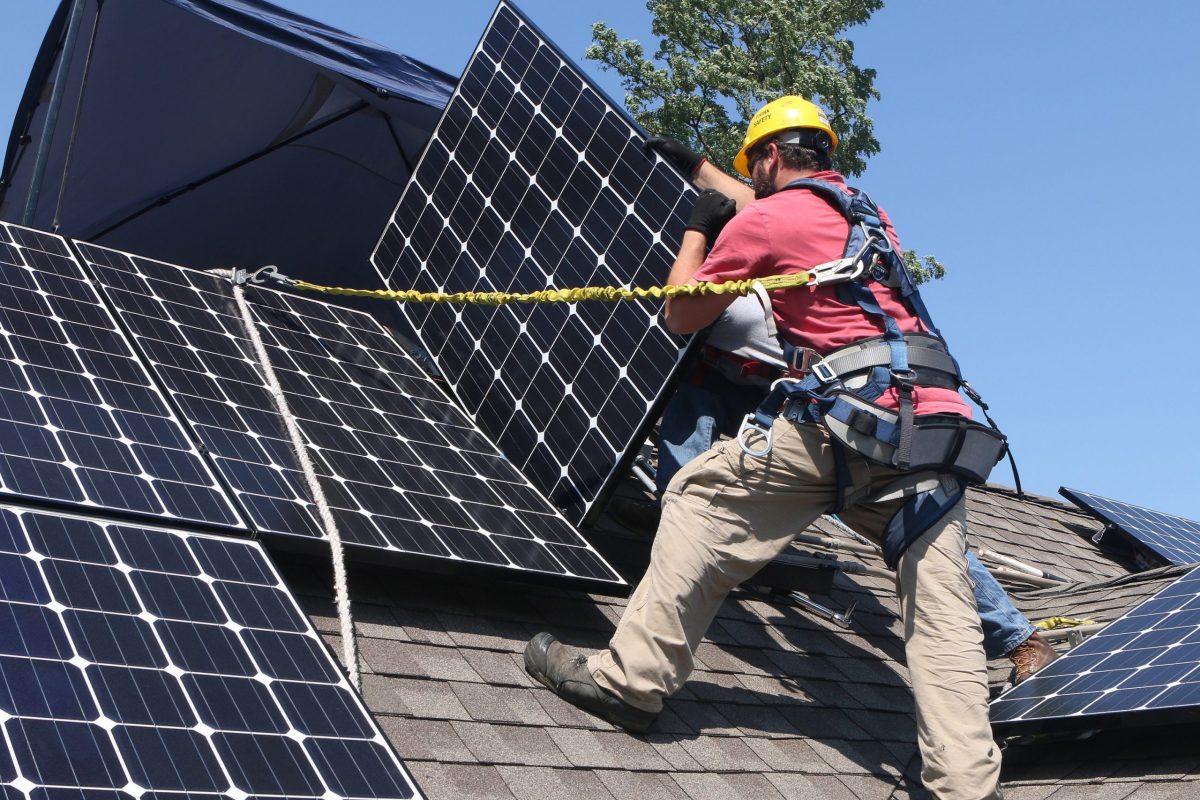
Here’s a surprise that might change how you think about winter energy savings: solar panels actually love cold weather. It’s one of the biggest myths we hear from homeowners—that solar panels stop working when temperatures drop or snow starts falling.

The truth? Solar panels generate electricity from sunlight, not heat. In fact, they operate more efficiently in cooler temperatures. When panels get too hot in summer, their efficiency can actually decrease. Winter’s crisp, cold air creates ideal conditions for your panels to convert sunlight into electricity effectively.

Yes, winter days are shorter, and the sun sits lower in the sky. This means your panels will produce less energy compared to those long summer days. But they’re still working hard for you, generating power and reducing your electricity bills every sunny winter day. Even on overcast days, solar panels capture diffuse sunlight and continue producing energy—just at reduced levels.

What about snow? Light snow often melts quickly on panels because they’re typically installed at an angle and can generate a small amount of heat. Heavy snow might temporarily cover them, but most systems bounce back quickly once the snow slides off or melts.

The real winter advantage is this: every kilowatt-hour your solar panels generate is one less you’re buying from the grid during the season when heating costs spike. You’re offsetting your highest-usage months with clean, free energy from the sun.

If you’ve been putting off solar because you worry about winter performance, it’s time to reconsider. Modern solar technology is designed to deliver year-round savings, even in the coldest climates. The question isn’t whether solar works in winter—it’s how much you could be saving right now.

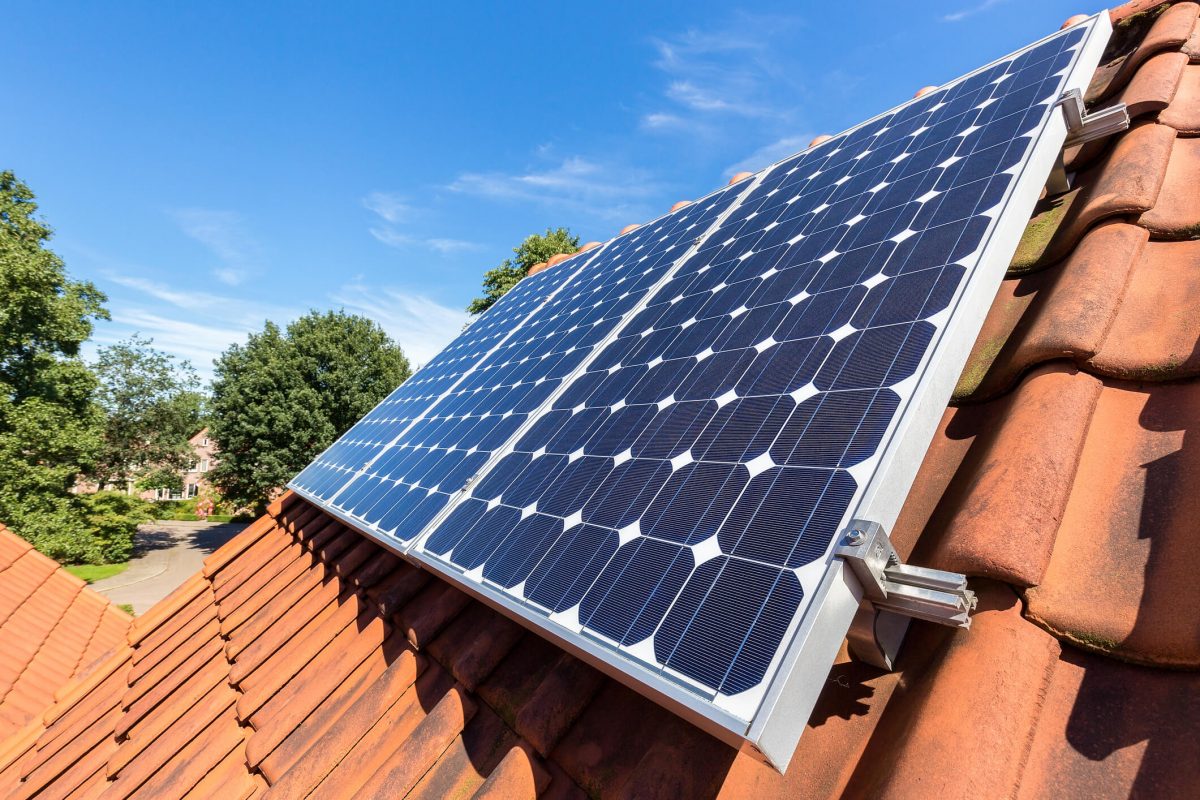
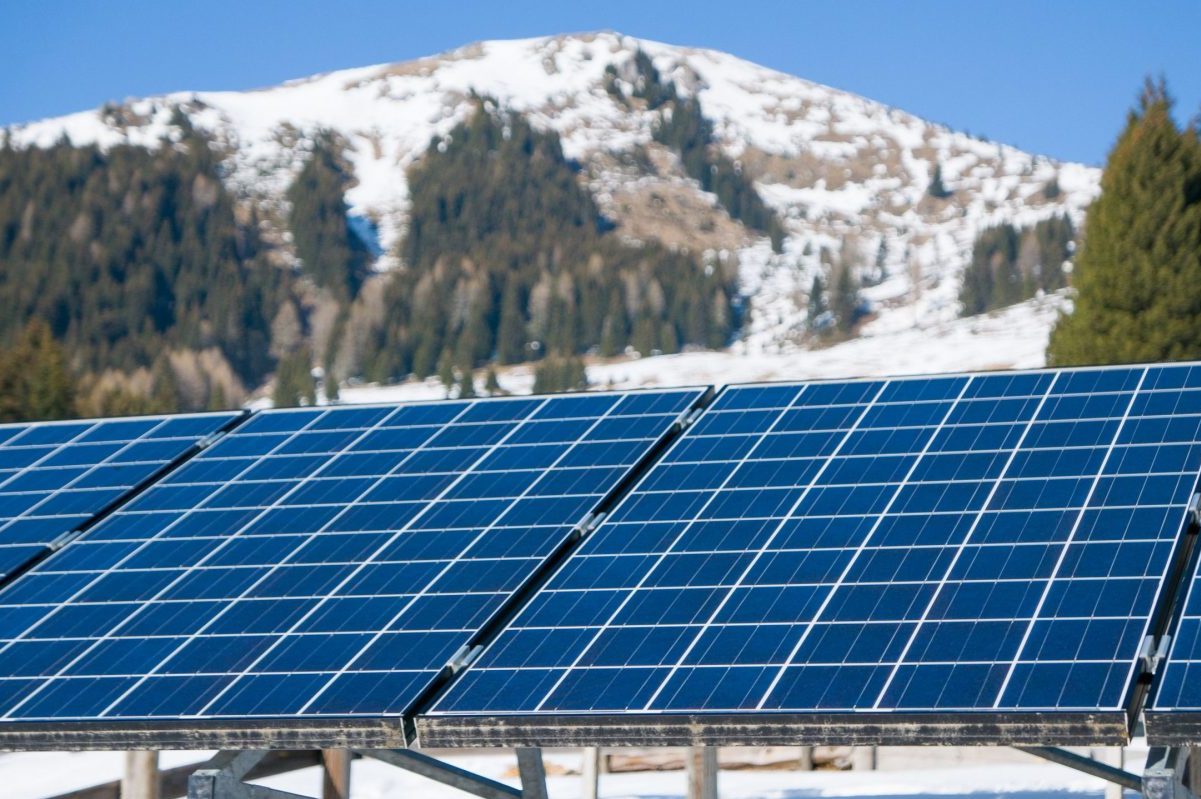
Residential solar panels with snow in winter sunlight on rooftop
Solar panels continue generating electricity throughout winter months, even in cold weather and snowy conditions.

Pairing Solar with Energy Storage for Year-Round Savings

Winter’s shorter days mean your solar panels produce less energy exactly when your heating needs spike. This is where battery storage becomes a game-changer for year-round savings.

Here’s how it works: During sunnier winter days, your solar panels still generate power. Instead of sending excess energy back to the grid for minimal credit, a battery system stores it for use during expensive evening hours when your heating system works hardest. You’re essentially banking your own power to use when you need it most.

The financial benefits add up quickly. Many homeowners with battery storage report reducing their grid dependence by 70-90%, even in winter. You’ll avoid peak electricity rates, which can be two to three times higher during cold-weather evenings. Plus, battery systems qualify for the same government energy incentives as solar panels, significantly lowering your upfront investment.

There’s also the peace-of-mind factor. Winter storms often cause power outages right when you need heating most. With battery backup, your home stays powered through blackouts, keeping your family warm and safe without the noise and fuel costs of a traditional generator.

Modern battery systems are designed to optimize automatically, requiring no effort on your part. They learn your usage patterns and ensure you always have power stored for those frigid winter nights when energy costs peak.

Your Winter Energy Savings Action Plan

Ready to take action? Here’s your step-by-step plan to cut your winter energy bills, organized from quickest wins to long-term investments.

Start today (no cost): Walk through your home and check for air leaks around windows and doors. Adjust your thermostat down by 2-3 degrees and add an extra blanket to your bed. Close vents and doors in unused rooms, and open curtains on sunny days while closing them at night.

This week (minimal cost): Pick up weatherstripping and door sweeps at your local hardware store to seal those drafts. Add insulation to your attic access door, and consider programmable or smart thermostat installation to automate temperature adjustments while you sleep or work.

This month (moderate investment): Schedule a professional energy audit to identify your home’s biggest energy wasters. Have your heating system serviced for peak efficiency, and consider adding insulation to your attic if it’s insufficient.

This season (bigger picture): Research solar panel options for your home. Many homeowners don’t realize that solar works year-round, and winter installation means you’re ready to capture maximum spring and summer production. Federal tax credits currently cover 30% of solar costs, making now an excellent time to explore this option.

By combining these seasonal energy strategies with long-term solutions, you’ll see immediate savings while building toward energy independence.

Keeping your home warm and your energy bills low this winter doesn’t have to be complicated or expensive. The simple adjustments we’ve covered—from sealing air leaks and optimizing your thermostat to making the most of natural sunlight—can make a real difference in your monthly costs. The best part? Many of these changes require minimal investment but deliver noticeable savings right away.

Remember, winter energy efficiency isn’t just about surviving the cold months. It’s about creating sustainable habits that benefit your wallet and the environment all year long. Each step you take, whether it’s switching to LED bulbs or adding insulation, contributes to a more energy-efficient home that costs less to operate in every season.

If you’re ready to take your energy savings even further, consider how solar power can amplify these benefits year-round. Solar panels work throughout winter and complement your efficiency improvements by generating clean, cost-effective electricity even on cloudy days. By combining smart seasonal adjustments with renewable energy solutions, you’re setting yourself up for long-term savings and energy independence. Start with the quick wins today, and you’ll be amazed at how manageable and rewarding winter energy savings can be.

You may also like...

Popular Posts

Leave a Reply

Your email address will not be published. Required fields are marked *