You’ve decided to go solar, submitted your application, and then heard those unexpected words: “You’re in the interconnection queue.” For thousands of homeowners across America, this utility backlog has become the surprising roadblock between signing contracts and flipping the switch on clean energy savings.
The grid interconnection queue is essentially a waiting list maintained by your utility company to review and approve new solar systems connecting to the electrical grid. What once took weeks now stretches into months—sometimes over a year in congested markets—as utilities struggle with unprecedented solar adoption rates and outdated approval processes. This bottleneck affects your timeline, delays your return on investment, and can feel like an frustrating pause button on your sustainability goals.
But here’s the empowering truth: understanding how this queue works puts you back in control. The wait time varies dramatically by location and utility provider, and there are strategic approaches that can either minimize delays or allow you to start benefiting from solar energy immediately. Hybrid systems with battery storage, for instance, offer flexibility that traditional grid-tied installations don’t, potentially letting you generate and use clean energy while bureaucratic wheels turn. Your solar journey doesn’t have to stall—it just needs the right roadmap.
What Is the Grid Interconnection Queue (In Plain English)?
Think of the grid interconnection queue like the waiting line at the DMV—except instead of getting your driver’s license renewed, you’re waiting for permission to connect your solar panels to the electrical grid. It’s not the most exciting part of going solar, but understanding it helps you set realistic expectations for your installation timeline.
Here’s what’s happening behind the scenes: every time someone wants to connect a solar system to the power grid, the local utility company needs to review and approve it first. This isn’t just red tape—there are legitimate safety and technical reasons for this process. Your utility needs to make sure your solar system won’t cause problems for the grid, like voltage fluctuations that could affect your neighbors or safety issues for line workers during outages.
The queue exists because utility companies can only review so many applications at once. They typically process them in the order received—first come, first served. When you submit your interconnection application, you’re essentially taking a number and getting in line behind everyone else who applied before you.
The good news? Most residential solar installations move through this queue relatively smoothly, especially if you’re working with an experienced installer who knows how to navigate the paperwork correctly. The challenge comes when there’s a sudden surge in solar applications—which has been happening as more people discover the financial and environmental benefits of going solar. In some areas, this has created longer wait times than expected, which is why it’s become an important topic for homeowners to understand upfront.

Why Are Solar Projects Getting Stuck in This Queue?
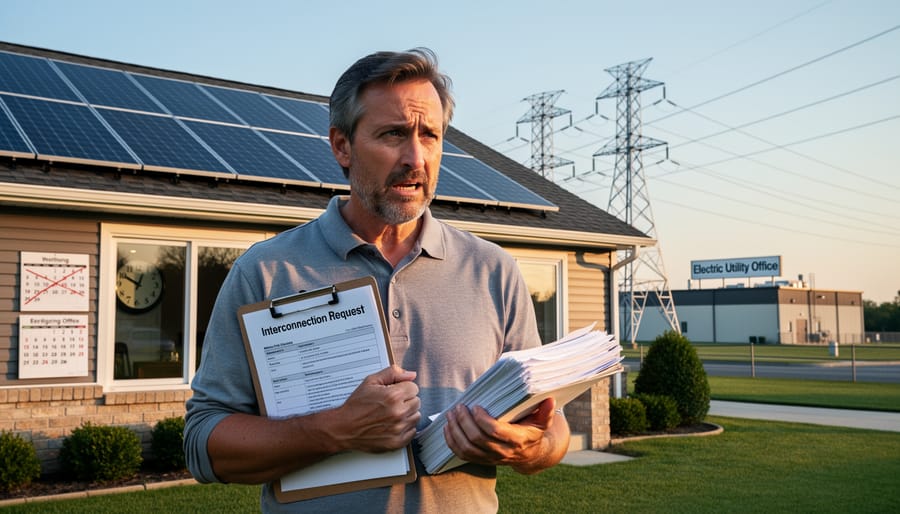
The Solar Boom Nobody Planned For
Solar energy has taken off like never before. What started as a niche choice for environmentally-minded early adopters has become a mainstream solution for homeowners looking to cut energy costs and increase energy independence. In fact, solar installations have grown so quickly that the utility infrastructure designed to connect these systems simply hasn’t kept pace.
Think of it this way: utilities built their approval processes when they might see a handful of solar applications per month. Now they’re receiving hundreds or even thousands. The result? A massive backlog that’s created what’s known as the grid interconnection queue—essentially a waiting list to connect your solar system to the power grid.
This unexpected boom is actually good news for the planet and your wallet, but it does mean patience is required. The wait times can range from a few weeks to several months, depending on your location and local utility capacity. Understanding this reality upfront helps you plan accordingly and explore options that can get you enjoying solar benefits sooner.
When Your Neighborhood Grid Needs an Upgrade
Sometimes your local power grid simply isn’t equipped to handle additional solar systems yet. Think of it like a highway that needs widening before more cars can safely merge on. Older neighborhoods or areas experiencing solar growth spurts may need infrastructure improvements—upgraded transformers, new power lines, or enhanced distribution equipment—before your system can connect.
Here’s the good news: you’re not automatically stuck with the entire bill. Utility companies often cover network upgrades that benefit the broader community. You’ll typically only pay for equipment directly connecting your home to the existing grid. The specific costs and responsibilities vary by location and utility provider, so your solar installer can clarify what applies to your situation.
While these upgrades can extend your timeline, they’re actually positive signs. They mean your neighborhood is embracing clean energy, and the grid is being modernized to support a sustainable future. During this waiting period, you can explore battery storage options that allow your system to operate independently, giving you energy security even before full grid connection is complete.
How Long Will Your Solar Installation Really Take?
Good news: if you’re a homeowner looking to install solar panels, you probably won’t be waiting years in a queue. While you may have heard stories about lengthy interconnection delays, those typically involve large-scale commercial or utility projects, not residential installations.
For most homeowners, the solar interconnection process takes between 30 to 90 days from the time you submit your application to your utility company. This timeline includes the utility’s review of your system design, approval of your interconnection agreement, and the final permission to operate (PTO) your system.
Here’s how the process typically breaks down: After your solar installer completes the installation, they’ll submit an interconnection application to your utility. The utility reviews the application to ensure your system meets safety standards and won’t negatively impact the local grid. This review usually takes 2-6 weeks. Once approved, you’ll receive permission to turn on your system and start generating clean energy.
Several factors can speed up or slow down your timeline. Well-prepared applications with complete documentation move fastest. Your utility company’s efficiency also plays a major role—some utilities process residential applications within two weeks, while others may take two months. The complexity of your installation matters too; straightforward rooftop systems typically receive faster approval than ground-mounted systems or those requiring significant electrical upgrades.
Regional differences are significant. States with established solar markets like California, New York, and Massachusetts generally have streamlined processes. Utilities in these areas handle thousands of residential solar applications annually and have efficient systems in place. Areas newer to solar may have longer processing times simply due to less experience.
The key takeaway: while you’ll need some patience, residential solar interconnection is a manageable process that’s much quicker than commercial projects. Most homeowners are generating their own clean energy within three months of completing installation.
What Hybrid Systems and Grid Enhancements Mean for Your Home
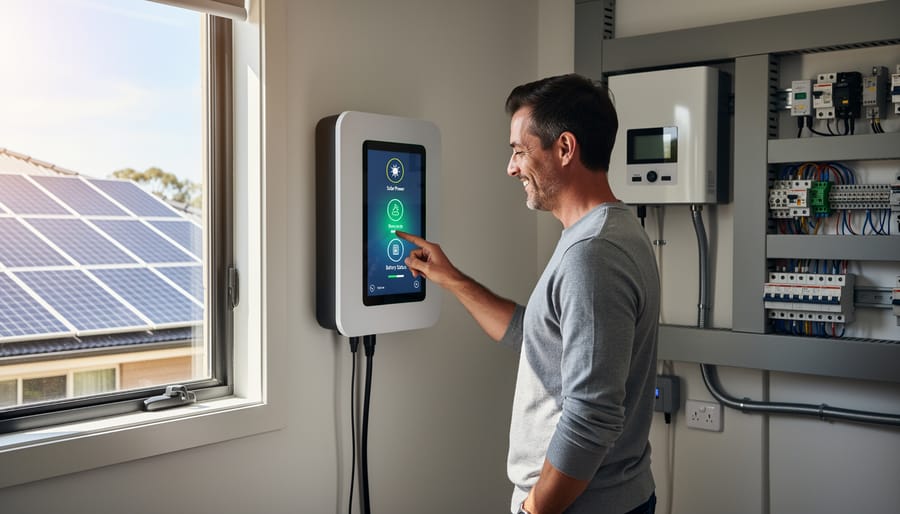
Battery Storage: Your Backup Plan During the Wait
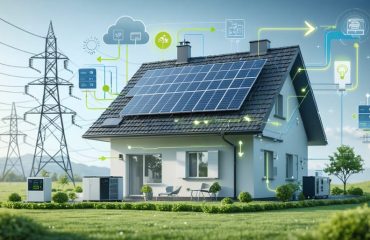
Here’s the good news: you don’t have to sit idle while waiting in the interconnection queue. Adding battery storage systems to your solar installation means you can start capturing and using your own clean energy right away, even before your utility gives final approval.
Think of batteries as your personal energy safety net. During the day, your solar panels generate electricity that charges your battery system. Then you can use that stored power whenever you need it—morning, evening, or overnight. You’re already reducing your reliance on the grid and lowering your energy bills while the paperwork processes.
Beyond immediate benefits, batteries provide valuable backup power during outages. When storms knock out grid electricity, your home stays powered with the energy you’ve stored. This peace of mind is especially valuable in areas with unreliable grid service.
The financial advantage is clear too. You’re maximizing your solar investment from day one rather than watching your panels sit dormant. Every kilowatt-hour you store and use is money saved on your utility bill. Plus, in many areas, batteries qualify for the same federal tax credits as your solar panels, making them more affordable than ever. While waiting for interconnection approval might feel frustrating, battery storage turns that waiting period into an opportunity to start enjoying solar benefits immediately.
How Grid Improvements Actually Help Your Property Value
Here’s the good news: when utility companies upgrade the grid to handle new solar connections, everyone benefits. Think of it as the neighborhood getting better roads—your property becomes more valuable as a result.
Upgraded grid infrastructure means your area can support more renewable energy, which increasingly matters to homebuyers. Studies show homes in solar-friendly neighborhoods with modern grid capabilities sell faster and at premium prices compared to areas with outdated infrastructure. Buyers recognize that robust grid connections mean easier solar installations, fewer power disruptions, and access to grid interactive technology that can lower energy costs.
These improvements also make your community more resilient during extreme weather and support electric vehicle charging infrastructure—features that modern buyers actively seek. Rather than viewing grid upgrades as obstacles, consider them investments in your property’s future value. You’re not just waiting for solar installation; you’re in a neighborhood that’s becoming more energy-forward and desirable.
Smart Steps to Avoid Getting Stuck in Interconnection Limbo
The good news? You don’t have to be at the mercy of interconnection delays. Taking smart, proactive steps before you commit to a solar installation can save you months of frustration and help you start saving on energy bills sooner.
Your first and most important move is partnering with an experienced solar installer who knows your local utility inside and out. Companies that have completed numerous installations in your area understand the specific paperwork requirements, common sticking points, and unwritten preferences of your utility provider. During your initial consultations, don’t hesitate to ask direct questions about typical interconnection timelines in your neighborhood. A reputable installer will provide honest estimates based on recent projects rather than overly optimistic promises.
Consider adding battery storage to your system from the start. While this increases your upfront investment, it offers significant advantages beyond just backup power. Some utilities process applications for hybrid systems differently, and having storage means you can start using your solar energy immediately, even before full grid approval. You’ll capture all those sunny day benefits without waiting for permission to send excess power back to the grid.
Take time to understand your specific utility’s interconnection process. Many utilities now have online portals where you can track your application status and required steps. Your installer should walk you through this process and explain what happens at each stage. When designing the perfect solar system, experienced professionals factor in local interconnection realities from day one.
Finally, get everything in writing. Your contract should clearly state who handles interconnection paperwork, expected timelines, and what happens if delays occur. The right solar company treats interconnection management as part of their service, not an afterthought. They’ll advocate on your behalf and keep things moving forward while you focus on the exciting part: going solar and shrinking your energy bills.
The Bright Side: Why This Problem Is Getting Better
Here’s the good news: the interconnection bottleneck is finally getting the attention it deserves, and real solutions are taking shape. Federal and state governments recognize that outdated processes are slowing down America’s clean energy transition, and they’re taking action.
The Federal Energy Regulatory Commission recently introduced Order 2023, which requires utilities to modernize their interconnection procedures. This means faster reviews, clearer timelines, and better communication throughout the process. Several states have followed suit with their own reforms, setting deadlines for utilities to respond to applications and penalizing unnecessary delays.
Many utilities are also investing in grid upgrades and hiring additional staff to process applications more efficiently. Some have introduced online portals where you can track your application status in real-time, eliminating the frustration of wondering where you stand in line.
Perhaps most importantly, awareness of the problem is driving innovation. Battery storage technology continues to improve and become more affordable, giving homeowners more options to maximize their solar investment even while waiting for full grid connection. Some utilities now offer interim solutions that let you start generating clean energy sooner.
Think of this as temporary growing pains during a massive shift toward cleaner, more sustainable energy. The infrastructure is catching up with demand, and the improvements happening today will make the process smoother for future solar adopters. Your patience now contributes to a better system for everyone tomorrow.
Yes, grid interconnection queues exist, and yes, they might add some time to your solar journey. But here’s the good news: they’re absolutely not a reason to put your solar dreams on hold. Thousands of homeowners navigate these queues successfully every year and go on to enjoy decades of clean, affordable energy.
The key is partnering with an experienced solar installer who understands the local utility landscape and can guide you through the process efficiently. They’ll handle the paperwork, communicate with your utility company, and keep you informed every step of the way.
Remember, even if you face a wait for full grid connection, hybrid systems with battery storage allow you to start generating and using your own power immediately. You’re not stuck in limbo—you’re already reducing your energy bills and carbon footprint.
The long-term benefits of solar—lower electricity costs, energy independence, increased home value, and environmental impact—far outweigh any temporary delays. Every day you wait to start is a day you’re missing out on these advantages.
Ready to explore your solar options? Schedule a consultation today and let’s create a personalized plan that works for your home, timeline, and goals.